
Narrative of the Life of Frederick Douglass
  • 138
  • 0
  • 17
  • Reads 138
  • 0
  • Part 17
Completed, First published Mar 02, 2026

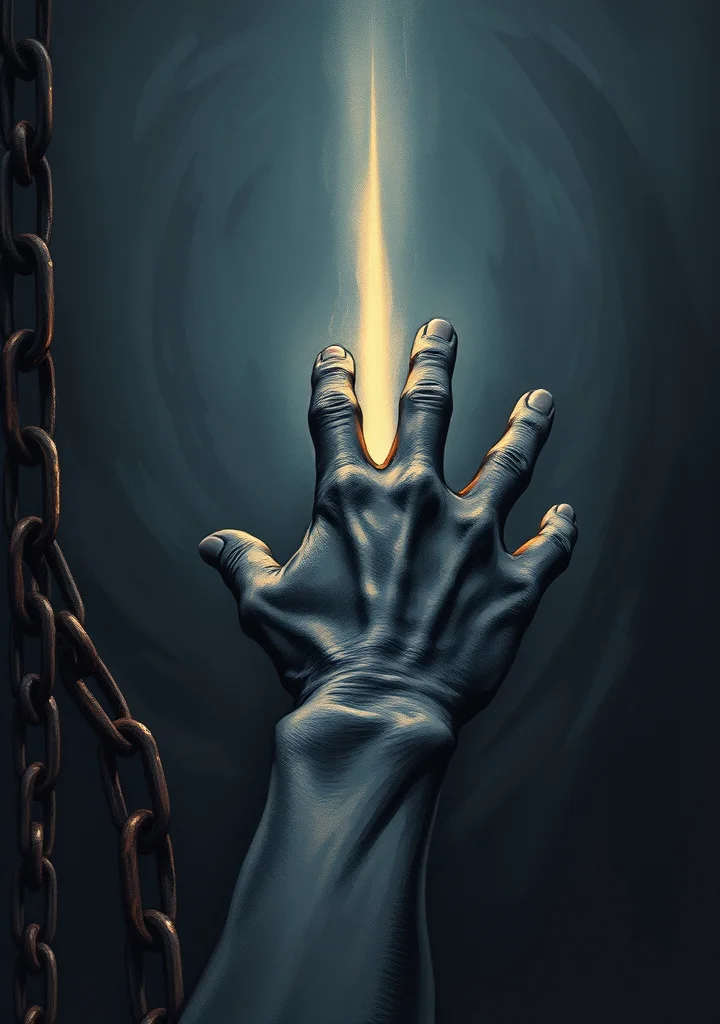
A suffocating darkness clings to these pages, not of shadowed rooms or crumbling estates, but of the human spirit broken and rebuilt within the suffocating confines of ownership. The narrative unfolds as a slow bleed of hope against the stone of brutality, each chapter a chipped fragment wrenched from the jaws of despair. The air hangs thick with the metallic tang of whiplashes and the cloying sweetness of false piety. Douglass doesn’t merely recount his life; he exhumes it from a graveyard of stolen identities, each syllable a ghostly echo of voices long silenced. The reader is immersed in a landscape where the very soil is stained with the tears of generations, where the architecture of power is built on bone and regret. A creeping dread permeates every description of the auction block, the master’s house, the cold hearths of forced labor. The prose itself becomes a chain, binding you to the relentless, methodical unraveling of a man’s humanity—and his ferocious, unyielding claim to it. It is not a story of escape, but of excavation, a harrowing descent into the abyss of a system designed to devour souls, leaving only a hollowed-out husk of a man…and a burning testament to the resilience that claws its way back from the brink. The final pages are not a liberation, but a haunting glimpse into the fractured mirror of a nation forever shadowed by its past.

Copyright: Public Domain
This license allows anyone to use your story for any purpose, including printing, selling, or adapting it into a film freely.
Recommended for you
20 Part
A creeping dread clings to the salt-laced air of Porthaven, a village choked by perpetual mist and shadowed by the crumbling manor of Blackwood Hall. Old Man Hemlock, postmaster and keeper of forgotten grievances, delivers letters not to their intended hands, but to the hollows of regret and festering secrets. Each missive, delivered with a tremor and a whispered apology, unravels a life already frayed by loneliness and the weight of unacknowledged sins. The narrative follows Elara Thorne, a woman haunted by a correspondence she never sent, a confession penned in feverish ink and delivered to a phantom recipient. As she seeks the source of these spectral deliveries, she descends into Blackwood’s labyrinthine halls, where portraits weep with soot and the scent of brine mixes with the dust of forgotten rituals. The house itself breathes with a sorrowful intelligence, its corridors echoing with the murmur of broken promises. Every room is a mausoleum of fractured memory, each object a shard of a life shattered by the wrong letter—a word misplaced, a truth concealed, a love betrayed. The very stones seem to weep with the weight of the past, and Elara finds herself caught in a tightening spiral of delusion and decay, unsure if the horrors she uncovers are real or born of her own unraveling mind. The fog outside mirrors the confusion within, obscuring the boundaries between the living and the dead, and the truth buried beneath layers of whispered accusations and unspoken fears. A chilling silence pervades, punctuated only by the relentless drip of rain and the unsettling certainty that someone, somewhere, is watching her unravel.
37 Part
The air hangs thick with the scent of decaying silver and the dust of forgotten ambitions. A shadow stretches from the Cordillera, not of mountains, but of men consumed by avarice. Here, in the heart of a republic built on the bones of empires, a single name—Nostromo—becomes a phantom currency, a legend whispered in the fevered dreams of those who seek to claim a fortune wrested from the earth. But the silver, like a dark god, demands a reckoning. The jungle breathes with betrayal, and the hacienda walls echo with the hollow promises of loyalty. A slow rot creeps through the lives of those entangled in its claim: a captain adrift in a sea of moral compromise, a merchant haunted by the specter of loss, a woman caught between the fervor of revolution and the cold grip of her own desires. Each dawn bleeds into a landscape of simmering unrest, where the lines between honor and desperation blur into indistinguishable shades of grey. The weight of the silver, the weight of a nation’s birth, crushes beneath a suffocating heat. It is a story not of triumph, but of the erosion of faith, of how easily a man, even one of singular strength, can be undone by the very forces he seeks to command. The silence between the crumbling stones holds the screams of the dispossessed, the ghosts of a fortune bought with blood. A darkness rises from the depths of the mines, not just of ore, but of the human heart, and the jungle itself seems to mourn the fall of innocence into the abyss of greed.