
-
Read 2K
-
0
-
Part 99
Completed, First published Mar 02, 2026
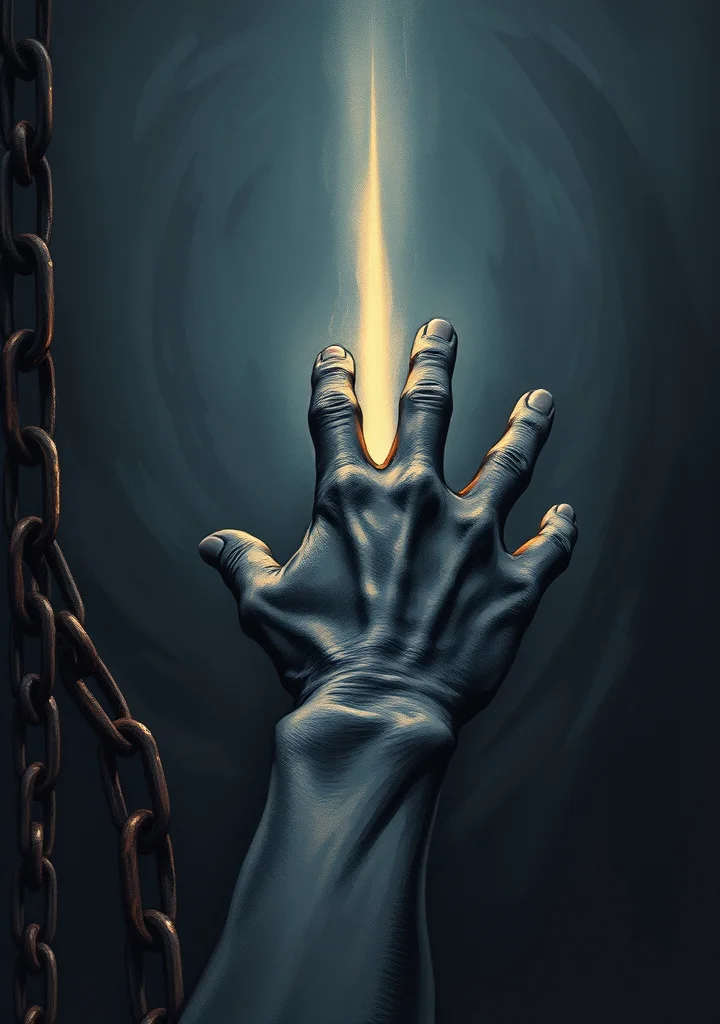
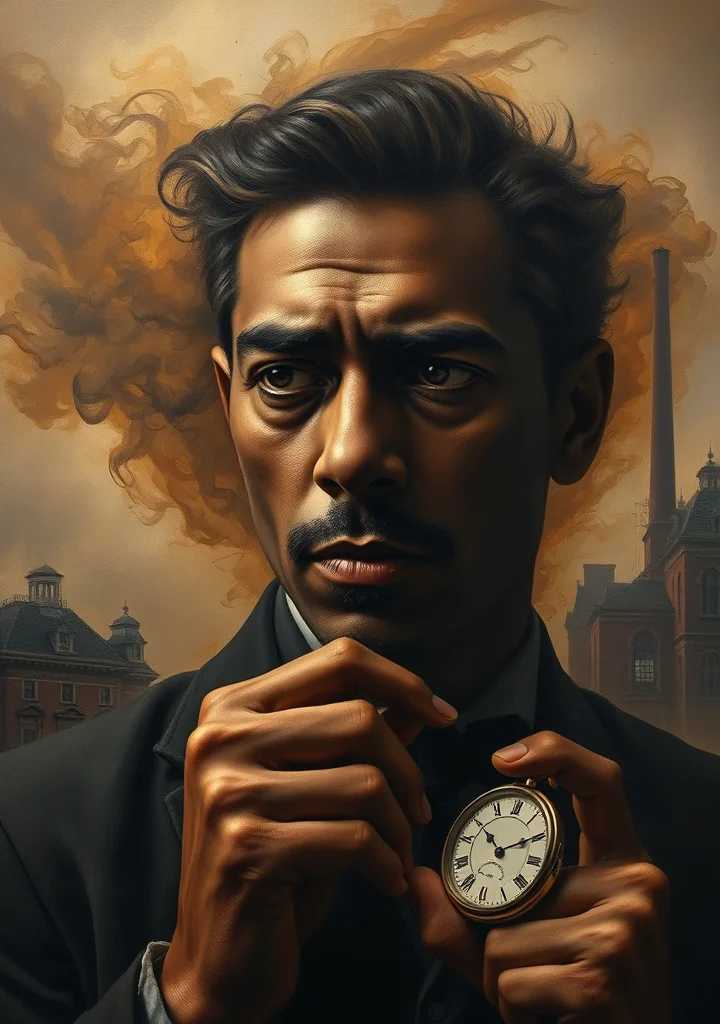
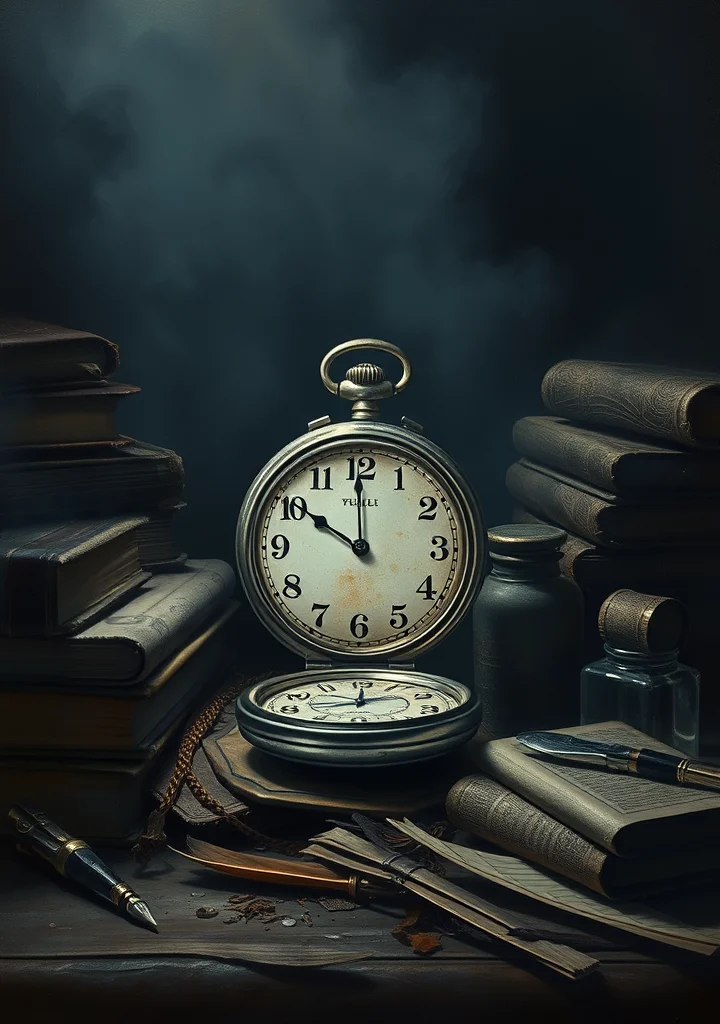
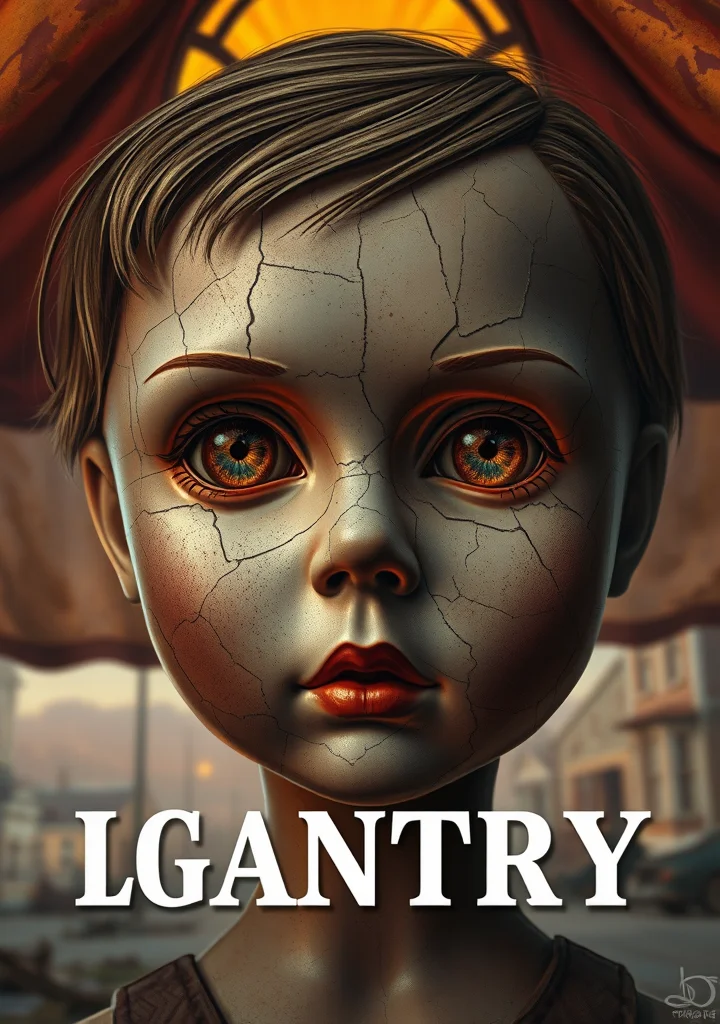
Dust motes dance in the perpetual twilight of a Mississippi steeped in regret. This is not the Twain of riverboats and raffish charm, but a fractured reflection glimpsed through warped glass. The narrative unravels like a fever dream, a self-excavation fueled by absinthe and the gnawing specter of a life lived too fully, too brutally documented. Each chapter is a decaying photograph, bleached by remorse, where the edges blur between truth and invention.
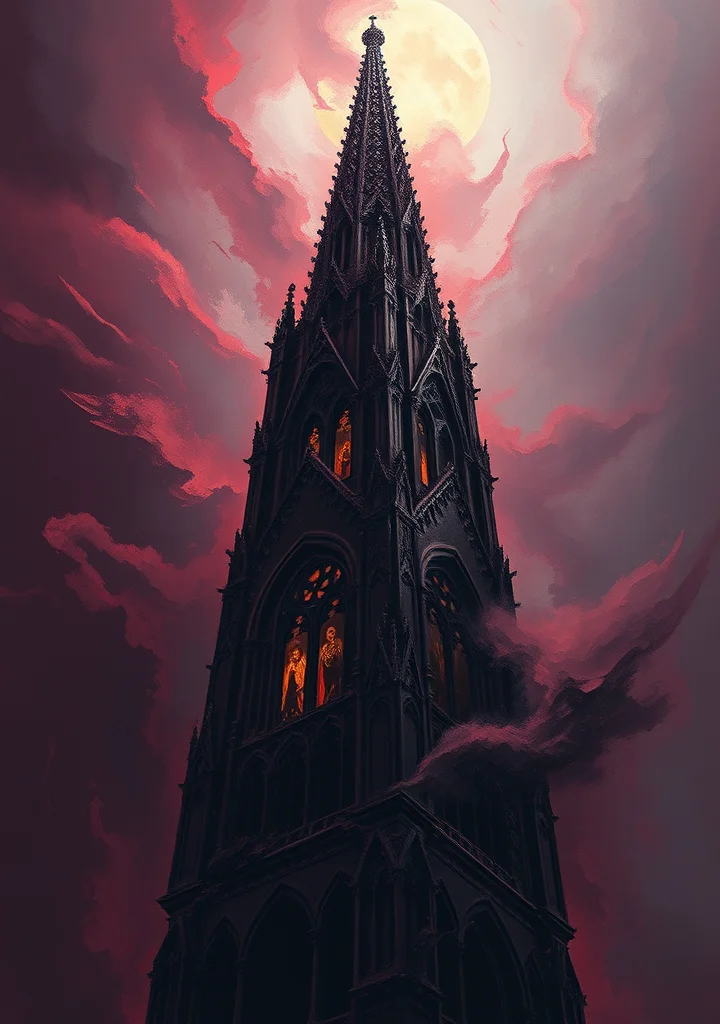
The air hangs heavy with the scent of cigar smoke and the phantom ache of lost children—a shadow of Langston, forever haunting the pages. We descend into a labyrinth of childhood trauma, the suffocating piety of Hannibal, and the insidious lure of the silver mines. The voice is not celebratory, but brittle, haunted by the weight of stories both told and untold.
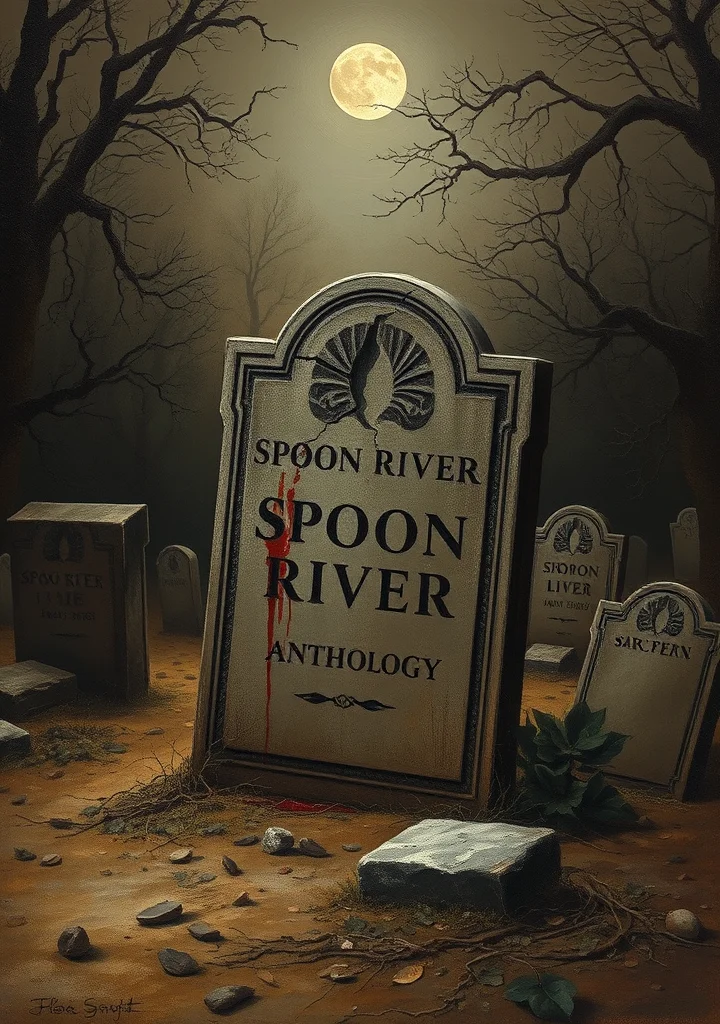
It’s a slow unraveling, less a chronicle of triumph than a meticulous cataloging of failures—failures of fathers, of love, of faith. The river itself becomes a dark mirror, reflecting not progress but a creeping rot. The very act of remembering feels like an excavation of bones, each unearthed fragment rattling with the chill of a forgotten grave. This autobiography is a confession carved in bone, a testament to the darkness that blooms within even the most celebrated of American hearts.
Copyright: Public Domain
This license allows anyone to use your story for any purpose, including printing, selling, or adapting it into a film freely.
This license allows anyone to use your story for any purpose, including printing, selling, or adapting it into a film freely.
Chapter List
-
« The Autobiography of Mark Twain »📖 Continue Reading
-
« Introduction »
-
« Preface »
-
« Chapter_5 »
-
« The Autobiography of Mark Twain »
-
« Chapter_8 »
-
« Chapter_9 »
-
« Chapter_10 »
-
« Chapter_11 »
-
« Chapter_12 »
-
« Chapter_13 »
-
« Chapter_14 »
-
« Chapter_15 »
-
« Chapter_16 »
-
« Chapter_17 »
-
« Early Days »
-
« Early Days »
-
« Jane Lampton Clemens »
-
« Chapter_21 »
-
« Jim Wolf and the Cats »
-
« Chapter_23 »
-
« Chapter_24 »
-
« Chapter_25 »
-
« Chapter_26 »
-
« Chapter_27 »
-
« Chapter_28 »
-
« The Letter »
-
« Chapter_30 »
-
« The Letter »
-
« Author’s Note »
-
« Author’s Note »
-
« Chapter_34 »
-
« Villa Quarto(Continued) »
-
« A Memory of John Hay »
-
« Chapter_37 »
-
« Chapter_38 »
-
« Chapter_39 »
-
« Chapter_40 »
-
« Chapter_41 »
-
« January 9, 1906 »
-
« January 9, 1906 »
-
« New York, January 10, 1906 »
-
« New York, January 12, 1906 »
-
« New York, January 13, 1906 »
-
« New York, January 15, 1906 »
-
« Chapter_48 »
-
« Chapter_49 »
-
« Chapter_50 »
-
« About General Sickles »
-
« Chapter_52 »
-
« New York, Thursday, January 18, 1906 »
-
« Chapter_54 »
-
« Chapter_56 »
-
« Chapter_58 »
-
« Chapter_59 »
-
« Chapter_60 »
-
« New York, February 1, 1906 »
-
« Chapter_62 »
-
« Chapter_63 »
-
« Chapter_64 »
-
« Chapter_65 »
-
« Chapter_66 »
-
« Chapter_67 »
-
« Chapter_68 »
-
« Chapter_69 »
-
« Chapter_70 »
-
« Chapter_71 »
-
« Chapter_72 »
-
« Chapter_73 »
-
« Chapter_74 »
-
« Chapter_75 »
-
« Chapter_76 »
-
« Chapter_77 »
-
« Chapter_78 »
-
« Chapter_79 »
-
« Chapter_80 »
-
« Chapter_81 »
-
« Chapter_82 »
-
« Chapter_83 »
-
« Chapter_84 »
-
« Chapter_85 »
-
« Chapter_86 »
-
« Chapter_87 »
-
« Chapter_88 »
-
« Chapter_89 »
-
« Chapter_90 »
-
« Chapter_91 »
-
« Chapter_92 »
-
« Chapter_93 »
-
« Chapter_94 »
-
« Chapter_95 »
-
« Chapter_96 »
-
« Orion Clemens Resumed »
-
« Orion Clemens Resumed »
-
« Orion Resumed »
-
« Orion Resumed »
-
« Chapter_101 »
-
« Chapter_102 »
-
« Chapter_103 »
99
-
« The Autobiography of Mark Twain »
-
« Introduction »
-
« Preface »
-
« Chapter_5 »
-
« The Autobiography of Mark Twain »
-
« Chapter_8 »
-
« Chapter_9 »
-
« Chapter_10 »
-
« Chapter_11 »
-
« Chapter_12 »
-
« Chapter_13 »
-
« Chapter_14 »
-
« Chapter_15 »
-
« Chapter_16 »
-
« Chapter_17 »
-
« Early Days »
-
« Early Days »
-
« Jane Lampton Clemens »
-
« Chapter_21 »
-
« Jim Wolf and the Cats »
-
« Chapter_23 »
-
« Chapter_24 »
-
« Chapter_25 »
-
« Chapter_26 »
-
« Chapter_27 »
-
« Chapter_28 »
-
« The Letter »
-
« Chapter_30 »
-
« The Letter »
-
« Author’s Note »
-
« Author’s Note »
-
« Chapter_34 »
-
« Villa Quarto(Continued) »
-
« A Memory of John Hay »
-
« Chapter_37 »
-
« Chapter_38 »
-
« Chapter_39 »
-
« Chapter_40 »
-
« Chapter_41 »
-
« January 9, 1906 »
-
« January 9, 1906 »
-
« New York, January 10, 1906 »
-
« New York, January 12, 1906 »
-
« New York, January 13, 1906 »
-
« New York, January 15, 1906 »
-
« Chapter_48 »
-
« Chapter_49 »
-
« Chapter_50 »
-
« About General Sickles »
-
« Chapter_52 »
-
« New York, Thursday, January 18, 1906 »
-
« Chapter_54 »
-
« Chapter_56 »
-
« Chapter_58 »
-
« Chapter_59 »
-
« Chapter_60 »
-
« New York, February 1, 1906 »
-
« Chapter_62 »
-
« Chapter_63 »
-
« Chapter_64 »
-
« Chapter_65 »
-
« Chapter_66 »
-
« Chapter_67 »
-
« Chapter_68 »
-
« Chapter_69 »
-
« Chapter_70 »
-
« Chapter_71 »
-
« Chapter_72 »
-
« Chapter_73 »
-
« Chapter_74 »
-
« Chapter_75 »
-
« Chapter_76 »
-
« Chapter_77 »
-
« Chapter_78 »
-
« Chapter_79 »
-
« Chapter_80 »
-
« Chapter_81 »
-
« Chapter_82 »
-
« Chapter_83 »
-
« Chapter_84 »
-
« Chapter_85 »
-
« Chapter_86 »
-
« Chapter_87 »
-
« Chapter_88 »
-
« Chapter_89 »
-
« Chapter_90 »
-
« Chapter_91 »
-
« Chapter_92 »
-
« Chapter_93 »
-
« Chapter_94 »
-
« Chapter_95 »
-
« Chapter_96 »
-
« Orion Clemens Resumed »
-
« Orion Clemens Resumed »
-
« Orion Resumed »
-
« Orion Resumed »
-
« Chapter_101 »
-
« Chapter_102 »
-
« Chapter_103 »
More like this