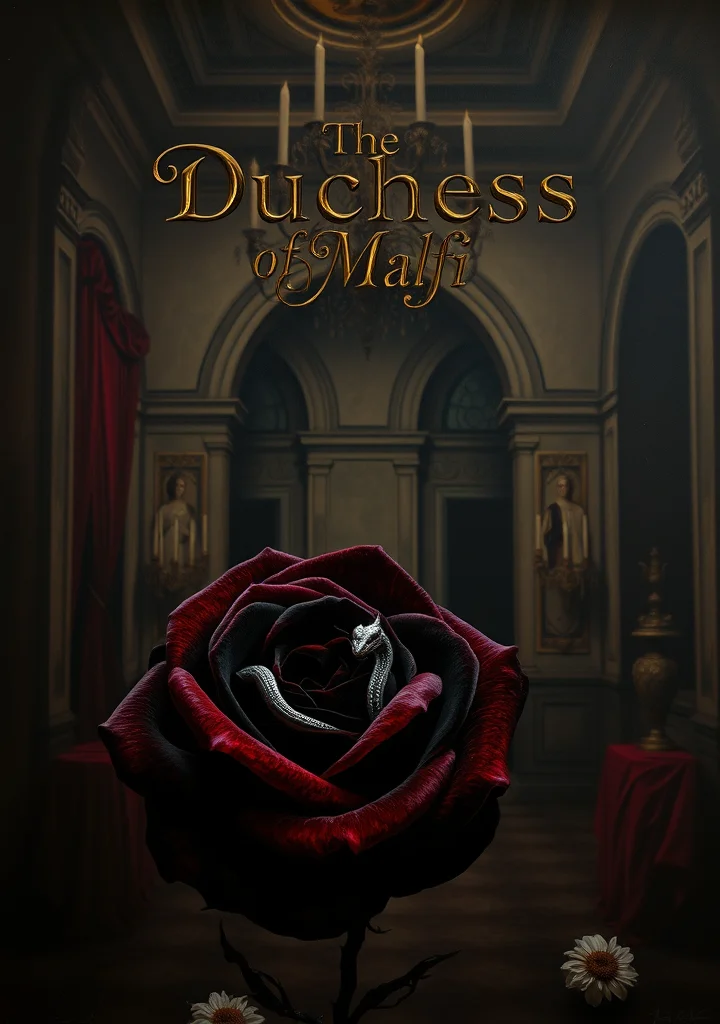

The Duchess of Malfi
  • 240
  • 0
  • 30
  • Reads 240
  • 0
  • Part 30
Completed, First published Mar 02, 2026

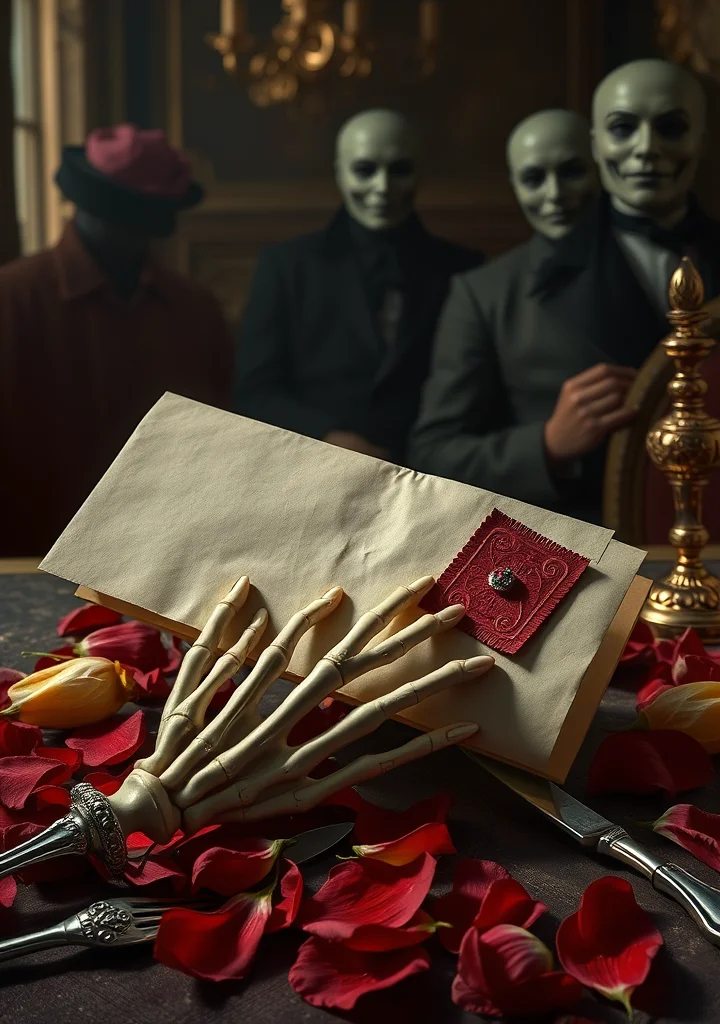
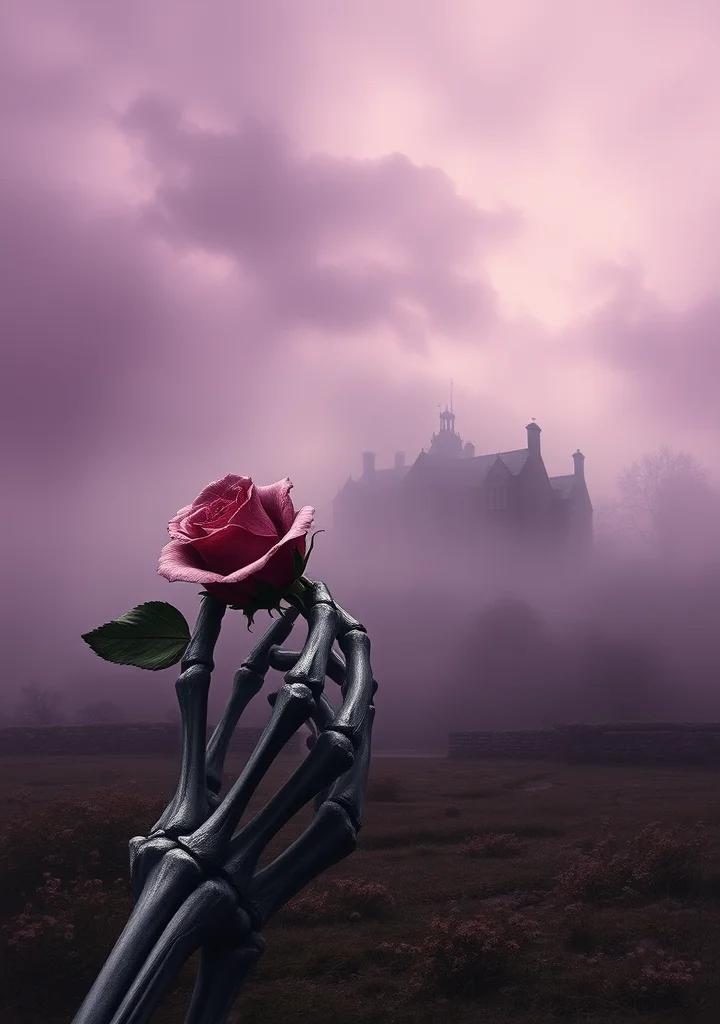
A suffocating darkness clings to the palazzo, thick with the scent of jasmine and decay. This is a story woven from shadows, where ambition breeds a venomous elegance and love is a fragile bloom choked by the thorns of courtly intrigue. The Duchess, a woman of fierce pride and shadowed longing, dares to marry below her rank, igniting a slow, deliberate unraveling of fate. Each chamber echoes with whispered accusations, each stolen embrace shadowed by the glint of a conspirator’s blade. Webster paints a world where madness dances with reason, where loyalty is a currency of blood and betrayal a silken shroud. The air is heavy with portents—skulls grinning from the banquet tables, poisoned rings exchanged with fatal grace, and the chilling lullaby of madness descending upon men consumed by jealousy. Every act of defiance is met with a tightening grip of dread, culminating in a descent into the grotesque, where the Duchess’s fate is not merely death, but a macabre exhibition of power’s cruel dominion. The final scenes bleed into a suffocating claustrophobia, haunted by the echoes of a stolen heart and the chilling weight of a legacy built on vengeance. It is a tragedy steeped in the perfume of rot, a testament to the corrupting influence of ambition, and a descent into a darkness that clings to the very stones of the Malfi palace long after the last breath is drawn.


Copyright: Public Domain
This license allows anyone to use your story for any purpose, including printing, selling, or adapting it into a film freely.
Recommended for you
20 Part
A creeping dread clings to the salt-laced air of Blackwood Isle, where the crumbling manor of the Virgins stands sentinel against a bruised, perpetual twilight. Old Man Hemlock, the last of the island’s keepers, speaks in whispers of eleven daughters swallowed by the sea, each vanishing on her wedding night. They say the manor demands a bride—a virgin, untouched—to feed the ravenous hunger of its stone foundations. The latest ward, Elara, arrives not as a willing sacrifice, but a desperate castaway fleeing a mainland shame. But Blackwood Isle offers no true refuge, only a slow, suffocating unraveling. Shadows twist into the shapes of drowned girls in the manor’s echoing halls. The scent of brine and decay clings to every breath, and the rhythmic crash of waves against the cliffs feels less like a natural rhythm than a heartbeat counting down to Elara’s own watery demise. Each night, the manor’s hunger swells, manifesting as phantom touches, icy currents, and the haunting scent of lilies. The portraits of the lost Virgins seem to watch Elara with vacant, accusatory eyes, their painted smiles promising not salvation, but an endless descent into the cold embrace of the sea. Is Elara fleeing a sin, or walking willingly into the jaws of Blackwood’s ancient, monstrous appetite? The truth, like the Isle itself, is shrouded in a fog of salt and sorrow, promising a chilling revelation born of salt-stained lace and the ghosts of forgotten vows.
15 Part
A suffocating mist clings to the crumbling stone of Wollaston’s world, a landscape haunted by the ghosts of reason abandoned. This is not a tale of spectral apparitions, but of a rot within the very bone of existence, where the boundaries between the natural world and the fracturing psyche dissolve. The narrative unfolds like a slow poisoning, tracing the decay of a man’s faith not through divine revelation, but through the cold, clinical dissection of the world’s mechanics. Every wildflower dissected, every star’s trajectory charted, feels less a discovery and more an incision – revealing not the hand of God, but the gaping void where devotion once resided. A pervasive dread settles not in grand, theatrical horrors, but in the meticulous observation of decay. The prose mirrors the era’s obsession with precision, yet each measured sentence feels like a tightening noose. Sunlight here is not a promise of warmth, but a harsh glare exposing the barrenness of a landscape stripped of all comfort. It is a study in isolation, not of hermits in remote cabins, but of a consciousness slowly entombed within the suffocating rationality of its own design. The silence isn’t emptiness, but the stifled scream of a soul observing its own extinction. The air itself tastes of ash and the scent of dried herbs, hinting at a morbid alchemy where the pursuit of natural law becomes a ritual of self-annihilation. One reads not to understand a religion, but to witness the unraveling of one man’s mind as he methodically charts his descent into the barren, unforgiving wilderness of a godless universe.
70 Part
A creeping dread settles over the marshlands of Anglia, mirroring the slow rot within the bones of its last kings. Morris weaves a tale not of glorious battle, but of a world drowning—not in water alone, but in the melancholic decay of forgotten gods and the venomous whispers of those who would usurp them. The narrative clings to the peat bogs like a clinging mist, smelling of salt and brine, of drowned things and the iron tang of blood. Villages vanish beneath encroaching tides, their stone foundations swallowed by the relentless grey, while within crumbling halls, the remnants of a fractured kingdom barter with shadow-things for survival. Each chapter feels like a descent into a waterlogged grave, the prose thick with the weight of loss and the insidious bloom of fungal blooms on rotting timbers. The sun, when it dares to appear, casts no warmth, only long, skeletal shadows stretching across the drowned fields. A sense of inevitable collapse permeates every line; not a heroic struggle against fate, but a mournful acceptance of its glacial, crushing embrace. The flood isn’t merely a rising water level, but a fracturing of the world itself, revealing the skeletal truths of a land consumed by its own melancholic past. The voices that linger are not those of the living, but the drowned echoes of kings, lovers, and children, murmuring from beneath the surface, beckoning the reader to join them in the cold, suffocating embrace of the sundering flood.