
-
Read 544
-
0
-
Part 36
Completed, First published Mar 02, 2026
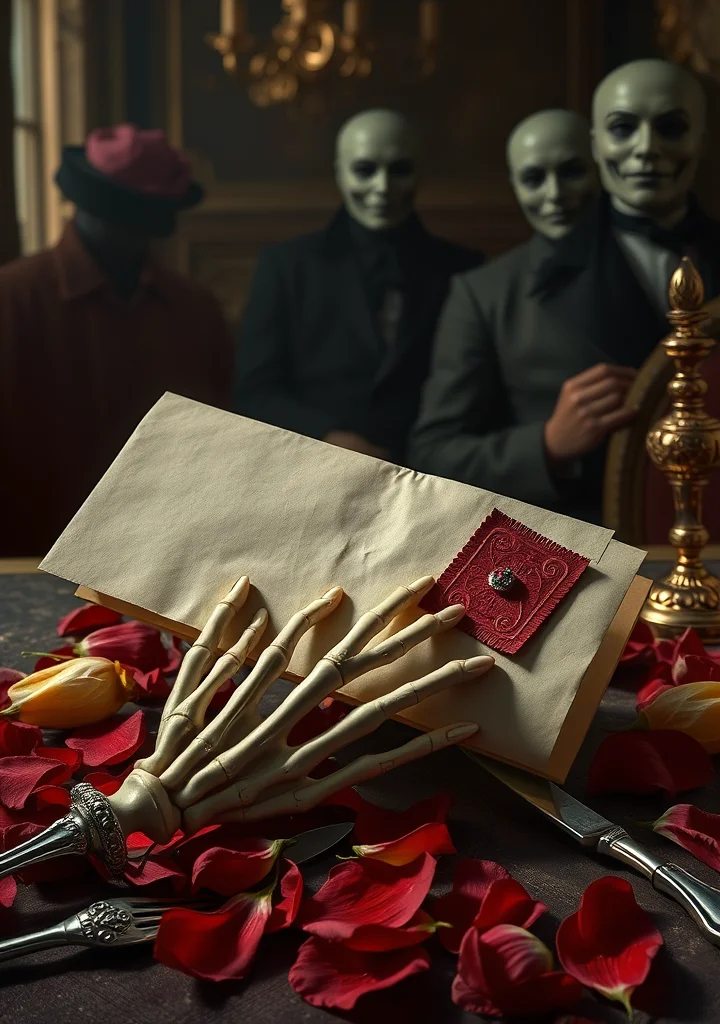
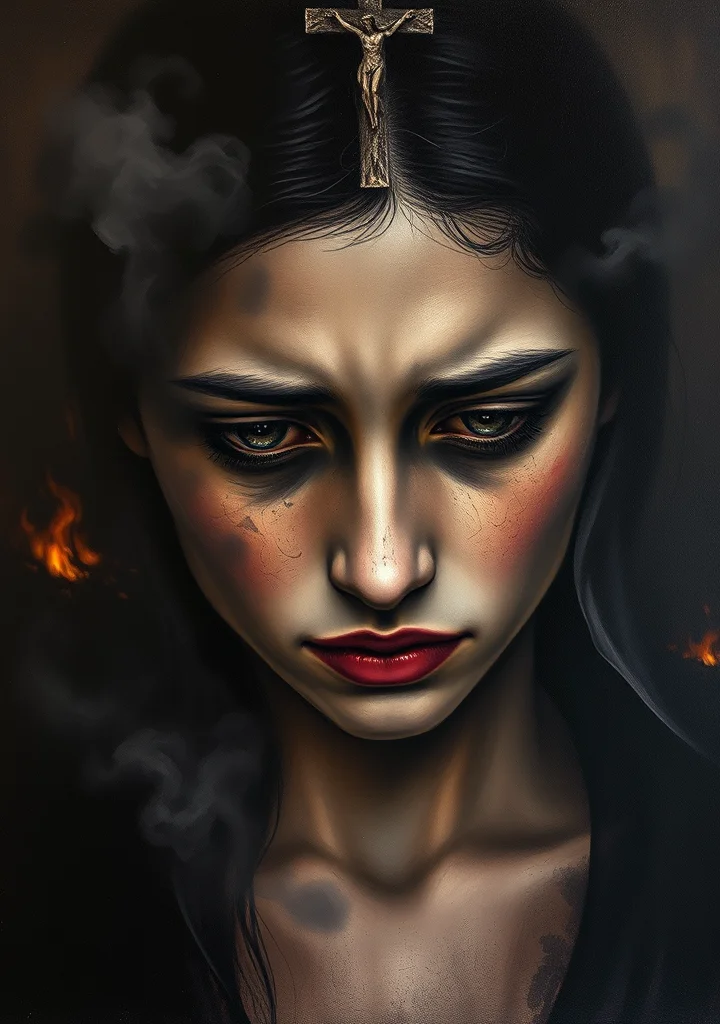
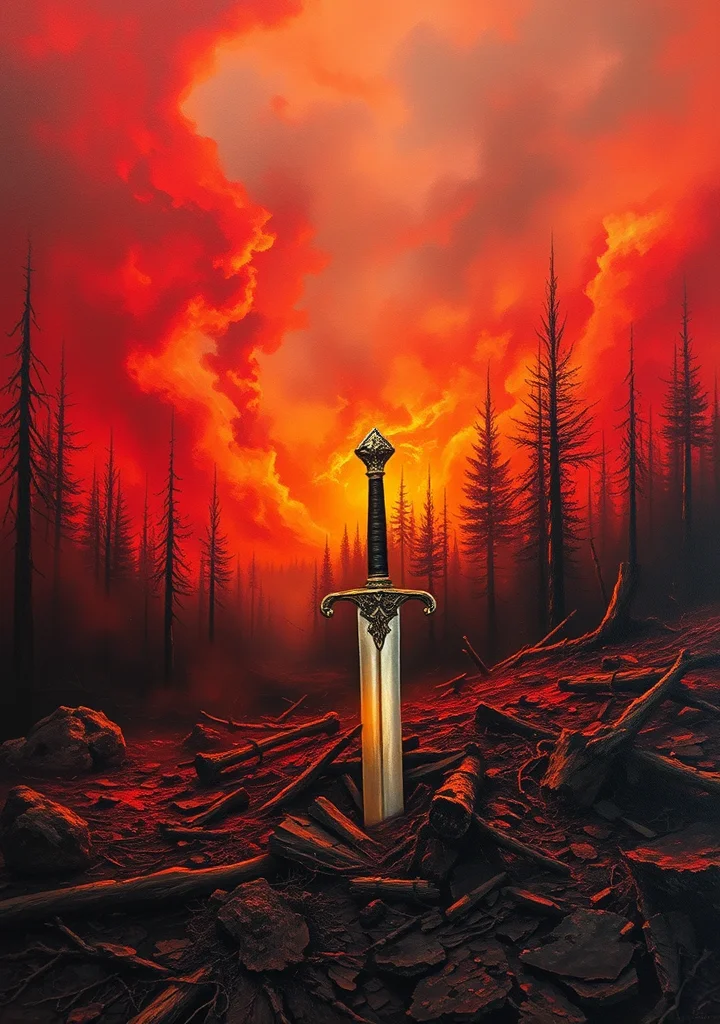
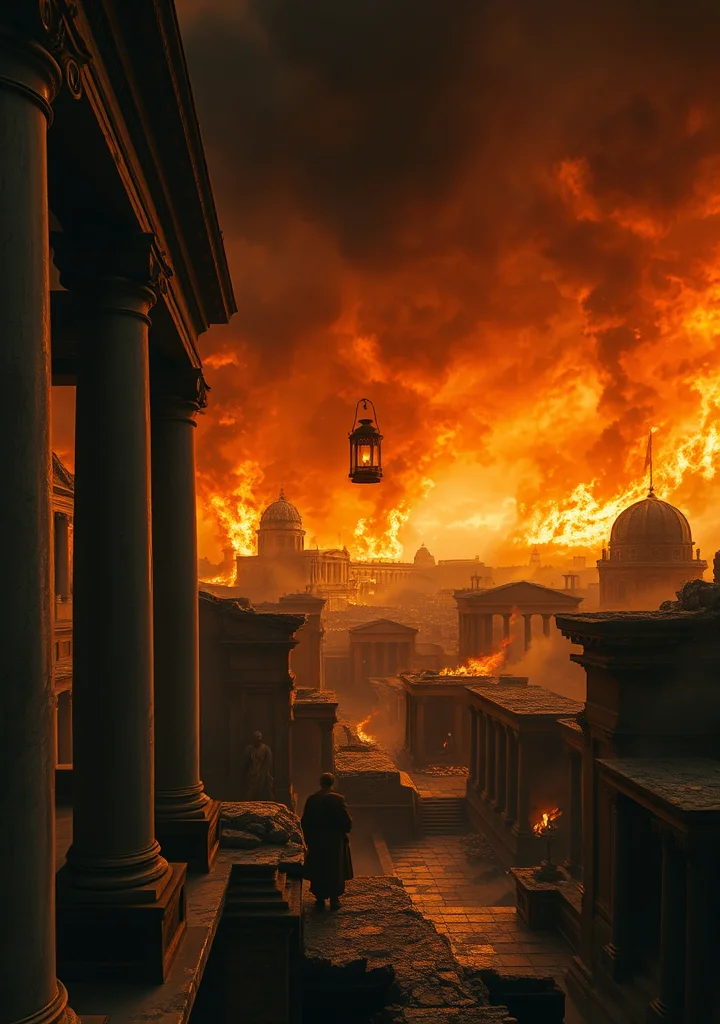
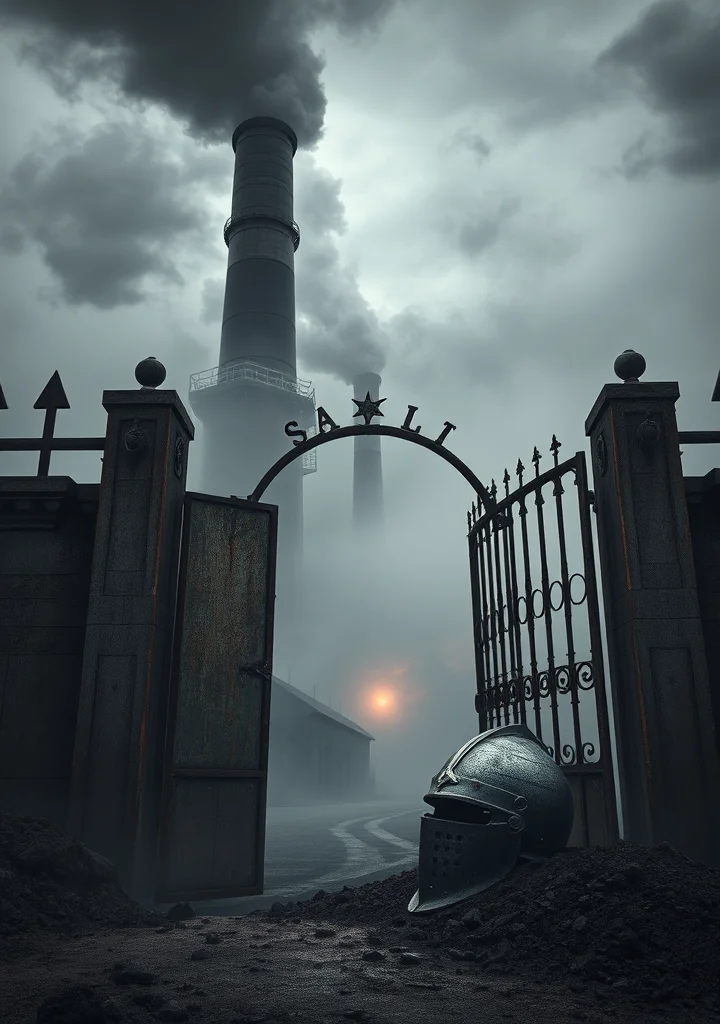
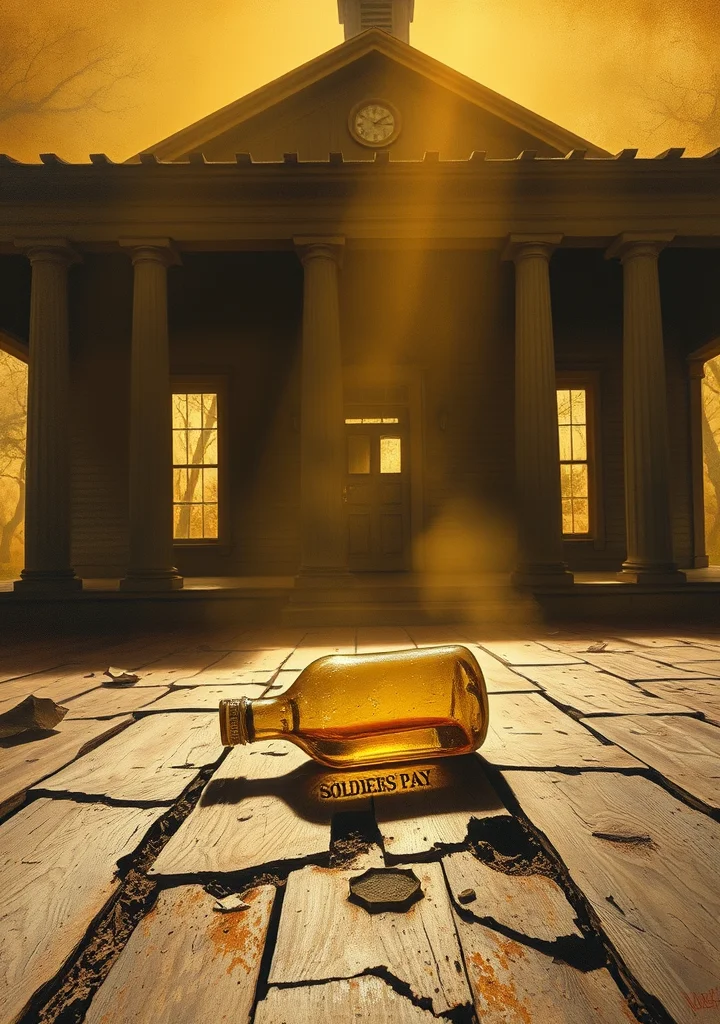
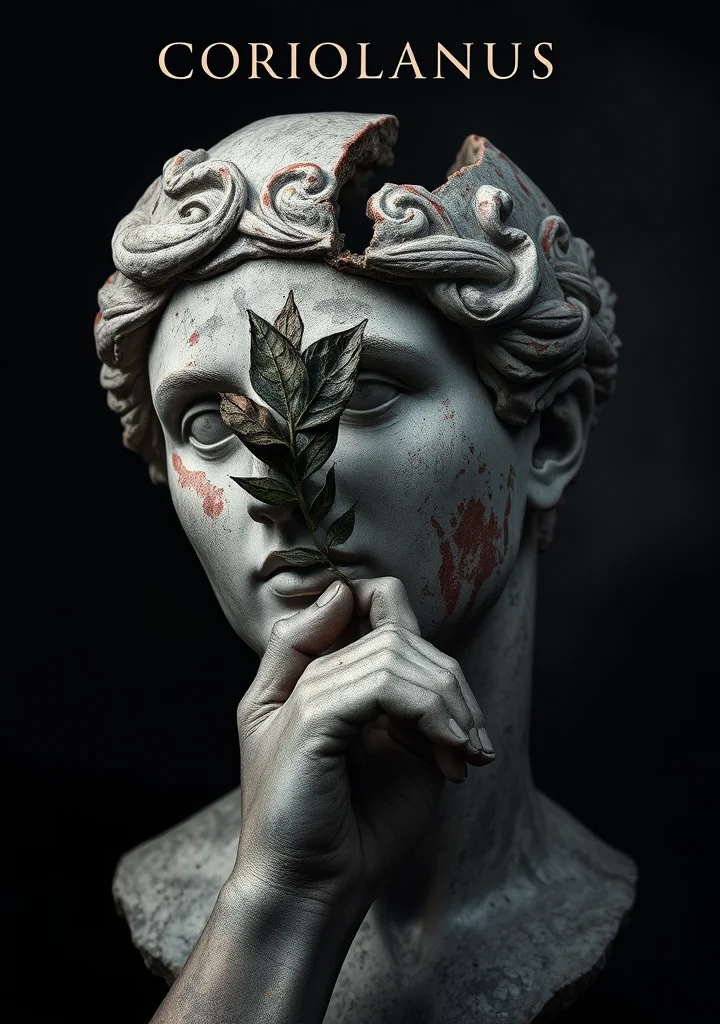
Dust motes dance in the shadowed halls of Rome, mirroring the ambition that curdles within Coriolanus’ breast. This is a tale not of heroism, but of a man carved from granite and pride, a soldier’s heart beating in a politician’s frame. The city itself breathes with decay, its grandeur masking a rot of entitlement and simmering resentment. Each victory leaves a stain of ash, each defiance a whisper of rebellion building in the darkness.
The narrative clings to the chill of marble statues and the iron tang of spilled blood. Silence is a weapon, wielded by those who watch Coriolanus rise and fall, their faces etched with envy and fear. A suffocating atmosphere of ritualistic obedience—the echoing demands for humility he cannot yield—presses upon him until his very name becomes a curse.
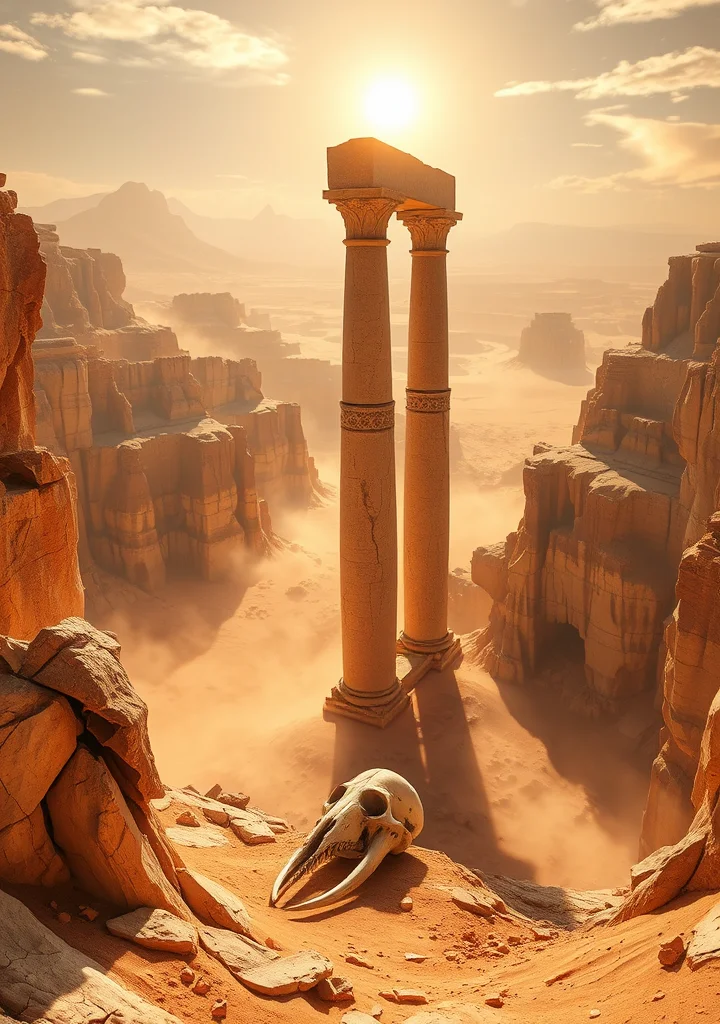
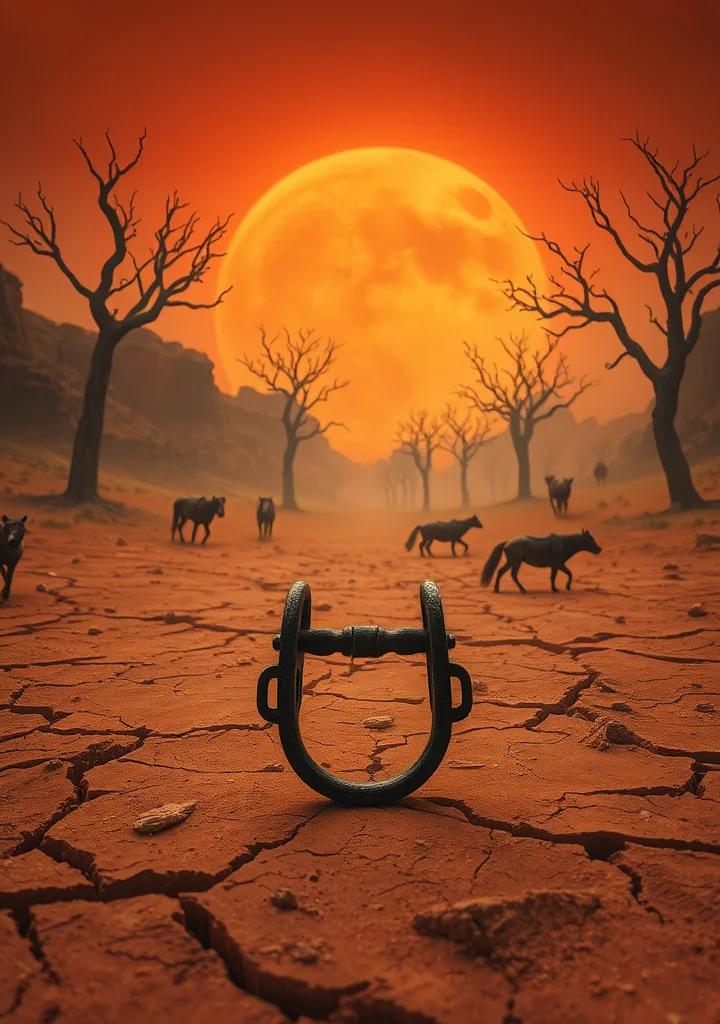
The streets are not paved with gold, but with the broken bones of those who dared to question his authority. The weight of lineage, of entitlement, becomes a physical burden, a tightening noose around his throat as he’s forced to choose between honor and survival. A creeping dread permeates every scene, as if the very stones of Rome are plotting against him, waiting to swallow his legacy whole. The final act descends into a bleak, lunar landscape of broken oaths and shattered pride, leaving only the hollow echo of a man who dared to stand alone against a city consumed by its own hunger.
Copyright: Public Domain
This license allows anyone to use your story for any purpose, including printing, selling, or adapting it into a film freely.
This license allows anyone to use your story for any purpose, including printing, selling, or adapting it into a film freely.
Chapter List
-
« Coriolanus »📖 Continue Reading
-
« Dramatis Personae »
-
« ActI »
-
« SceneI »
-
« SceneII »
-
« SceneIII »
-
« SceneIV »
-
« SceneV »
-
« SceneVI »
-
« SceneVII »
-
« SceneVIII »
-
« SceneIX »
-
« SceneX »
-
« ActII »
-
« SceneI »
-
« SceneII »
-
« SceneIII »
-
« ActIII »
-
« SceneI »
-
« SceneII »
-
« SceneIII »
-
« ActIV »
-
« SceneI »
-
« SceneII »
-
« SceneIII »
-
« SceneIV »
-
« SceneV »
-
« SceneVI »
-
« SceneVII »
-
« ActV »
-
« SceneI »
-
« SceneII »
-
« SceneIII »
-
« SceneIV »
-
« SceneV »
-
« SceneVI »
36
-
« Coriolanus »
-
« Dramatis Personae »
-
« ActI »
-
« SceneI »
-
« SceneII »
-
« SceneIII »
-
« SceneIV »
-
« SceneV »
-
« SceneVI »
-
« SceneVII »
-
« SceneVIII »
-
« SceneIX »
-
« SceneX »
-
« ActII »
-
« SceneI »
-
« SceneII »
-
« SceneIII »
-
« ActIII »
-
« SceneI »
-
« SceneII »
-
« SceneIII »
-
« ActIV »
-
« SceneI »
-
« SceneII »
-
« SceneIII »
-
« SceneIV »
-
« SceneV »
-
« SceneVI »
-
« SceneVII »
-
« ActV »
-
« SceneI »
-
« SceneII »
-
« SceneIII »
-
« SceneIV »
-
« SceneV »
-
« SceneVI »
More like this