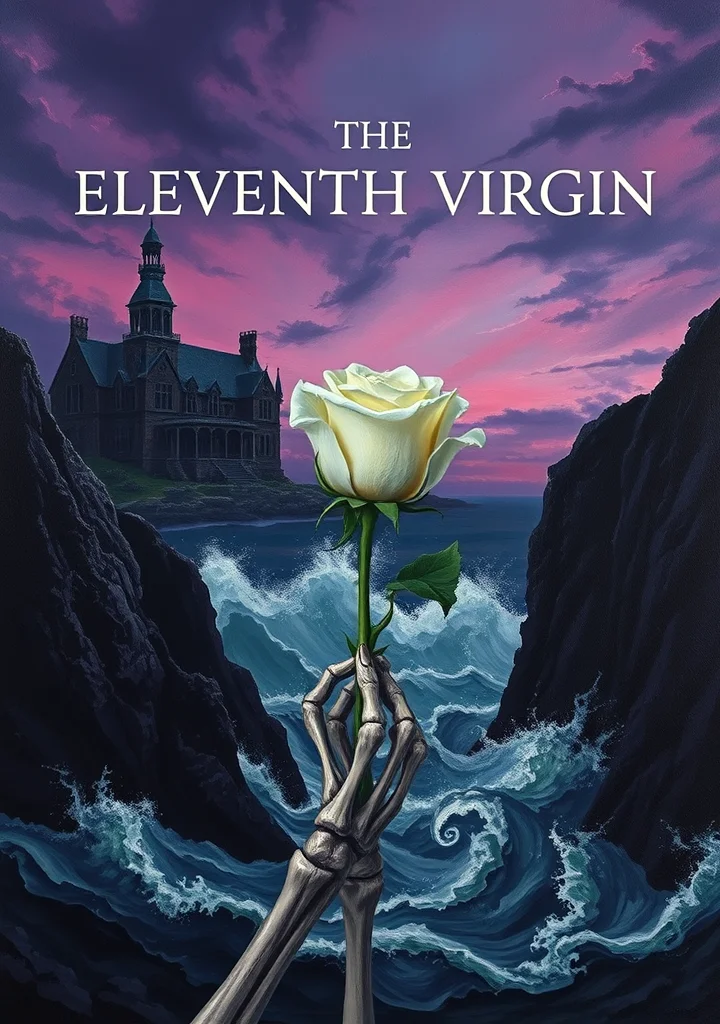

The Eleventh Virgin
  • 113
  • 0
  • 20
  • Reads 113
  • 0
  • Part 20
Completed, First published Mar 02, 2026

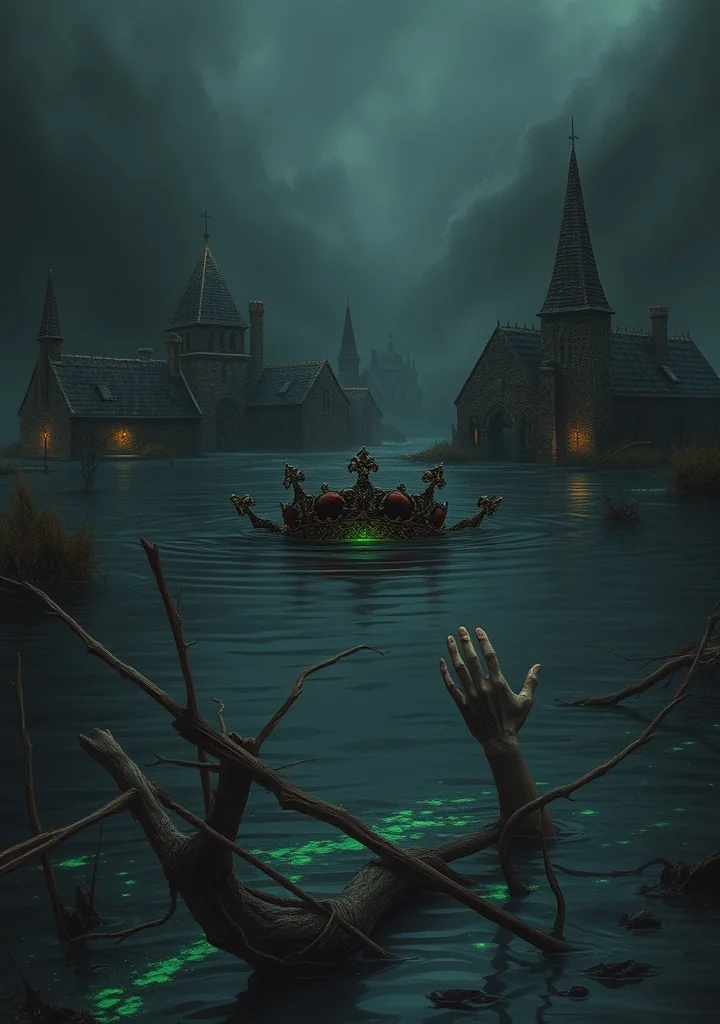
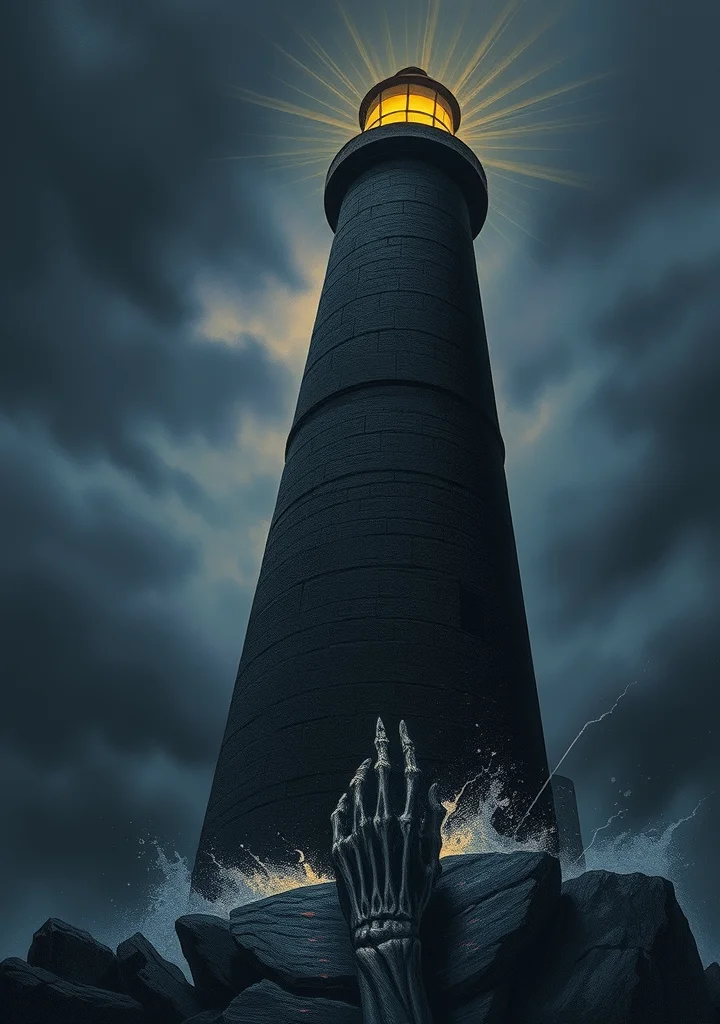
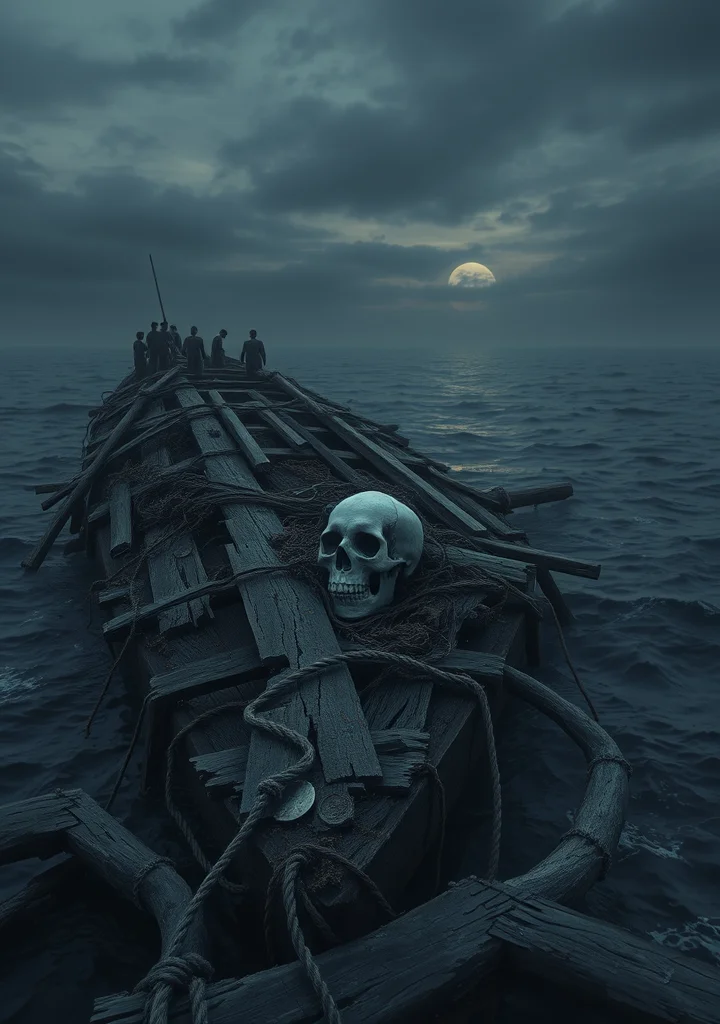
A creeping dread clings to the salt-laced air of Blackwood Isle, where the crumbling manor of the Virgins stands sentinel against a bruised, perpetual twilight. Old Man Hemlock, the last of the island’s keepers, speaks in whispers of eleven daughters swallowed by the sea, each vanishing on her wedding night. They say the manor demands a bride—a virgin, untouched—to feed the ravenous hunger of its stone foundations. The latest ward, Elara, arrives not as a willing sacrifice, but a desperate castaway fleeing a mainland shame. But Blackwood Isle offers no true refuge, only a slow, suffocating unraveling. Shadows twist into the shapes of drowned girls in the manor’s echoing halls. The scent of brine and decay clings to every breath, and the rhythmic crash of waves against the cliffs feels less like a natural rhythm than a heartbeat counting down to Elara’s own watery demise. Each night, the manor’s hunger swells, manifesting as phantom touches, icy currents, and the haunting scent of lilies. The portraits of the lost Virgins seem to watch Elara with vacant, accusatory eyes, their painted smiles promising not salvation, but an endless descent into the cold embrace of the sea. Is Elara fleeing a sin, or walking willingly into the jaws of Blackwood’s ancient, monstrous appetite? The truth, like the Isle itself, is shrouded in a fog of salt and sorrow, promising a chilling revelation born of salt-stained lace and the ghosts of forgotten vows.
Copyright: Public Domain
This license allows anyone to use your story for any purpose, including printing, selling, or adapting it into a film freely.
Recommended for you
26 Part
A creeping dread permeates the Siberian salt mines, where the air hangs thick with the ghosts of ambition and despair. Here, amidst the brutal calculus of exile, men are stripped not of their lives, but of their names, their histories, their very humanity. The narrative coils around a nameless narrator, a gentleman condemned to this frozen hell for a crime barely remembered, a sin buried beneath layers of bureaucratic indifference and the suffocating weight of the steppe. The narrative isn't merely a chronicle of survival, but a descent into the fractured psyche of men driven to madness by confinement and the absence of hope. Each cell becomes a confessional, each inmate a decaying testament to a past life—a merchant, a nobleman, a thief—now reduced to shivering shadows haunting the echoing corridors of the mine. A pervasive sense of claustrophobia clings to the prose, mirroring the tunnels that burrow into the earth and into the souls of those entombed within. The light is a dying ember, barely warding off the encroaching darkness that seeps into every corner of the narrative. It is a world where the boundaries between the living and the dead blur, where the true horror lies not in the physical torment, but in the slow, agonizing erosion of the spirit, a descent into a hollowed-out existence mirroring the very earth that claims them all. The house itself is not stone and mortar, but the collective grief and decay of every man condemned to its icy embrace.

37 Part
A creeping dread clings to the shadowed forests of colonial New York, where the boundaries of civilization fray into a wilderness haunted by loss and the ghosts of broken treaties. The air hangs thick with woodsmoke and the scent of pine, heavy with the weight of a dying wilderness and the specter of a brutal, unforgiving war. Here, amidst the towering pines and mist-veiled lakes, a fractured narrative unfolds – not of heroes triumphant, but of figures consumed by the encroaching darkness. The narrative isn't merely observed, it *bleeds* into the landscape; the very stones seem to weep with the agony of the Mohicans’ slow, agonizing disappearance. A desperate flight through a world perpetually twilight, where the rustling leaves whisper of ambush and every shadow conceals a potential grave. The story coils around the fate of a handful of souls – a stoic scout, haunted by the inevitability of his people's extinction, and the fragile bloom of love blossoming amidst the wreckage of a continent torn asunder. It is a fever dream of desperate courage, shadowed by the encroaching doom of a vanishing people. The beauty of the wilderness is not a sanctuary, but a gilded cage – a breathtaking spectacle before the final, inevitable fall into oblivion. The narrative is woven with the chilling cadence of a world fading into silence, where every victory feels like a reprieve, not a triumph, and every glance into the heart of the forest reveals a glimpse of what is lost, and what will *never* return. The reader is left with the taste of ash and the echo of a vanishing song.