
Jibby Jones
  • 130
  • 0
  • 25
  • Reads 130
  • 0
  • Part 25
Completed, First published Mar 02, 2026

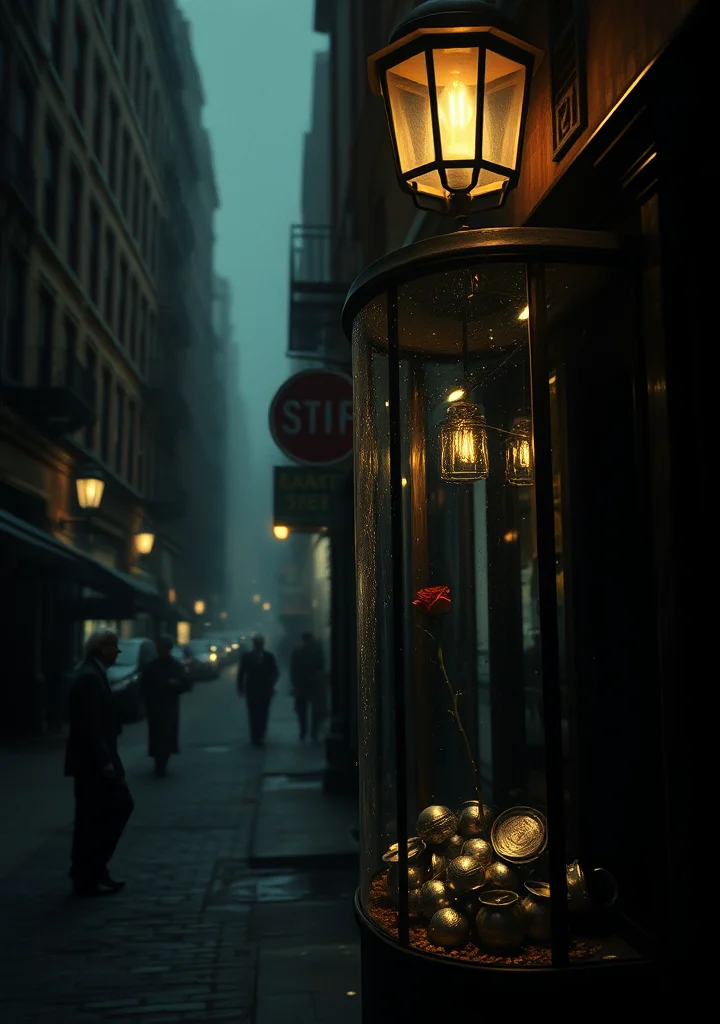
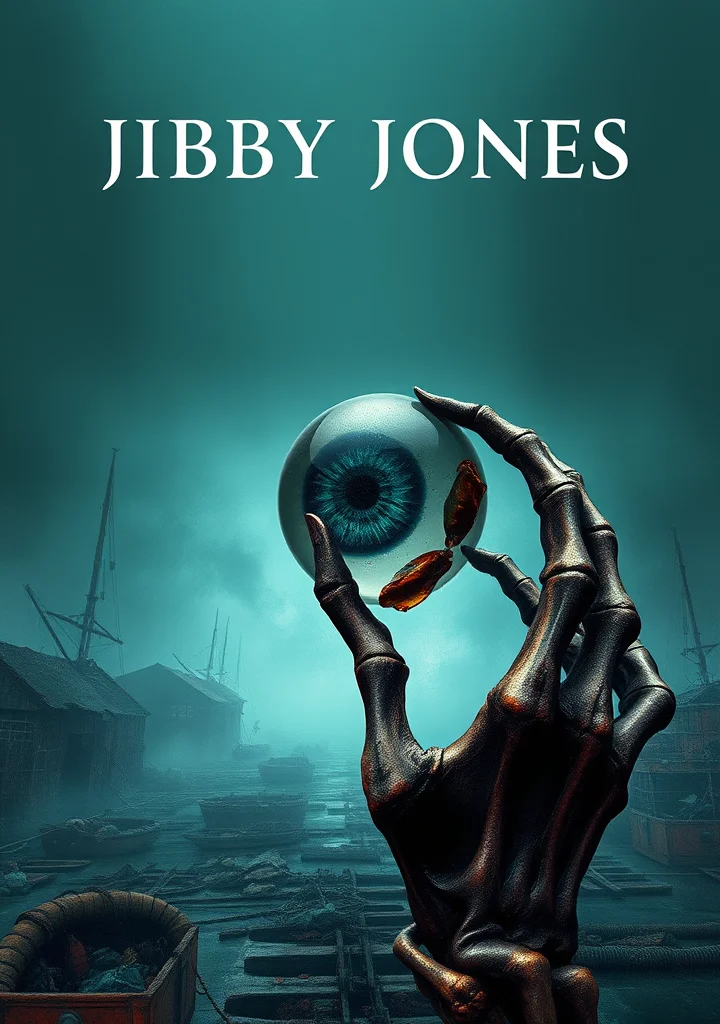
The salt-laced fog clings to the crumbling wharves of Port Dusk, mirroring the decay within old Jibby Jones himself. He haunts the shadowed alleys, a spectral peddler of “lucky” trinkets – bone charms, tarnished silver teeth, and glass eyes salvaged from drowned sailors. But luck in Port Dusk is a bargain struck with something ancient and hungry, and Jibby’s wares whisper of bargains gone sour. The narrative unfolds in layers of brine and regret, each chapter smelling of mildew and drowned linen. The town itself breathes with a slow, suffocating dread; buildings lean like skeletal fingers, and lamplight spills across cobbled streets revealing only fleeting glimpses of things best left unseen. Butler weaves a story of desperate men trading pieces of their souls for a fleeting reprieve from the sea’s cold embrace. The true horror isn't in the grotesque curios Jibby offers, but in the quiet desperation of those who *need* them. Each purchase unravels another thread of sanity, exposing the rot beneath Port Dusk's veneer. The air thickens with the scent of brine and decay, mirroring the slow, agonizing unraveling of Jibby’s own haunted past, revealed through fragmented memories and the unsettling reflections in his glass-eyed wares. A creeping dread that clings to the skin long after the final page is turned.
Copyright: Public Domain
This license allows anyone to use your story for any purpose, including printing, selling, or adapting it into a film freely.
Recommended for you
18 Part
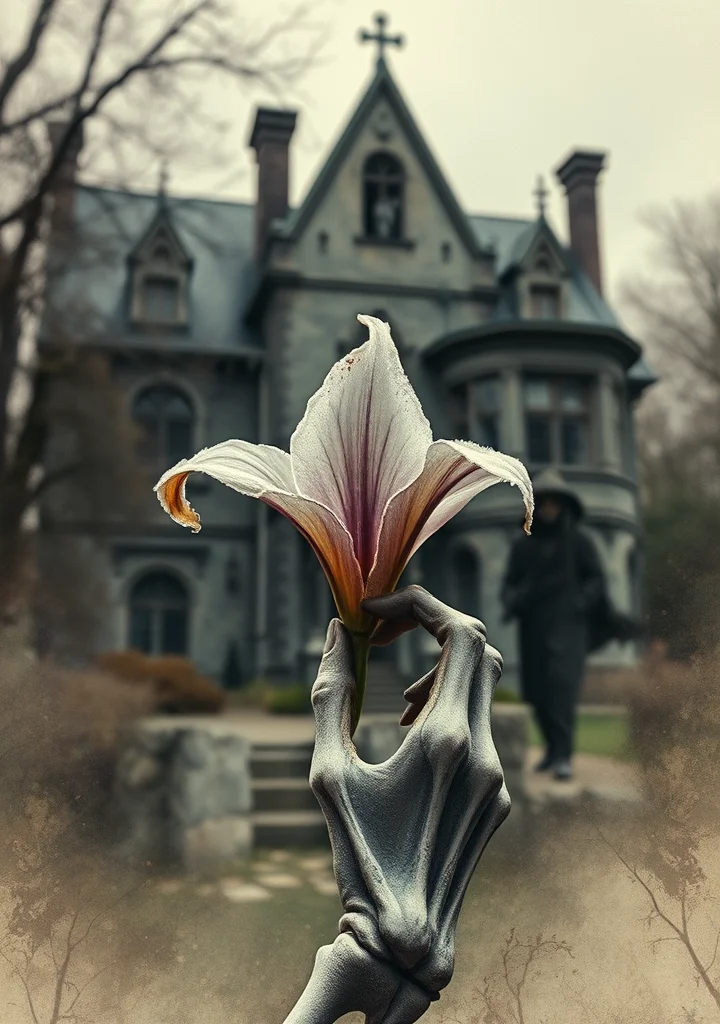
Dust hangs thick in the hollows of Havenwood, clinging to the shadowed eaves and rotting lace of the old Dunbar place. The air itself tastes of iron and regret, a perpetual twilight bleeding from the cypress swamps surrounding the crumbling mansion. Here, secrets aren’t whispered, they are *felt*—pressed against your skin like a cold hand, rising from the earth with the scent of magnolia and decay. Old Man Dunbar, they say, didn't die of fever, but of something *called* to him from the bayou, something hungry for the living breath of the house. His son, the narrator, returns to settle the estate, only to find Havenwood less a home and more a tomb, echoing with the phantom cries of those who vanished into the swamp’s embrace. Every floorboard groans with unseen footsteps, every window pane reflects a face not his own. The darkness isn't merely absence of light; it’s a presence—a suffocating weight of memory and malice. He discovers a lineage steeped in shadowed bargains, a pact made with the swamp's ancient heart. The further he delves into his father's final days, the more Havenwood seems to breathe with a life of its own, drawing him into the mire of its history. The uncalled come not as specters, but as whispers in the reeds, as faces in the water, as the slow, creeping rot that consumes all things left too long in the shadow of Havenwood. The swamp doesn’t just claim its victims; it *remembers* them, weaving their despair into the very fabric of the house, until the line between the living and the lost dissolves entirely.
32 Part
The salt-laced wind howls through skeletal chaparral, mirroring the desperation clawing at the throats of men adrift in a California bleached bone-white by sun and regret. Edison Marshall doesn’t offer cowboys or gunfights, but a creeping dread born of isolation, of land that swallows men whole and spits out their ghosts to wander the canyons. Here, the ranchers—the “shepherds”—are less masters of cattle than wardens of a crumbling dominion, haunted by the specter of Spanish conquest and the whispers of native spirits driven to madness. Dust devils dance with the memories of slaughtered herds, the phantom cries of women lost to the desert’s embrace. The narrative unfolds as a slow bleed of violence, not from quick draws but from the rot within families fractured by ambition and thirst. Every cracked adobe wall breathes with the weight of inherited sins, every shadow cast by a Joshua tree seems to lengthen into the shape of a noose. The land itself is a character—a vast, indifferent god demanding sacrifice. The men who cling to it, driven by a desperate need to build something lasting from dust and decay, are shadowed by the realization that they are building their tombs, not empires. This isn't a tale of the West won, but of the West *consuming*, leaving only hollowed men and the bleached bones of a kingdom built on sand. The air is thick with the scent of sage and the metallic tang of blood, both old and freshly spilled, clinging to the canyons like a shroud.
2014 Part
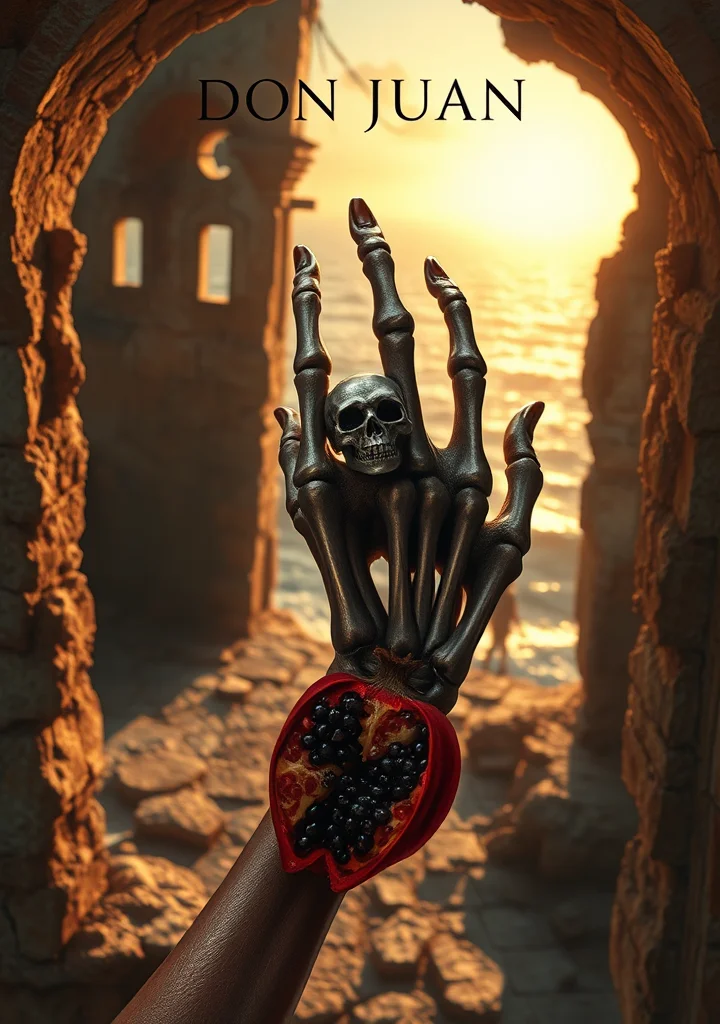
A chill wind whispers through sun-bleached Spanish ruins, carrying the scent of brine and decay. Don Juan is not merely a man, but a shadow stretched long across a continent, a fever dream of indulgence and disillusionment. His journey is one of restless flight, not from justice, but from the suffocating weight of a world built on hypocrisy. Each port, each encounter, peels back another layer of gilded rot, revealing a darkness that clings to him like the salt spray on a decaying mast. The narrative unravels through fractured confessions, a labyrinth of wit and weariness where cynicism blooms like night-blooming cereus. Every smile is a reprieve from a deeper, unspoken grief; every embrace, a fleeting warmth against an encroaching cold. The Mediterranean burns with a feverish brilliance, mirroring the protagonist’s own self-consuming passions, while the echoes of battles – both won and lost – resonate in the hollow chambers of his heart. He drifts through aristocratic salons and Moorish harems, a phantom observer caught between desire and despair. The sea itself seems to conspire with his melancholic fate, drawing him towards a horizon perpetually shrouded in mist. His is a tale of exquisite ruin, where beauty and brutality intertwine, leaving the reader adrift in a sea of unanswered questions and the lingering scent of jasmine and gunpowder. A perpetual twilight clings to his existence, a haunting reminder that even the most dazzling brilliance casts the longest shadows.