
-
Read 552
-
0
-
Part 38
Completed, First published Mar 02, 2026
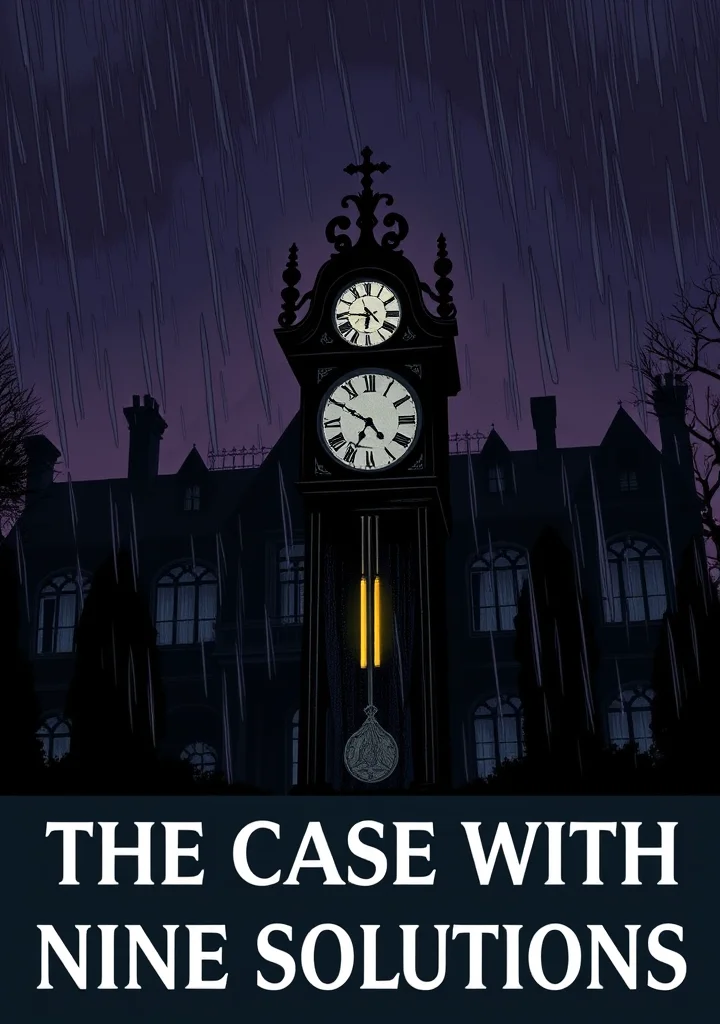
A creeping dread clings to the brownstone steps of Brooklyn Heights, thick as the November fog. Cole’s narrative unfolds not as a whodunit, but as a slow bleed of rot into the very foundations of respectability. Each murder—precise, ritualistic, and echoing with the hollow resonance of forgotten things—unearths not clues, but layers of shadowed history within the borough’s brick and iron. The investigation itself becomes a descent into a labyrinth of decaying mansions and gaslit alleys, haunted by the whispers of the dead and the suffocating weight of secrets.
The air tastes of brine and old money, tainted by the metallic tang of blood. Rain slicks the cobblestones, reflecting the lamplight in fractured, spectral shapes. Witnesses are not forthcoming with answers, but with averted eyes and mumbled prayers. A suffocating sense of inevitability pervades, as if the killings are not aberrations but the inevitable culmination of a dark covenant made long ago, woven into the very fabric of the city’s ambition.
The detective, haunted by visions of his own failures, walks a tightrope between sanity and the abyss, mirroring the city’s descent into a feverish, melancholic dream. Each discovered body is less a crime scene, and more a morbid tableau—a perverse echo of a past tragedy. The narrative doesn’t reveal answers, but exposes the raw, vulnerable nerve of a city built on the bones of its own ghosts, a place where the darkness doesn’t just fall, but *breathes*.
Copyright: Public Domain
This license allows anyone to use your story for any purpose, including printing, selling, or adapting it into a film freely.
This license allows anyone to use your story for any purpose, including printing, selling, or adapting it into a film freely.
Chapter List
-
« G. D. H. Cole »📖 Continue Reading
-
« I »
-
« II »
-
« III »
-
« IV »
-
« V »
-
« VI »
-
« VII »
-
« VIII »
-
« IX »
-
« X »
-
« XI »
-
« XII »
-
« XIII »
-
« XIV »
-
« XV »
-
« XVI »
-
« XVII »
-
« XVIII »
-
« XIX »
-
« XX »
-
« XXI »
-
« XXII »
-
« XXIII »
-
« XXIV »
-
« XXV »
-
« XXVI »
-
« XXVII »
-
« XXVIII »
-
« XXIX »
-
« XXX »
-
« XXXI »
-
« XXXII »
-
« XXXIII »
-
« XXXIV »
-
« XXXV »
-
« XXXVI »
-
« XXXVII »
38
-
« G. D. H. Cole »
-
« I »
-
« II »
-
« III »
-
« IV »
-
« V »
-
« VI »
-
« VII »
-
« VIII »
-
« IX »
-
« X »
-
« XI »
-
« XII »
-
« XIII »
-
« XIV »
-
« XV »
-
« XVI »
-
« XVII »
-
« XVIII »
-
« XIX »
-
« XX »
-
« XXI »
-
« XXII »
-
« XXIII »
-
« XXIV »
-
« XXV »
-
« XXVI »
-
« XXVII »
-
« XXVIII »
-
« XXIX »
-
« XXX »
-
« XXXI »
-
« XXXII »
-
« XXXIII »
-
« XXXIV »
-
« XXXV »
-
« XXXVI »
-
« XXXVII »
More like this