
-
Read 486
-
0
-
Part 39
Completed, First published Mar 02, 2026
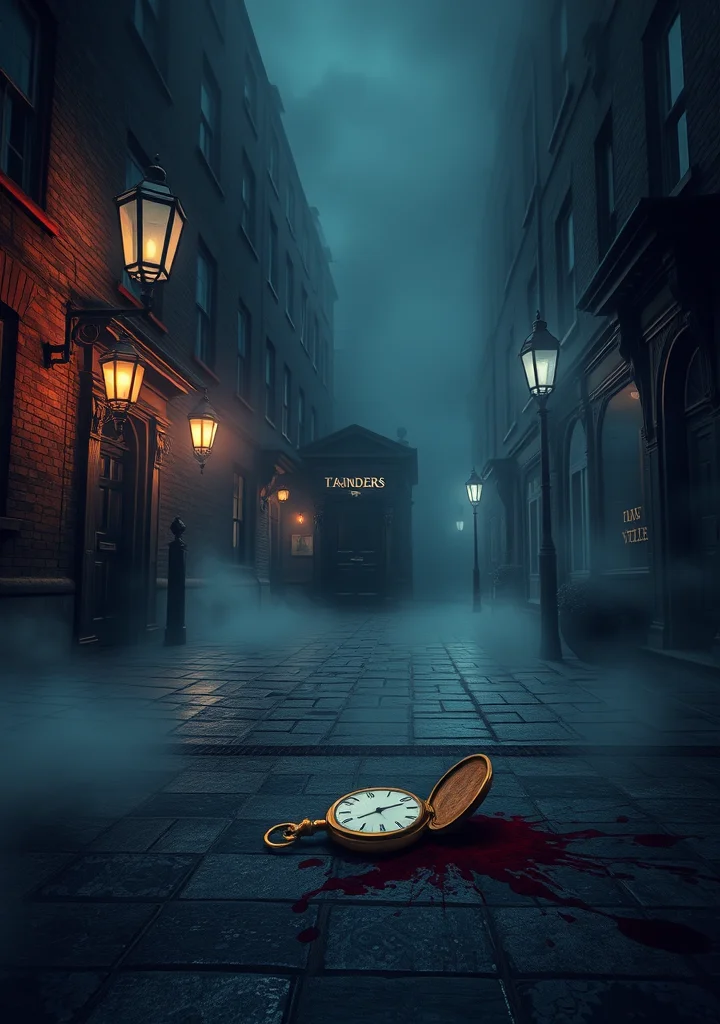
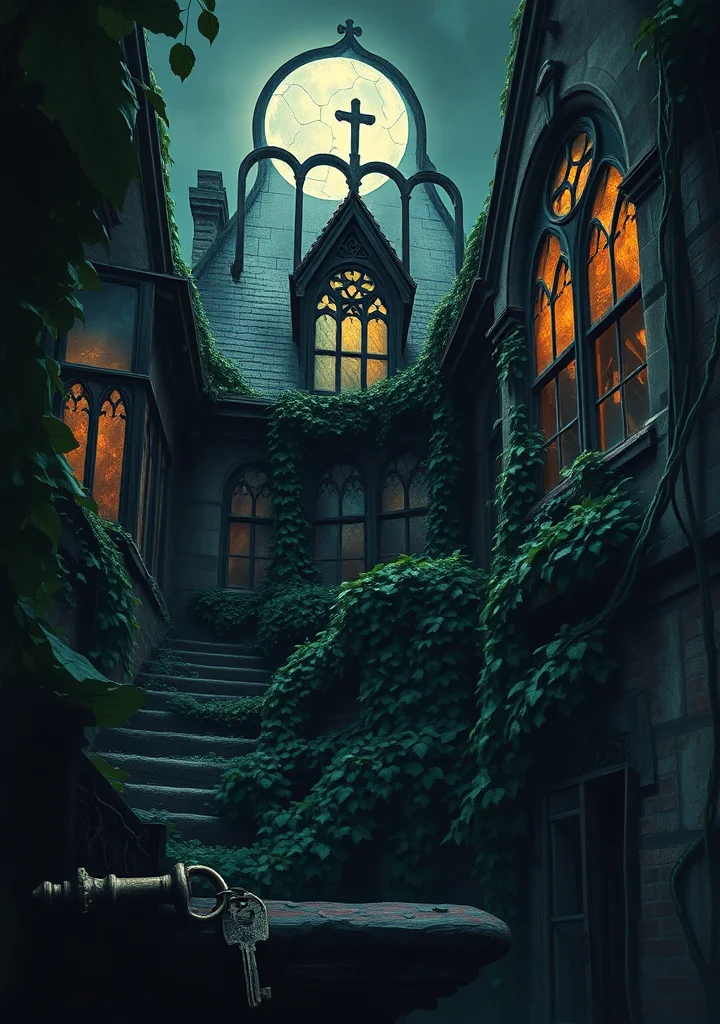
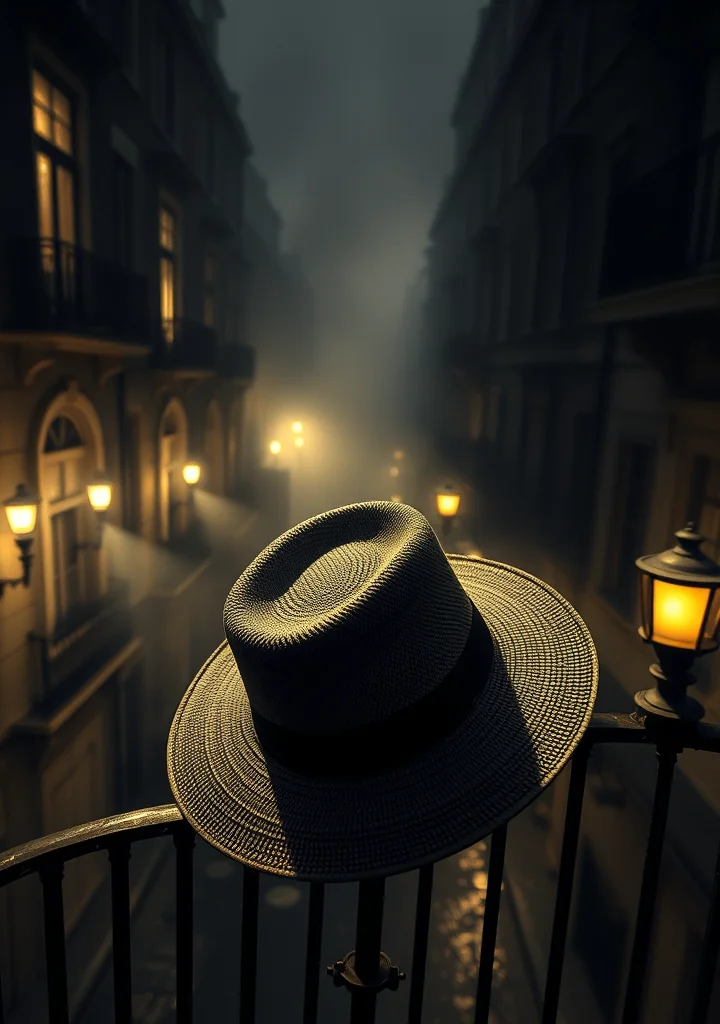
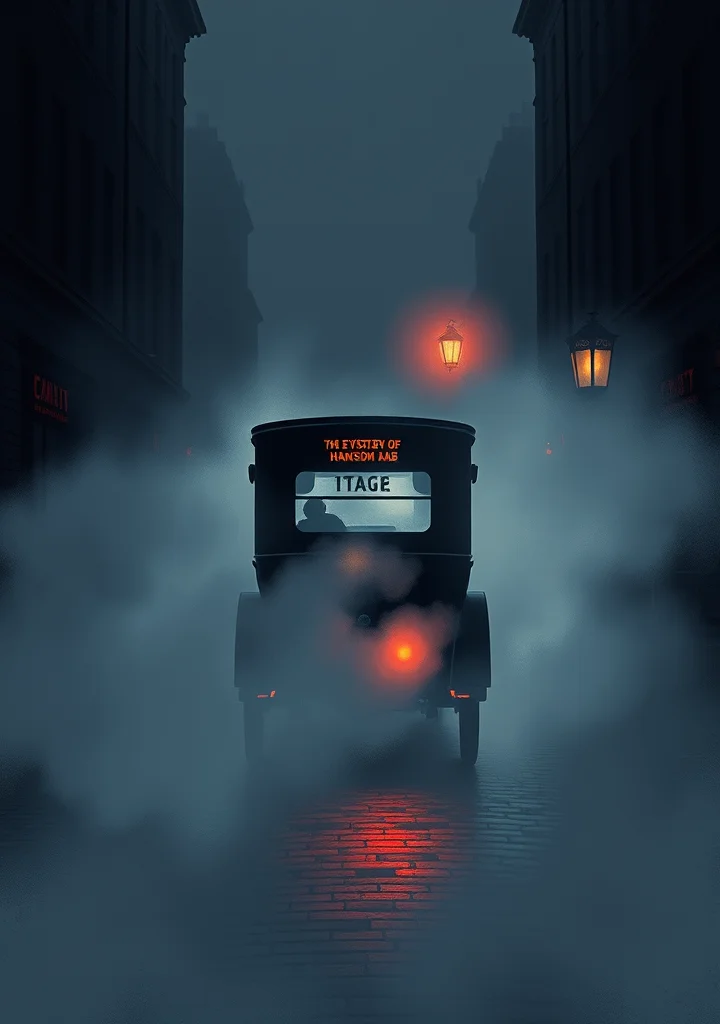
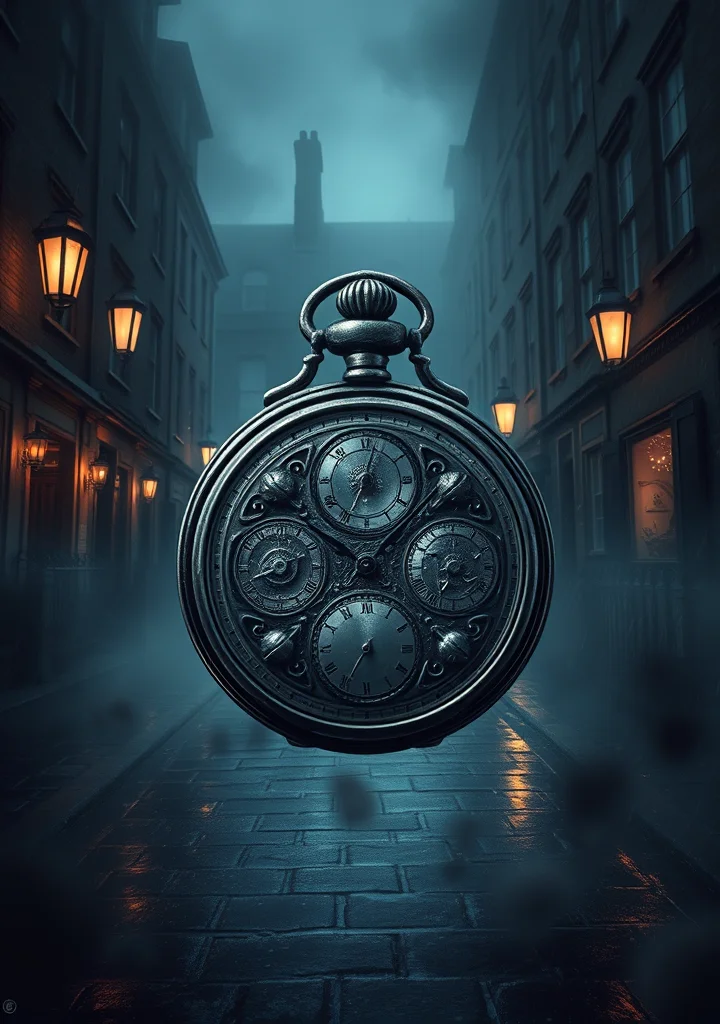
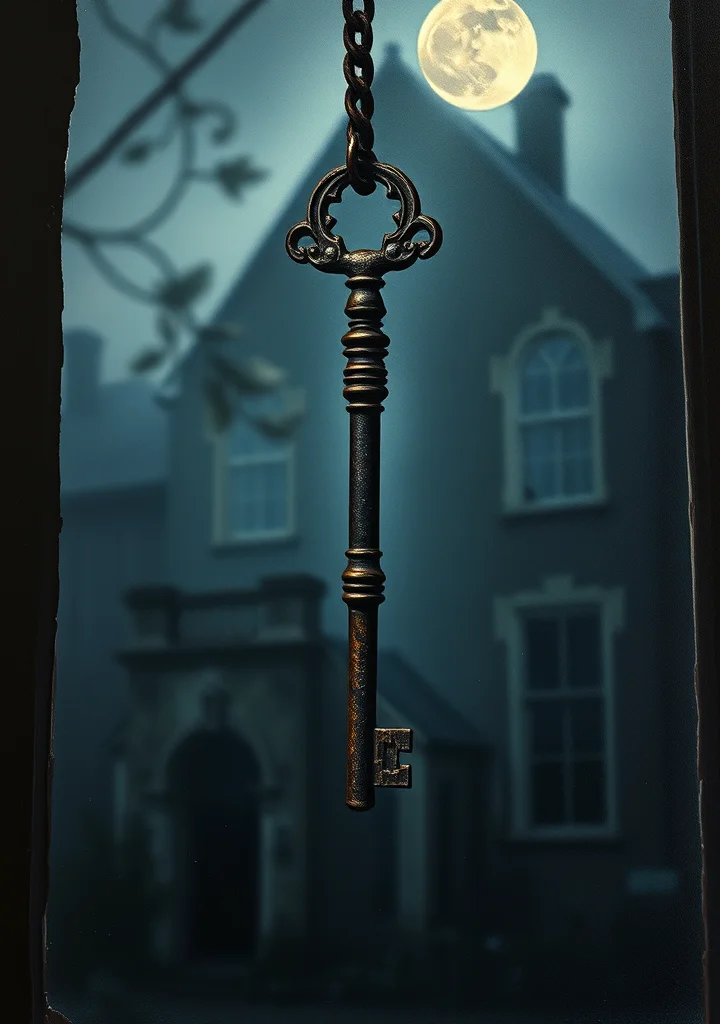
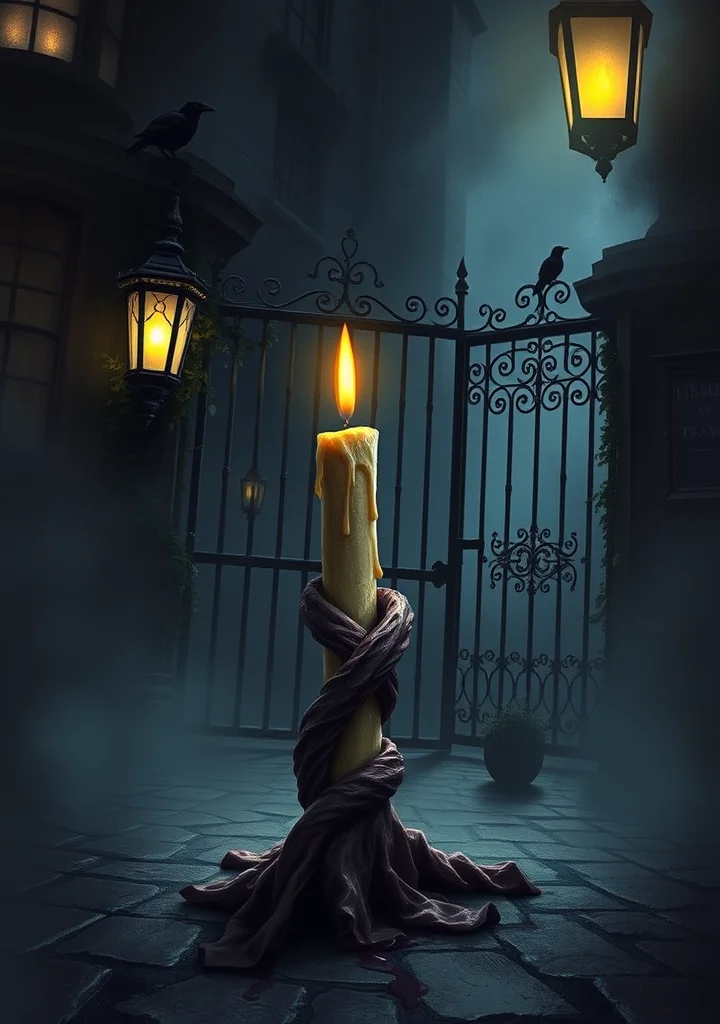
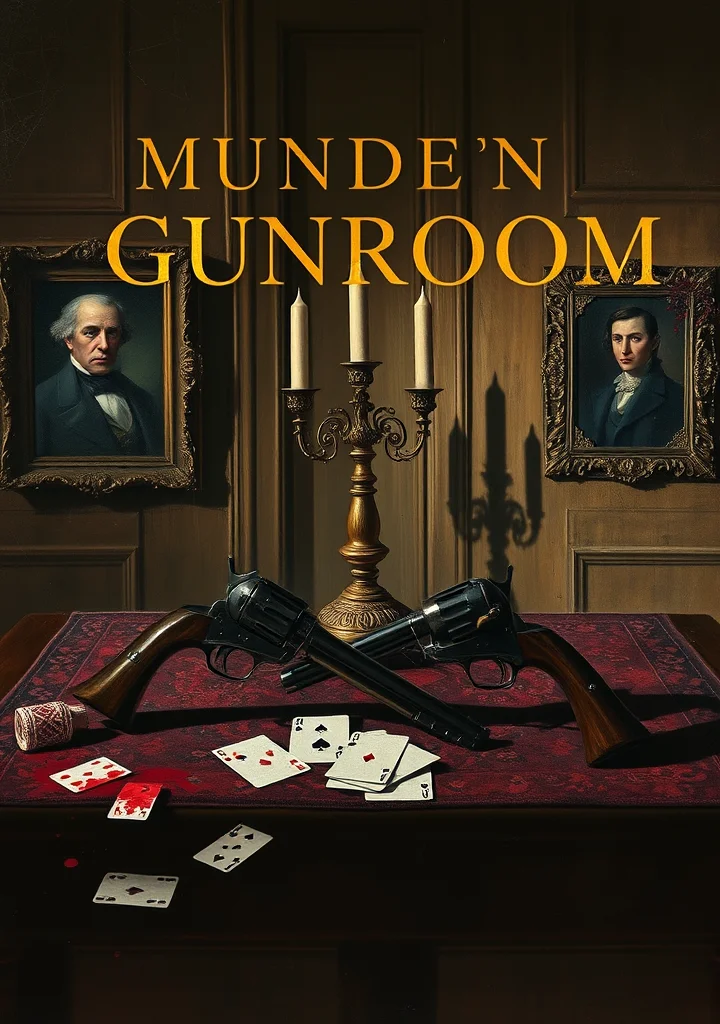
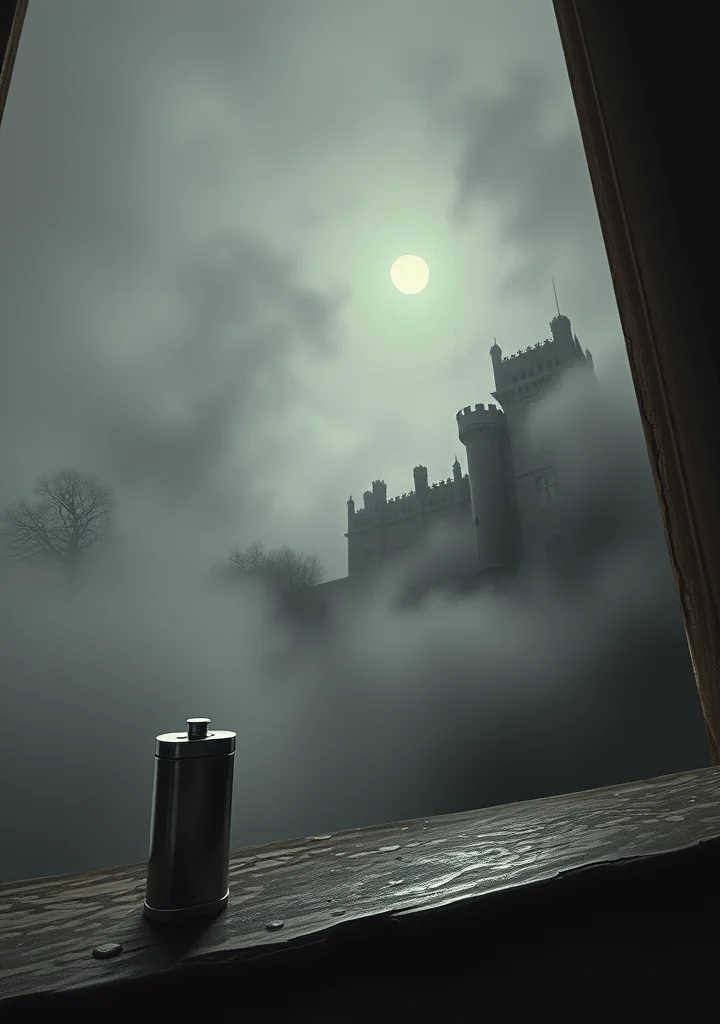
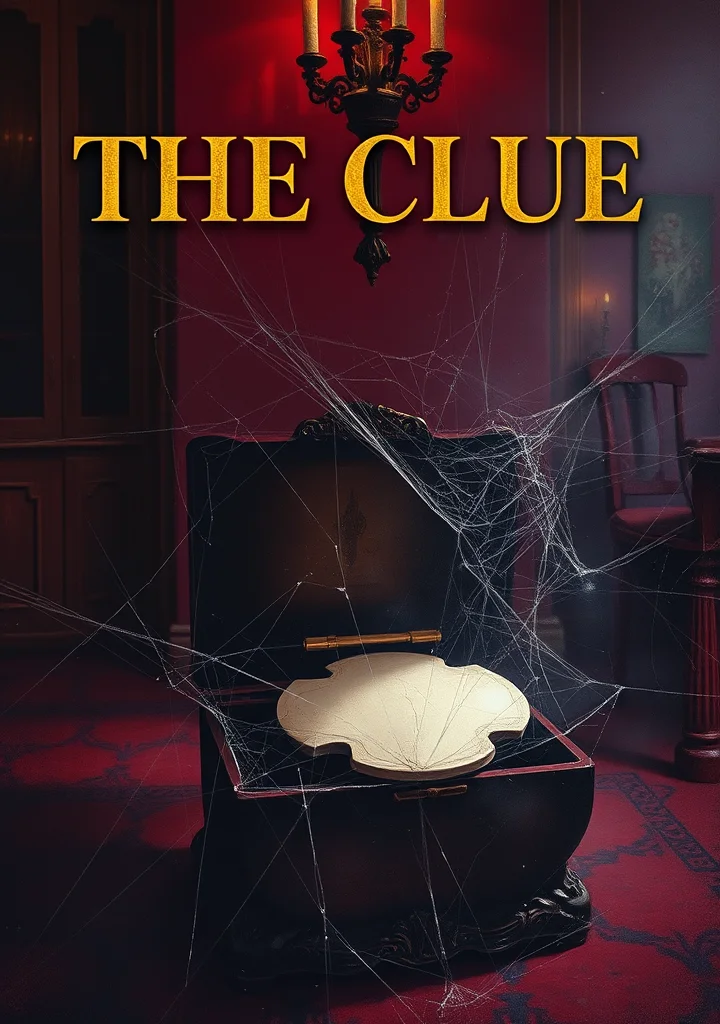
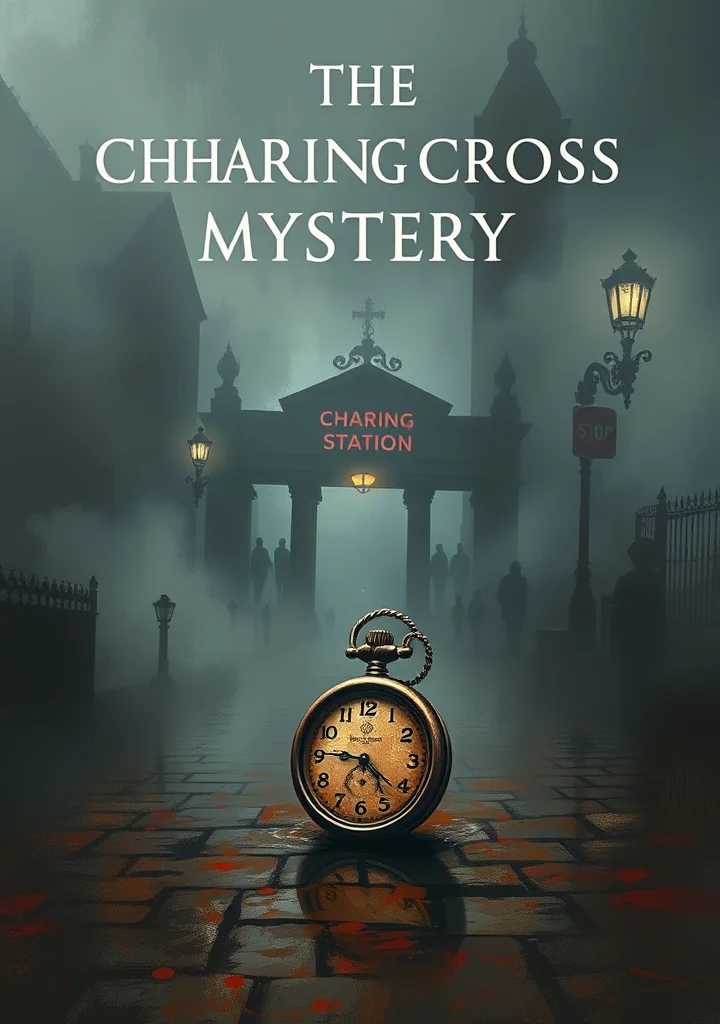
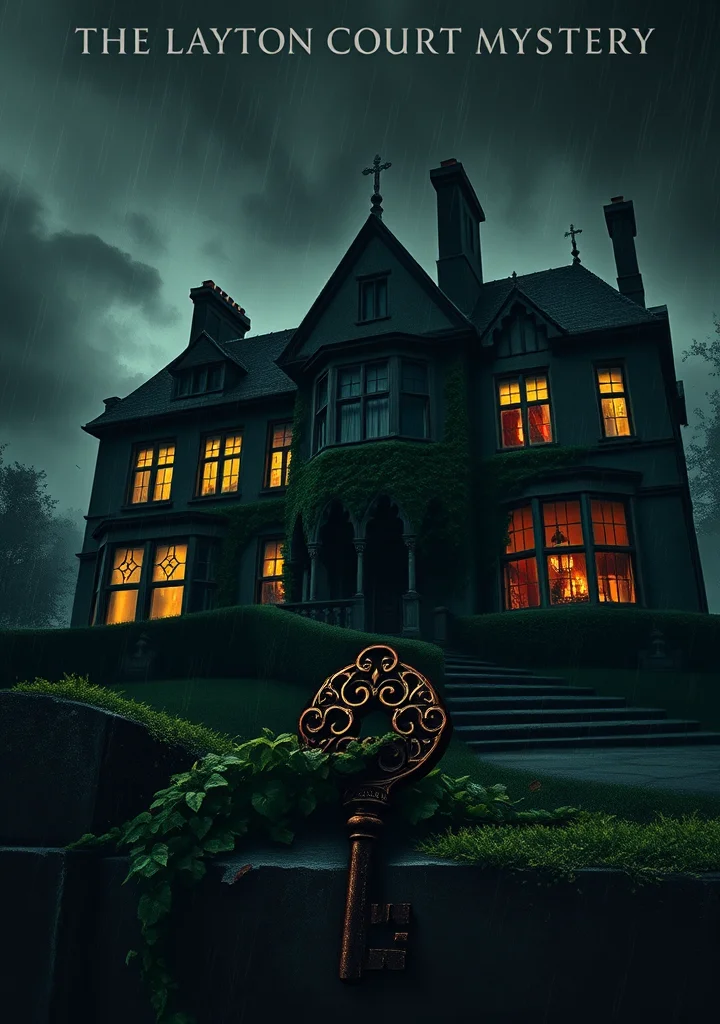
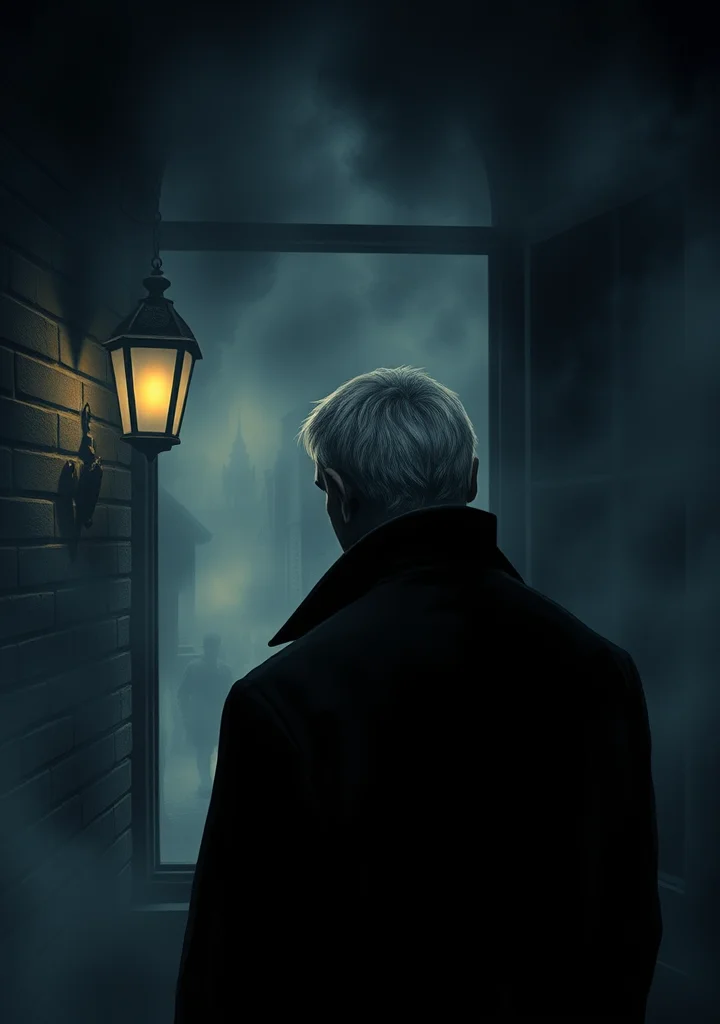
Dust motes dance in perpetual twilight within the shadowed rooms of a forgotten London. A man, etched with secrets and possessing eyes that seem to hold the weight of centuries, observes the city’s underbelly from his corner—a silent, spectral guardian against a creeping dread. Each case he unravels isn’t merely a crime solved, but a peeling back of London’s veneer, revealing the rot beneath. Fog clings to cobblestones, mirroring the suffocating anxieties of those who seek his aid. The air tastes of coal smoke and regret. His methods are unorthodox, fueled by an uncanny intuition and a knowledge of human depravity that borders on the prophetic. The Old Man doesn’t hunt criminals; he diagnoses the sickness *within* them, tracing the origins of malice to ancient, buried wounds. Every solved mystery leaves a residue of unease, a chilling reminder that evil doesn’t vanish—it merely shifts, lurking in the gaslit alleys and the darkened parlors, waiting for the opportune moment to bloom again. The city itself is a character, breathing with malice and shadowed by an inescapable, suffocating doom.
Copyright: Public Domain
This license allows anyone to use your story for any purpose, including printing, selling, or adapting it into a film freely.
This license allows anyone to use your story for any purpose, including printing, selling, or adapting it into a film freely.
Chapter List
-
« The Old Man in the Corner »📖 Continue Reading
-
« Chapter_3 »
-
« The Old Man in the Corner »
-
« I »
-
« II »
-
« III »
-
« IV »
-
« V »
-
« VI »
-
« VII »
-
« VIII »
-
« IX »
-
« X »
-
« XI »
-
« XII »
-
« XIII »
-
« XIV »
-
« XV »
-
« XVI »
-
« XVII »
-
« XVIII »
-
« XIX »
-
« XX »
-
« XXI »
-
« XXII »
-
« XXIII »
-
« XXIV »
-
« XV »
-
« XVI »
-
« XXVII »
-
« XXVIII »
-
« XXIX »
-
« XXX »
-
« XXXI »
-
« XXXII »
-
« XXXIII »
-
« XXXIV »
-
« XXXV »
-
« XXXVI »
39
-
« The Old Man in the Corner »
-
« Chapter_3 »
-
« The Old Man in the Corner »
-
« I »
-
« II »
-
« III »
-
« IV »
-
« V »
-
« VI »
-
« VII »
-
« VIII »
-
« IX »
-
« X »
-
« XI »
-
« XII »
-
« XIII »
-
« XIV »
-
« XV »
-
« XVI »
-
« XVII »
-
« XVIII »
-
« XIX »
-
« XX »
-
« XXI »
-
« XXII »
-
« XXIII »
-
« XXIV »
-
« XV »
-
« XVI »
-
« XXVII »
-
« XXVIII »
-
« XXIX »
-
« XXX »
-
« XXXI »
-
« XXXII »
-
« XXXIII »
-
« XXXIV »
-
« XXXV »
-
« XXXVI »
More like this