
The Cask
  • 186
  • 0
  • 34
  • Reads 186
  • 0
  • Part 34
Completed, First published Mar 02, 2026

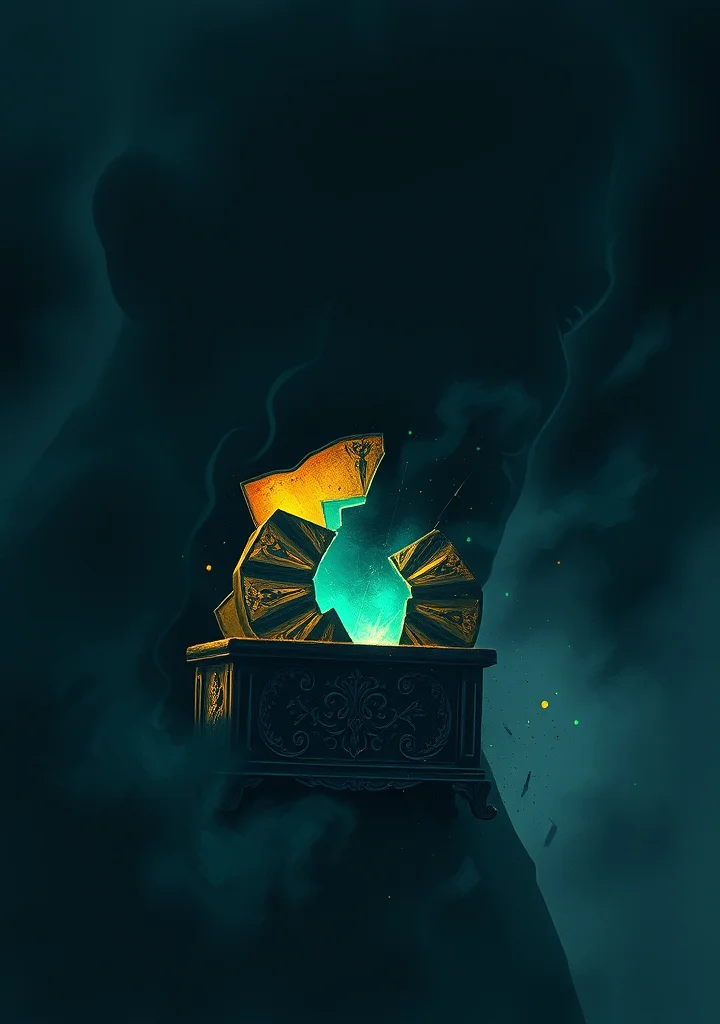
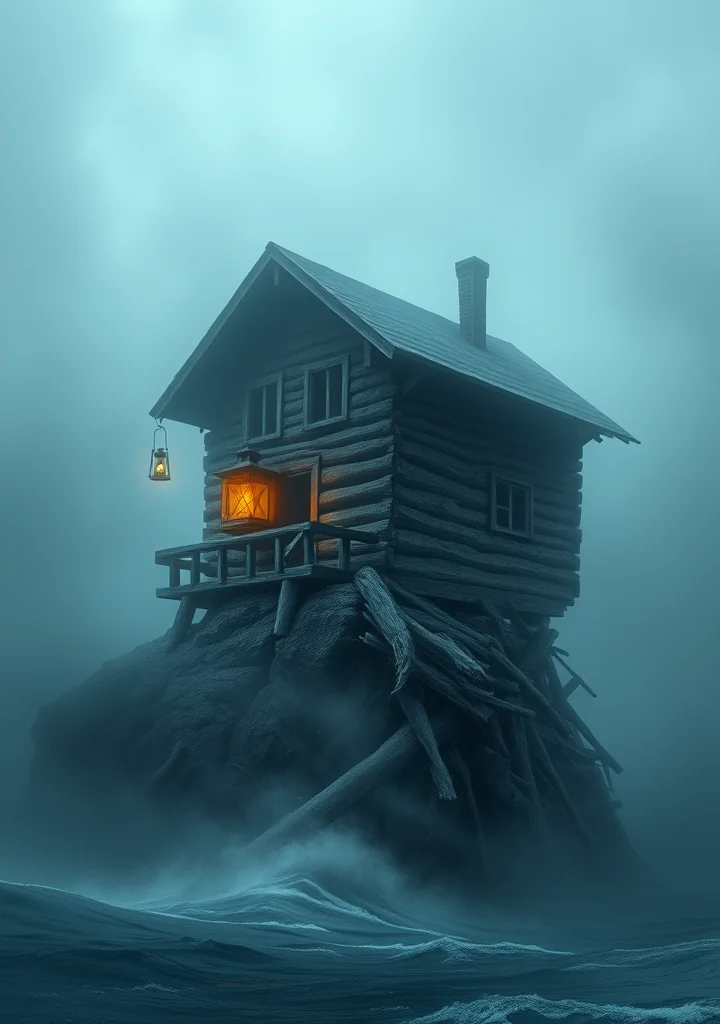
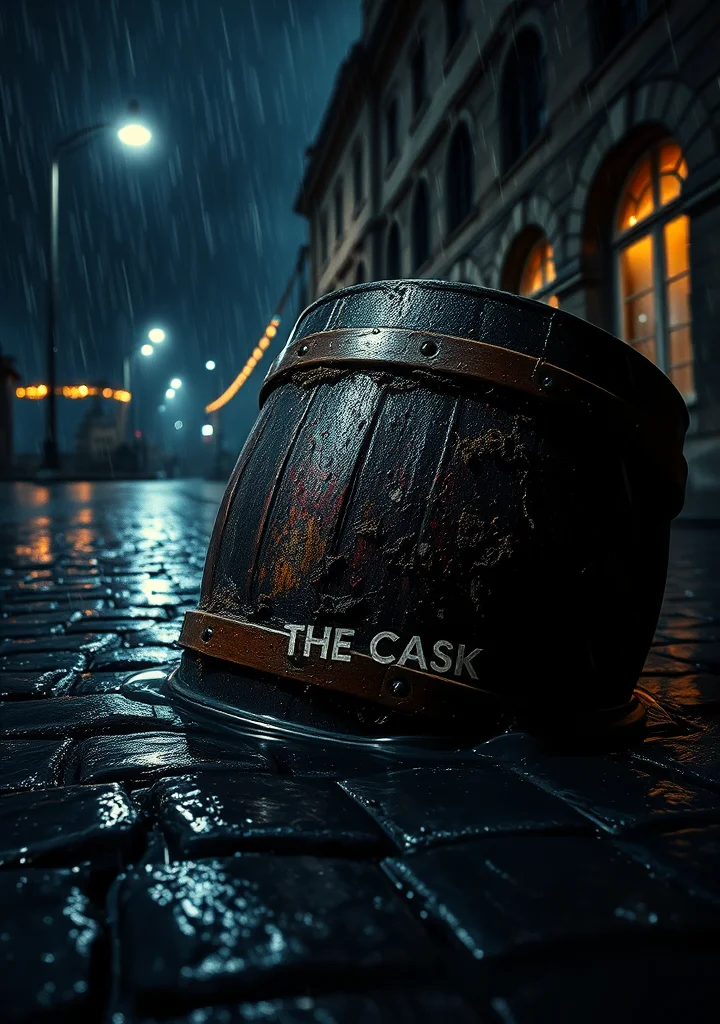
A creeping dread clings to the cobbled streets of a forgotten coastal town, where the theft of a seemingly insignificant cask unravels a legacy of shadowed dealings. Rain-slicked docks exhale the scent of brine and decay as Inspector Grigsby, a man haunted by his own provincial failures, descends into a labyrinth of family secrets. The air thickens with suspicion, each shadowed doorway guarding whispers of smuggling, blackmail, and a ruthless ambition that stretches back generations. The stolen cask isn't merely cargo lost at sea, but a vessel containing a truth better left submerged in the murky depths of the past. A stifling claustrophobia permeates the narrative, mirroring the cramped interiors of smugglers’ dens and the suffocating weight of inherited guilt. Every revealed motive is layered with another, obscuring the true horror lurking within the heart of a community bound by silence and the cold, unwavering logic of profit. The sea itself becomes a character – a grey, unforgiving witness to the slow unraveling of respectability, and the chilling realization that the most damning evidence isn’t found in fingerprints or witness statements, but in the echoing absence of a single, missing name.
Copyright: Public Domain
This license allows anyone to use your story for any purpose, including printing, selling, or adapting it into a film freely.
Recommended for you
20 Part
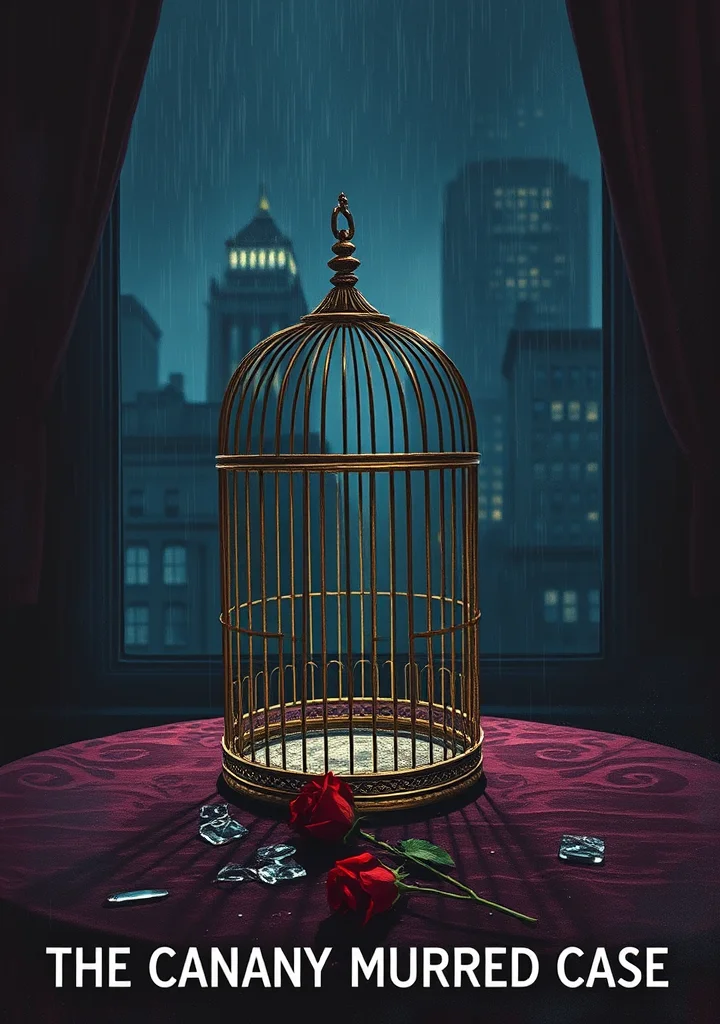
Beneath a bruised and perpetual twilight, where the sea gnaws at the cliffs like a starving beast, a child is born not of flesh and blood, but of shadow and stone. Verne’s narrative descends into a labyrinth of echoing tunnels carved into the heart of a forgotten coast, a place where the tide’s rhythm mimics the beat of a decaying heart. The air hangs thick with brine and the scent of something ancient, something *grown* in darkness. The child, salvaged from a shipwreck’s wreckage, is raised by a recluse haunted by the sea’s wreckage—a man who has traded sunlight for the phosphorescent glow of subterranean life. This is not a tale of rescue, but of a gradual submergence. The cavern itself breathes, its walls weeping with mineral salts that cling to skin like frost. Each chapter unfurls like a slow unraveling, revealing a world built on the bones of drowned things and the whispers of forgotten gods. The boy’s growth is mirrored by the cavern’s expansion, a perverse symbiosis that twists him into something both feral and ethereal. He learns to navigate the tunnels not with sight, but with the tremor of the rock against his bare feet, the taste of salt on his tongue, the echo of his own heart beating against the cavern’s core. A creeping dread settles in as the narrative progresses. It isn’t the monsters lurking in the black depths that haunt, but the realization that the cavern is not merely a shelter, but a womb. A womb for something ancient and hungry, and the child is not being *raised* within it, but *prepared*. The sea is not merely a backdrop to this story, it is a hungry god, and the cavern, its festering wound. The air grows colder, the darkness more complete, and the child’s fate—a chilling descent into the cavern's unyielding heart—becomes a slow, inevitable drowning in stone.
33 Part
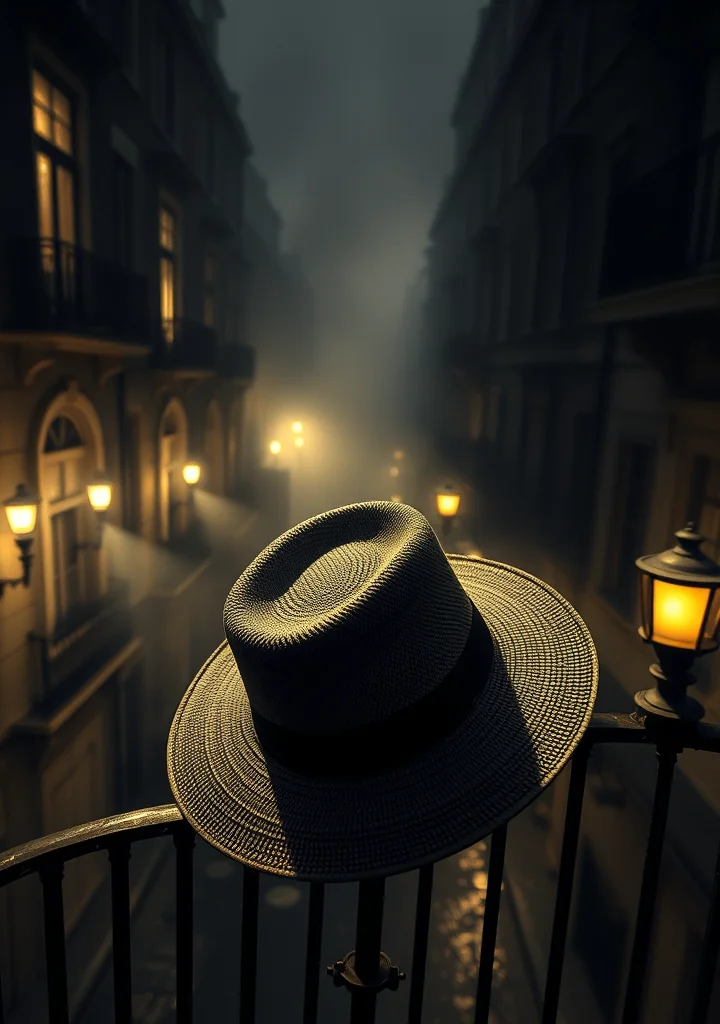
Dust motes dance in the perpetual twilight of a decaying Italianate palazzo, mirroring the spectral ambitions of the self-styled Emperor Hadrian. A fever-dream of aesthetic obsession, the novel unfolds through the brittle correspondence of a man consumed by a vision of restored glory—a baroque, melancholic Rome resurrected through his own meticulously curated existence. Each letter breathes the scent of incense and decay, of crumbling marble and the stifled sighs of a servitude born of artistic vanity. The air hangs thick with regret, with the weight of unfulfilled desire, and the gnawing loneliness of a man who has built his empire on the shifting sands of delusion. A creeping dread permeates the narrative, not of overt horror, but of a slow, exquisite unraveling. The palazzo itself becomes a character—a suffocating labyrinth of shadowed galleries and forgotten chambers, reflecting the labyrinth of Hadrian’s own mind. He is both architect and prisoner, a gilded cage of his own making. The prose, brittle and mannered, mimics the fragility of the objects he collects—antique reliquaries, faded tapestries, and the hollowed-out faces of those who attend his spectral court. A sense of stifled violence lingers beneath the surface, the unspoken price of beauty, the rot hidden within the gilded frame. The story is not one of grand spectacle, but of insidious decay, a slow, elegant poisoning of the soul. It is a whisper of madness, echoing through the empty corridors of a life spent chasing shadows.

61 Part
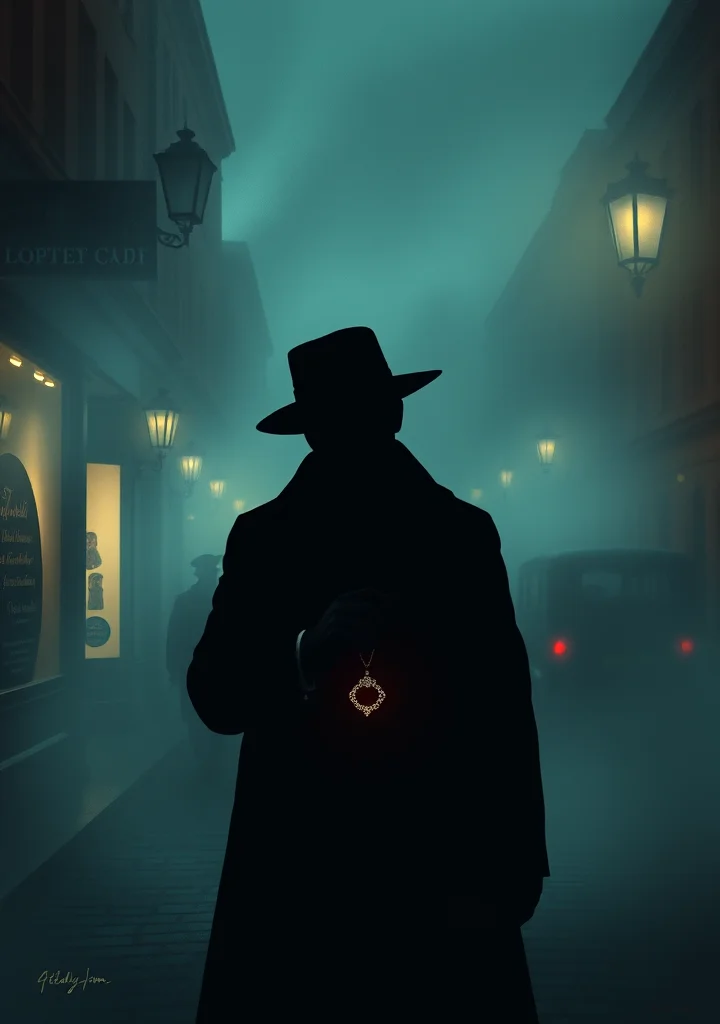
A perpetual twilight clings to the shadowed halls of Udolpho, where innocence is tested by the suffocating weight of ancestral secrets. The narrative unfolds within a labyrinth of crumbling castles and sunless forests, mirroring the fractured psyche of its heroine, Emily St. Aubert. Every echoing corridor whispers of past betrayals, every darkened chamber breathes with the icy presence of unspoken fears. A suffocating dread permeates the Italian landscape, born not of overt horror, but of insidious suspicion and the slow unraveling of sanity. The oppressive grandeur of Udolpho itself becomes a character, its vastness mirroring the boundless anxieties that consume Emily. The air is thick with the scent of decaying grandeur, and the story unfolds with the deliberate pace of a nightmare, punctuated by stolen glances, intercepted letters, and the chilling resonance of distant screams. It is a world where the boundaries between reality and hallucination blur, where the imagination, fueled by isolation and paranoia, conjures terrors far more potent than any visible threat. A creeping sense of helplessness pervades as Emily is drawn deeper into a web of familial intrigue, shadowed by the looming specter of a tyrannical uncle and the veiled machinations of those who would claim her inheritance. The narrative is steeped in a melancholic beauty, a haunting symphony of vulnerability and veiled menace, forever lingering in the half-light between revelation and despair.
19 Part
A suffocating Madrid summer hangs heavy with dust and discontent. The novel breathes with the stifled ambitions of its characters, clinging to the shadowed alcoves of a city poised between old grandeur and creeping modernity. Galdós doesn’t offer spectacle, but a slow, insidious unraveling—a rot beneath the polished veneer of bourgeois life. The narrative coils around the fractured idealism of Don Ramón, a man adrift in the aftermath of political turmoil, haunted by the ghosts of republican fervor and the weight of unfulfilled potential. Every encounter is a stifled confession, every room a stage for quiet desperation. Sunlight bleeds through shuttered windows, illuminating not warmth, but the lingering residue of regret. The scent of decaying flowers, of stale ambition, permeates the air. It’s a novel of interiors—claustrophobic apartments, dimly lit cafes—where characters are trapped not by bars, but by the invisible architecture of social expectation. A creeping sense of dread settles over the reader as the narrative descends into the labyrinthine streets of Madrid, mirroring Don Ramón’s descent into self-doubt and disillusionment. The city itself is a character, its labyrinthine alleys echoing with the murmur of lost causes and the silent weight of unspoken desires. It’s a portrait of a man unraveling, mirroring a city slowly suffocating under its own ambitions. The atmosphere is one of oppressive heat, stifled voices, and the pervasive scent of decay—a Madrid steeped in melancholy, where even the brightest days are shadowed by the specter of failure.