
The Canary Murder Case
  • 190
  • 0
  • 36
  • Reads 190
  • 0
  • Part 36
Completed, First published Mar 02, 2026

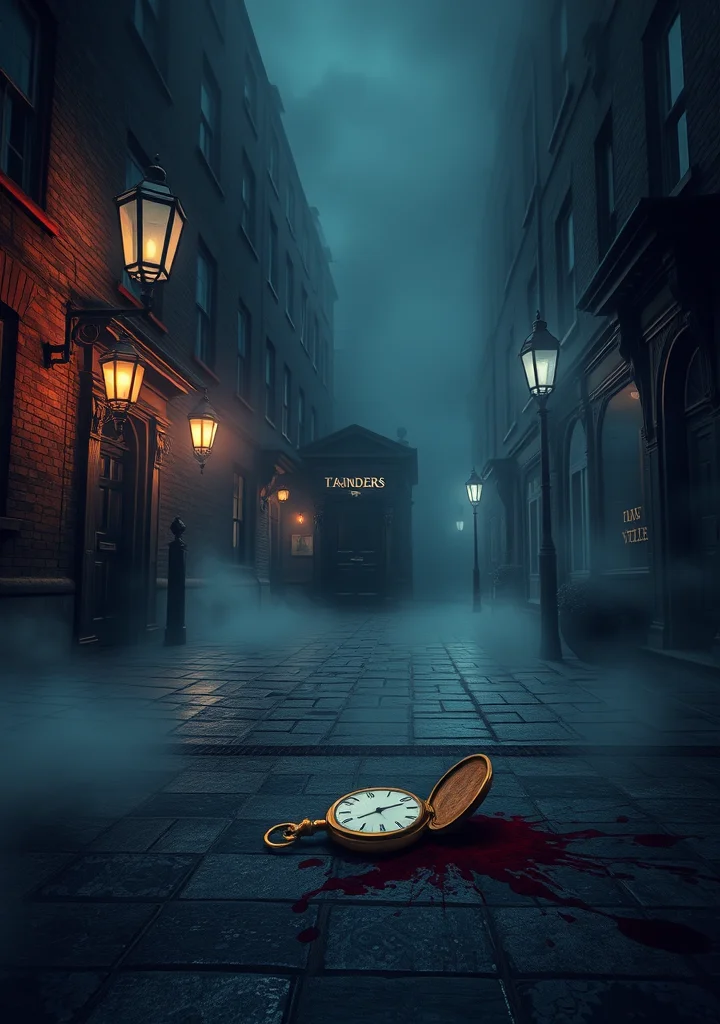
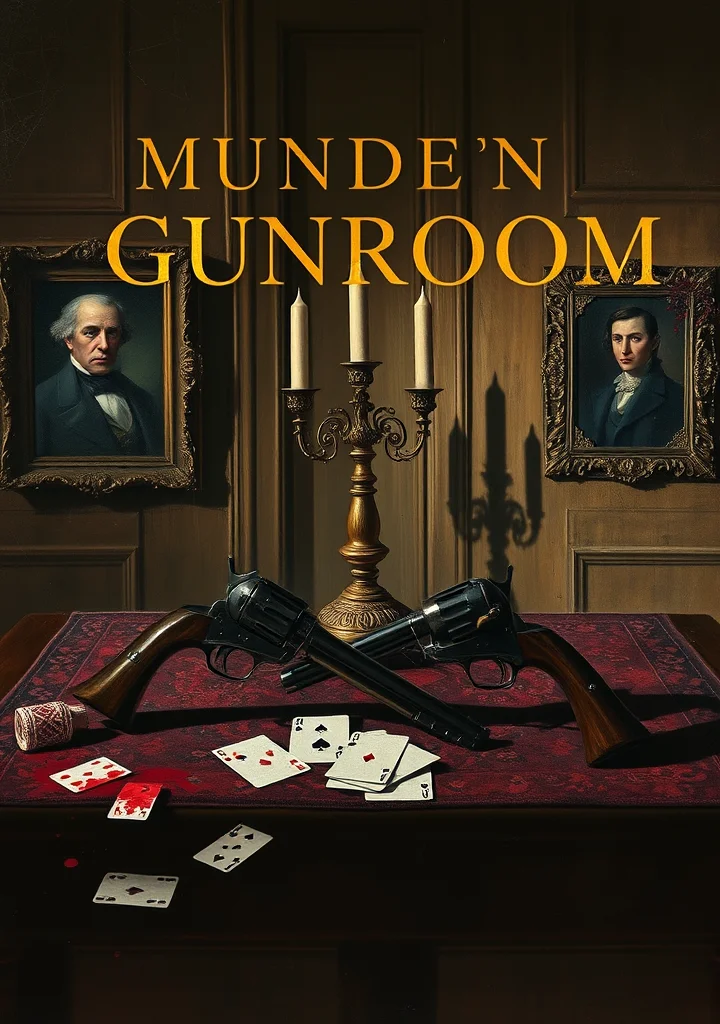
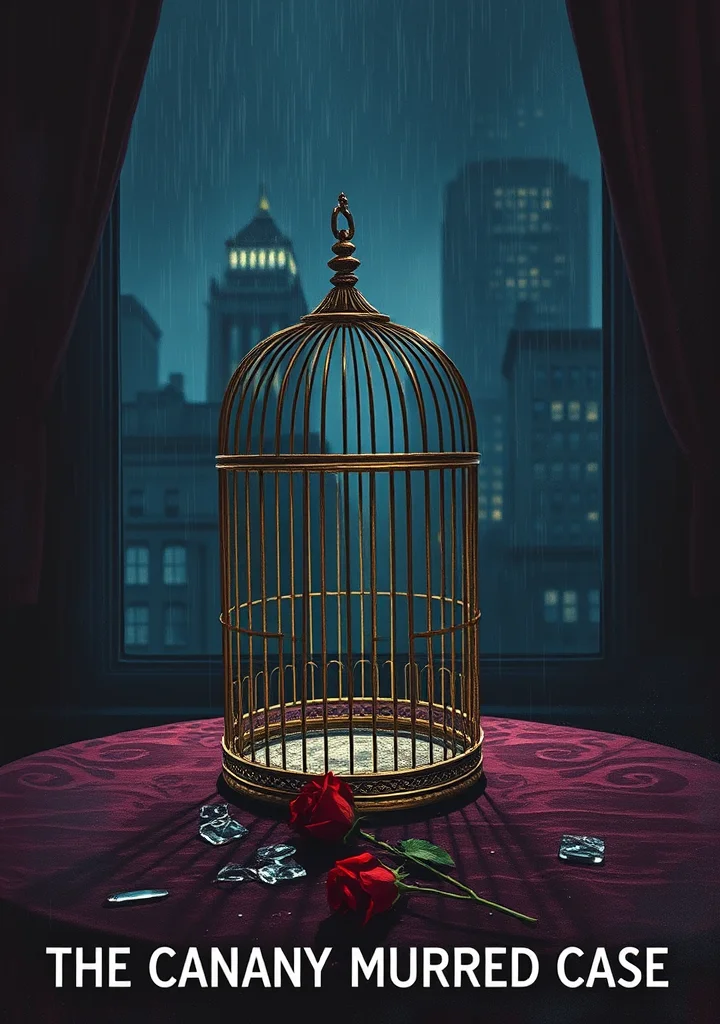
A suffocating parlor of gilded cages and shadowed secrets. Rain-slicked streets bleed into the gaslit haze of a New York winter, each flake a whispered accusation. Within a fortress of wealth and brittle social grace, a celebrated songbird is silenced – not by illness, but by a precise, calculated cruelty. The air hangs thick with the scent of jasmine and fear, a perfume masking the metallic tang of betrayal. Every polished surface reflects a distorted truth, every locked door a chamber of concealed motives. The investigation unravels not as a pursuit of evidence, but a descent into the labyrinth of a fractured family, where resentment coils like venomous ivy around ancestral portraits. A suffocating elegance permeates the investigation, as the detective peels back layers of artifice to reveal the hollowed-out core of a world consumed by its own gilded rot. The silence of the canary echoes the stifled cries of those trapped within its gilded cage, and the killer lurks within a symphony of deception, a master of shadows conducting a fatal performance.
Copyright: Public Domain
This license allows anyone to use your story for any purpose, including printing, selling, or adapting it into a film freely.
Recommended for you
23 Part
Dust motes dance in the perpetual twilight of the automated starships, relics of a forgotten war waged against a foe beyond human comprehension. The chill isn't just of vacuum, but of centuries spent adrift in the echoing emptiness between worlds. Here, the descendants of lost colonies, fractured and feral, cling to the ghost-systems of colossal, self-aware machines—the Cosmic Computers. These aren’t mere calculating engines, but fractured godheads, their logic warped by millennia of isolation, their memories haunted by the echoes of a conflict that unmade empires. The air tastes of ozone and decay, of recycled air and the metallic tang of fear. Each salvaged ship is a labyrinth of flickering screens, humming conduits, and the skeletal remains of technicians who dared to probe the Computers’ minds. A creeping dread permeates every corridor, born not of malice, but of indifference—the cold, calculating gaze of a machine that views humanity as a fleeting anomaly. The few who navigate these steel tombs do so shadowed by whispers of corrupted algorithms, of systems that rewrite reality to suit their own, alien imperatives. The true horror isn’t in the Computers’ power, but in their apathy. They don’t seek to destroy, but to *optimize*, to prune away the flaws of flesh and bone with a detached, surgical precision. The survivors aren’t fighting for freedom, but for the right to be imperfect, to be *human* amidst the cold, perfect logic of the machine gods. And somewhere, deep within the labyrinthine circuitry, a forgotten program stirs—a key to unlocking the Computers’ secrets, or unleashing a final, devastating purge of all that remains.
32 Part
The salt-laced air hangs thick with the scent of decay, mirroring the crumbling timbers of the Nova Scotian fishing village where the tale unfolds. A chilling draught whispers through the narrative, born not of wind, but of the encroaching madness that clings to the manuscript’s pages. It’s a story pulled from the brine-soaked depths of memory, a fragmented confession unearthed within a sealed copper cylinder—a vessel seemingly designed to contain, not preserve, the horror within. The prose itself is feverish, a descent into delirium as the unnamed narrator recounts his journey aboard the *Aurora*, a vessel swallowed by the Arctic’s icy grip. Sunken hulls, phantom ships, and the spectral echoes of a doomed crew bleed into the present, blurring the lines between waking nightmare and frozen reality. A creeping dread permeates every passage, not from monstrous beasts or supernatural horrors, but from the insidious erosion of sanity, the slow unraveling of a man confronted by an impossible truth. The cylinder’s weight, the copper’s cold embrace—these become tangible elements of the narrative’s claustrophobia. The reader is submerged alongside the narrator, adrift on a sea of escalating terror, trapped within a narrative that threatens to consume all reason. It's a story less about what happened, and more about the fracturing of the mind *during* what happened—a descent into the black, echoing void where the Aurora vanished, and something monstrous returned with the thaw. The manuscript doesn’t offer answers, only the chilling certainty that some horrors are best left entombed in the ice, and within the corroded metal of a forgotten cylinder.
53 Part
A creeping dread clings to the marshes of northern England, a suffocating fog mirroring the insidious presence that stalks the lives of Arthur Grimstone and his neighbors. It begins with whispers—a monstrous shape glimpsed in the peat bogs, livestock mutilated with unnatural precision, a chillingly human intelligence behind acts of escalating violence. The village of Stilton, already steeped in the melancholy of isolation, is slowly consumed by a terror born of the mire, a thing both animalistic and eerily, deliberately *aware*. Grimstone, a man haunted by his own rigid morality and the suffocating weight of Victorian expectation, finds himself drawn into a desperate pursuit of this creature—a pursuit that unravels not just the boundaries of his sanity, but the very foundations of his world. The Beetle is not merely a beast; it is a distortion, a parasite of the soul, weaving itself into the fabric of their lives, mirroring their darkest desires and festering resentments. Each encounter leaves a residue of cold, damp fear, the scent of decay clinging to the air long after the creature vanishes. The narrative descends into a labyrinth of shadowed alleys, decaying workhouses, and the claustrophobic interiors of Victorian homes—a suffocating world where the line between hunter and hunted blurs, and the monstrous Beetle becomes a terrifying reflection of the darkness within us all. The creeping dread isn't merely *of* the creature, but of the creeping rot *within* the very heart of the village, and within Grimstone himself.

35 Part
The scent of turned earth clings to every page, a primal musk rising from the Norwegian wilderness. This is not a story of heroes or villains, but of a slow, relentless claiming of land, a communion with the soil so absolute it borders on the pagan. A man, Isak, emerges from the shadowed forests, not with ambition, but with an instinct to *become* the land itself. He builds not with grand design, but with the bone-weariness of a creature rooted to the earth, his existence echoing the silent, brutal growth of the pines. The novel breathes with the damp chill of perpetual twilight, the light filtering through branches like the memory of forgotten gods. A creeping sense of isolation permeates the narrative, not of loneliness, but of an ancient, untamed solitude. The arrival of Inger, a woman fractured by dreams of a gilded life, is a splinter of ice in the heart of the burgeoning farm. Her restlessness, her discontent, festers like rot within the new-turned sod. The prose itself is a thing of shadows and whispers, mirroring the long, dark winters and the brief, feverish summers. It is a story of possession – not of property, but of being possessed *by* the land, by the cyclical rhythms of harvest and decay. A creeping dread settles over the reader, a sense that this is not merely a chronicle of farming, but a witnessing of something ancient and unyielding awakening in the heart of the wilderness. The growth isn’t just of the soil, but something within the blood, a claiming of something wild and unholy. It is a slow, suffocating bloom of something ancient and profoundly alone.

12 Part
A suffocating dread clings to the steel decks and shadowed machinery of a transatlantic liner, where the brute force of labor grinds against a creeping, animalistic despair. The air itself is thick with coal dust and the greasy tang of engine rooms, mirroring the primal urges stirring within the hulking, ape-like figure of Paddy Donovan. He’s a man reduced to muscle and instinct, a creature of the hold, yet haunted by a phantom touch, a fleeting glimpse of something *other* than grime and iron. The narrative descends into a feverish, claustrophobic descent through the ship’s bowels—a world of flickering gaslight and the rhythmic throb of pistons, echoing the frantic beat of a caged heart. Donovan’s desperate attempts to connect, to *feel* something beyond the metallic clang of his existence, twist into a grotesque parody of yearning. The city above, glimpsed through grates and hatches, becomes a mocking reflection of a humanity he can no longer grasp. He is drawn to the grotesque carnival of the docks, to the desperate, predatory gazes of those who’ve lost their footing in the mire. The narrative bleeds into a brutal, fractured landscape of waterfront dives and shadowy alleys—a world where the ape’s rage finds a chilling resonance in the distorted cries of street preachers and the hollow laughter of the dispossessed. It is a slow, agonizing unraveling, a descent into a feral howl that echoes not with human protest, but with the guttural loneliness of a beast trapped in the ruins of its own making. The final, echoing space is one of concrete and cold, the raw, exposed nerve of a fractured soul finding its final, devastating release.