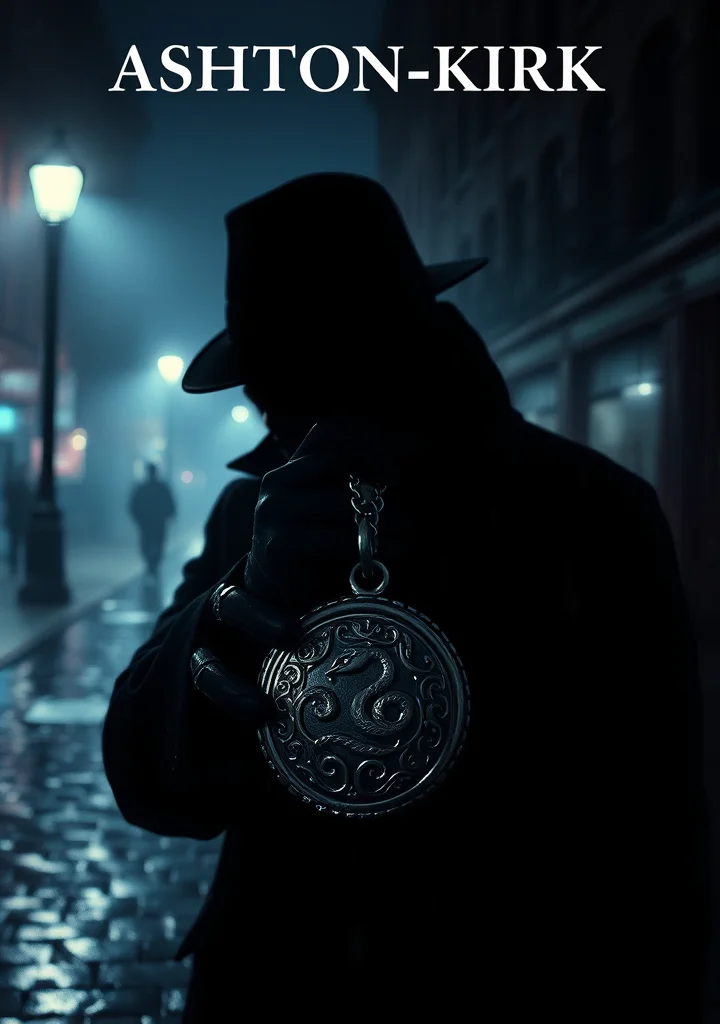

Ashton-Kirk, Investigator
  • 208
  • 0
  • 30
  • Reads 208
  • 0
  • Part 30
Completed, First published Mar 02, 2026

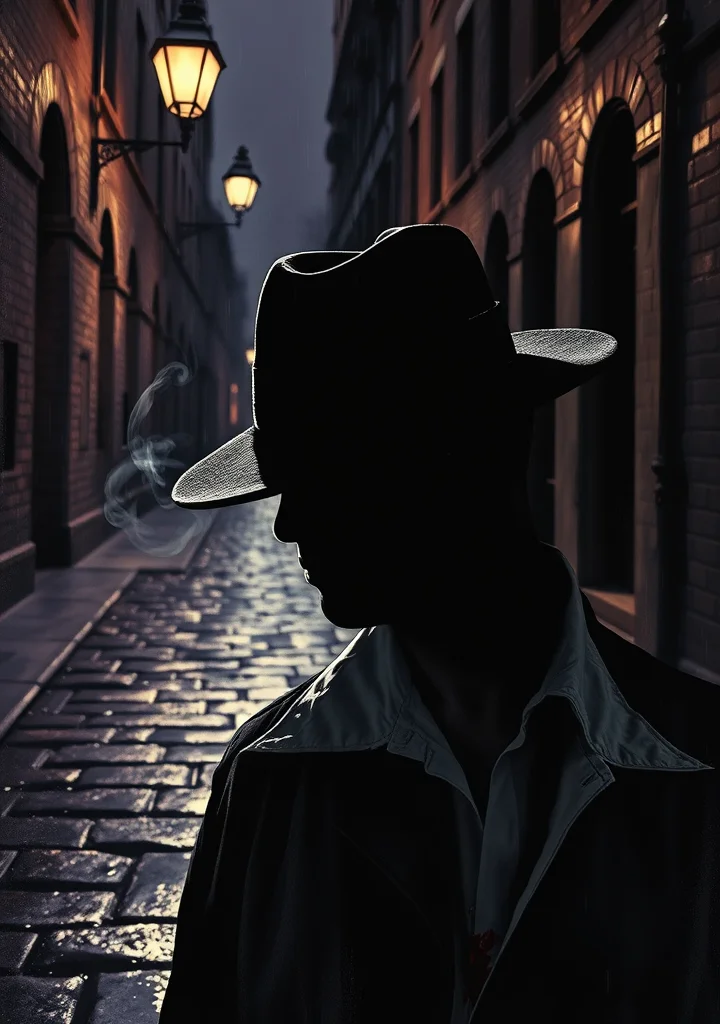
A fog-choked Boston, slick with rain and shadowed by brick tenements, births a dread that clings to the gaslit streets. Ashton-Kirk doesn’t hunt murderers, he unravels the silken threads of desperation woven into the city’s opulent decay. Each case is a descent into a forgotten parlor, a darkened wharf, or the stifling grandeur of a decaying mansion where secrets fester like slow-blooming poison. The air is thick with the scent of lilies and decay, of whispered accusations and the rustle of silk skirts concealing desperate acts. Kirk himself moves through this miasma like a wraith, a man haunted by his own past, drawn to the fractured lives of the elite and the desperate bargains struck in the city’s shadowed underbelly. He’s not a detective who finds answers, but one who exhumes them from layers of perfumed lies and inherited grief. The investigations themselves aren’t about the *how* of a crime, but the *why* – the insidious rot consuming the hearts of those who believe their fortunes shield them from consequence. A chilling elegance pervades each revelation, a sense that the true horror isn’t found in the act itself, but in the hollow, echoing spaces left behind in the souls of those implicated. The city breathes guilt, and Ashton-Kirk is its reluctant confessor.
Copyright: Public Domain
This license allows anyone to use your story for any purpose, including printing, selling, or adapting it into a film freely.
Recommended for you
15 Part
A creeping dread clings to the Welsh hills, a miasma rising from ancient stones and shadowed valleys. Machen weaves a tale not of what is seen, but of what *becomes* visible – the fracturing of reality itself. Three men, each subtly, terrifyingly *wrong*, infiltrate a quiet village, their presence a slow corruption of the familiar. They are not demons in disguise, nor madmen escaped from asylums, but something far stranger: echoes of forgotten gods, slivers of nightmares given flesh. The narrative unfolds like a fever dream, blurring the line between the mundane and the monstrous. A suffocating claustrophobia settles over the reader as the impostors’ influence spreads – a chilling stillness in the eyes of livestock, the unnerving precision of their smiles, the scent of decay clinging to their clothes. The air itself thickens with an unspoken terror, a sense of being watched by something vast and uncaring. The true horror lies not in their deeds, but in the subtle unraveling of the world around them. Stone circles become gateways, ancient rituals awaken, and the very foundations of the village begin to crumble under the weight of their alien scrutiny. It is a story of slow, insidious possession, where sanity is peeled away like layers of skin, leaving only the raw, screaming nerve of primal fear. The darkness doesn’t *come* – it *is*, woven into the very fabric of existence, and these three impostors are merely the stitches pulling it taut.
27 Part
A creeping rot clings to the cobblestones of this unnamed city, where shadows stretch from gas lamps to strangle the last embers of hope. Jean Grave doesn't offer grand narratives of rebellion, but rather a descent into the marrow of decay, a slow unraveling witnessed through the eyes of those already half-consumed by the void. The air itself is thick with the stench of burnt ambition and the whispered anxieties of a populace fractured not by class, but by a creeping nihilism. Every alleyway breathes with the weight of forgotten gods and the hollow laughter of those who’ve traded their souls for fleeting moments of control. There’s no explosive uprising here, only the insidious bloom of apathy, a willing surrender to the encroaching darkness. Characters drift through decaying salons and labyrinthine sewers, their faces gaunt, their desires reduced to a desperate scramble for warmth and oblivion. The prose is less a story and more a haunting echo of fractured consciousness. It's a suffocating claustrophobia of crumbling brick, the metallic tang of blood on the tongue, and the chilling realization that the true anarchy isn't *against* society, but *within* it—a silent, internal crumbling of the will to resist the inevitable. This is not a revolution; it’s a slow, deliberate drowning in the silt of despair, where the last flickering embers of humanity are extinguished one by one, swallowed by the yawning maw of nothingness. The city *is* the monster, and it feeds on the ghosts of its own making.