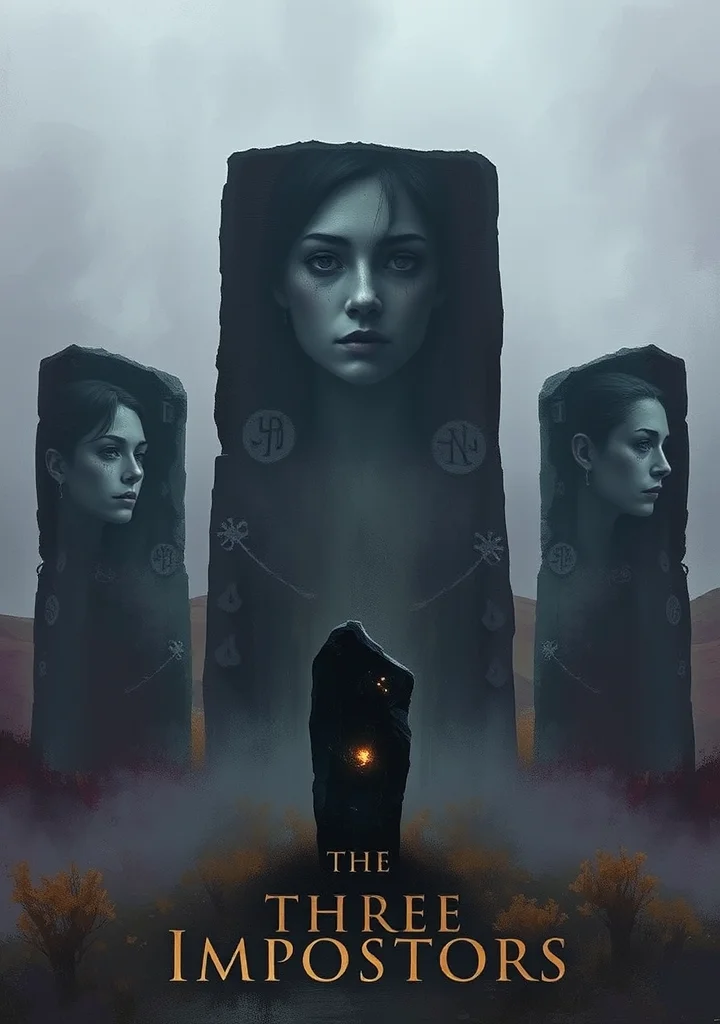

The Three Impostors
  • 71
  • 0
  • 15
  • Reads 71
  • 0
  • Part 15
Completed, First published Mar 02, 2026

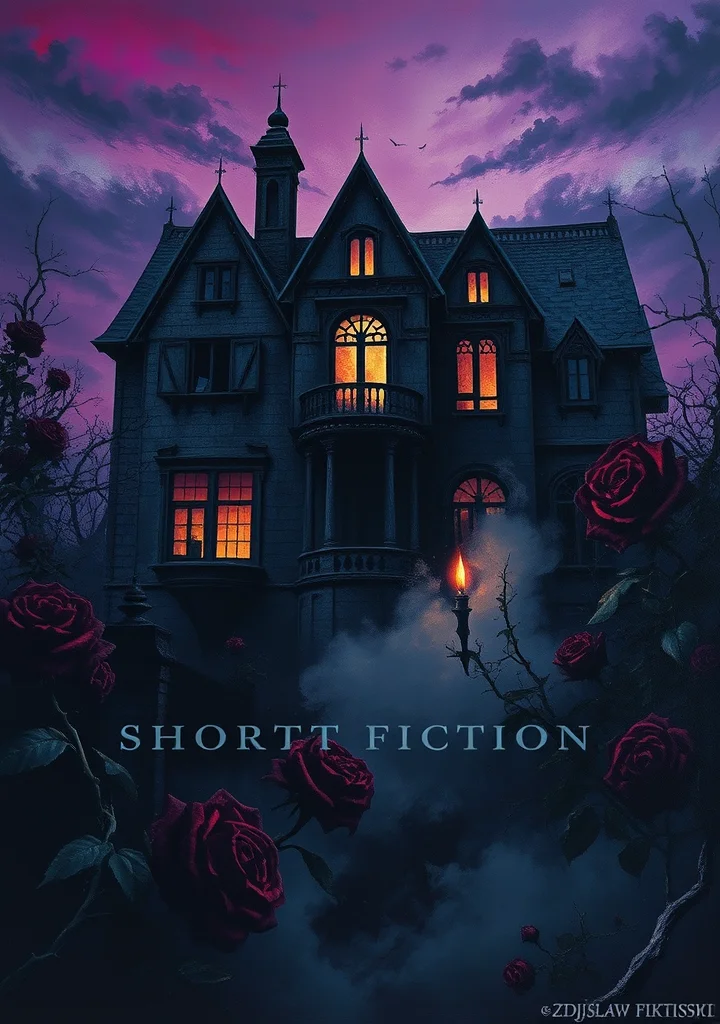
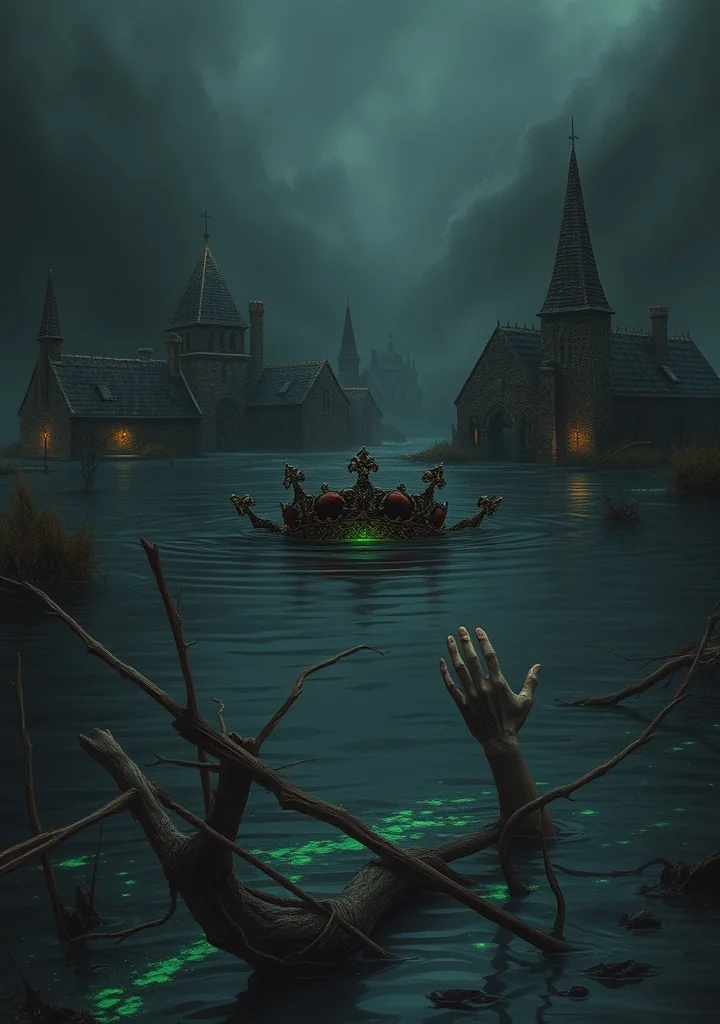
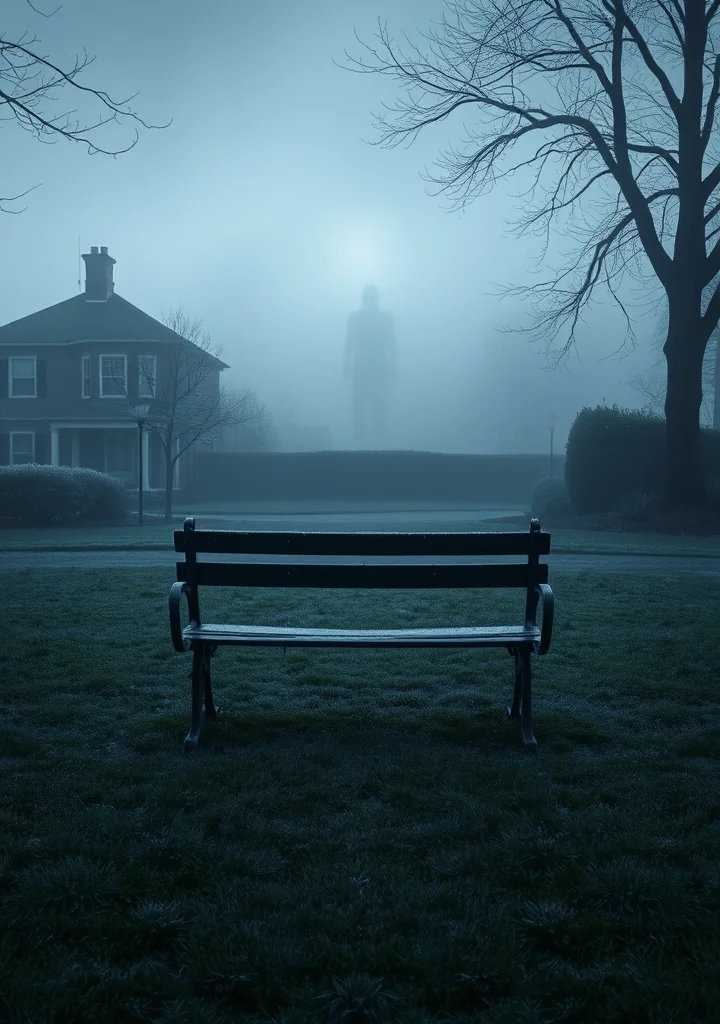
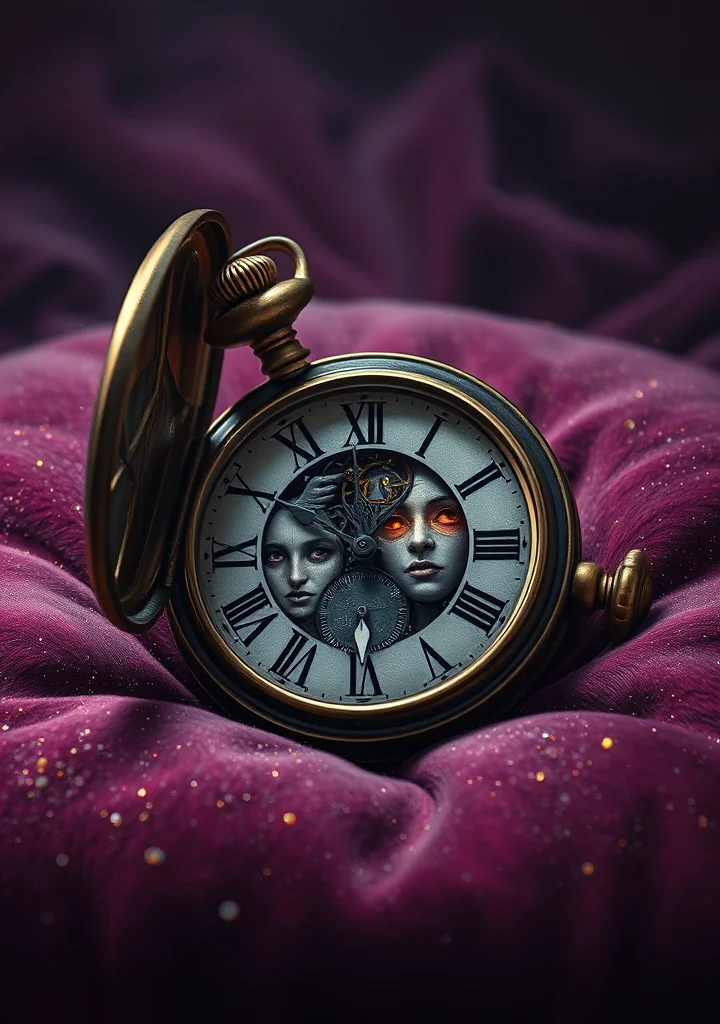
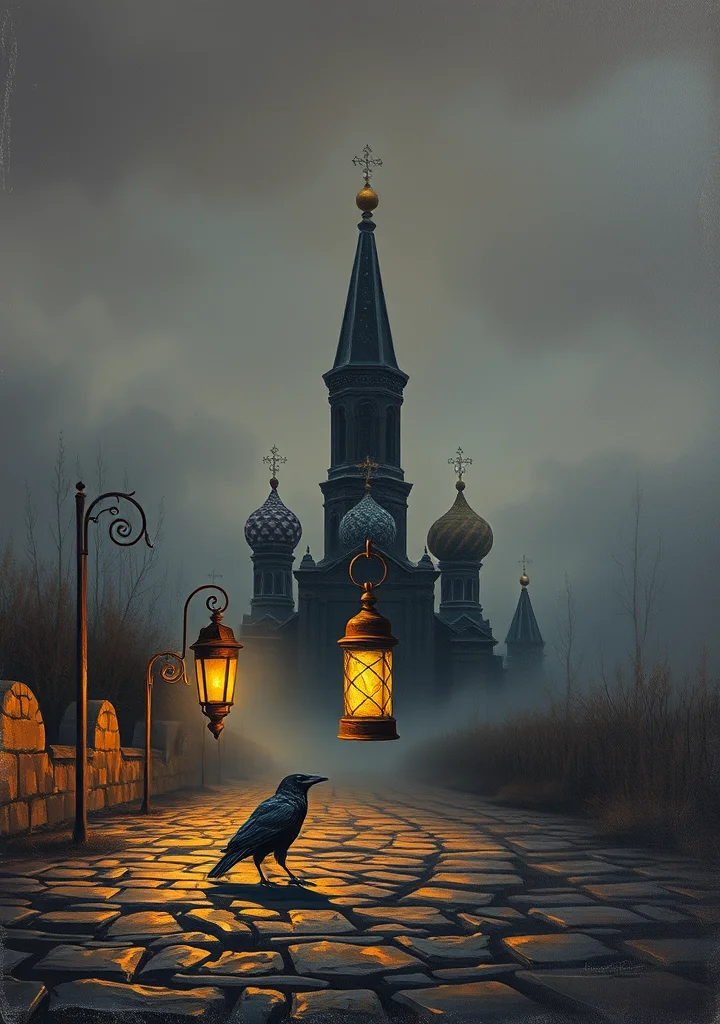
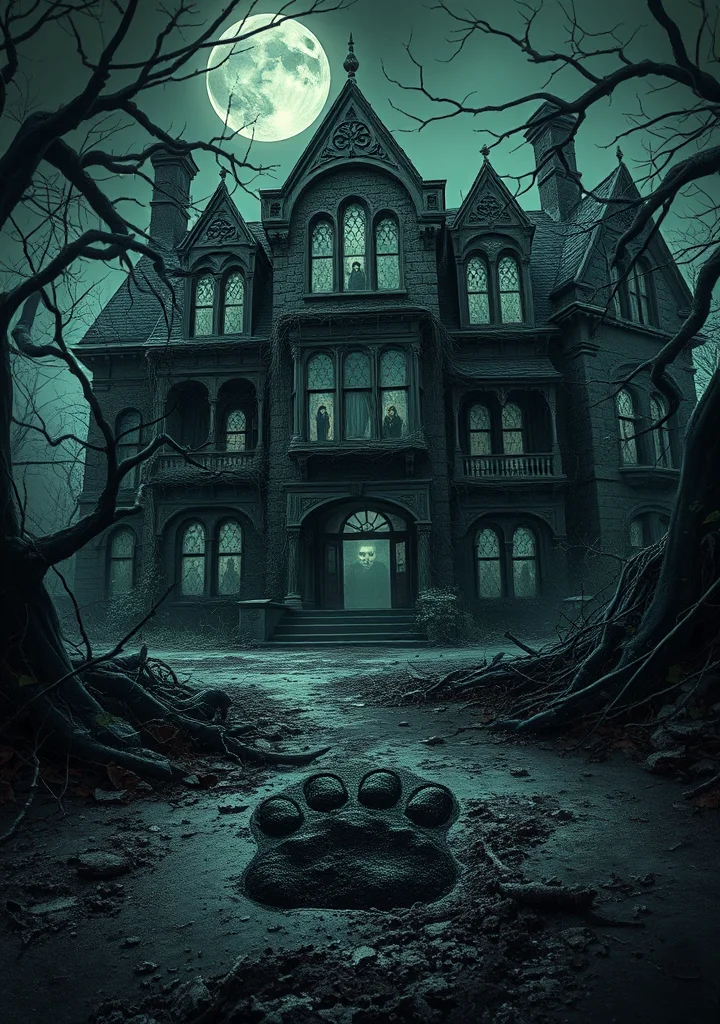
A creeping dread clings to the Welsh hills, a miasma rising from ancient stones and shadowed valleys. Machen weaves a tale not of what is seen, but of what *becomes* visible – the fracturing of reality itself. Three men, each subtly, terrifyingly *wrong*, infiltrate a quiet village, their presence a slow corruption of the familiar. They are not demons in disguise, nor madmen escaped from asylums, but something far stranger: echoes of forgotten gods, slivers of nightmares given flesh. The narrative unfolds like a fever dream, blurring the line between the mundane and the monstrous. A suffocating claustrophobia settles over the reader as the impostors’ influence spreads – a chilling stillness in the eyes of livestock, the unnerving precision of their smiles, the scent of decay clinging to their clothes. The air itself thickens with an unspoken terror, a sense of being watched by something vast and uncaring. The true horror lies not in their deeds, but in the subtle unraveling of the world around them. Stone circles become gateways, ancient rituals awaken, and the very foundations of the village begin to crumble under the weight of their alien scrutiny. It is a story of slow, insidious possession, where sanity is peeled away like layers of skin, leaving only the raw, screaming nerve of primal fear. The darkness doesn’t *come* – it *is*, woven into the very fabric of existence, and these three impostors are merely the stitches pulling it taut.
Copyright: Public Domain
This license allows anyone to use your story for any purpose, including printing, selling, or adapting it into a film freely.
Recommended for you
56 Part
A creeping dread clings to the shadowed corners of Jurgen’s world, a land steeped in the melancholic decay of ancient magic. The tale unfolds as a descent into a half-remembered nightmare, where the boundaries between dream and reality blur with each echoing chime of distant bells. Jurgen himself, a man of humble origins, is swept into a labyrinth of perverse desires and forgotten gods. His journey is not one of heroism, but of insidious corruption, a slow unraveling of innocence amidst courts of spectral royalty and monstrous appetites. The air hangs thick with the scent of moldering tapestries and the rustle of unseen things. Forests breathe with a sentience both alluring and terrifying, and the laughter of faeries carries the chilling promise of stolen souls. Every encounter feels less like progress and more like a tightening coil around the heart. A pervasive sense of loneliness permeates the narrative; Jurgen is always just beyond reach, a phantom glimpsed through fogged windows. The story breathes with a morbid elegance, a decadent rot blossoming beneath a veneer of polite society. It’s a world where kindness is a curse, and every act of love is shadowed by a looming, unspeakable price. The landscapes themselves seem to weep, mirroring the slow, agonizing erosion of Jurgen’s spirit as he becomes irrevocably entangled in the web of his own making. It’s a descent into a darkness that promises not oblivion, but a twisted, eternal mockery of life.
18 Part
Dust motes dance in the perpetual twilight of N’Baro, a forgotten colony world clinging to the edge of known space. Here, amidst the crumbling remnants of a long-dead civilization, a single, childlike creature—fuzzy, gentle, and utterly alien—is discovered. But this is not merely a find for curious xenologists. This ‘fuzzy’ possesses a mind, a latent intelligence woven into the very fabric of the planet’s strange flora. The story unfolds not as a grand space opera, but as a creeping dread. The silence of the abandoned cities is broken only by the rustle of unseen things in the jungle, and the echoing questions of a man named Blakes who finds himself entangled in its mysteries. The atmosphere is one of pervasive isolation, a sense of being watched by something ancient and indifferent. The crumbling structures are not merely ruins; they are bone cages, echoing with the ghosts of a forgotten race. A slow burn of paranoia grips N’Baro as the truth of the ‘fuzzy’ unravels. It’s a world where the line between predator and prey, sentience and savagery, blurs in the humid air. The colony is not merely threatened by the creature, but by the echoes of its past—a past that suggests the very planet itself is alive, and that humanity has stumbled into the domain of something profoundly, terrifyingly *other*. The narrative is haunted by the weight of centuries, and the chilling realization that what lies hidden within the jungle isn’t merely an anomaly, but a reflection of humanity's own desperate, grasping ambition.
24 Part
A creeping dread clings to the stone of Fontainebleau, where whispers of fallen dynasties and spectral courts haunt the shadowed galleries. This is a story exhaled from the very dust of France, a slow poison of memory and ambition. The Fifth Queen, a phantom born of regicide and desperate lineage, is not sought amongst the living, but within the decaying grandeur of a palace built upon secrets. Each gilded room breathes with the weight of betrayals, each tapestry unravels a legacy of blood and stolen crowns. The narrative is a descent into fractured histories, a labyrinth of unreliable accounts and echoing obsessions. A man, driven by a fevered quest to legitimize his lineage, unravels not glory, but a rot of the soul. The air is thick with the scent of lilies and decay, the chill of marble floors mirroring the icy detachment of those who claim the throne. It is a tale of possession—not of kingdoms, but of minds. The phantom queen’s influence seeps into the present, twisting loyalties and blurring the lines between reality and the fevered dreams of a man consumed by his own ancestry. The castle itself is a character, a suffocating womb of stone and shadow where the past doesn’t merely linger, but *breathes*—a suffocating, glacial presence that promises to drown all those who dare to seek its secrets within its cold embrace. A darkness, not of the supernatural, but of something far more human and insidious, waits within the ornate chambers.