
Just William
  • 69
  • 0
  • 15
  • Reads 69
  • 0
  • Part 15
Completed, First published Mar 02, 2026

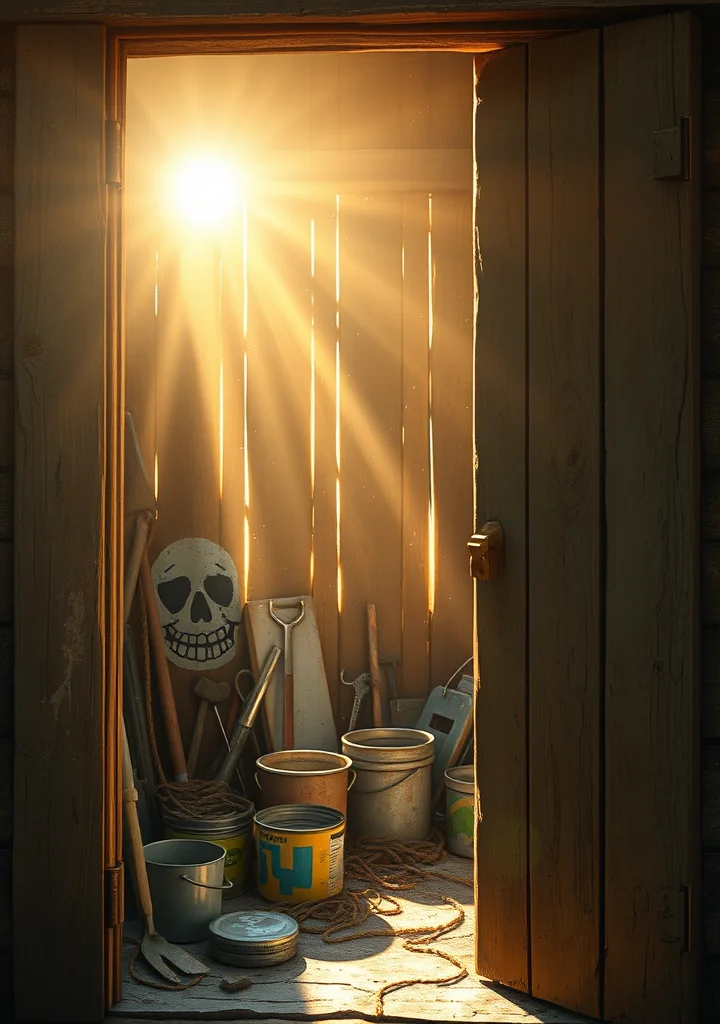
The scent of damp earth and woodsmoke clings to these pages, though no manor house bleeds into twilight here. Instead, a creeping dread arises from the ordinary—from a boy who unravels the seams of expectation. It’s a chill that doesn’t come from crumbling stone, but from the echoing, uncontainable mischief of youth. The narrative unfolds not in shadowed hallways, but in the sun-drenched chaos of a garden shed, a world built on impulsive logic and the delightful, unsettling power of a child’s will. A slow, insidious unraveling of adult composure, observed through a prism of jam-stained hands and grass-stained knees. The air thickens with the weight of unspoken consequences, the threat not of spectral horrors, but of utter, glorious, unrepentant disruption. A creeping unease settles as one witnesses the quiet rebellion against the suffocating order of a life deemed proper. The echoes of laughter become brittle, almost desperate, as the boundaries between play and havoc blur, leaving a residue of something unsettlingly, beautifully, *wild* in the quiet corners of the domestic sphere. It's a darkness found not in the absence of light, but in its relentless, unfiltered glare.
Copyright: Public Domain
This license allows anyone to use your story for any purpose, including printing, selling, or adapting it into a film freely.

Recommended for you
74 Part
The air hangs thick with brine and decay, clinging to the damp stone of the Breton manor like a shroud. Germinie, a creature born of the shadows and the sea’s cold kiss, is less woman than phantom, tethered to the decaying life of the de Touars by a devotion steeped in bitterness and shadowed longing. Each chipped porcelain doll, each faded silk gown she tends to, breathes the rot of a forgotten grandeur. The manor itself is a labyrinth of echoing corridors, where dust motes dance in slivers of light revealing portraits of a lineage consumed by ennui and vice. A suffocating intimacy blossoms between Germinie and the aged, invalid aristocrat she serves, an intimacy born not of passion but of shared isolation, of bodies failing within the confines of the crumbling estate. The narrative unravels as a slow poison, seeping into the foundations of the house and the hearts of those within. A feverish, suffocating atmosphere of obligation, resentment, and the morbid beauty of decay permeates every page, leaving the reader adrift in a perpetual twilight of unspoken desires and the suffocating weight of unfulfilled lives. The scent of lavender and mold clings to everything, mirroring the slow unraveling of Germinie’s spirit—a haunting presence woven into the very fabric of the decaying manor, a specter bound to the fate of a dying dynasty. The narrative breathes with the rhythm of the sea against the cliffs, a constant, mournful ebb and flow mirroring the decline of both body and mind.


75 Part
Dust motes dance in perpetual twilight within the rambling, suffocating confines of the Old Curiosity Shop, a place where time itself seems to fray at the edges. The air hangs thick with the scent of decay and forgotten dreams, clinging to the warped timbers and shadowed corners. A suffocating weight of secrets presses down, mirroring the burden carried by little Nell, a fragile bloom wilting under the gaze of avarice. The shop’s labyrinthine depths swallow light, revealing glimpses of grotesque relics—grimacing masks, tarnished silver, and the hollow eyes of forgotten dolls—each a silent witness to generations of loss. A creeping dread seeps from the very stones, fueled by the malevolent presence of Quilp, a creature born of spite and fueled by cruelty. The narrative unfolds not as a journey, but as a descent, spiraling deeper into a labyrinth of shadowed alleys and decaying grandeur. London itself breathes with a feverish pulse, a city of echoing footfalls and whispered conspiracies. Every encounter is veiled in ambiguity, every kindness shadowed by the looming threat of betrayal. The oppressive atmosphere is less a setting, and more a character—a suffocating entity that threatens to consume Nell and all she holds dear within its suffocating embrace. The antique objects are not merely curiosities, but fragments of fractured souls, each holding a piece of the shop’s decaying history. It is a world where innocence is a fragile currency, and darkness preys on the edges of hope.
2014 Part
A chill wind whispers through sun-bleached Spanish ruins, carrying the scent of brine and decay. Don Juan is not merely a man, but a shadow stretched long across a continent, a fever dream of indulgence and disillusionment. His journey is one of restless flight, not from justice, but from the suffocating weight of a world built on hypocrisy. Each port, each encounter, peels back another layer of gilded rot, revealing a darkness that clings to him like the salt spray on a decaying mast. The narrative unravels through fractured confessions, a labyrinth of wit and weariness where cynicism blooms like night-blooming cereus. Every smile is a reprieve from a deeper, unspoken grief; every embrace, a fleeting warmth against an encroaching cold. The Mediterranean burns with a feverish brilliance, mirroring the protagonist’s own self-consuming passions, while the echoes of battles – both won and lost – resonate in the hollow chambers of his heart. He drifts through aristocratic salons and Moorish harems, a phantom observer caught between desire and despair. The sea itself seems to conspire with his melancholic fate, drawing him towards a horizon perpetually shrouded in mist. His is a tale of exquisite ruin, where beauty and brutality intertwine, leaving the reader adrift in a sea of unanswered questions and the lingering scent of jasmine and gunpowder. A perpetual twilight clings to his existence, a haunting reminder that even the most dazzling brilliance casts the longest shadows.