
-
Read 311
-
0
-
Part 15
Completed, First published Mar 02, 2026
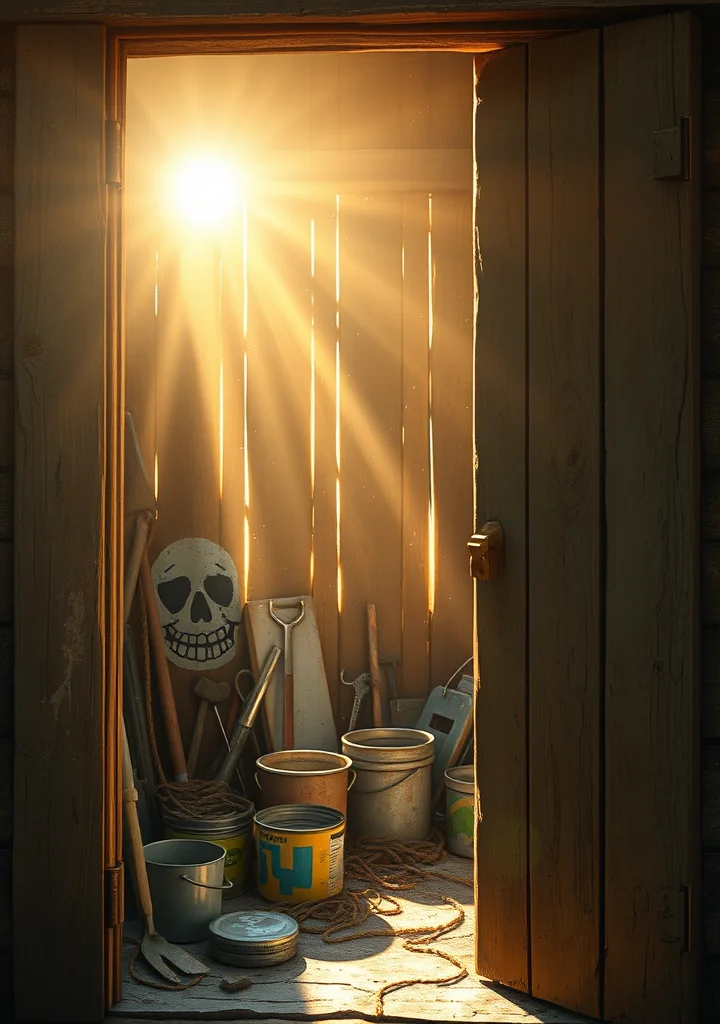
The scent of damp earth and woodsmoke clings to these pages, though no manor house bleeds into twilight here. Instead, a creeping dread arises from the ordinary—from a boy who unravels the seams of expectation. It’s a chill that doesn’t come from crumbling stone, but from the echoing, uncontainable mischief of youth. The narrative unfolds not in shadowed hallways, but in the sun-drenched chaos of a garden shed, a world built on impulsive logic and the delightful, unsettling power of a child’s will. A slow, insidious unraveling of adult composure, observed through a prism of jam-stained hands and grass-stained knees. The air thickens with the weight of unspoken consequences, the threat not of spectral horrors, but of utter, glorious, unrepentant disruption. A creeping unease settles as one witnesses the quiet rebellion against the suffocating order of a life deemed proper. The echoes of laughter become brittle, almost desperate, as the boundaries between play and havoc blur, leaving a residue of something unsettlingly, beautifully, *wild* in the quiet corners of the domestic sphere. It's a darkness found not in the absence of light, but in its relentless, unfiltered glare.
Copyright: Public Domain
This license allows anyone to use your story for any purpose, including printing, selling, or adapting it into a film freely.
This license allows anyone to use your story for any purpose, including printing, selling, or adapting it into a film freely.
Recommended for you