
-
Read 557
-
0
-
Part 40
Completed, First published Mar 02, 2026
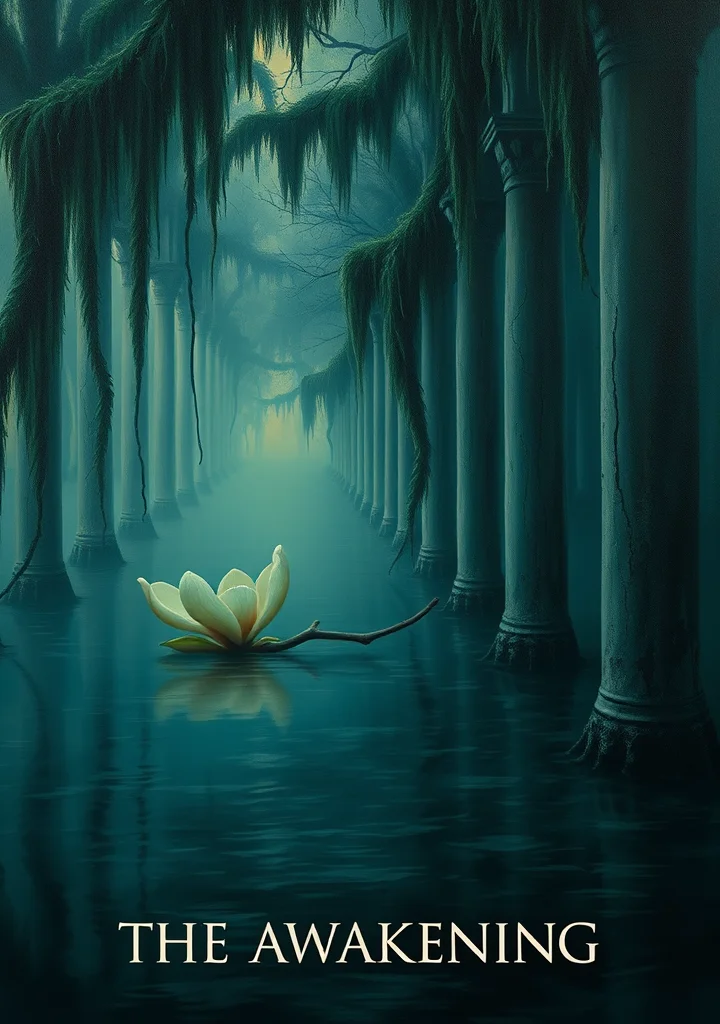
A suffocating humidity clings to the Louisiana bayou, mirroring the stifled desires within the heart of Edna Pontellier. The grand plantation houses, steeped in Spanish moss and shadowed by ancient live oaks, breathe with a languid decay mirroring the unraveling of societal expectations. Chopin’s narrative unfurls like a fever dream—a slow burn of discontent amidst the languor of Creole society. Each stolen glance, each whispered confession, ripples through the oppressive heat, threatening to shatter the delicate veneer of respectability. The scent of jasmine and decay intertwines with the rising tide of Edna’s awakening, a desperate yearning for selfhood blooming in a world determined to contain it. The narrative isn’t merely a story of infidelity, but a descent into a fractured psyche, haunted by the ghosts of expectation and the suffocating weight of a gilded cage. The sea, vast and indifferent, becomes both refuge and siren call—a chilling premonition of liberation found only in oblivion. The air hangs heavy with unspoken truths, a palpable dread building as Edna’s rebellion fractures the fragile equilibrium of her world, leaving a lingering taste of salt and sorrow in the humid night air.
Copyright: Public Domain
This license allows anyone to use your story for any purpose, including printing, selling, or adapting it into a film freely.
This license allows anyone to use your story for any purpose, including printing, selling, or adapting it into a film freely.
Chapter List
-
« The Awakening »📖 Continue Reading
-
« I »
-
« II »
-
« III »
-
« IV »
-
« V »
-
« VI »
-
« VII »
-
« VIII »
-
« IX »
-
« X »
-
« XI »
-
« XII »
-
« XIII »
-
« XIV »
-
« XV »
-
« XVI »
-
« XVII »
-
« XVIII »
-
« XIX »
-
« XX »
-
« XXI »
-
« XXII »
-
« XXIII »
-
« XXIV »
-
« XXV »
-
« XXVI »
-
« XXVII »
-
« XXVIII »
-
« XXIX »
-
« XXX »
-
« XXXI »
-
« XXXII »
-
« XXXIII »
-
« XXXIV »
-
« XXXV »
-
« XXXVI »
-
« XXXVII »
-
« XXXVIII »
-
« XXXIX »
40
-
« The Awakening »
-
« I »
-
« II »
-
« III »
-
« IV »
-
« V »
-
« VI »
-
« VII »
-
« VIII »
-
« IX »
-
« X »
-
« XI »
-
« XII »
-
« XIII »
-
« XIV »
-
« XV »
-
« XVI »
-
« XVII »
-
« XVIII »
-
« XIX »
-
« XX »
-
« XXI »
-
« XXII »
-
« XXIII »
-
« XXIV »
-
« XXV »
-
« XXVI »
-
« XXVII »
-
« XXVIII »
-
« XXIX »
-
« XXX »
-
« XXXI »
-
« XXXII »
-
« XXXIII »
-
« XXXIV »
-
« XXXV »
-
« XXXVI »
-
« XXXVII »
-
« XXXVIII »
-
« XXXIX »
More like this