
-
Read 847
-
0
-
Part 72
Completed, First published Mar 02, 2026
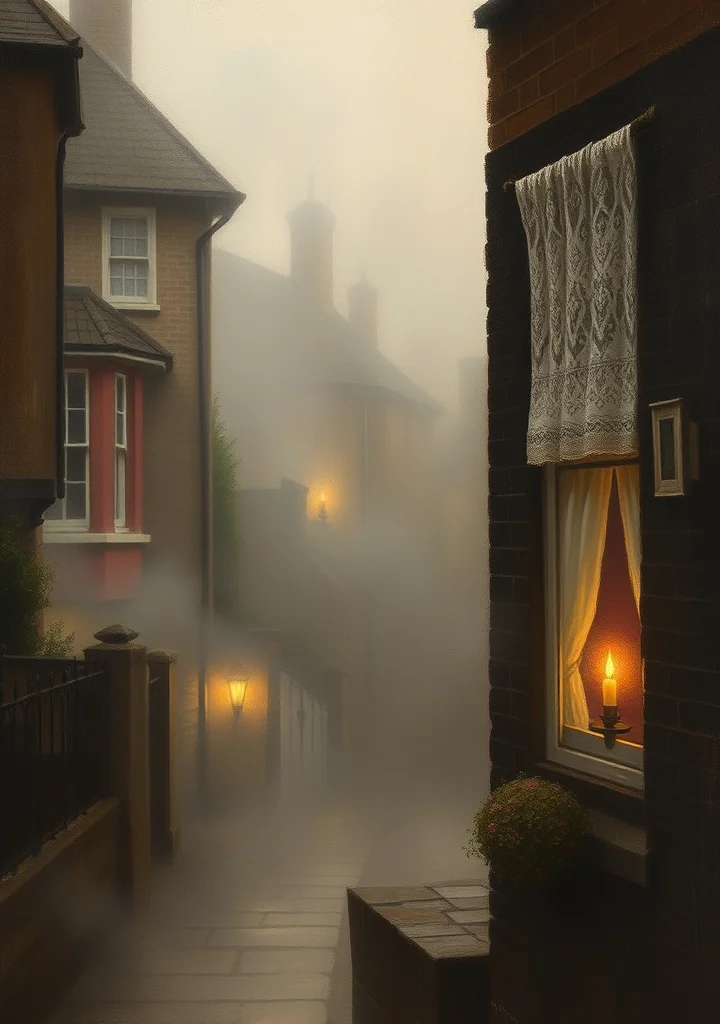
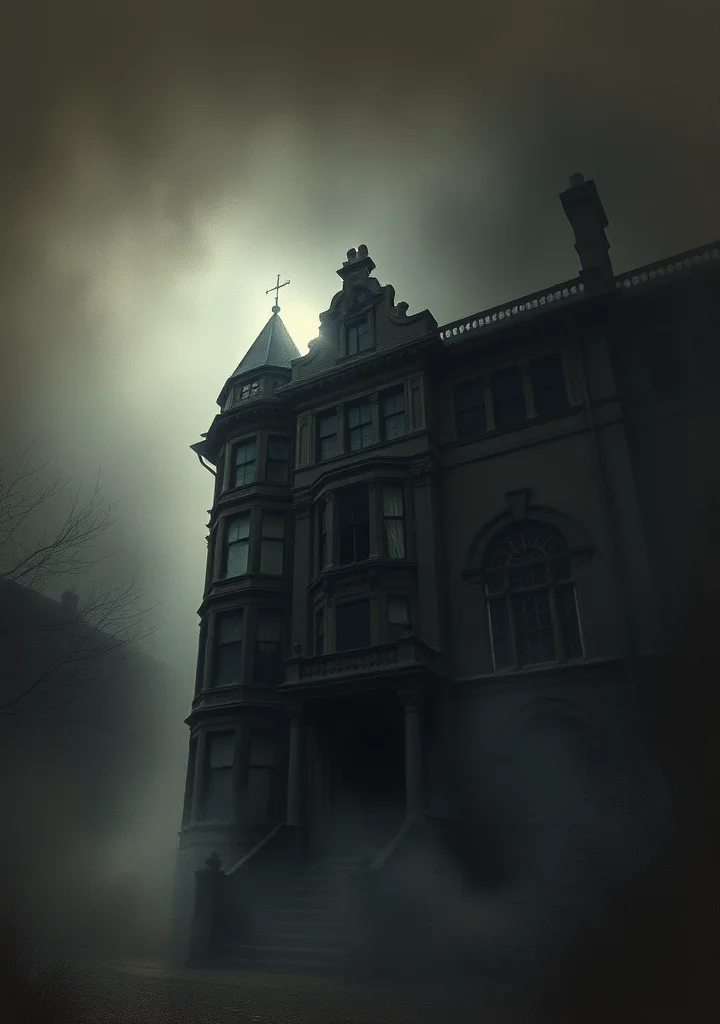
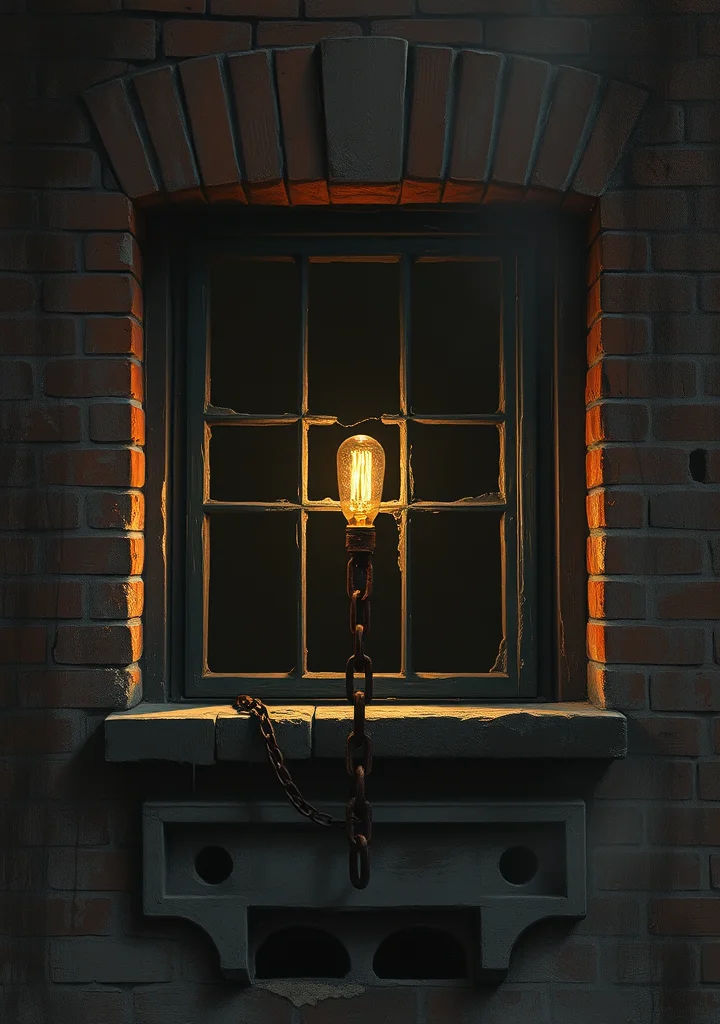
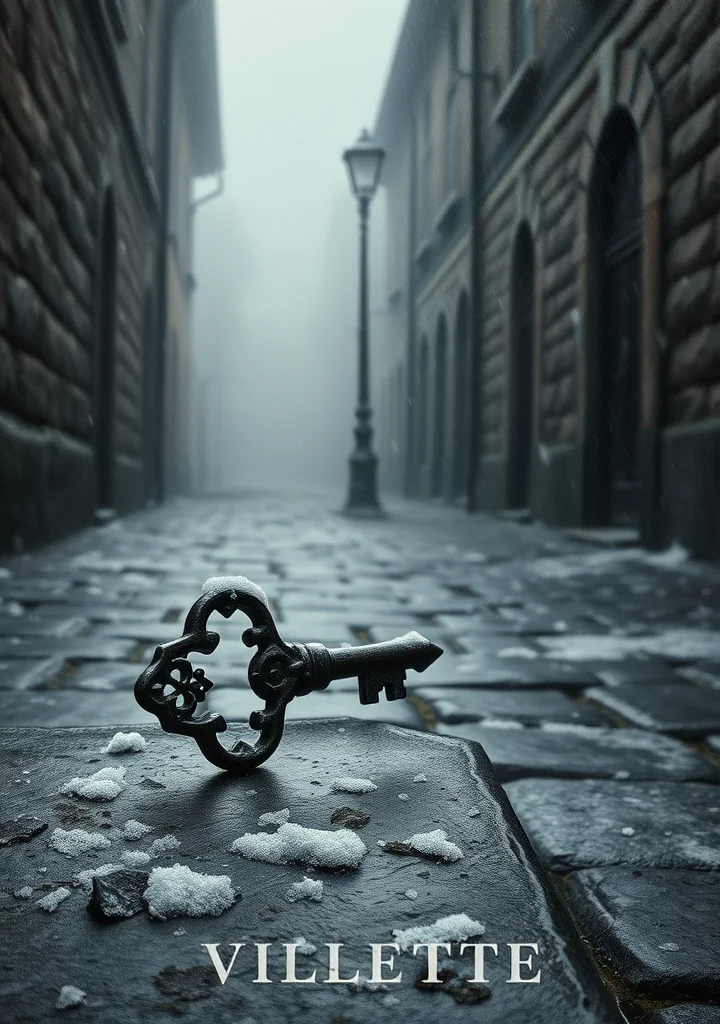
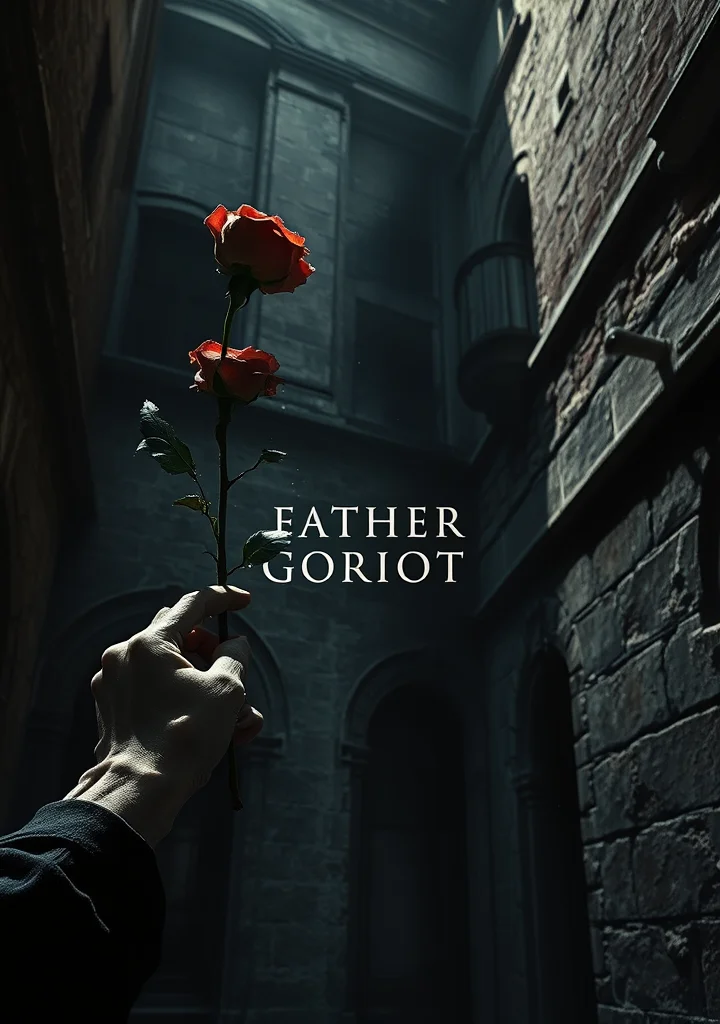
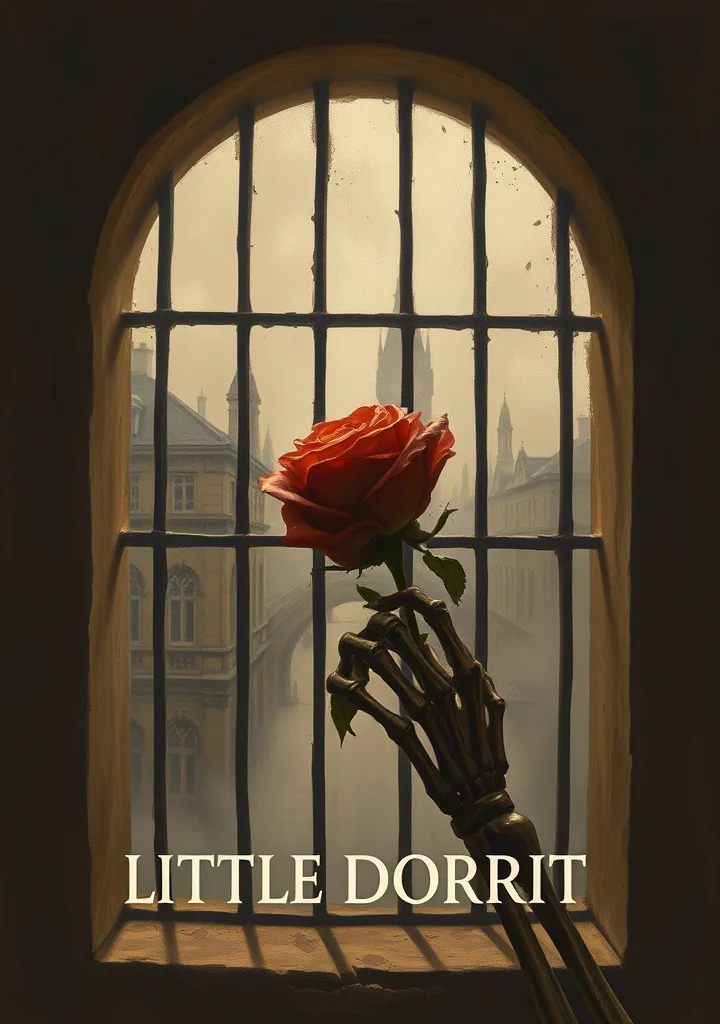
A perpetual twilight clings to the Dorrit family, born within the suffocating walls of the Marshalsea Debtors’ Prison. Dust motes dance in the shafts of pallid sunlight that penetrate the gloom, illuminating a world built on inherited despair. The narrative unfolds not as a story of escape, but of entrenchment – a slow, creeping rot within the heart of London’s shadowed districts. A suffocating domesticity, laced with the scent of decay and stale hope, pervades every corner. The city itself breathes a feverish sickness, its cobblestones slick with rain and regret. The weight of ancestral debts presses down like a leaden shroud, mirroring the labyrinthine streets where shadows stretch and lengthen, obscuring the boundaries between freedom and imprisonment. There’s a fragility to the light, a constant sense of something crumbling beneath a veneer of civility. Even the briefest glimpses of sun-drenched fields feel haunted by the prison’s pervasive darkness. The narrative whispers of forgotten inheritances, of lives spent meticulously charting the boundaries of their own cages, and the suffocating intimacy of a family bound by misfortune, not love. A creeping melancholy clings to the prose, a sense of inevitability that echoes in the hollow chambers of the heart. It’s a world where the smallest kindness feels like a desperate plea against oblivion, and where every act of charity is stained with the knowledge of inevitable loss.
Copyright: Public Domain
This license allows anyone to use your story for any purpose, including printing, selling, or adapting it into a film freely.
This license allows anyone to use your story for any purpose, including printing, selling, or adapting it into a film freely.
Chapter List
-
« Little Dorrit »📖 Continue Reading
-
« Preface to the1857Edition »
-
« I »
-
« II »
-
« III »
-
« IV »
-
« V »
-
« VI »
-
« VII »
-
« VIII »
-
« IX »
-
« X »
-
« XI »
-
« XII »
-
« XIII »
-
« XIV »
-
« XV »
-
« XVI »
-
« XVII »
-
« XVIII »
-
« XIX »
-
« XX »
-
« XXI »
-
« XXII »
-
« XXIII »
-
« XXIV »
-
« XXV »
-
« XXVI »
-
« XXVII »
-
« XXVIII »
-
« XXIX »
-
« XXX »
-
« XXXI »
-
« XXXII »
-
« XXXIII »
-
« XXXIV »
-
« XXXV »
-
« XXXVI »
-
« I »
-
« II »
-
« III »
-
« IV »
-
« V »
-
« VI »
-
« VII »
-
« VIII »
-
« IX »
-
« X »
-
« XI »
-
« XII »
-
« XIII »
-
« XIV »
-
« XV »
-
« XVI »
-
« XVII »
-
« XVIII »
-
« XIX »
-
« XX »
-
« XXI »
-
« XXII »
-
« XXIII »
-
« XXIV »
-
« XXV »
-
« XXVI »
-
« XXVII »
-
« XXVIII »
-
« XXIX »
-
« XXX »
-
« XXXI »
-
« XXXII »
-
« XXXIII »
-
« XXXIV »
72
-
« Little Dorrit »
-
« Preface to the1857Edition »
-
« I »
-
« II »
-
« III »
-
« IV »
-
« V »
-
« VI »
-
« VII »
-
« VIII »
-
« IX »
-
« X »
-
« XI »
-
« XII »
-
« XIII »
-
« XIV »
-
« XV »
-
« XVI »
-
« XVII »
-
« XVIII »
-
« XIX »
-
« XX »
-
« XXI »
-
« XXII »
-
« XXIII »
-
« XXIV »
-
« XXV »
-
« XXVI »
-
« XXVII »
-
« XXVIII »
-
« XXIX »
-
« XXX »
-
« XXXI »
-
« XXXII »
-
« XXXIII »
-
« XXXIV »
-
« XXXV »
-
« XXXVI »
-
« I »
-
« II »
-
« III »
-
« IV »
-
« V »
-
« VI »
-
« VII »
-
« VIII »
-
« IX »
-
« X »
-
« XI »
-
« XII »
-
« XIII »
-
« XIV »
-
« XV »
-
« XVI »
-
« XVII »
-
« XVIII »
-
« XIX »
-
« XX »
-
« XXI »
-
« XXII »
-
« XXIII »
-
« XXIV »
-
« XXV »
-
« XXVI »
-
« XXVII »
-
« XXVIII »
-
« XXIX »
-
« XXX »
-
« XXXI »
-
« XXXII »
-
« XXXIII »
-
« XXXIV »
More like this