
Lilith
  • 210
  • 0
  • 51
  • Reads 210
  • 0
  • Part 51
Completed, First published Mar 02, 2026

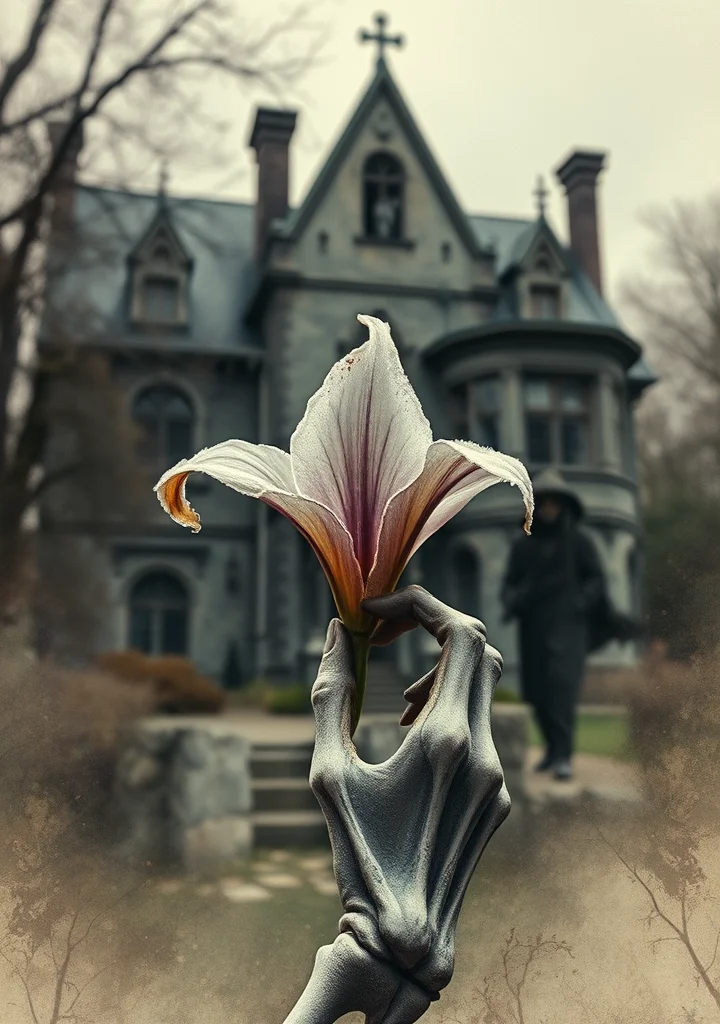
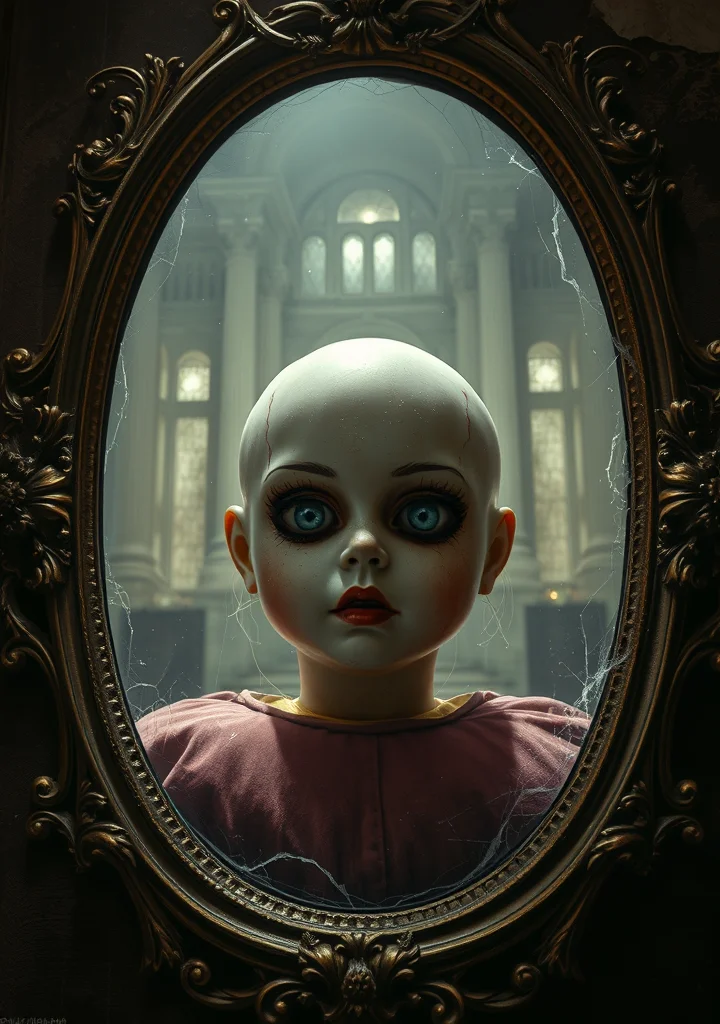
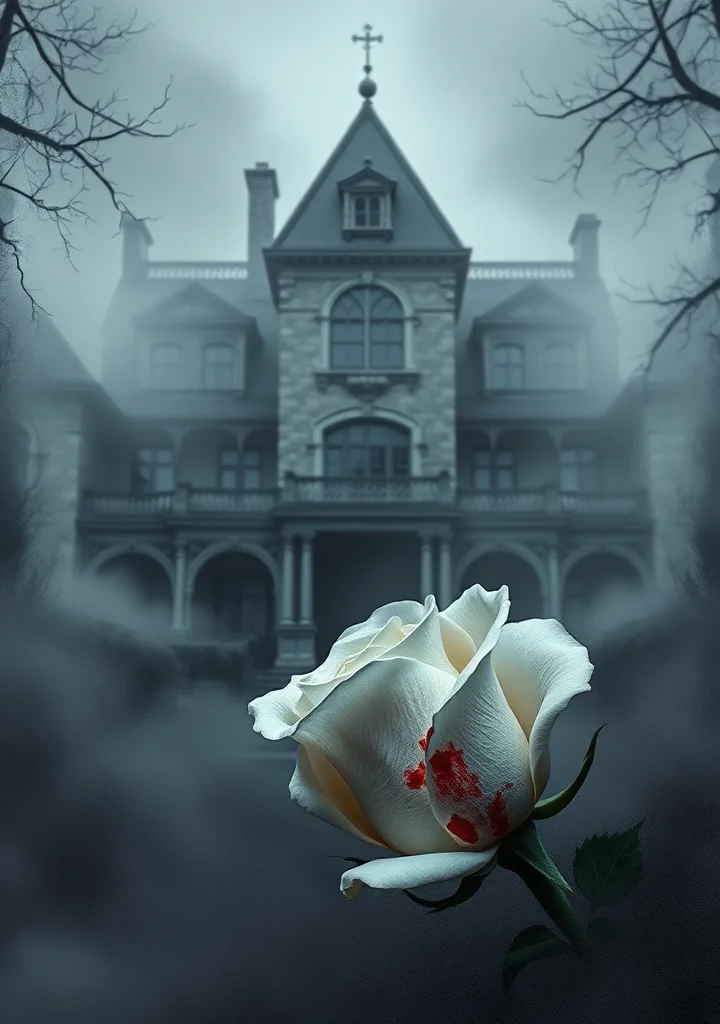
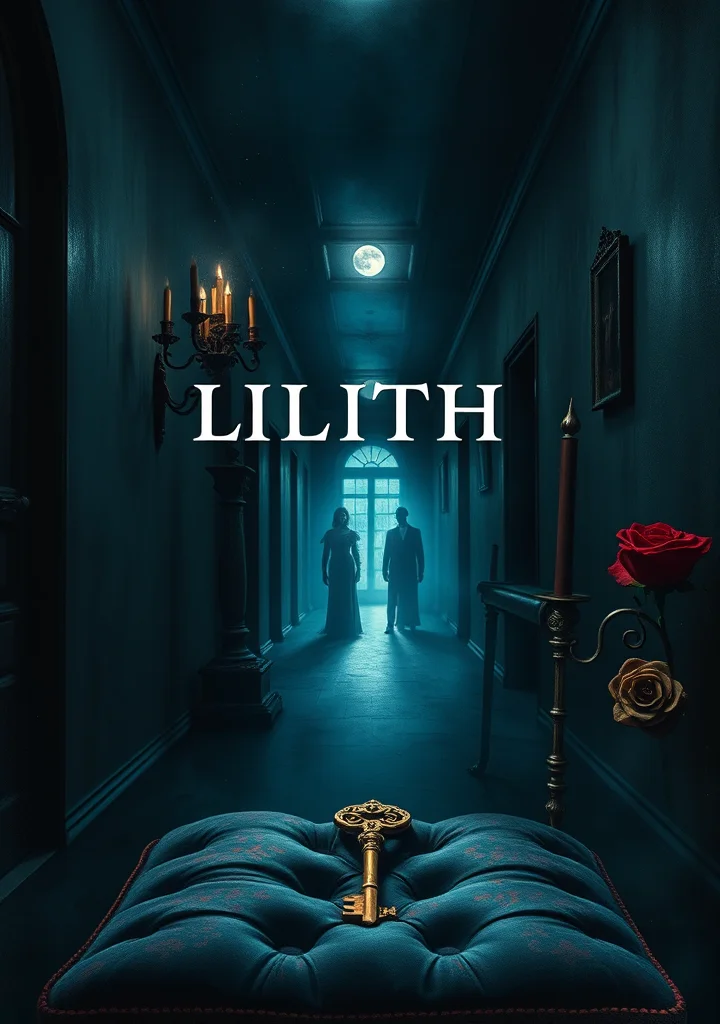
A creeping dread clings to the shadowed halls of Lilith, a tale spun from the decaying threads of Victorian piety and the suffocating bloom of pre-Raphaelite melancholy. MacDonald doesn’t offer simple ghosts, but a haunting inheritance of sorrow woven into the very stones of a crumbling manor. The air is thick with the scent of damp earth and forgotten prayers, as a young woman, awakened from a feverish sleep, finds herself bound to a legacy of spectral griefs. Her world is one of languid decay, where portraits weep with unseen tears and the weight of ancestral despair presses down like velvet shrouds. The house itself breathes – a living organism of sorrow, its chambers echoing with the whispers of those long vanished. A strange, ethereal presence, both alluring and terrifying, claims dominion over the estate, weaving a web of influence that ensnares the heroine in a dance with shadows. The narrative unfolds not with the clang of gothic horror, but with the slow drip of melancholia, the rustle of unseen silk, and the chilling realization that the boundaries between dream and reality, life and death, are porous and fragile. It is a story of inheritance not of wealth, but of affliction, a descent into the labyrinthine depths of a soul haunted by a past it can scarcely comprehend, yet is irrevocably bound to endure. A subtle poison of unease permeates every page, promising not a violent climax, but a quiet, insidious unraveling of the self within the suffocating embrace of Lilith’s spectral dominion.
Copyright: Public Domain
This license allows anyone to use your story for any purpose, including printing, selling, or adapting it into a film freely.
Chapter List
Recommended for you
18 Part
Dust motes dance in the perpetual twilight of N’Baro, a forgotten colony world clinging to the edge of known space. Here, amidst the crumbling remnants of a long-dead civilization, a single, childlike creature—fuzzy, gentle, and utterly alien—is discovered. But this is not merely a find for curious xenologists. This ‘fuzzy’ possesses a mind, a latent intelligence woven into the very fabric of the planet’s strange flora. The story unfolds not as a grand space opera, but as a creeping dread. The silence of the abandoned cities is broken only by the rustle of unseen things in the jungle, and the echoing questions of a man named Blakes who finds himself entangled in its mysteries. The atmosphere is one of pervasive isolation, a sense of being watched by something ancient and indifferent. The crumbling structures are not merely ruins; they are bone cages, echoing with the ghosts of a forgotten race. A slow burn of paranoia grips N’Baro as the truth of the ‘fuzzy’ unravels. It’s a world where the line between predator and prey, sentience and savagery, blurs in the humid air. The colony is not merely threatened by the creature, but by the echoes of its past—a past that suggests the very planet itself is alive, and that humanity has stumbled into the domain of something profoundly, terrifyingly *other*. The narrative is haunted by the weight of centuries, and the chilling realization that what lies hidden within the jungle isn’t merely an anomaly, but a reflection of humanity's own desperate, grasping ambition.
62 Part
Dust motes dance in the fading light of provincial chateaux, mirroring the slow decay of ambition and the brittle fragility of hope. These letters, unearthed from forgotten bureaux and damp attics, whisper of two women bound by circumstance and the suffocating weight of societal expectation. One, a bride purchased for lineage, haunted by the spectral echoes of a loveless marriage. The other, a bride of convenience, her youth traded for the preservation of a crumbling estate. The narrative unfolds not in grand pronouncements, but in the tremor of a penned word, the bleed of ink mirroring the slow erosion of their spirits. Each missive is a fragment of a fractured life, stained with the bitter residue of betrayal, the chill of isolation, and the gnawing desperation for a love that exists only in the shadowed corners of their dreams. A pervasive melancholy clings to the pages, thick as the fog that shrouds the ancestral homes. The air hangs heavy with the scent of dying roses and the unspoken resentments that fester beneath layers of silk and lace. The landscapes—bleak vineyards, crumbling manors, and the oppressive silence of shadowed forests—become extensions of the women's internal landscapes: barren, desolate, and haunted by the ghosts of promises broken. The letters themselves are not merely communication, but desperate pleas cast into a void, each echoing with the chilling realization that they are trapped within a labyrinth of obligation and despair, their fates inextricably intertwined with the decaying grandeur of a bygone era.
26 Part
Dust motes dance in the perpetual twilight of Blackwood Penitentiary, where Elias Thorne, a cartographer of forgotten grief, meticulously charts the unraveling minds of the condemned. He doesn’t map territories of land, but the labyrinthine landscapes of despair etched onto the letters of the dead – missives intercepted from beyond the veil, penned by those who’ve tasted oblivion. Each spectral script is a fragment of a final reckoning, a whispered confession bleeding through the paper like ichor. The prison itself breathes with a cold, damp sorrow, the stones weeping with the memories of generations swallowed by its maw. Thorne believes the letters aren’t simply *about* death, but *from* it – echoes of fractured souls attempting to rebuild themselves from the wreckage of their final moments. But as he deciphers their chilling prose, a pattern emerges: a recurring symbol, a name whispered in every fractured script, and a creeping realization that Blackwood isn’t merely holding the dead, but *creating* them. The air thickens with the scent of decay and regret. Shadows cling to the corners of Thorne’s workshop, mirroring the shapes of his own unraveling sanity. He’s not just reading the dead’s last words; he’s becoming possessed by their final, suffocating breaths. The prison isn’t just a place of confinement; it's a crucible where the boundaries between the living and the dead dissolve, and the letters become keys to a descent into a darkness that consumes all who dare to decipher its secrets. The silence isn’t empty, but pregnant with the screams of those lost within the stone, waiting to be reborn from the ink of forgotten letters.