
Agnes Grey
  • 164
  • 0
  • 26
  • Reads 164
  • 0
  • Part 26
Completed, First published Mar 02, 2026

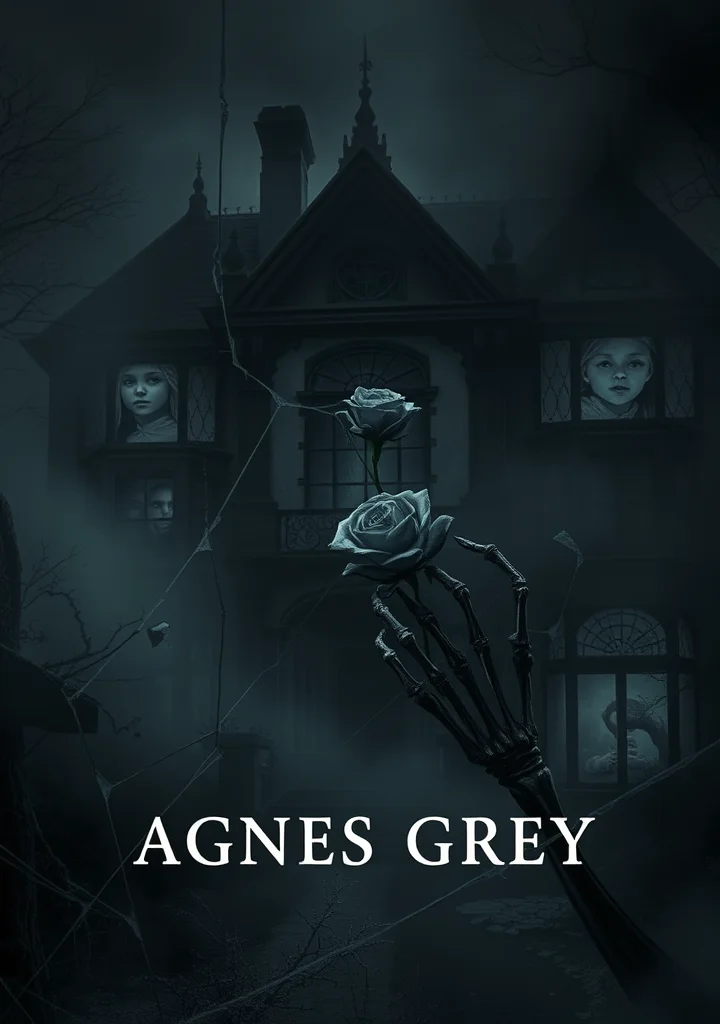
A pall of perpetual twilight clings to the shadowed corners of Agnes Grey’s existence, a life rendered in shades of grey as muted as the moorland mists. The narrative unfolds like a slow bleed of loneliness, charting a descent into the quiet desperation of a governess adrift amongst the brutal whims of children and the cold indifference of a decaying aristocracy. Every drawing room, every nursery, breathes with a stifled melancholy, mirroring the protagonist’s own constricted heart. The novel isn’t one of grand horrors, but of insidious, creeping despair—the damp chill of isolation seeping into bone, the suffocating weight of unrequited affections. A suffocating stillness pervades, broken only by the brittle laughter of spoiled heirs and the rustling of secrets within darkened hallways. The very air hangs heavy with unspoken grievances and the ghosts of broken promises, leaving the reader steeped in a suffocating atmosphere of polite cruelty and the slow, relentless erosion of hope. A landscape of fractured affections and unyielding social constraints, where the true torment lies not in dramatic outbursts but in the agonizing silence of a spirit slowly fading into the shadows.
Copyright: Public Domain
This license allows anyone to use your story for any purpose, including printing, selling, or adapting it into a film freely.
Recommended for you
40 Part
Beneath a cyclopean stone, older than continents, lies a darkness mirroring the abyss of prehistory. Merritt’s Moon Pool is not merely a story of exploration, but a descent into a primeval nightmare sculpted from living rock and phosphorescent decay. The air hangs thick with the scent of brine and something ancient, something *wrong*—a fragrance of cyclopean carvings and the echoing cries of creatures birthed from lunar madness. Here, where the sun’s touch feels like a violation, the narrative clings to the slick, obsidian walls of a cavern carved by hands that predate humankind. A creeping dread permeates every passage, as the protagonists, drawn by obsession and the promise of immortality, find themselves swallowed by a world where the boundaries between dream and reality dissolve. The Pool itself pulses with a sickly luminescence, a beckoning grave for those who dare to gaze upon its depths. The architecture is less built than *grown*, a calcified labyrinth of forgotten gods and the skeletal remains of civilizations consumed by the stone. It is a place where the echoes of screams mingle with the rhythmic drip of water, and where the only certainty is the suffocating weight of the moon’s cold, unblinking gaze. Every shadow conceals something monstrous, every silence harbors the breath of something utterly alien. The narrative unfolds not as a progression, but as a slow, agonizing erosion of sanity, mirroring the slow dissolution of the explorers into the very stone that birthed their doom.
80 Part
Dust motes dance in the sun-bleached ruins of expectation. A brittle, ironic heat hangs over the Mediterranean, mirroring the slow decay of American idealism. These are not pilgrims seeking salvation, but specters adrift in a land of ancient shadows, their grand tour a procession of naive collisions with the ghosts of empires past. The air itself seems to mock their earnest inquiries, whispering of forgotten gods and the corrosive weight of history. Each meticulously chronicled observation, each well-intentioned jest, is a chipped tile in a crumbling mosaic of delusion. A creeping unease settles amongst the travelers as the landscape bleeds into their souls—a sickness of wonder and disappointment. The catacombs breathe secrets onto their faces, the Roman ruins echo with the laughter of long-dead emperors at their folly, and the very stones of Jerusalem seem to judge their presumptions. They are haunted by the silence of centuries, the weight of stone, and the hollow echo of their own unfulfilled desires. The Innocents, adrift on a sea of expectation, find themselves mirrored in the hollow eyes of ancient statues—each a testament to the futility of human ambition. The sun scorches not only the earth but also the fragile veneer of their optimism, revealing the creeping rot beneath the polished surfaces of their faith. This journey is not a revelation, but an excavation of the heart’s own barren landscape. It is a slow descent into the sepulcher of lost innocence, where the only monuments are the ruins of their own making.
23 Part
Dust motes dance in the long shadows of plantation houses, even after the master’s reign has crumbled. This is not a tale of polished triumph, but one clawed from the earth with bleeding hands and a spirit forged in the kiln of hardship. A suffocating humidity clings to the narrative, thick with the scent of pine needles and the unspoken grief of generations. Every step forward is measured in loss—loss of kin, of dignity, of the very earth beneath bare feet. The weight of chains, though broken, echoes in the hollows of every achievement. The story breathes with the stifled cries of children sold like livestock, the rasp of a plow dragged across unforgiving soil, and the quiet desperation of a people rebuilding not just homes, but souls. It isn’t a light that illuminates this path, but a flickering ember—a fragile warmth against a backdrop of perpetual twilight. There’s a spectral presence in the classrooms built from scraps, a haunting in the faces of those who learn to read by the dim glow of a borrowed candle. The narrative doesn’t soar; it *rises* – slowly, agonizingly, from the mire of injustice. It’s a landscape etched with the ghosts of promises broken and the thorns of deferred dreams. A creeping unease permeates even the victories, for even in freedom, the shadow of the whip never fully dissipates. This is a story of resurrection, yes, but one born from the grave—a testament to endurance carved in bone and stained with tears.