
-
Read 256
-
0
-
Part 14
Completed, First published Mar 02, 2026
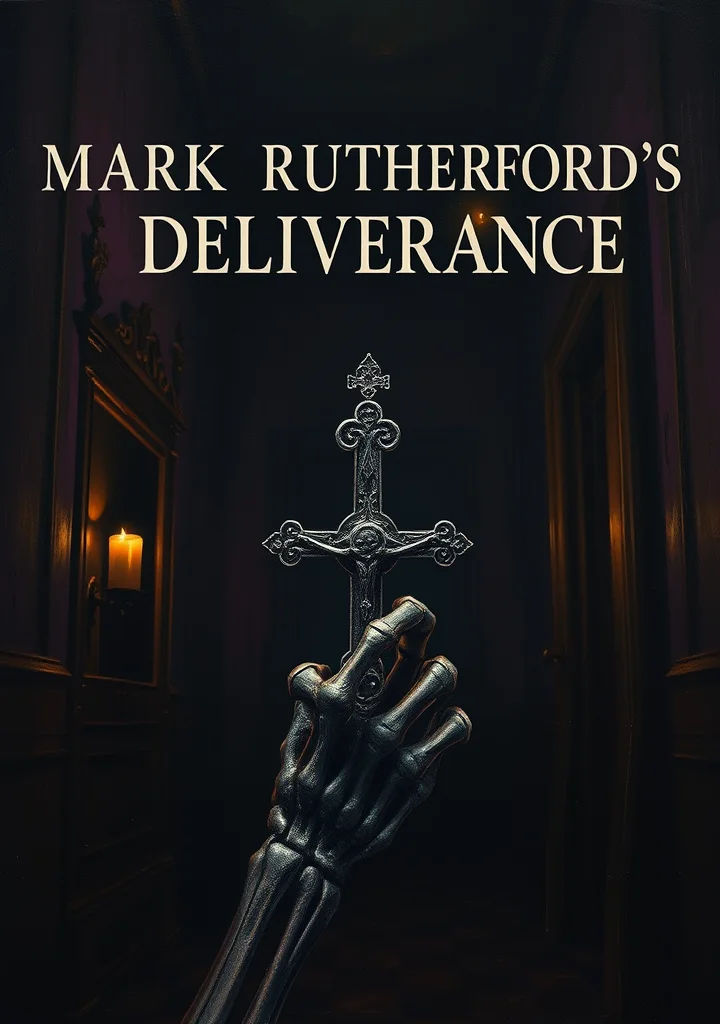
A creeping dread clings to the damp stone of Rutherford’s Deliverance. The narrative unfolds within a suffocatingly pious household, where shadows lengthen with each whispered prayer and the weight of inherited sin presses upon a young man’s fragile faith. This is a story not of grand horrors, but of the rot blossoming within the heart of respectability, a slow erosion of the soul mirrored in the decaying grandeur of a provincial manor.
The air is thick with the scent of mildew and unspoken resentments. We move through dim corridors, haunted by the stifled cries of women driven to madness by devotion and the suffocating silence of men consumed by their own righteousness. The prose itself is a slow bleed of melancholy, mirroring the protagonist’s descent into a spiritual wilderness where the line between salvation and damnation blurs with each passing night.
Expect not leaping ghouls or spectral apparitions, but the chilling realization that the most monstrous entities are born not of the supernatural, but of the human heart—twisted by pride, fueled by hypocrisy, and suffocated by the suffocating embrace of a God who seems to turn a blind eye to the suffering within His own house. The deliverance offered is not one of escape, but of a harrowing confrontation with the darkness within, a reckoning that leaves the reader shivering long after the final page is turned.
Copyright: Public Domain
This license allows anyone to use your story for any purpose, including printing, selling, or adapting it into a film freely.
This license allows anyone to use your story for any purpose, including printing, selling, or adapting it into a film freely.
More like this