
-
Read 442
-
0
-
Part 39
Completed, First published Mar 02, 2026
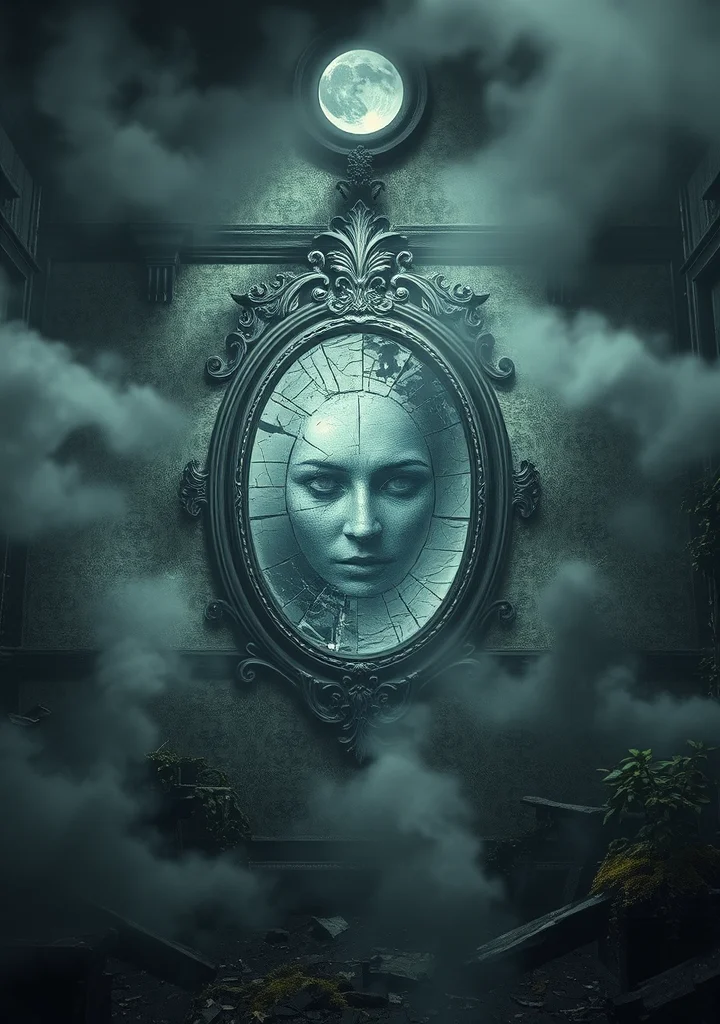
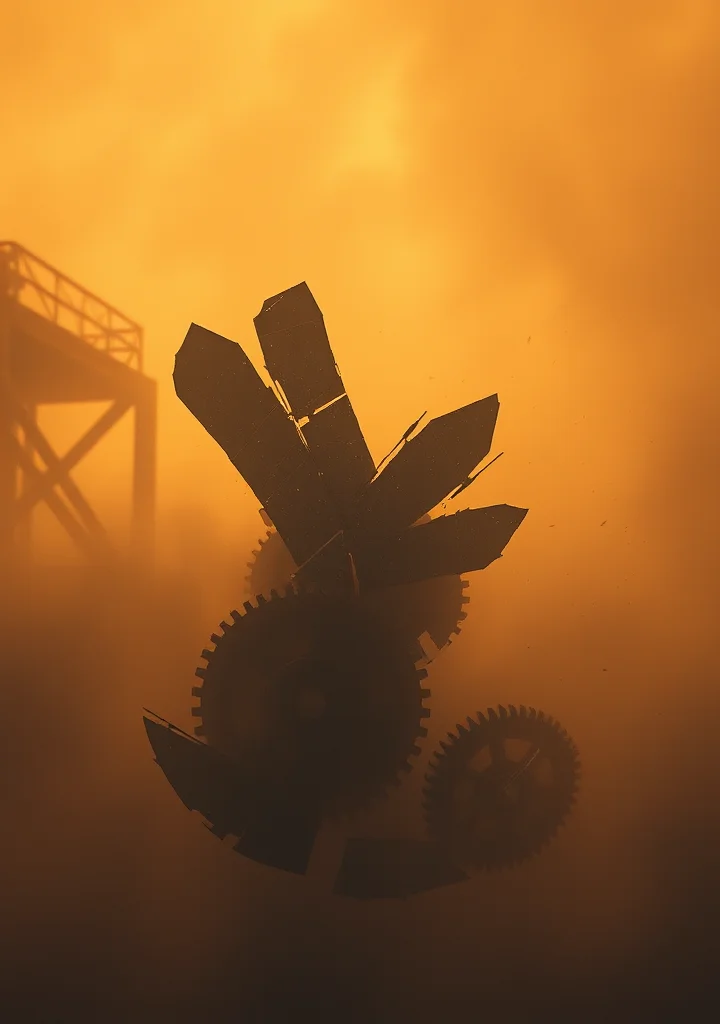
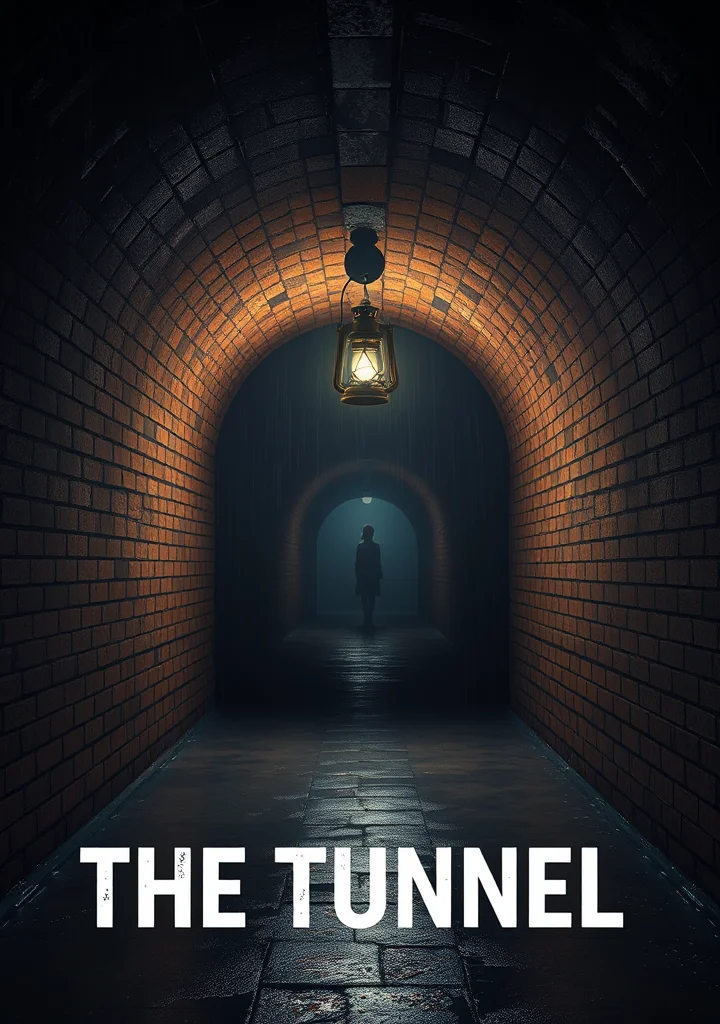
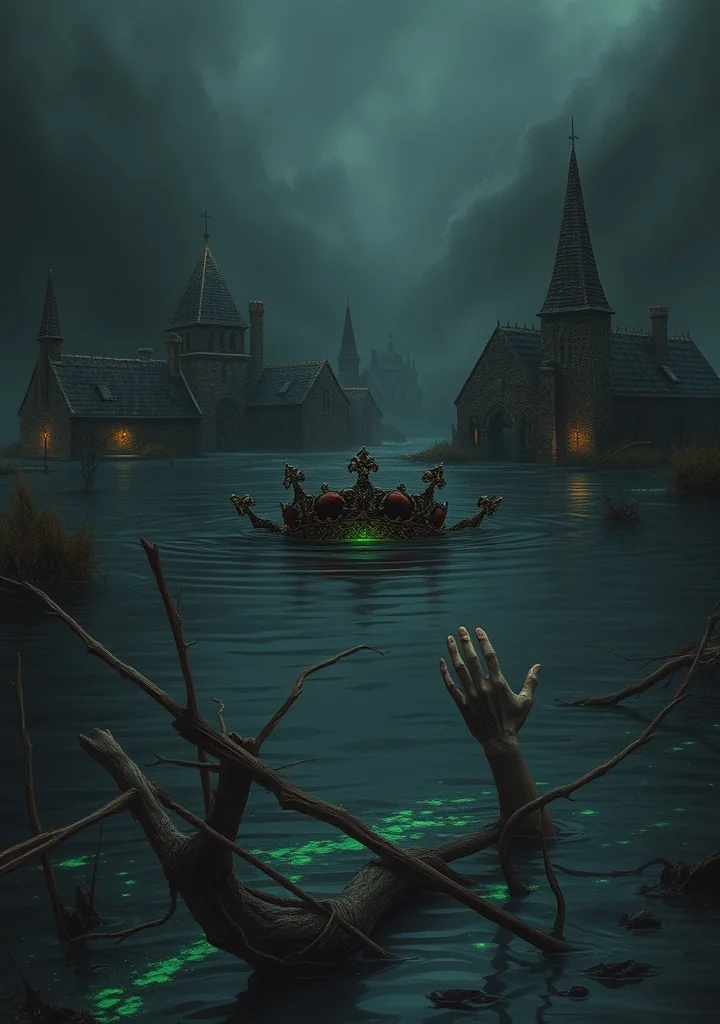
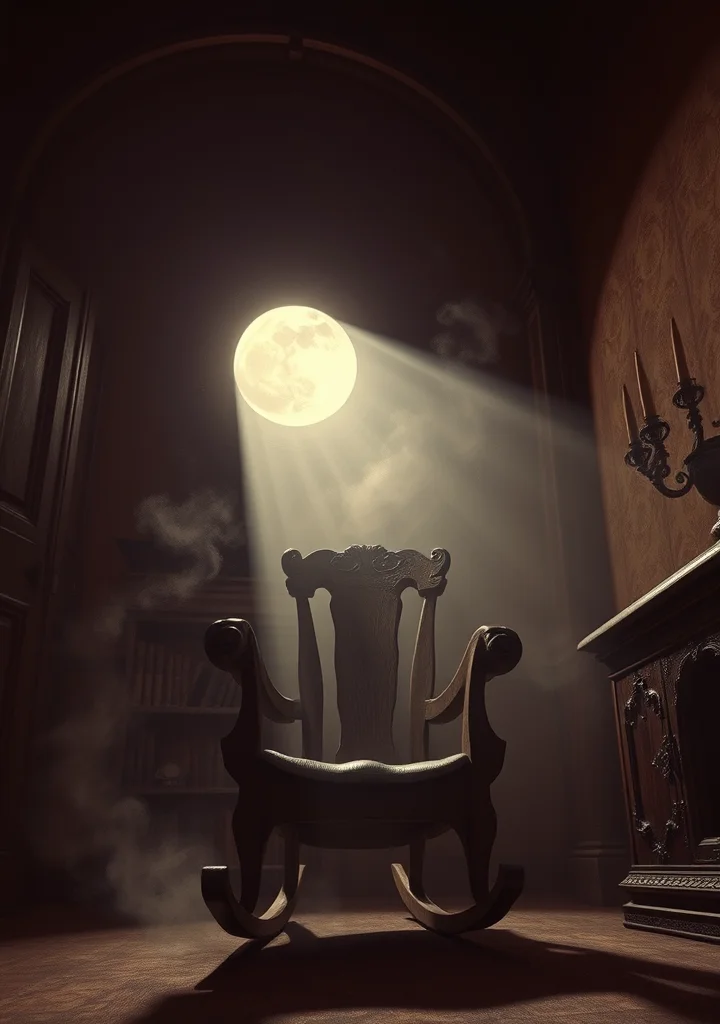
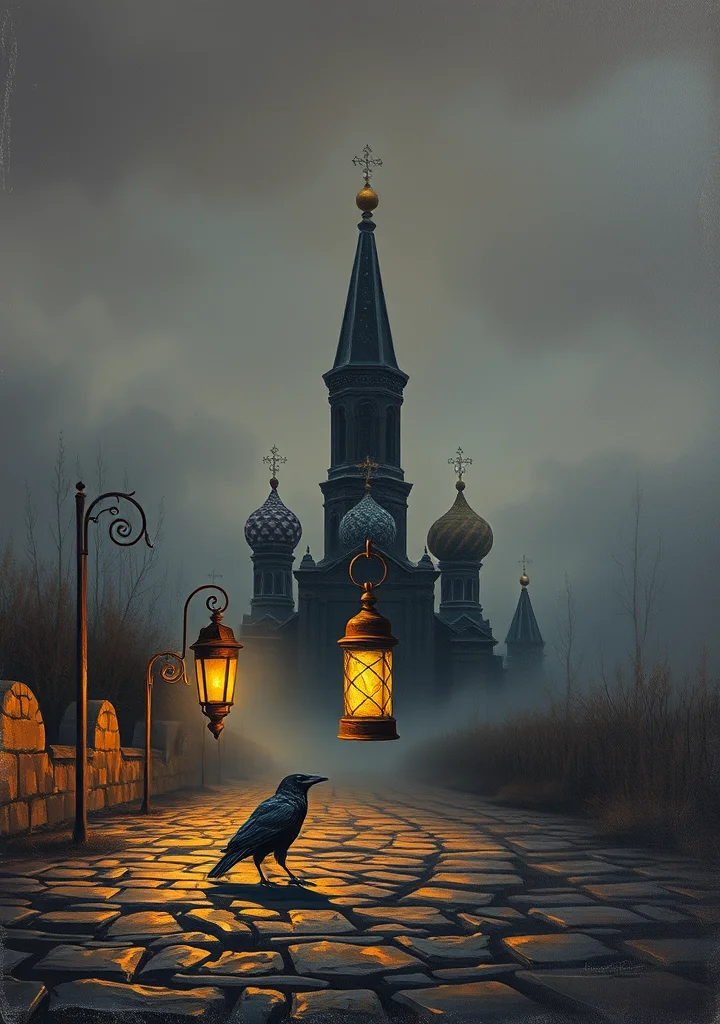
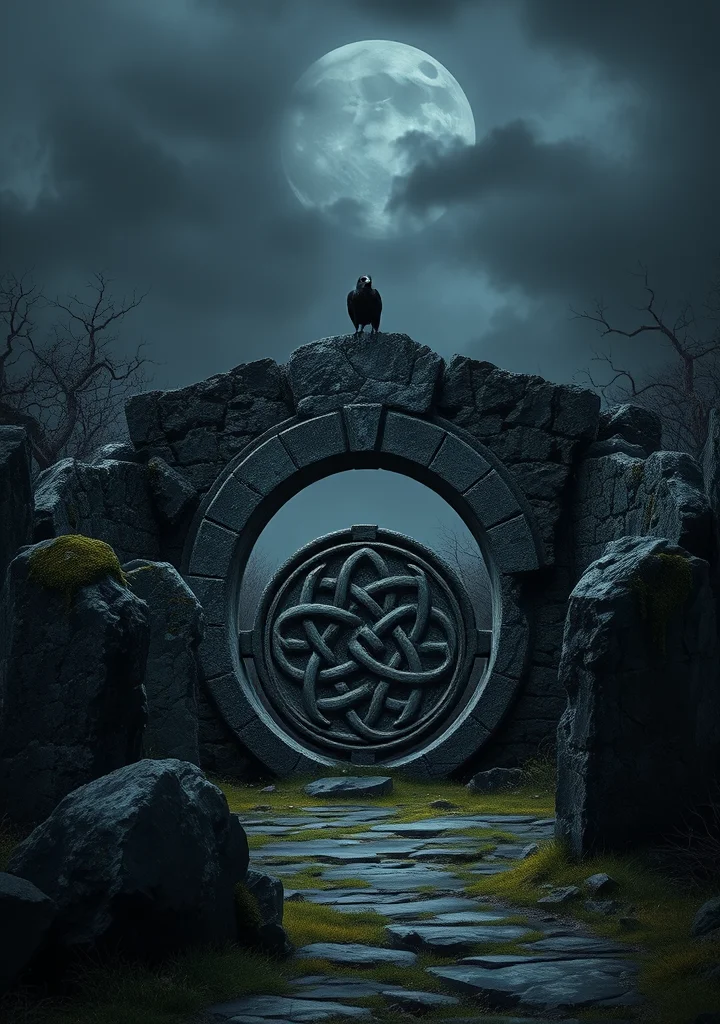
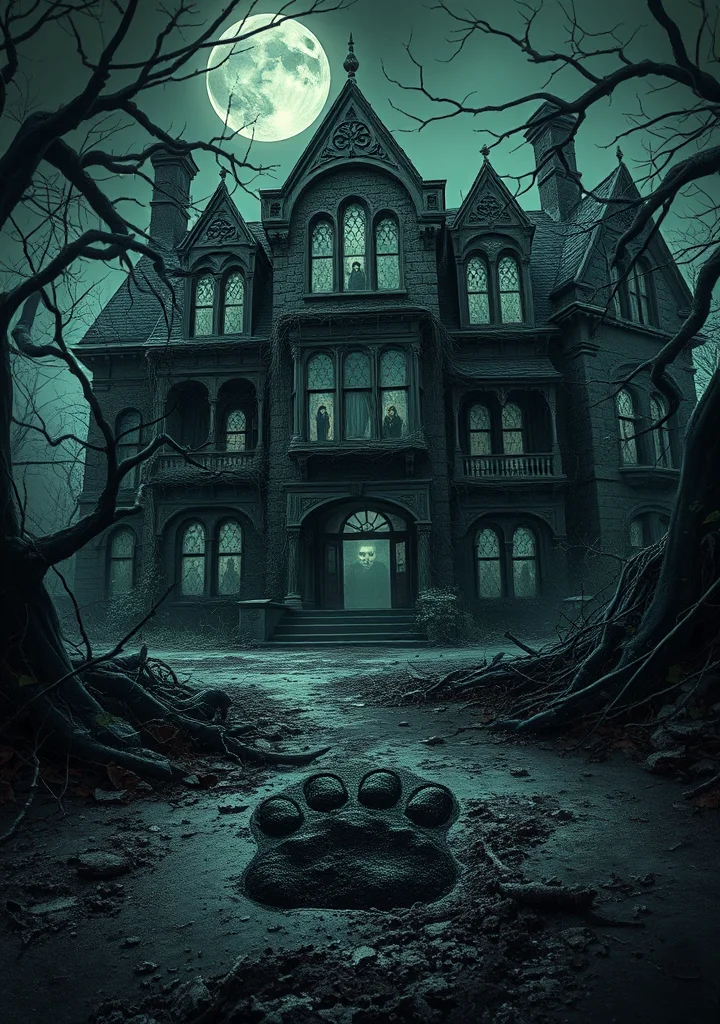
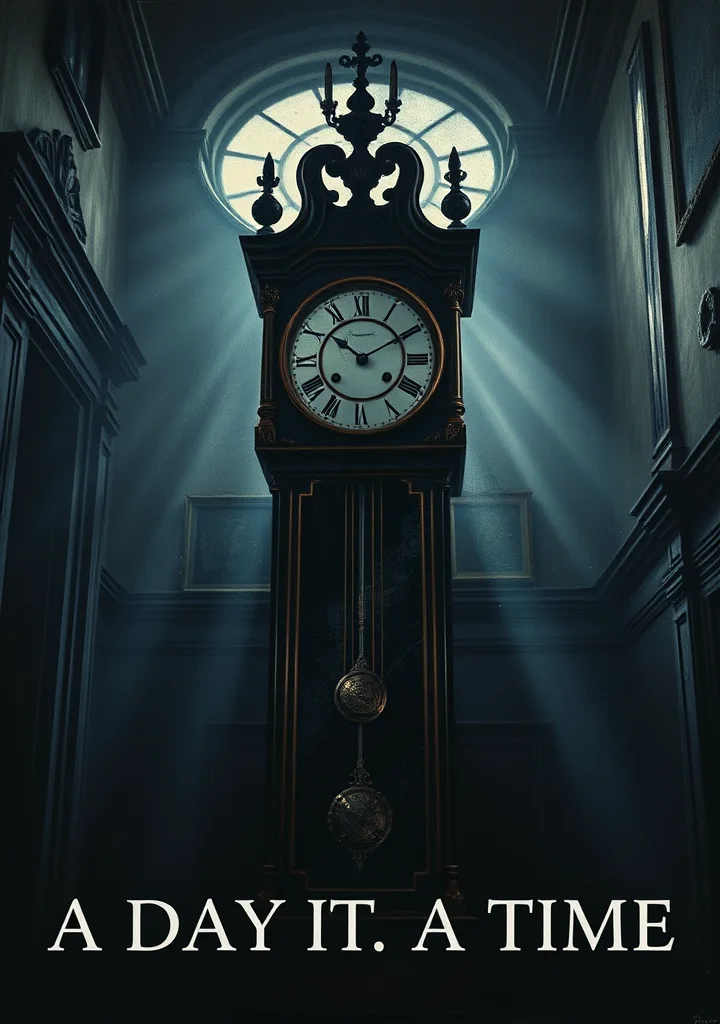
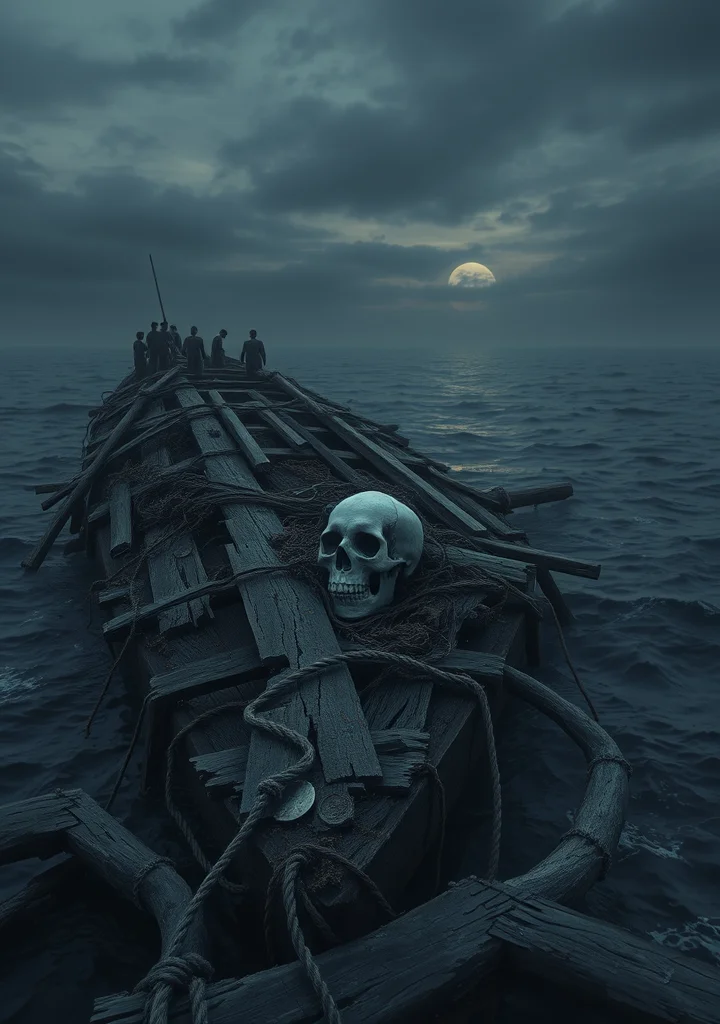
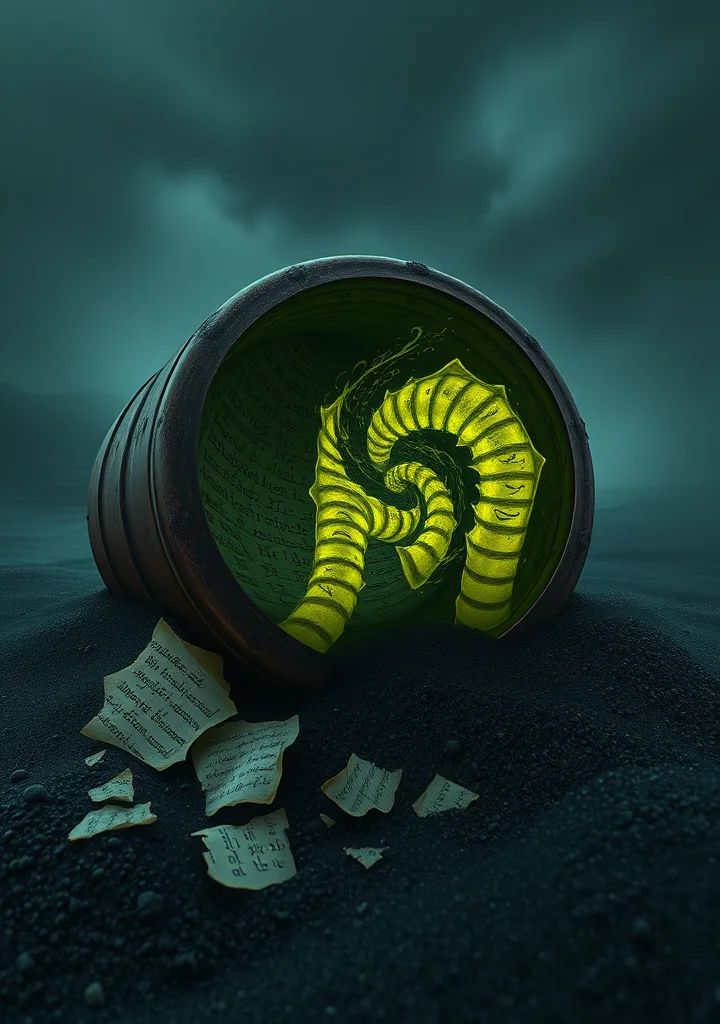
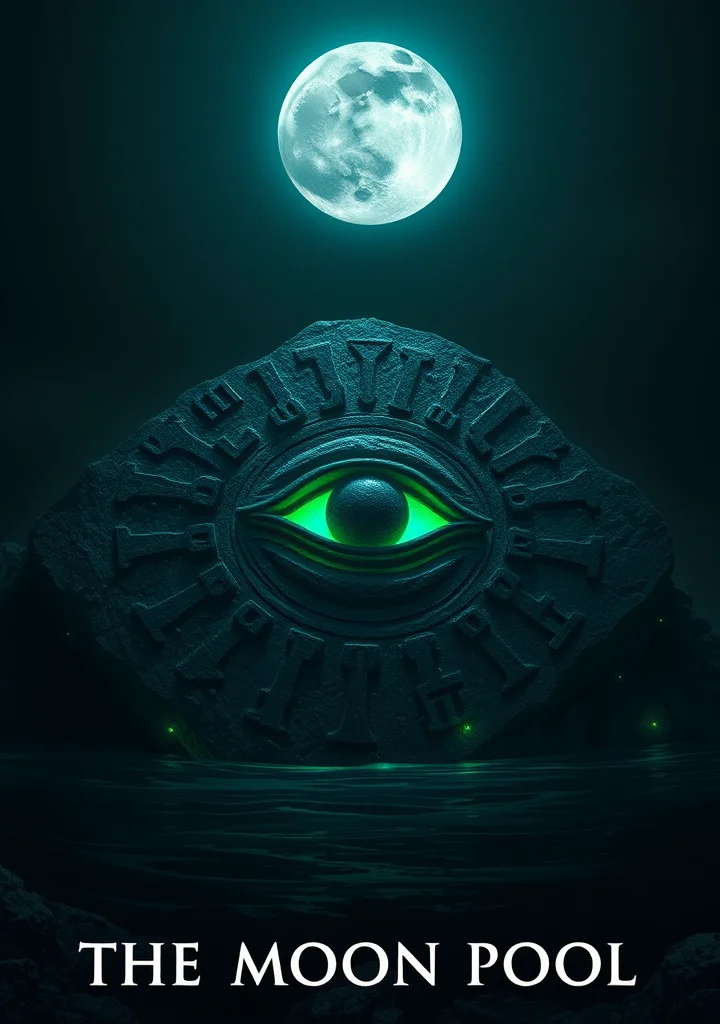
Beneath a cyclopean stone, older than continents, lies a darkness mirroring the abyss of prehistory. Merritt’s Moon Pool is not merely a story of exploration, but a descent into a primeval nightmare sculpted from living rock and phosphorescent decay. The air hangs thick with the scent of brine and something ancient, something *wrong*—a fragrance of cyclopean carvings and the echoing cries of creatures birthed from lunar madness. Here, where the sun’s touch feels like a violation, the narrative clings to the slick, obsidian walls of a cavern carved by hands that predate humankind. A creeping dread permeates every passage, as the protagonists, drawn by obsession and the promise of immortality, find themselves swallowed by a world where the boundaries between dream and reality dissolve. The Pool itself pulses with a sickly luminescence, a beckoning grave for those who dare to gaze upon its depths. The architecture is less built than *grown*, a calcified labyrinth of forgotten gods and the skeletal remains of civilizations consumed by the stone. It is a place where the echoes of screams mingle with the rhythmic drip of water, and where the only certainty is the suffocating weight of the moon’s cold, unblinking gaze. Every shadow conceals something monstrous, every silence harbors the breath of something utterly alien. The narrative unfolds not as a progression, but as a slow, agonizing erosion of sanity, mirroring the slow dissolution of the explorers into the very stone that birthed their doom.
Copyright: Public Domain
This license allows anyone to use your story for any purpose, including printing, selling, or adapting it into a film freely.
This license allows anyone to use your story for any purpose, including printing, selling, or adapting it into a film freely.
Chapter List
-
« The Moon Pool »📖 Continue Reading
-
« Chapter_3 »
-
« Foreword »
-
« The Moon Pool »
-
« I »
-
« II »
-
« III »
-
« IV »
-
« V »
-
« VI »
-
« VII »
-
« VIII »
-
« IX »
-
« X »
-
« XI »
-
« XII »
-
« XIII »
-
« XIV »
-
« XV »
-
« XVI »
-
« XVII »
-
« XVIII »
-
« XIX »
-
« XX »
-
« XXI »
-
« XXII »
-
« XXIII »
-
« XXIV »
-
« XXV »
-
« XXVI »
-
« XXVII »
-
« XXVIII »
-
« XXIX »
-
« XXX »
-
« XXXI »
-
« XXXII »
-
« XXXIII »
-
« XXXIV »
-
« XXXV »
39
-
« The Moon Pool »
-
« Chapter_3 »
-
« Foreword »
-
« The Moon Pool »
-
« I »
-
« II »
-
« III »
-
« IV »
-
« V »
-
« VI »
-
« VII »
-
« VIII »
-
« IX »
-
« X »
-
« XI »
-
« XII »
-
« XIII »
-
« XIV »
-
« XV »
-
« XVI »
-
« XVII »
-
« XVIII »
-
« XIX »
-
« XX »
-
« XXI »
-
« XXII »
-
« XXIII »
-
« XXIV »
-
« XXV »
-
« XXVI »
-
« XXVII »
-
« XXVIII »
-
« XXIX »
-
« XXX »
-
« XXXI »
-
« XXXII »
-
« XXXIII »
-
« XXXIV »
-
« XXXV »
More like this