
-
Read 348
-
0
-
Part 23
Completed, First published Mar 02, 2026
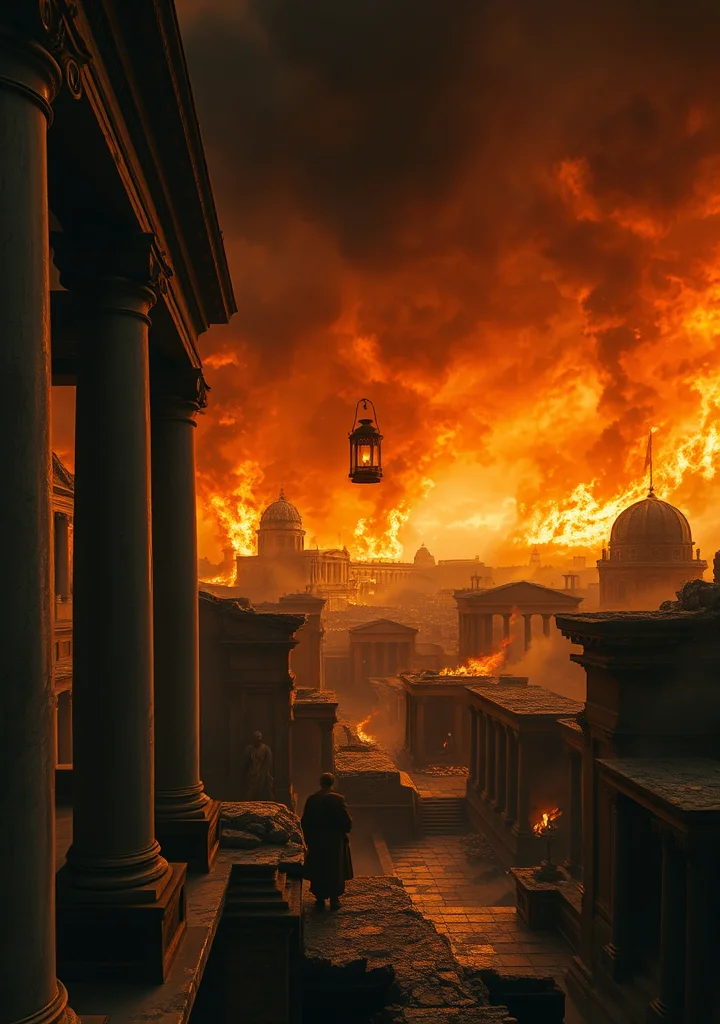
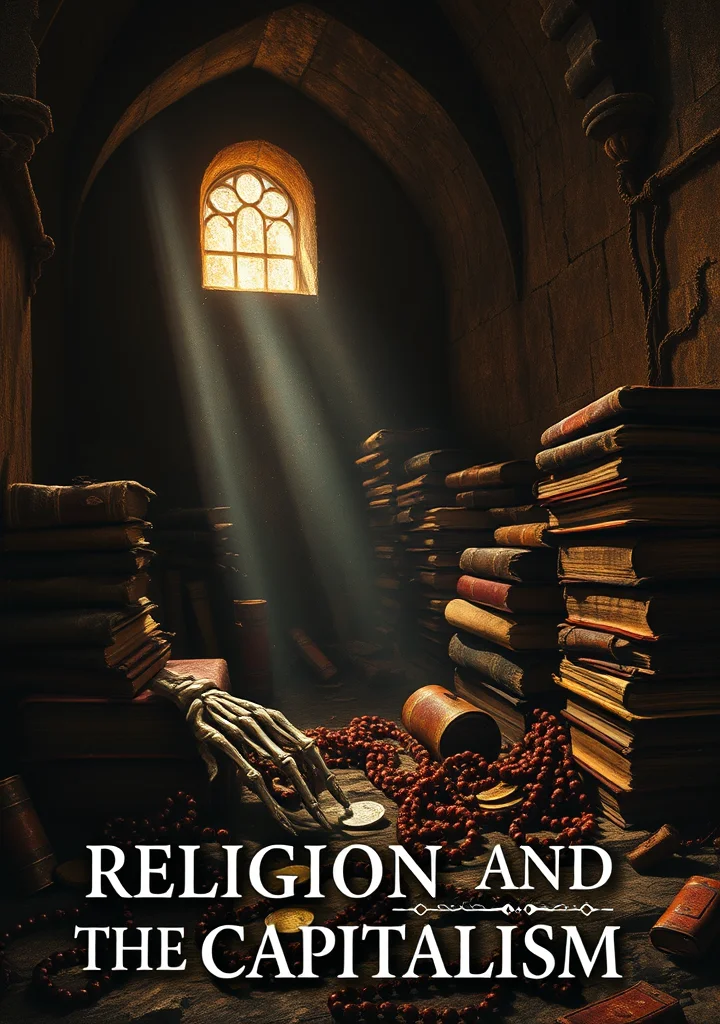
Dust motes dance in the perpetual twilight of forgotten abbeys, mirroring the fractured light of a dying faith. Tawney’s work exhumes a lineage of shadowed transactions—not of coin, but of conscience. The very stones of medieval monasteries seem to weep as he traces the tendrils of burgeoning commerce coiling around their foundations. It isn’t merely an economic history; it’s the scent of incense fading to the tang of brine, the echo of Gregorian chants dissolving into the clatter of counting houses. A creeping dread permeates the narrative as the boundaries between sacred and profane blur, revealing a skeletal architecture of ambition built upon the bones of monastic ideals. Each transaction is a subtle erosion, a rot beneath the gilded surface of piety, until the entire edifice of religious life cracks open, revealing a ravenous appetite for worldly gain. The prose itself is a labyrinth of clauses, each sentence a winding corridor leading toward a chilling revelation: the very act of salvation has become another commodity, traded in the echoing halls of a new, merciless god—Capital. A sense of claustrophobia clings to the text, the air thick with the musty smell of ledger books and the unspoken bargains struck in the dim corners of forgotten chapels. It is a slow unveiling of decay, a spectral shift where the hand of God is replaced by the iron grip of the market.
Copyright: Public Domain
This license allows anyone to use your story for any purpose, including printing, selling, or adapting it into a film freely.
This license allows anyone to use your story for any purpose, including printing, selling, or adapting it into a film freely.
More like this