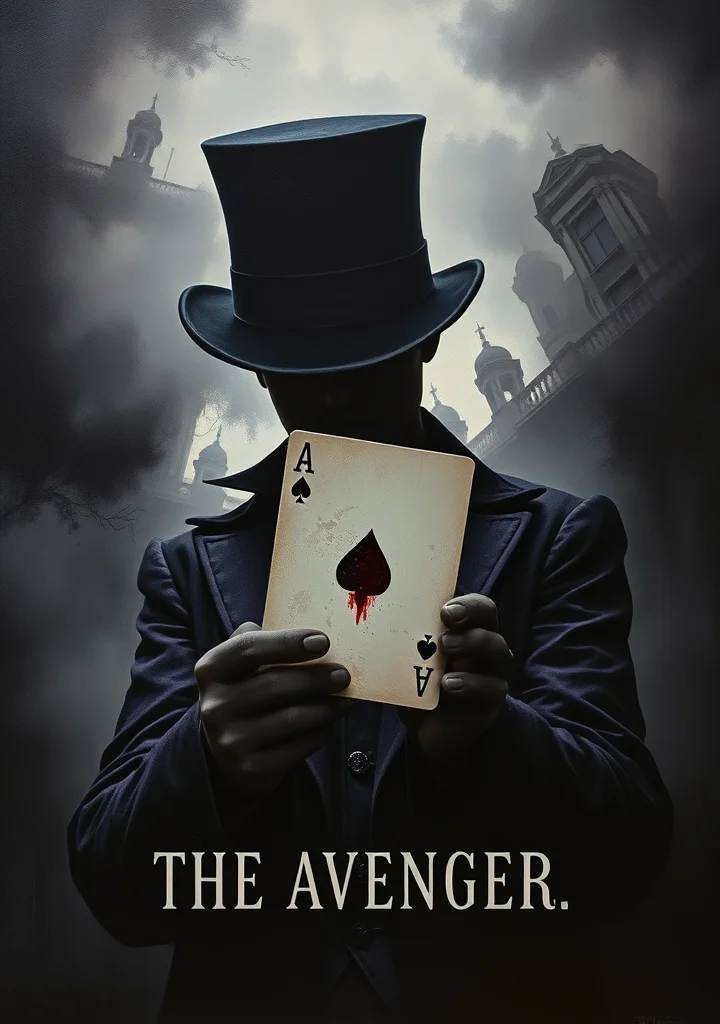

The Avenger
  • 180
  • 0
  • 43
  • Reads 180
  • 0
  • Part 43
Completed, First published Mar 02, 2026

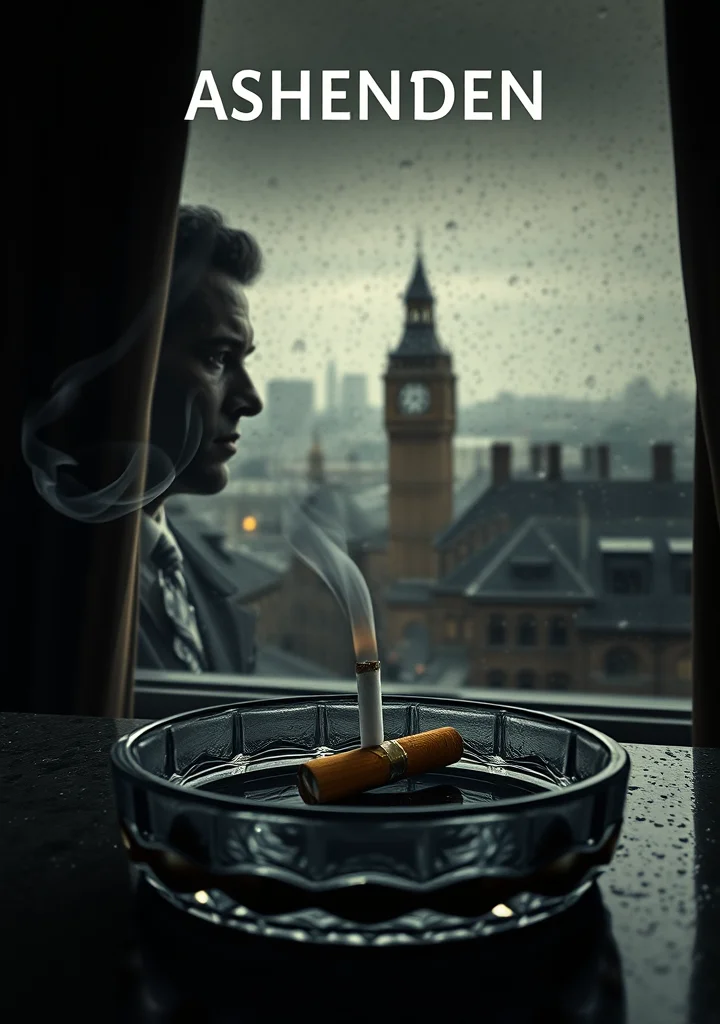
A creeping dread clings to the fog-choked streets of London, mirroring the suffocating secrets within the opulent, yet decaying, mansions of the elite. Wallace weaves a tale of shadowed revenge, born from a betrayal that curdled a gentleman’s blood to ice. The Avenger doesn’t stalk with blade or pistol, but with whispers that unravel fortunes and reputations, leaving only ruin in their wake. Each act of retribution is a meticulously orchestrated fall from grace, observed through rain-streaked windows and gaslight’s flickering dance. The narrative breathes with the scent of damp velvet, polished mahogany concealing poison, and the chill of ancestral portraits whose eyes follow every calculated move. A suffocating claustrophobia descends with each chapter, as the lines between hunter and hunted blur within a society obsessed with preserving its veneer of respectability. It is a darkness that festers beneath lace and silk, a reckoning delivered not with brute force, but with the slow, exquisite agony of exposure—a haunting descent into the heart of a vengeance that tastes of ashes and despair. The very air thickens with the weight of unspoken grievances, promising a finale swallowed by shadows.
Copyright: Public Domain
This license allows anyone to use your story for any purpose, including printing, selling, or adapting it into a film freely.

Recommended for you
9 Part
Dust-choked cities bloom amidst the crimson jungles of Xylos, a world steeped in the residue of forgotten gods and the slick, humid breath of ancient sorceries. Here, beneath a bruised violet sky, the echoes of a fallen empire cling to crumbling ziggurats and whisper in the bone-white sands. The air itself is thick with the scent of decaying blooms and the metallic tang of ritual sacrifice. A creeping dread permeates the narrative, not of monstrous beasts or alien invaders, but of something far more insidious: the slow, suffocating unraveling of sanity within a populace bound to a decaying voodoo priesthood. Shadows stretch long and hungry from the monolithic structures, concealing both the predatory grace of the Xylosian natives and the desperate, fever-haunted machinations of the exiled Earthborn seeking to exploit the planet’s dark heart. The narrative unfolds within a claustrophobic maze of decaying grandeur, where every crumbling stone seems to pulse with a latent, venomous life. The atmosphere is one of oppressive heat, stifling incense, and the ever-present hum of unseen rituals. A sense of being watched—not by eyes of flesh and blood, but by the spectral gaze of ancestral spirits—infuses every shadowed corner. It’s a world where the boundaries between dream and nightmare blur, where the rot of the past threatens to consume the present, and where the very soil seems to weep with the memories of unspeakable acts. The pulse of Xylos is a slow, deliberate drumbeat drawing you toward a darkness from which no light returns.


48 Part
Dust-choked canyons whisper with the ghosts of sun-scorched prayers. Within the crumbling adobe walls, the air hangs thick with the scent of piñon smoke and something older – the weight of stories carved into bone and stone. These are not tales told around hearthfires, but echoes dragged from the mouths of the dead, carried on the rasping breath of the desert wind. Cushing doesn’t offer simple myth; he peels back the layers of Zuni belief, revealing a labyrinth of shadowed kivas and star-haunted mesas. The sun bleeds crimson onto the mesas as Coyote’s trickery unravels the boundaries between worlds. Each story feels less like a recounting and more like an excavation—a digging into the earth to unearth a cold, pulsing heart of ancestral memory. The narrative is fractured, possessed by the spirit of the storyteller, a man lost in the labyrinth of the Zuni world. The beauty is brittle, laced with the desperation of a people clinging to their past as the white man’s shadow lengthens. It’s a haunting, a slow rot of tradition, observed with a scholar's detachment and yet steeped in an unnerving intimacy with the spirits of the place. The reader is not simply told of the Zuni world—they are *held* within it, gasping for air in the suffocating darkness of the kivas, and witnessing the dance of the dead under a moon of bleached bone. This is not folklore, but a descent into a ritualistic dreamscape where the line between the living and the vanished dissolves into sand.
42 Part
A salt-laced dread clings to the rigging of the *Walhalla*, a phantom ship adrift in a sea of simmering betrayals. Verne doesn’t merely chart a voyage, he maps the rot within men’s hearts. The sun bleeds crimson across the decks as young Dick Sands, thrust into command by a cruel twist of fate, finds himself not master of his vessel, but puppet of a conspiracy woven in the humid shadows of colonial ports. Each wave whispers of mutiny, each horizon hides a lurking threat – not from storms or pirates, but from the elegant poison of civilized deceit. The narrative unfurls like a fever dream, drenched in the ochre dust of forgotten African kingdoms and the sickly sweet perfume of smuggled opiums. The air hangs thick with the stench of desperation, of fortunes gambled on the backs of slaves, of lives bartered for a handful of glittering coins. Every act of bravery is shadowed by the gnawing suspicion of a trap, every rescue tainted by the knowledge of a hidden hand pulling the strings. This is not adventure; it is a slow unraveling, a descent into a darkness where the boundaries of loyalty and betrayal blur until they vanish entirely. The reader is left adrift alongside Sands, choking on the salt spray of paranoia, wondering if the boy captain commands his fate, or merely sails toward the inevitable wreck of his soul. The islands themselves seem to mourn, shrouded in mists that conceal not just land, but the ghosts of those consumed by avarice and despair.