
-
Read 579
-
0
-
Part 28
Completed, First published Mar 02, 2026
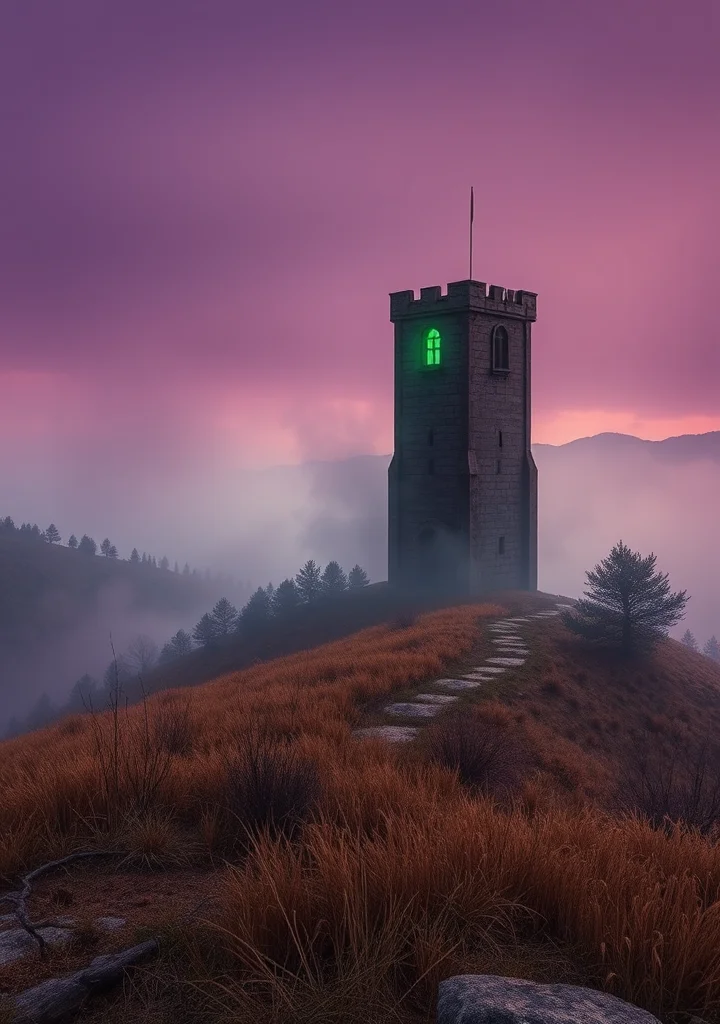
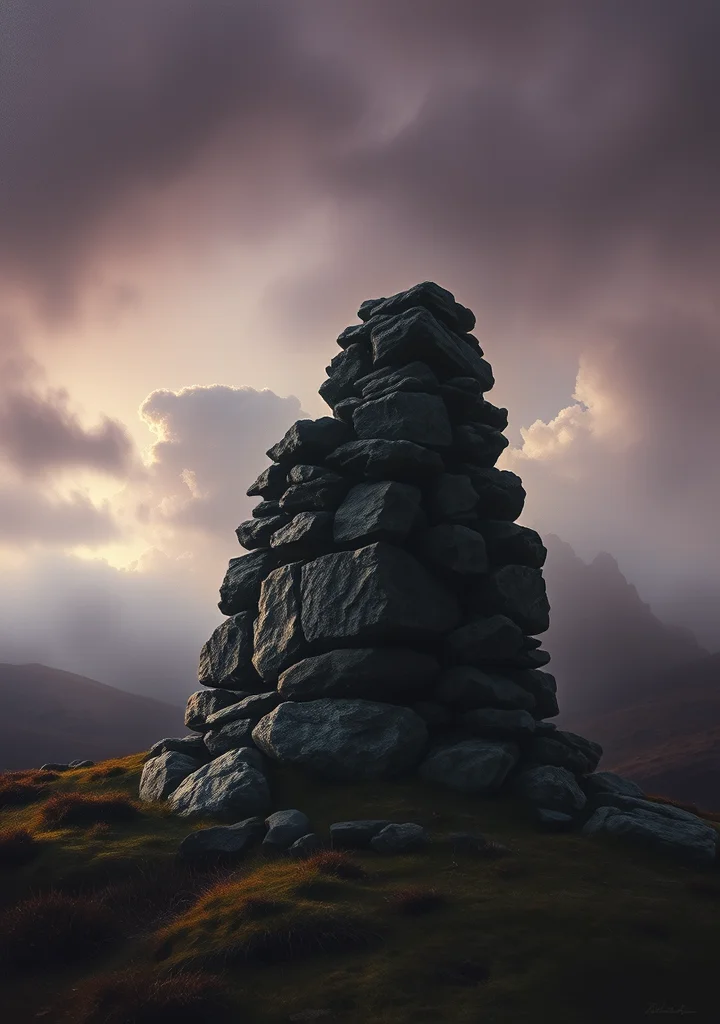
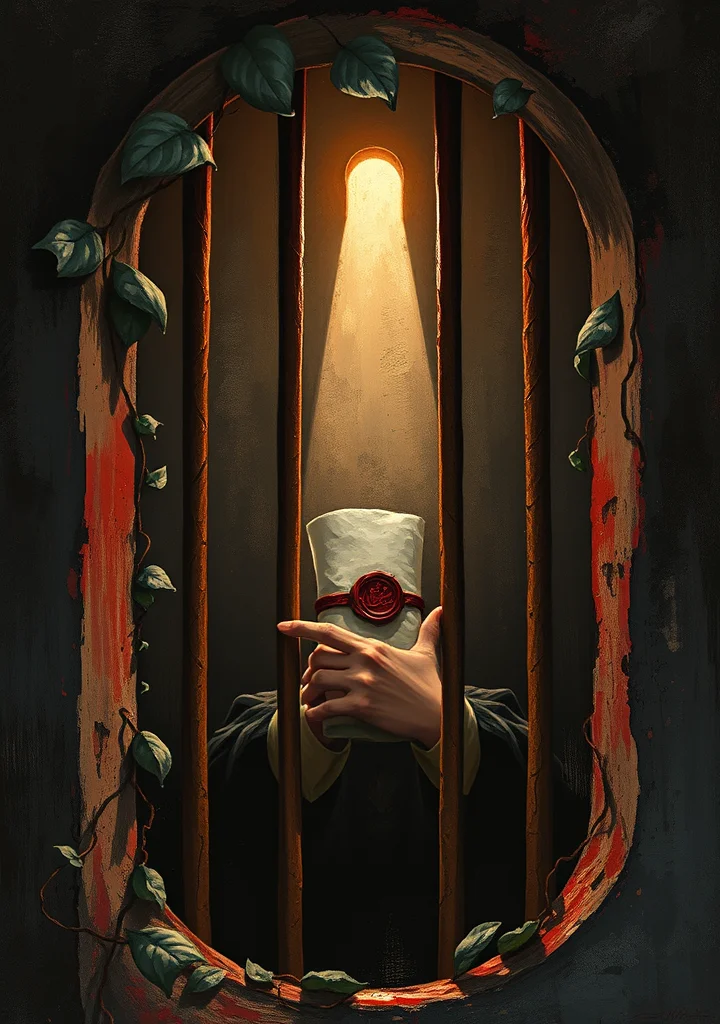
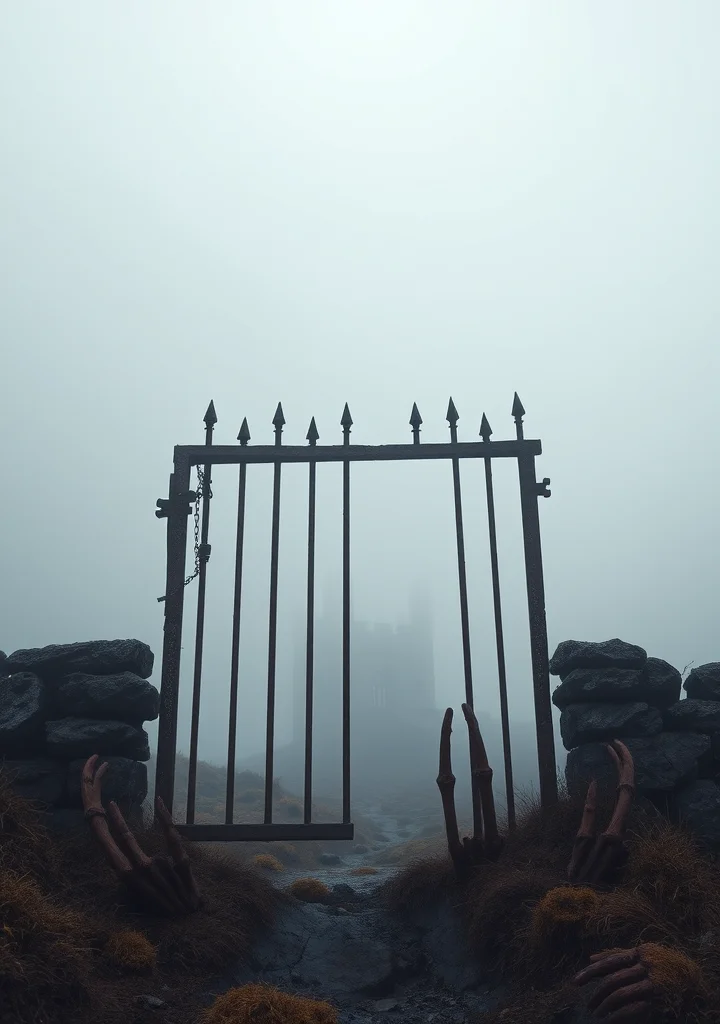
A creeping dread clings to the Scottish highlands, where Buchan’s narrative unfolds not as a chase, but a slow suffocation within a landscape mirroring the villain’s ambition. The moor, perpetually veiled in mist, becomes a suffocating prison mirroring the hostages’ plight. Every stone seems to watch, every wind carries whispers of the ruthless Levett, whose shadow stretches across crumbling castles and isolated farms. The story isn't one of daring escapes, but of a tightening noose of isolation. The urgency isn’t born of speed, but of the chilling realisation that escape may not be about *how* fast you move, but *where* you’ve already been led. A suffocating tension builds as the land itself seems to conspire to contain the desperate struggle, the very air growing thick with the scent of peat and fear. The reader feels not the thrill of pursuit, but the damp chill of being hunted within a labyrinth of granite and shadow, where the only true hostage may be the very soul of Scotland itself.
Copyright: Public Domain
This license allows anyone to use your story for any purpose, including printing, selling, or adapting it into a film freely.
This license allows anyone to use your story for any purpose, including printing, selling, or adapting it into a film freely.
More like this