
Unnatural Death
  • 201
  • 0
  • 27
  • Reads 201
  • 0
  • Part 27
Completed, First published Mar 02, 2026

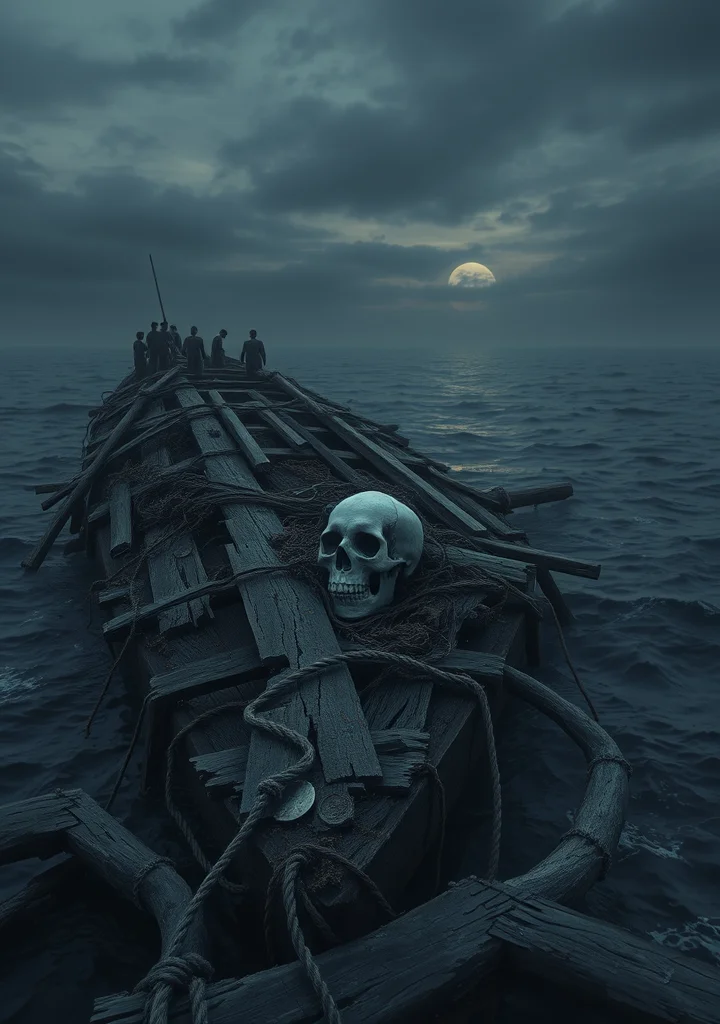
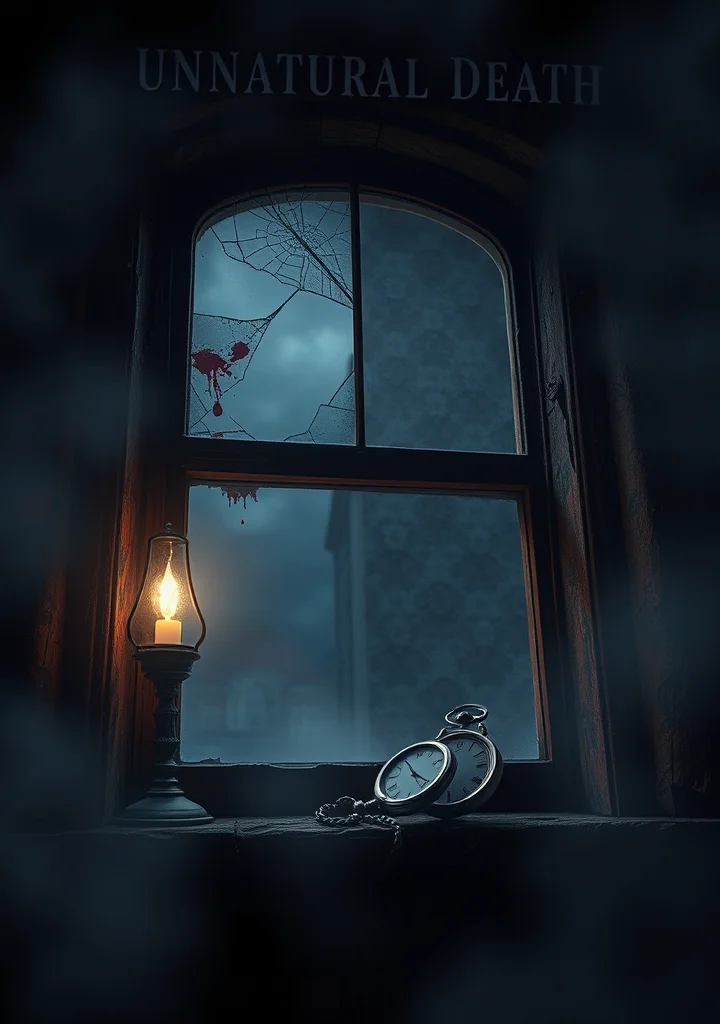
A chilling fog clings to the Norfolk coast, mirroring the suffocating secrets within the decaying grandeur of Bartram’s Hotel. The air tastes of brine and regret, thick with the unspoken tensions of its stranded guests. Sayers weaves a tale where the threat isn’t merely murder, but a creeping dread—a sense of being watched by something ancient and malevolent residing within the very stones of the crumbling edifice. Each shadowed corridor, each flickering candle, whispers of a past trauma, a brutal, unsolved disappearance that bleeds into the present. The investigation is less a hunt for a killer, and more a descent into the fractured psyche of a place haunted by its own history. The rhythm of the sea against the cliffs echoes the desperate, ragged breaths of those trapped within, their faces pale in the lamplight as they grapple with the unnerving realization that they are not merely witnesses, but participants in a ritual of unraveling. The scent of decay isn't just in the hotel’s timbers, but in the unraveling sanity of those caught within its suffocating embrace. The narrative chills not with a sudden shock, but with a slow, insidious seep of dread, as the line between victim and predator blurs in the swirling mist.
Copyright: Public Domain
This license allows anyone to use your story for any purpose, including printing, selling, or adapting it into a film freely.
Recommended for you
8 Part
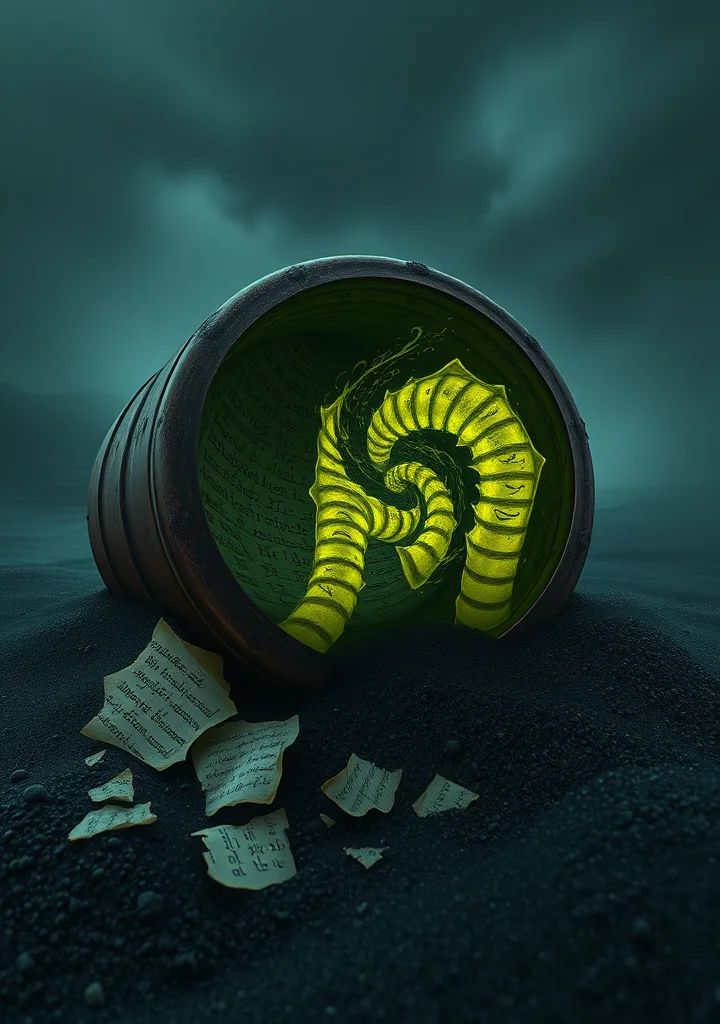
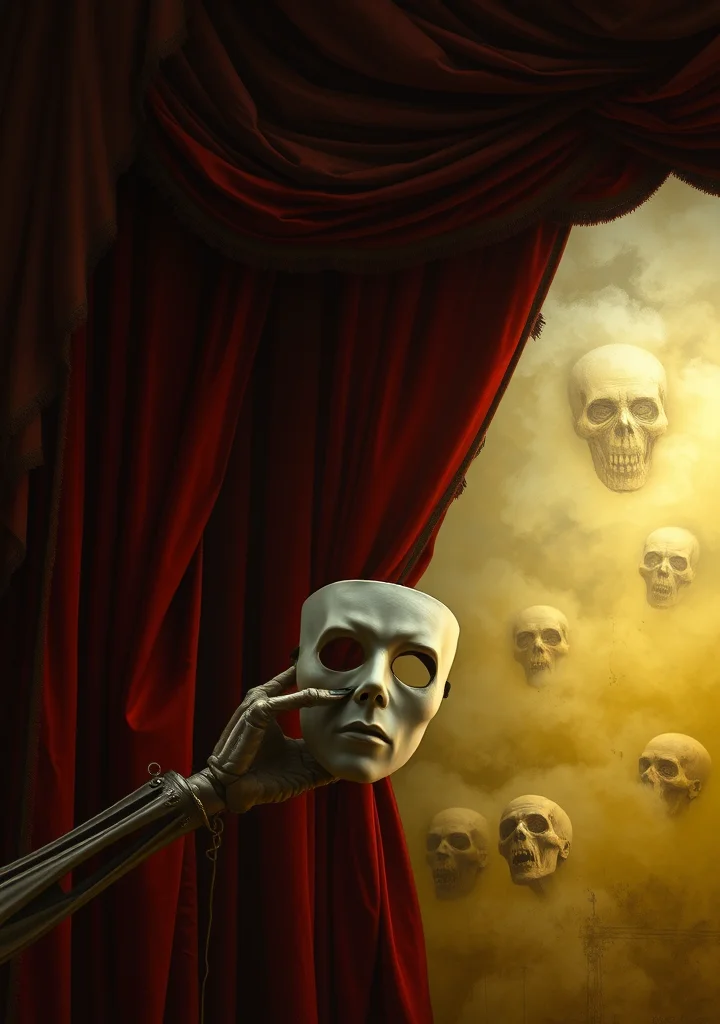
Dust motes dance in the perpetual twilight of a decaying ancestral manor, where the chill seeps not just from stone walls but from the very marrow of history. A physician, driven by morbid curiosity and shadowed by whispers of inherited madness, unravels the story of Charles Dexter Ward – a man consumed by a desperate, occult pursuit of immortality. The air thickens with the scent of grave mold and the sickly sweetness of forbidden alchemies. Each unearthed detail, each meticulously reconstructed fragment of Ward’s past, peels back layers of sanity, revealing a darkness that claws at the edges of reality. The narrative unfolds in a creeping dread, mirroring the gradual erosion of Ward’s mind as he is drawn into a vortex of nightmare rituals and ancient, malevolent entities. Shadows lengthen, distorting familiar shapes into grotesque parodies. Sleep offers no respite, only a descent into feverish visions mirroring the horrors Ward himself unleashed. A suffocating claustrophobia grips the reader, born not from physical confinement but from the encroaching awareness of an unspeakable truth – that the pursuit of life beyond the veil has awakened something far older and far hungrier than humanity can comprehend, something that lingers in the cold, damp corners of forgotten lore, waiting to claim its due. The very stones of the house seem to breathe with a spectral intelligence, complicit in the slow, inexorable corruption of Ward's soul.
72 Part
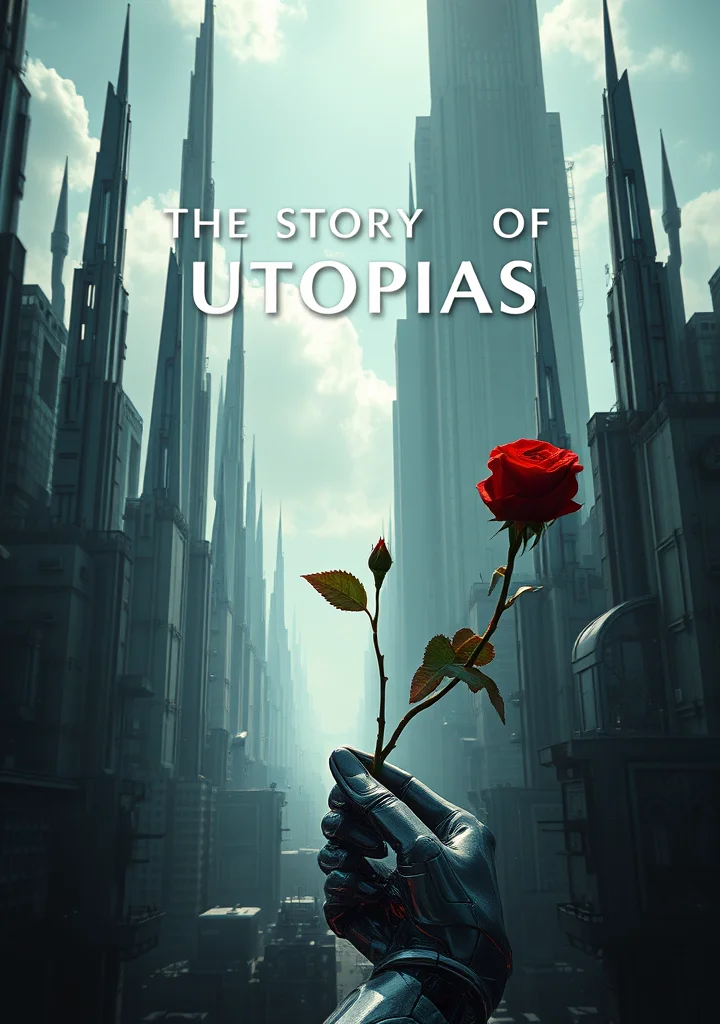
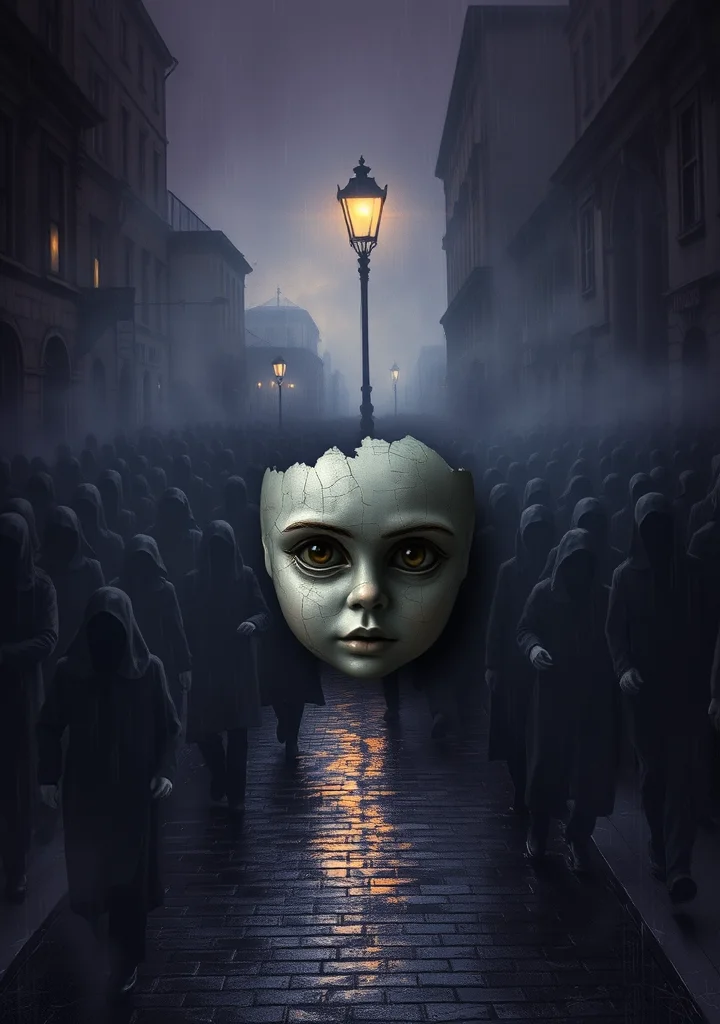
The fog clings to the crumbling facades of the unnamed city, mirroring the decay within Elias Thorne. He walks a perpetual twilight, haunted by fragments of a life both lived and unlived—a surgeon’s detachment from flesh, a soldier’s apathy toward slaughter, a scholar’s cold dissection of the human heart. Each cobbled street exhales the ghosts of forgotten debts, of promises whispered in sulfurous dens. Thorne isn’t seeking redemption, only observation, meticulously charting the unraveling of sanity as he drifts between the opulent rot of the aristocracy and the festering wounds of the slums. His journal, a ledger of morbid curiosities, details not grand conspiracies but the exquisite, creeping despair of ordinary men driven to monstrous acts by quiet desperation. The narrative isn’t one of revelation, but of erosion—the slow, deliberate crumbling of belief, the grinding down of hope into dust. The city itself is a character, breathing with a feverish pulse of corruption, its shadows deepening with each page Thorne fills. It’s a study in the geometry of grief, a precise mapping of the places where the veil thins and the abyss gazes back. There is no escape, only the deepening conviction that all life is a meticulously constructed artifice, designed to conceal a void that yawns beneath every stone, every smile, every heartbeat. The true horror is not what Thorne witnesses, but the realization that it is simply… expected.
30 Part
A creeping chill clings to these pages, not of snow-bound landscapes alone, but of a loneliness that permeates the very fjords and shadowed forests. Wollstonecraft’s letters unravel a journey not merely through Scandinavian vistas, but through the fractured landscapes of a woman wrestling with grief, disillusionment, and the suffocating weight of societal expectation. The prose is steeped in a melancholic haze, mirroring the perpetual twilight of the northern realms. Each observation – a peasant’s cottage, a royal court, a desolate stretch of coastline – is rendered with a delicate, almost spectral clarity, haunted by the author’s internal turmoil. There’s a pervasive sense of isolation, amplified by the vastness of the scenery. The narrative doesn't simply *describe* Norway; it *becomes* Norway – a place where the heart, stripped bare by loss, echoes with the silence of ancient stones. A subtle dread permeates the descriptions of prisons and political unrest, hinting at a darkness beneath the veneer of civility. The letters themselves become fragments of a broken mirror, reflecting not just the author's travels, but the fractured state of her own soul, adrift in a land where the boundaries between reality and reverie blur with the long, encroaching shadows. The very air seems to whisper of forgotten tragedies, and a chilling premonition of the author's own unraveling.
2014 Part
A chill wind whispers through sun-bleached Spanish ruins, carrying the scent of brine and decay. Don Juan is not merely a man, but a shadow stretched long across a continent, a fever dream of indulgence and disillusionment. His journey is one of restless flight, not from justice, but from the suffocating weight of a world built on hypocrisy. Each port, each encounter, peels back another layer of gilded rot, revealing a darkness that clings to him like the salt spray on a decaying mast. The narrative unravels through fractured confessions, a labyrinth of wit and weariness where cynicism blooms like night-blooming cereus. Every smile is a reprieve from a deeper, unspoken grief; every embrace, a fleeting warmth against an encroaching cold. The Mediterranean burns with a feverish brilliance, mirroring the protagonist’s own self-consuming passions, while the echoes of battles – both won and lost – resonate in the hollow chambers of his heart. He drifts through aristocratic salons and Moorish harems, a phantom observer caught between desire and despair. The sea itself seems to conspire with his melancholic fate, drawing him towards a horizon perpetually shrouded in mist. His is a tale of exquisite ruin, where beauty and brutality intertwine, leaving the reader adrift in a sea of unanswered questions and the lingering scent of jasmine and gunpowder. A perpetual twilight clings to his existence, a haunting reminder that even the most dazzling brilliance casts the longest shadows.