Letters Written During a Short Residence in Sweden, Norway, and Denmark

-
397
-
0
-
30
-
Read 397
-
0
-
Part 30
Completed, First published Mar 02, 2026
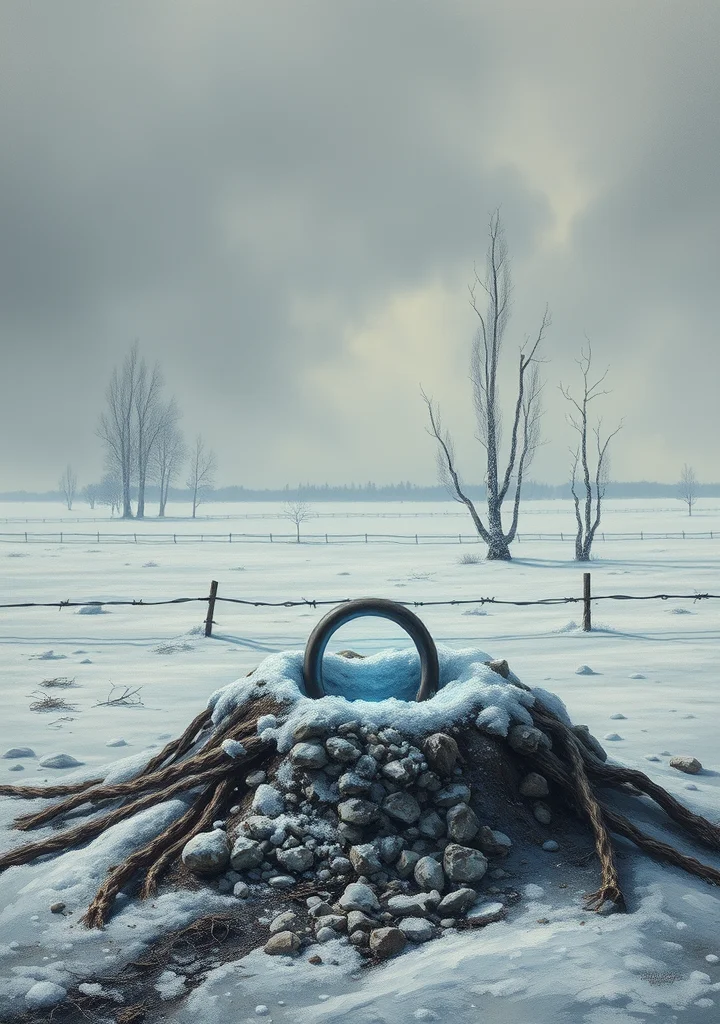
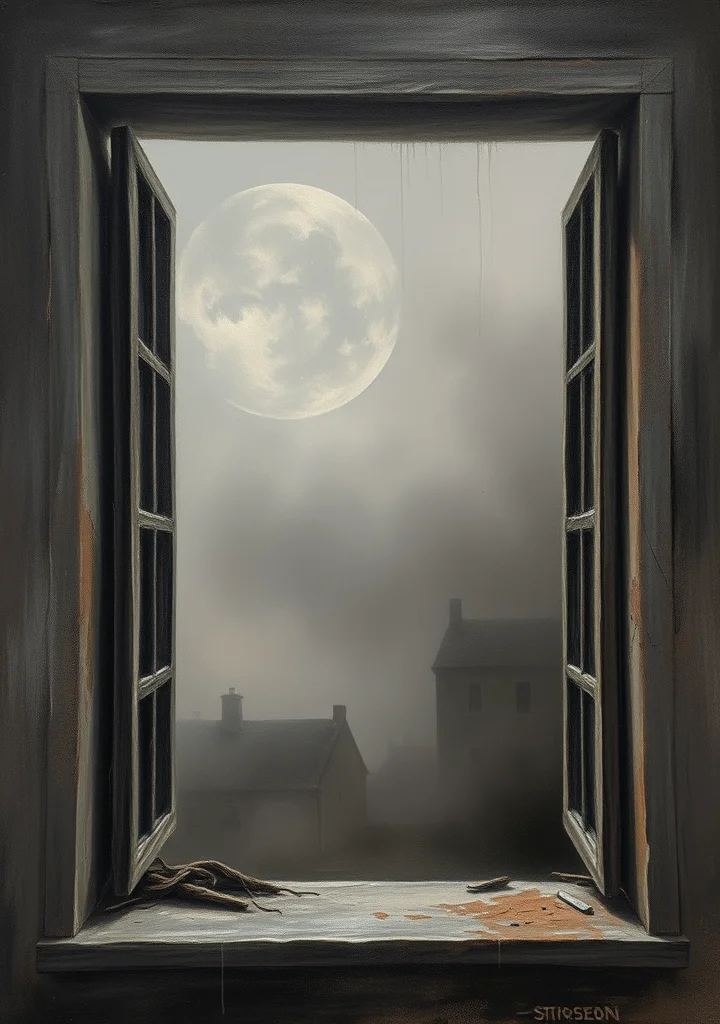
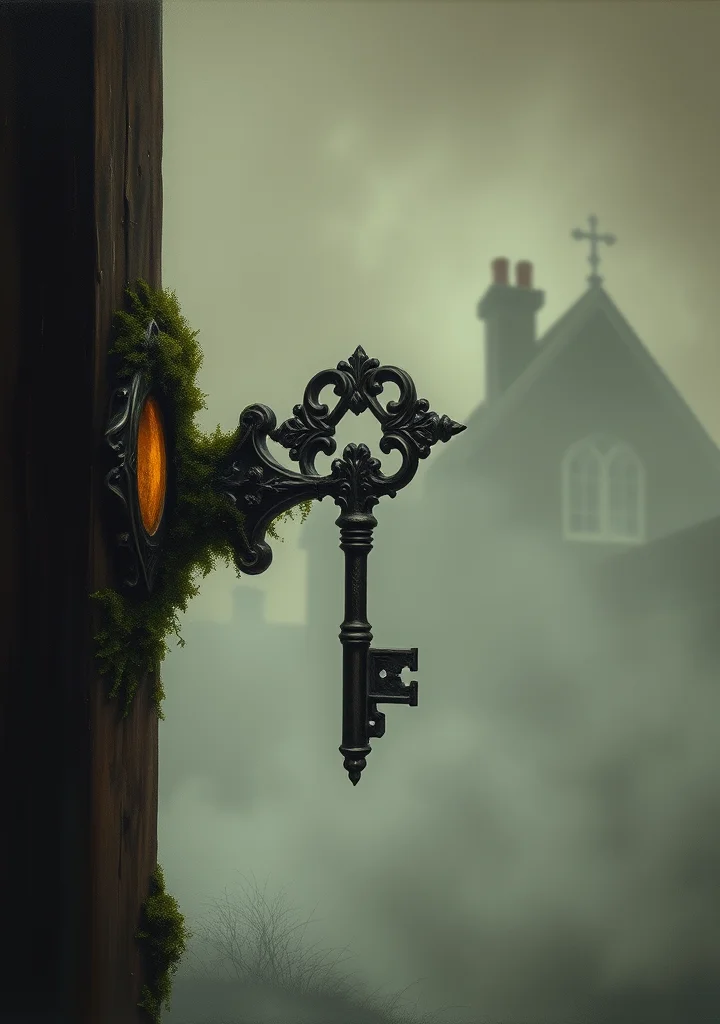
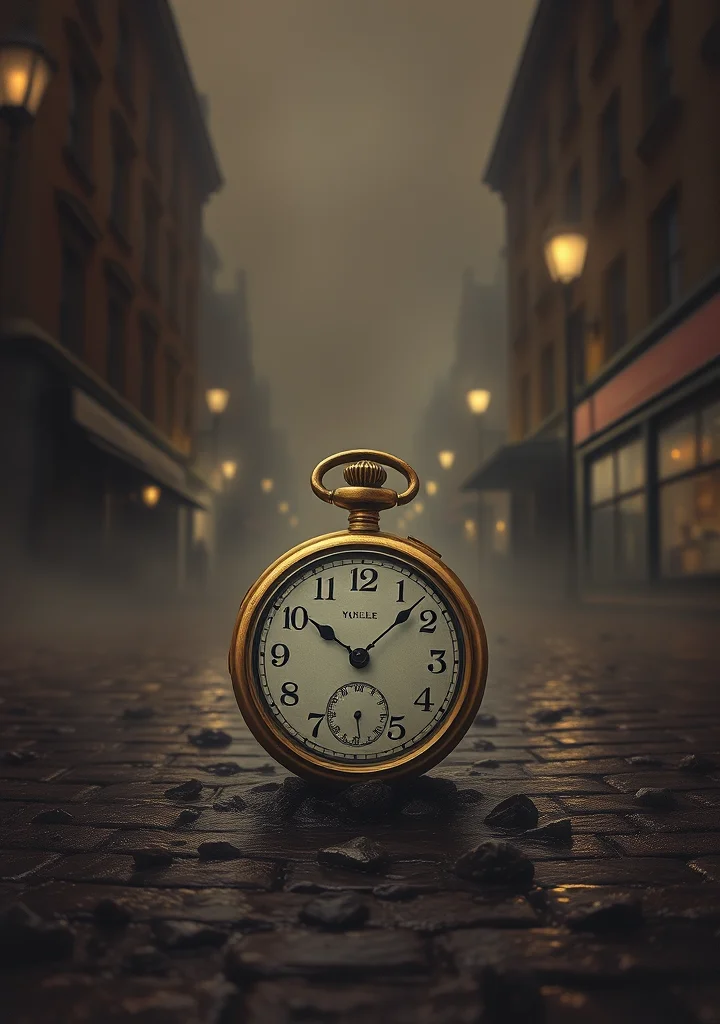
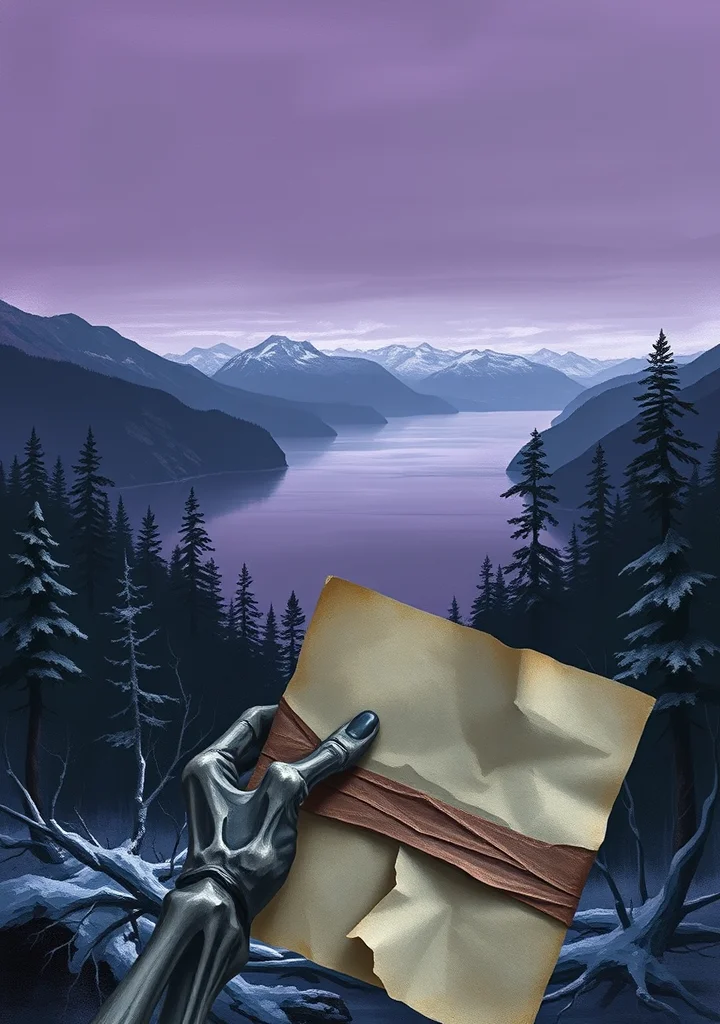
A creeping chill clings to these pages, not of snow-bound landscapes alone, but of a loneliness that permeates the very fjords and shadowed forests. Wollstonecraft’s letters unravel a journey not merely through Scandinavian vistas, but through the fractured landscapes of a woman wrestling with grief, disillusionment, and the suffocating weight of societal expectation. The prose is steeped in a melancholic haze, mirroring the perpetual twilight of the northern realms. Each observation – a peasant’s cottage, a royal court, a desolate stretch of coastline – is rendered with a delicate, almost spectral clarity, haunted by the author’s internal turmoil.
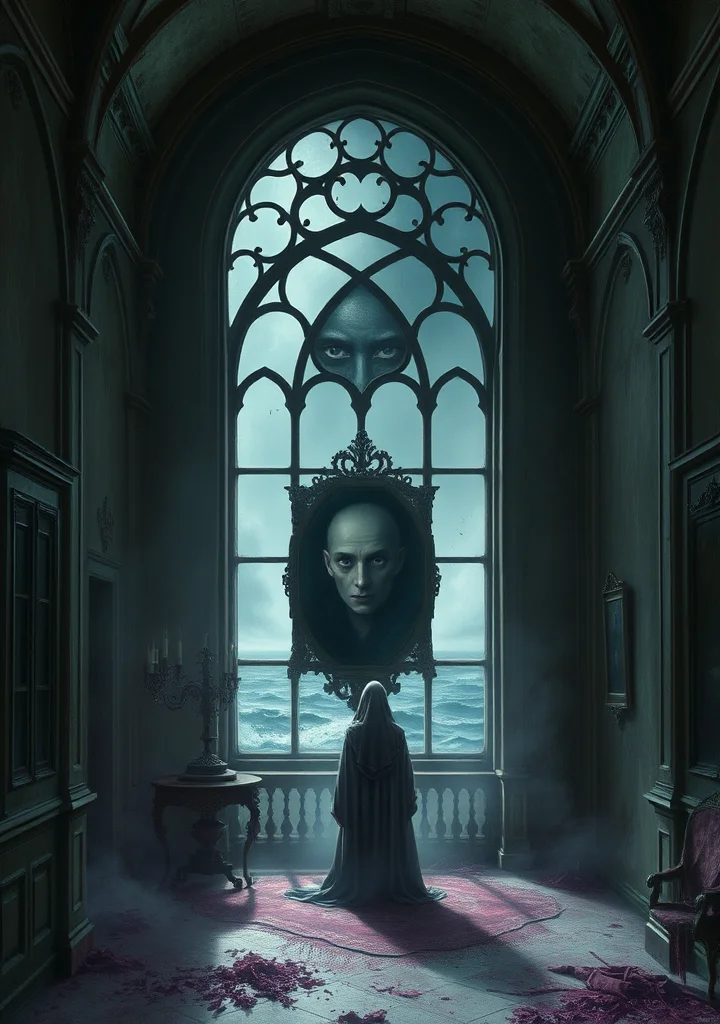
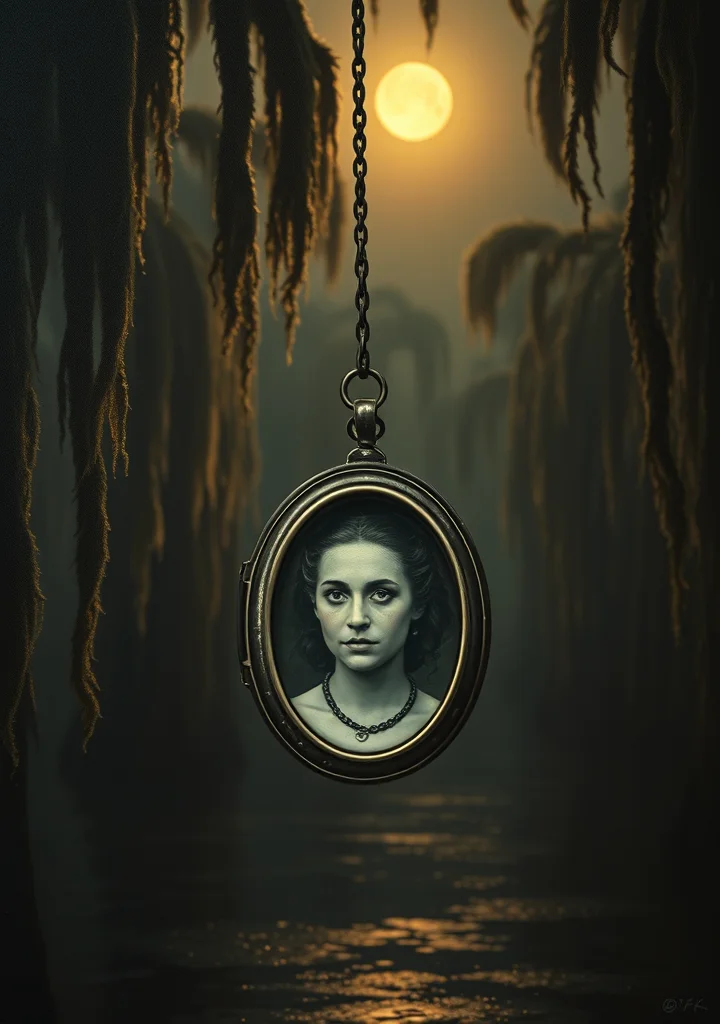
There’s a pervasive sense of isolation, amplified by the vastness of the scenery. The narrative doesn't simply *describe* Norway; it *becomes* Norway – a place where the heart, stripped bare by loss, echoes with the silence of ancient stones. A subtle dread permeates the descriptions of prisons and political unrest, hinting at a darkness beneath the veneer of civility. The letters themselves become fragments of a broken mirror, reflecting not just the author's travels, but the fractured state of her own soul, adrift in a land where the boundaries between reality and reverie blur with the long, encroaching shadows. The very air seems to whisper of forgotten tragedies, and a chilling premonition of the author's own unraveling.
Copyright: Public Domain
This license allows anyone to use your story for any purpose, including printing, selling, or adapting it into a film freely.
This license allows anyone to use your story for any purpose, including printing, selling, or adapting it into a film freely.
Chapter List
-
« Letters Written During a Short Residence in Sweden, Norway, and Denmark »📖 Continue Reading
-
« Introduction »
-
« Letters Written During a Short Residence in Sweden, Norway, and Denmark »
-
« LetterI »
-
« LetterII »
-
« LetterIII »
-
« LetterIV »
-
« LetterV »
-
« LetterVI »
-
« LetterVII »
-
« LetterVIII »
-
« LetterIX »
-
« LetterX »
-
« LetterXI »
-
« LetterXII »
-
« LetterXIII »
-
« LetterXIV »
-
« LetterXV »
-
« LetterXVI »
-
« LetterXVII »
-
« LetterXVIII »
-
« LetterXIX »
-
« LetterXX »
-
« LetterXXI »
-
« LetterXXII »
-
« LetterXXIII »
-
« LetterXXIV »
-
« LetterXXV »
-
« Chapter_30 »
-
« Appendix »
30
-
« Letters Written During a Short Residence in Sweden, Norway, and Denmark »
-
« Introduction »
-
« Letters Written During a Short Residence in Sweden, Norway, and Denmark »
-
« LetterI »
-
« LetterII »
-
« LetterIII »
-
« LetterIV »
-
« LetterV »
-
« LetterVI »
-
« LetterVII »
-
« LetterVIII »
-
« LetterIX »
-
« LetterX »
-
« LetterXI »
-
« LetterXII »
-
« LetterXIII »
-
« LetterXIV »
-
« LetterXV »
-
« LetterXVI »
-
« LetterXVII »
-
« LetterXVIII »
-
« LetterXIX »
-
« LetterXX »
-
« LetterXXI »
-
« LetterXXII »
-
« LetterXXIII »
-
« LetterXXIV »
-
« LetterXXV »
-
« Chapter_30 »
-
« Appendix »
More like this