
-
Read 473
-
0
-
Part 13
Completed, First published Mar 02, 2026
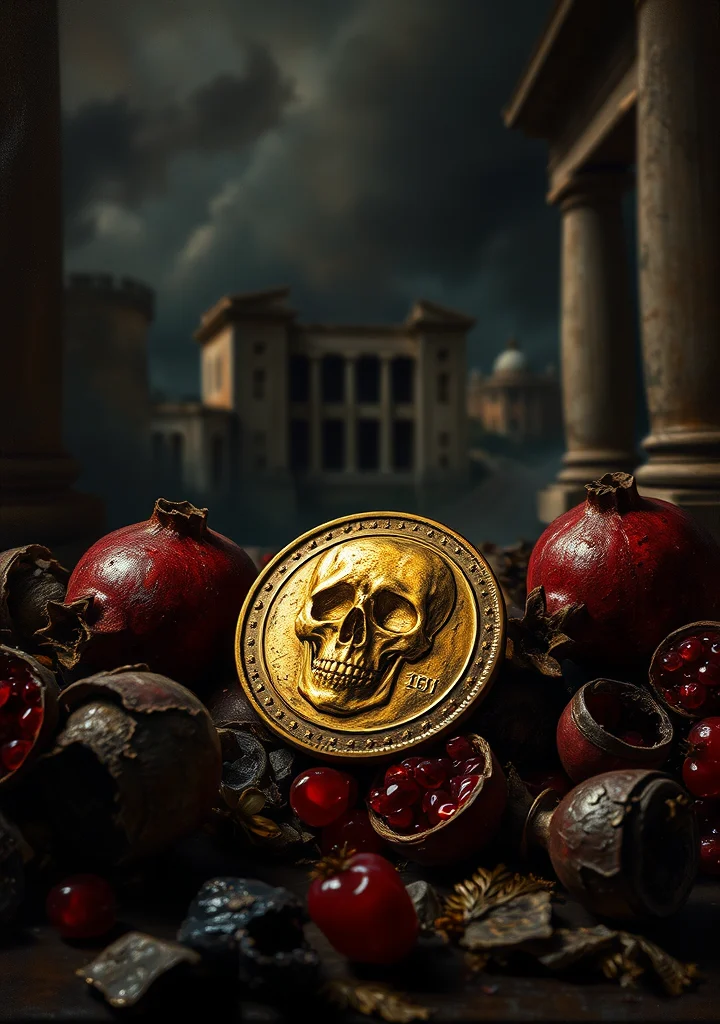
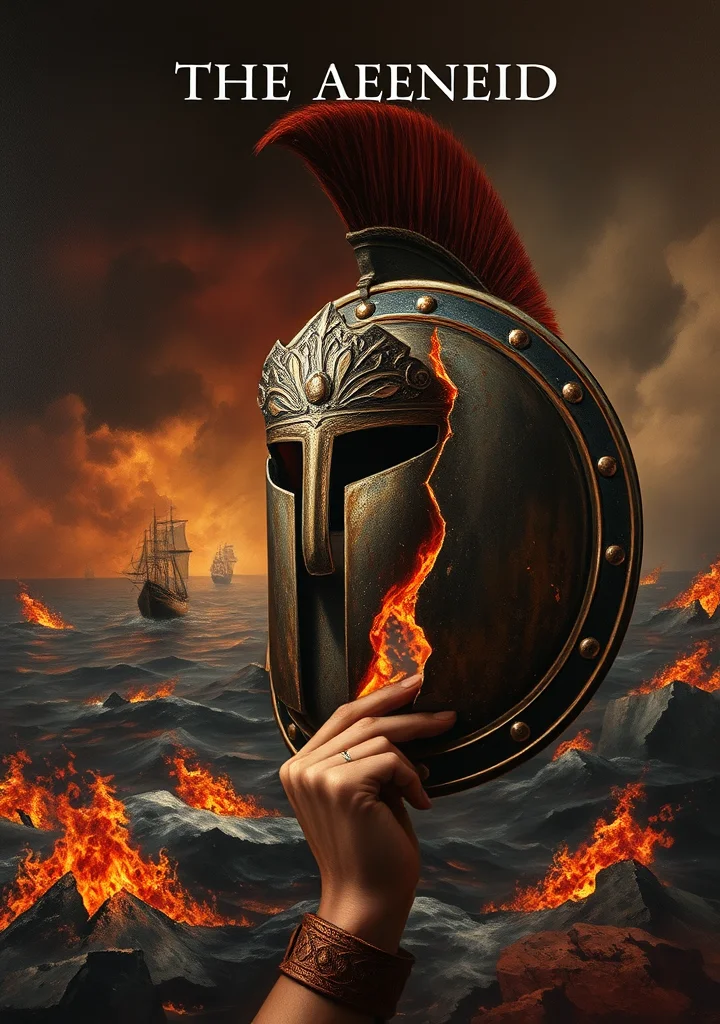
From shadowed shores and smoldering cities rises a tale etched in ash and grief. Aeneas, haunted by the fall of Troy, drifts on a wine-dark sea, a refugee bearing the weight of a doomed people. The air hangs thick with the scent of brine and burning pyres, mirroring the embers of a lost world within his breast. Each landfall—from Carthage’s opulent, deceptive embrace to the desolate Italian coast—is draped in a spectral mist, revealing not triumph, but the brutal cost of empire’s birth. Whispers of gods, twisted by ambition and regret, weave through labyrinthine caves and haunted forests. The very earth seems to weep with the blood of sacrifice, and the future Rome, glimpsed in prophecy, is built upon a foundation of sorrow, a monument to endurance forged in the crucible of loss. It is a journey not towards glory, but toward a desolate, ordained destiny, where the weight of legacy crushes the heart and the cries of the vanquished echo across centuries. A perpetual twilight clings to every step, a premonition of the iron age to come, born from the embers of a fallen civilization.
Copyright: Public Domain
This license allows anyone to use your story for any purpose, including printing, selling, or adapting it into a film freely.
This license allows anyone to use your story for any purpose, including printing, selling, or adapting it into a film freely.
More like this