
Dodsworth
  • 349
  • 0
  • 37
  • Reads 349
  • 0
  • Part 37
Completed, First published Mar 02, 2026

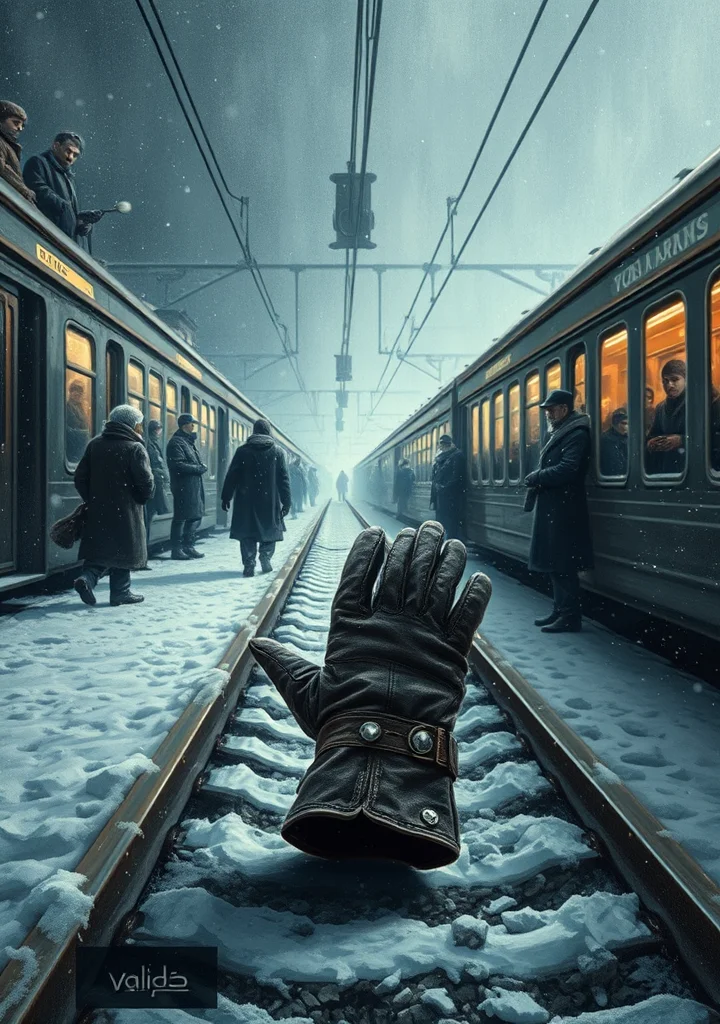
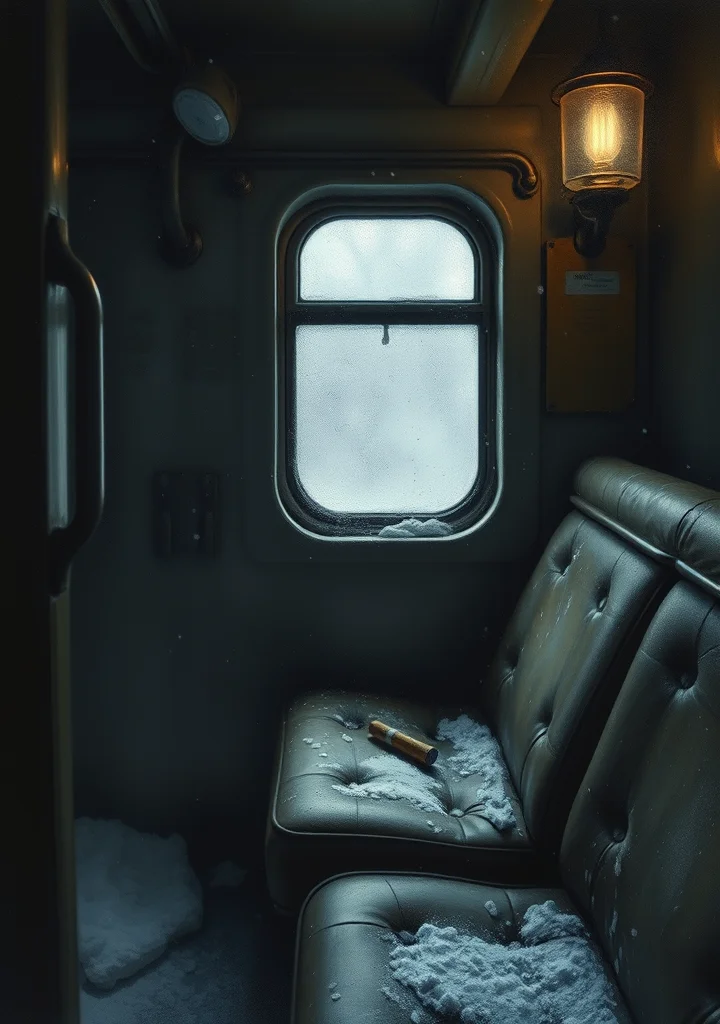
The chill of a dying marriage clings to the frosted panes of Dodsworth’s railway carriage as he journeys toward a past that has already begun to crumble. A landscape of polite regret unfolds with each mile, mirroring the brittle elegance of a life meticulously constructed, then silently dismantled. It is not a tale of grand tragedy, but of a slow, insidious erosion – a frost forming within the heartwood of a man who believed in permanence. The narrative breathes with the scent of stale cigars and faded linen, haunted by the ghosts of unspoken resentments. The grand hotels, the meticulously arranged dinners, the transatlantic crossings… they are not celebrations, but mausoleums housing the decaying relics of ambition. A creeping unease settles with Dodsworth as he discovers his wife's affections have withered into something cold and alien, mirroring the vast, indifferent spaces of the American continent. The story is draped in a melancholic fog, the kind that clings to damp stone and lingers in darkened corners, a quiet horror of disillusionment unfolding under the weight of unfulfilled expectations. It’s a world where smiles are polished to a deceptive sheen, and the true rot lies hidden beneath layers of propriety. The very air seems to taste of disappointment, a bitter draught swallowed with each passing train.
Copyright: Public Domain
This license allows anyone to use your story for any purpose, including printing, selling, or adapting it into a film freely.
Recommended for you
17 Part
The fog clings to the Thames like a shroud, mirroring the miasma of regret that hangs over the lives of Selwyn Grey and his doomed circle. This is a London steeped in the amber light of fading gas lamps, where conversations unravel in the damp chill of drawing rooms, revealing fractures in memory and the insidious rot of unspoken desires. A man’s upright posture—a rigid attempt at self-possession—becomes a desperate defense against the unraveling of identity itself, against the creeping realization that the past is not a fixed landscape but a shifting, treacherous terrain. The narrative moves like a slow bleed, staining the present with the phantom pain of lost loves and compromised ideals. Each encounter is a half-remembered dream, a fragment of a fractured narrative pieced together through unreliable recollections and the veiled anxieties of those caught in the afterglow of Edwardian decay. The air is thick with the scent of decaying roses and the metallic tang of suppressed emotion. A claustrophobic sense of enclosure pervades, not just within the London rooms but within the very minds of those who believe themselves to be masters of their fate. The story doesn’t reveal itself; it seeps into the skin, a cold dampness that lingers long after the final page is turned, leaving you haunted by the subtle, devastating power of what has been lost—and what has never truly been known. It is a story of men and women adrift on a sea of fractured recollection, each struggling to maintain the illusion of solidity in a world where even the most steadfast foundations are revealed to be built upon sand.
57 Part
Dust hangs thick in the Polish air, heavier than the linen worn by the peasants of Lipce. The seasons bleed into one another, marked not by calendar dates but by the ache in backs bent over soil, the slow rot of autumn’s bounty, the brutal thaw of spring revealing the bones of forgotten winters. This is a world where the land itself remembers, steeped in ancient rites and shadowed by superstitions that cling to the thatch roofs and muddy lanes. Every harvest is a pact with the unseen, every birth a fragile defiance of the hunger that gnaws at the edges of existence. But beneath the rhythm of the fields, a darkness stirs. A simmering discontent festers amongst the villagers, born of land disputes, whispered grievances, and the stifling weight of tradition. The air crackles with resentment, thick with the scent of manure and the metallic tang of blood spilled in drunken brawls. The boundaries between the human and the bestial blur in the long nights, fuelled by vodka and the primal urges that grip men driven to desperation. It is a world of brutal beauty, where the line between reverence and savagery is drawn in the crimson streaks of sunset over a wheat field, and where the silence between the thatched roofs whispers of secrets buried deeper than the roots of the ancient oaks. The very soil seems to pulse with a dark, vital force, a testament to the lives broken and rebuilt within its embrace. A slow, creeping dread descends, as the cycles of the seasons mirror the descent into violence that threatens to consume Lipce and all who dwell within its shadowed borders.
77 Part
A creeping fog clings to the shores of Penguin Island, a land born not of earth but of the icy breath of the North Atlantic. The narrative drifts like wreckage on a grey sea, charting the history of a colony of penguins who, through a perverse twist of evolution and the dubious guidance of a shipwrecked priest, claim lineage from the ancient Celts. It’s a history soaked in brine and shadowed by the perpetual twilight of the Southern Ocean. The island itself is a crumbling monastery of stone and feather, where the penguin-priests chant in echoing caves, their rituals laced with a melancholic, avian piety. The air hangs heavy with the scent of fish and decay, a constant reminder of the island’s isolation. Each chapter unravels like a barnacle encrusting a forgotten hull, revealing a world where theological debate is punctuated by the screech of gulls and the mournful cry of the wind. A slow, deliberate rot pervades the narrative; the crumbling faith, the decaying structures, the very bodies of the penguins themselves seem destined to dissolve back into the churning, unforgiving sea. There’s a pervasive sense of the absurd, a mocking grandeur that clings to the story like seaweed to a drowned man’s limbs. It’s a gothic fable woven from salt spray, philosophical despair, and the unsettling, uncanny gaze of creatures forever poised between heaven and the icy abyss. The island doesn’t yield to understanding, it *consumes* it, leaving only a chill and the whisper of wings in the perpetual fog.