
-
Read 1.1K
-
0
-
Part 69
Completed, First published Mar 02, 2026
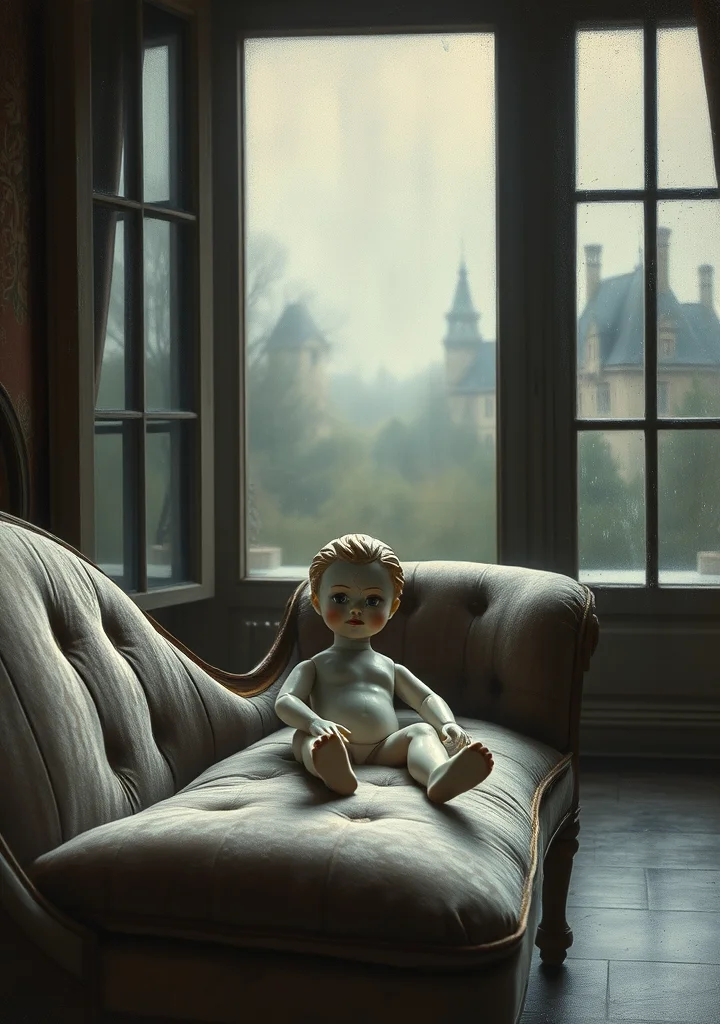
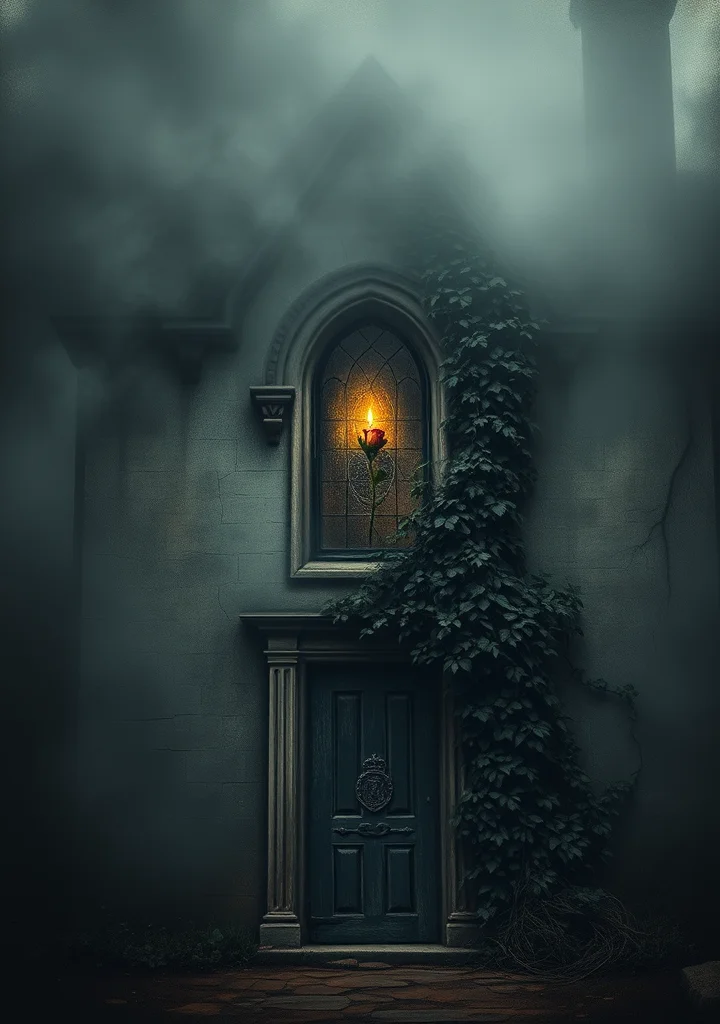
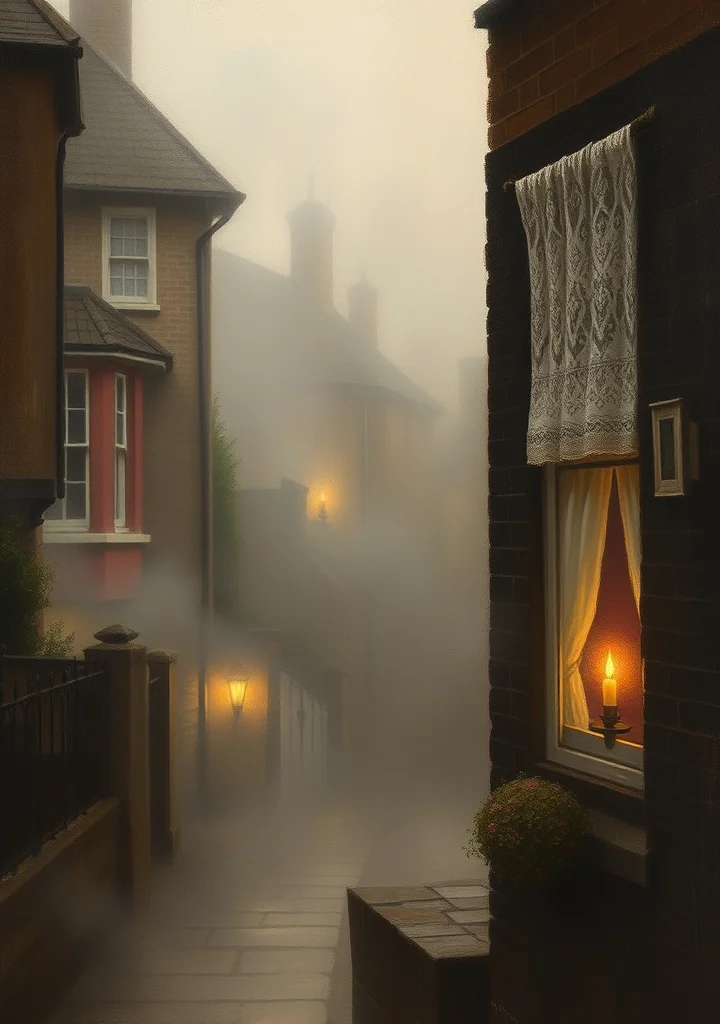
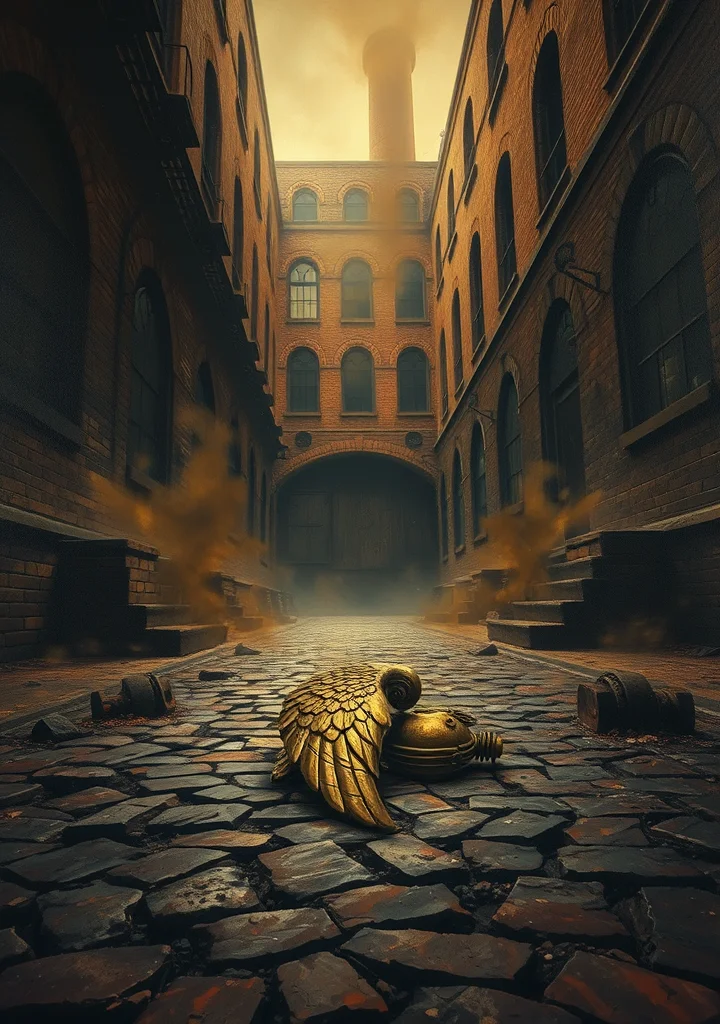
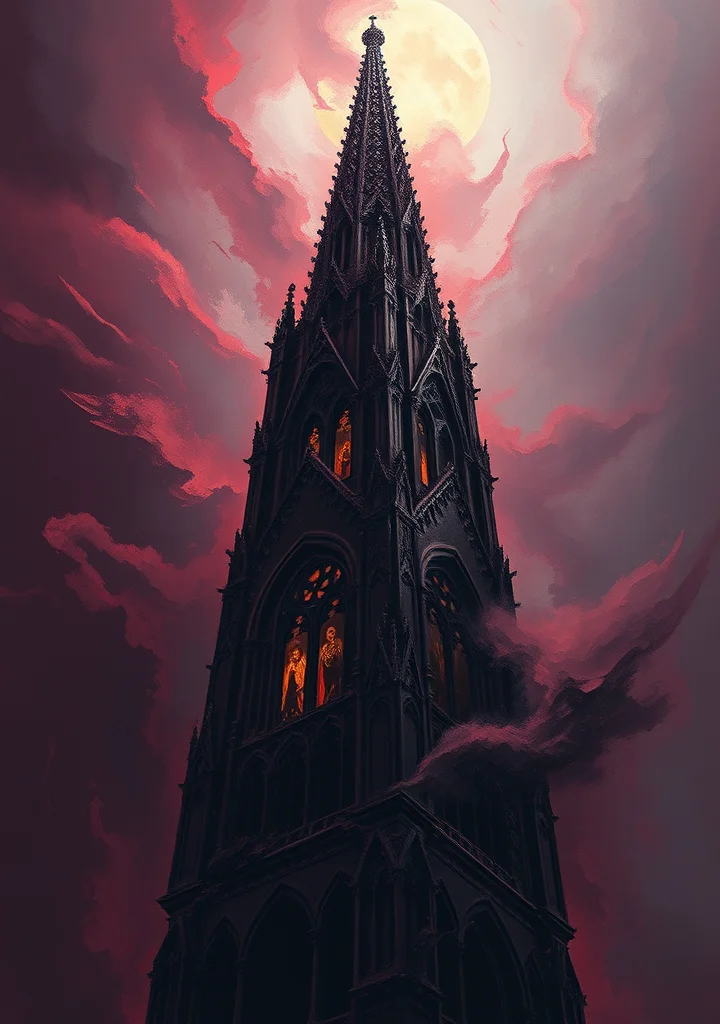
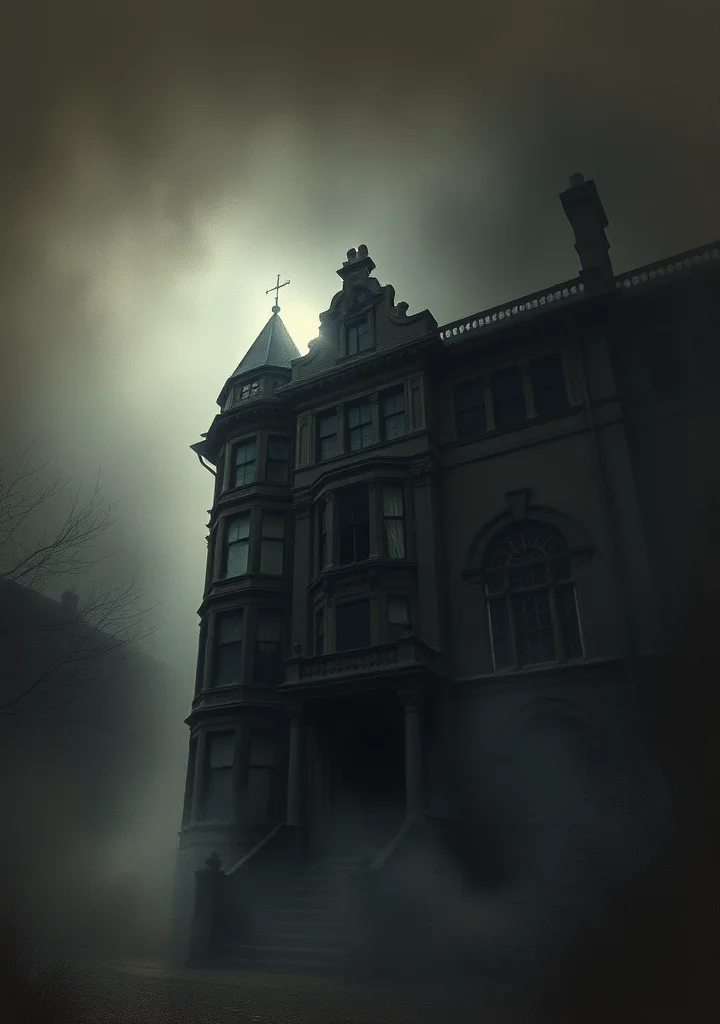
A suffocating fog, thick with the soot of industry and the miasma of legal disputes, clings to every brick and cobblestone of London. Within its embrace, a labyrinthine inheritance case unravels, mirroring the decay at the heart of England itself. The narrative coils around the decaying grandeur of a house—a spectral monument to years of stagnation and inherited sorrow—where dust motes dance in the shafts of fading sunlight, and secrets fester within shadowed chambers.
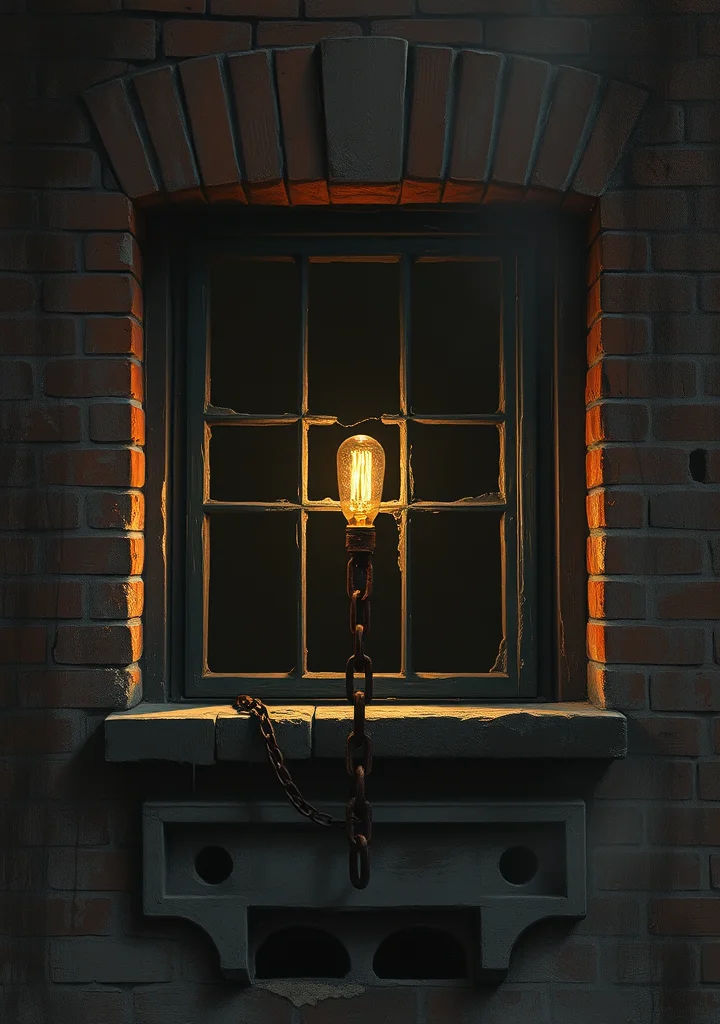
A sense of oppressive enclosure pervades, not merely within the physical walls of Bleak House, but within the stifling confines of the Chancery’s endless machinations. The air itself seems to weep with the silent grievances of those consumed by its slow, grinding process. The story is draped in a melancholic grey, punctuated by brief flashes of feverish vitality that only serve to highlight the pervasive despair.
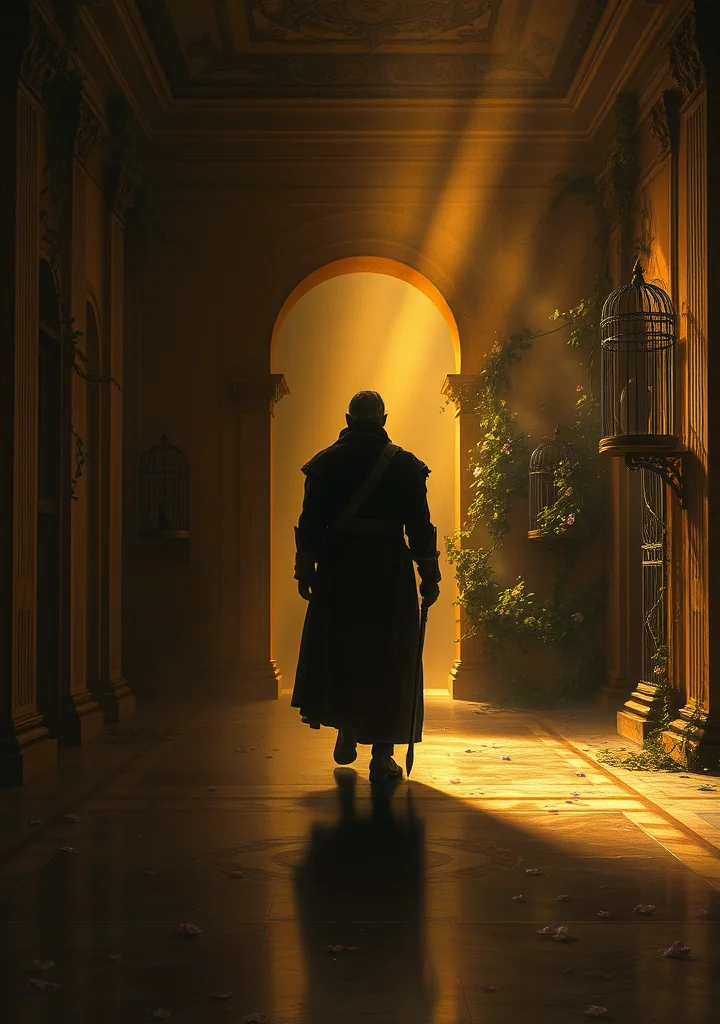
Characters drift through this atmosphere like phantoms, haunted by their pasts and tethered to a future dictated by circumstance. A creeping dread settles over the reader, born not from overt horror, but from the suffocating weight of neglect, the insidious rot of indifference, and the realization that a life can be consumed, utterly and irrevocably, by the slow, deliberate erosion of hope. The very foundations of society seem to crumble, leaving behind only echoing chambers filled with the ghosts of what might have been.
Copyright: Public Domain
This license allows anyone to use your story for any purpose, including printing, selling, or adapting it into a film freely.
This license allows anyone to use your story for any purpose, including printing, selling, or adapting it into a film freely.
Chapter List
-
« Bleak House »📖 Continue Reading
-
« Preface »
-
« I »
-
« II »
-
« III »
-
« IV »
-
« V »
-
« VI »
-
« VII »
-
« VIII »
-
« IX »
-
« X »
-
« XI »
-
« XII »
-
« XIII »
-
« XIV »
-
« XV »
-
« XVI »
-
« XVII »
-
« XVIII »
-
« XIX »
-
« XX »
-
« XXI »
-
« XXII »
-
« XXIII »
-
« XXIV »
-
« XXV »
-
« XXVI »
-
« XXVII »
-
« XXVIII »
-
« XXIX »
-
« XXX »
-
« XXXI »
-
« XXXII »
-
« XXXIII »
-
« XXXIV »
-
« XXXV »
-
« XXXVI »
-
« XXXVII »
-
« XXXVIII »
-
« XXXIX »
-
« XL »
-
« XLI »
-
« XLII »
-
« XLIII »
-
« XLIV »
-
« XLV »
-
« XLVI »
-
« XLVII »
-
« XLVIII »
-
« XLIX »
-
« L »
-
« LI »
-
« LII »
-
« LIII »
-
« LIV »
-
« LV »
-
« LVI »
-
« LVII »
-
« LVIII »
-
« LIX »
-
« LX »
-
« LXI »
-
« LXII »
-
« LXIII »
-
« LXIV »
-
« LXV »
-
« LXVI »
-
« LXVII »
69
-
« Bleak House »
-
« Preface »
-
« I »
-
« II »
-
« III »
-
« IV »
-
« V »
-
« VI »
-
« VII »
-
« VIII »
-
« IX »
-
« X »
-
« XI »
-
« XII »
-
« XIII »
-
« XIV »
-
« XV »
-
« XVI »
-
« XVII »
-
« XVIII »
-
« XIX »
-
« XX »
-
« XXI »
-
« XXII »
-
« XXIII »
-
« XXIV »
-
« XXV »
-
« XXVI »
-
« XXVII »
-
« XXVIII »
-
« XXIX »
-
« XXX »
-
« XXXI »
-
« XXXII »
-
« XXXIII »
-
« XXXIV »
-
« XXXV »
-
« XXXVI »
-
« XXXVII »
-
« XXXVIII »
-
« XXXIX »
-
« XL »
-
« XLI »
-
« XLII »
-
« XLIII »
-
« XLIV »
-
« XLV »
-
« XLVI »
-
« XLVII »
-
« XLVIII »
-
« XLIX »
-
« L »
-
« LI »
-
« LII »
-
« LIII »
-
« LIV »
-
« LV »
-
« LVI »
-
« LVII »
-
« LVIII »
-
« LIX »
-
« LX »
-
« LXI »
-
« LXII »
-
« LXIII »
-
« LXIV »
-
« LXV »
-
« LXVI »
-
« LXVII »
More like this