
Tess of the d’Urbervilles
  • 659
  • 0
  • 70
  • Reads 659
  • 0
  • Part 70
Completed, First published Mar 02, 2026

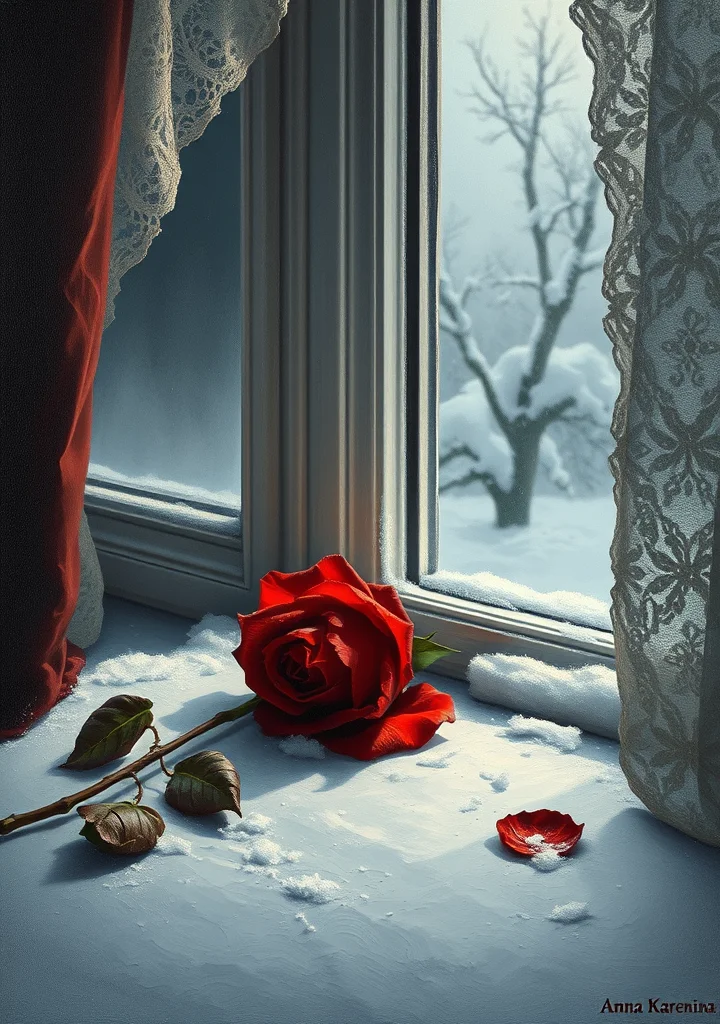
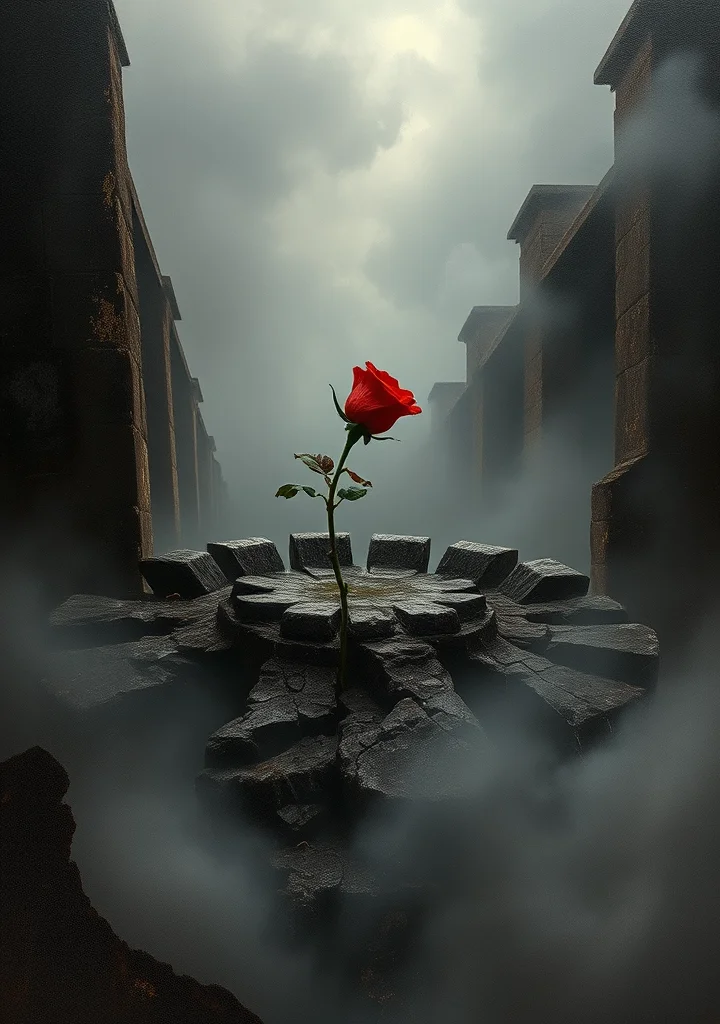
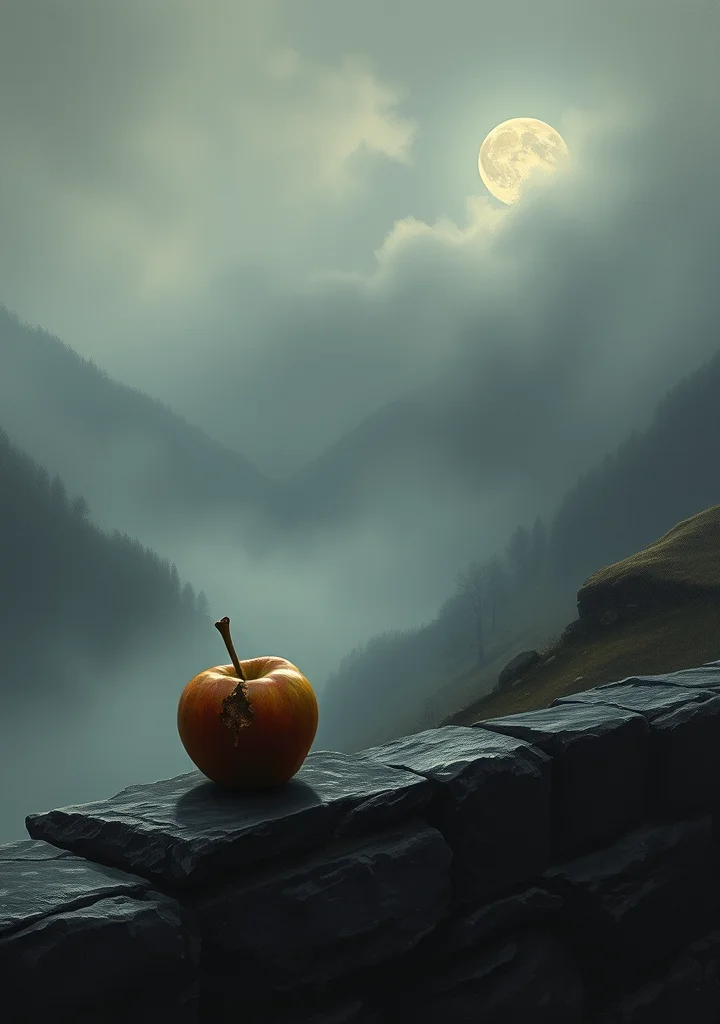
A bruised landscape mirrors a bruised soul. Mist clings to the Vale of Blackmore, obscuring not just the crumbling farms but the very morality of its inhabitants. Tess Durbeyfield is drawn into shadows cast by ancient, predatory forces – a fallen lineage, a corrupted seduction, and the suffocating weight of rural superstition. The air hangs thick with the scent of damp earth and decaying apples, mirroring the rot within the lives touched by the brutal indifference of fate. Each hedgerow seems to whisper of loss, each turnpike a path towards a darkness where innocence is relentlessly devoured. The novel breathes with a claustrophobic dread, born not of supernatural horror, but of the inescapable cruelty woven into the fabric of a world where a single misstep can condemn a woman to an eternity of shame. It’s a story steeped in the grey light of despair, where even the sun offers no warmth, only illuminating the stark, unforgiving beauty of a tragedy unfolding under a sky as vast and uncaring as God himself. The narrative coils like a serpent through fields of wheat and haunted dairies, leaving the reader gasping for breath in the suffocating silence of Tess’s slow, inevitable unraveling.
Copyright: Public Domain
This license allows anyone to use your story for any purpose, including printing, selling, or adapting it into a film freely.
Chapter List

70

Recommended for you
19 Part
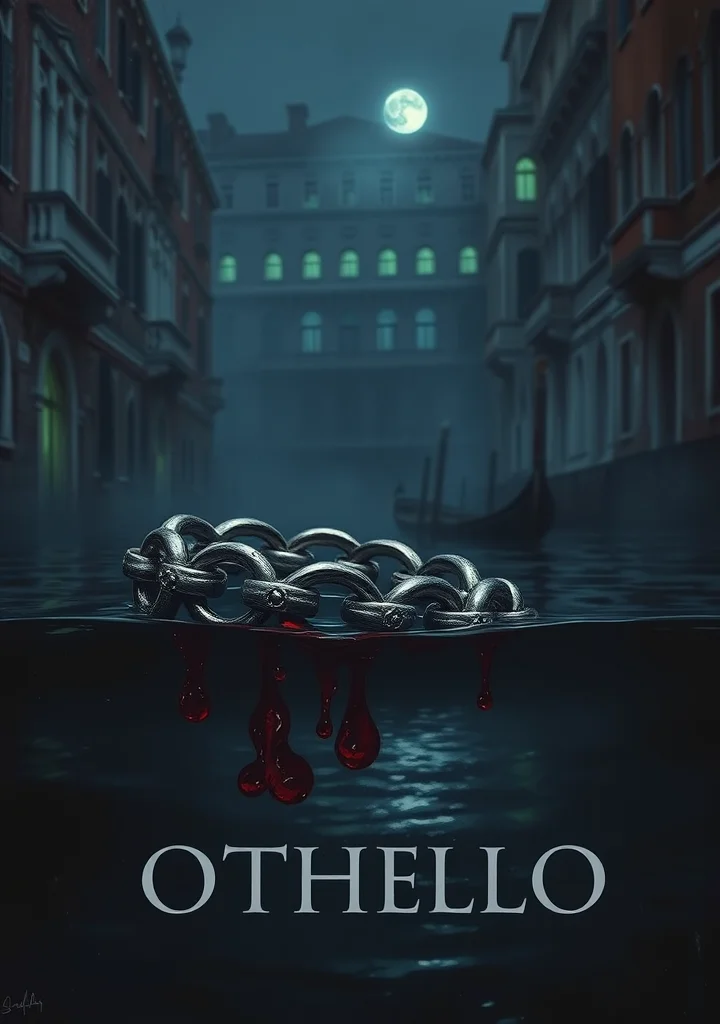
The manor hums with static, a low throb beneath floorboards and within the chipped porcelain dolls that populate its shadowed halls. Old money clings to the Thayer estate like ivy, choking the life from the stone. Our protagonist, a woman named Iris, arrives as the “companion” to the reclusive Mr. Silas Blackwood—a man rumored to have grafted his grief onto the very architecture of the house, weaving it into the electrical wiring that now snakes through every room. But the house *feels*. It breathes with the rhythms of forgotten machines, whispers through copper filaments, and reflects Iris’s own loneliness in the flickering gas lamps. She soon discovers the wiring isn’t merely a means of illumination, but a conduit for Blackwood’s obsessions—a network of surveillance, of control, and of a love so fractured it’s been reassembled into something cold and metallic. The air tastes of ozone and dust. Every creak of the floorboards feels like a watched step. Iris finds herself increasingly drawn to the hidden rooms where Blackwood conducts his experiments—rooms filled with humming devices, spools of wire, and the scent of burnt circuitry. She begins to suspect the manor isn’t protecting Blackwood from the world, but *from* himself, and that Iris, wired into his strange affection, is becoming another layer in his increasingly fragile construction. The further she delves into the house’s heart, the more she realizes this isn’t a love story, but a parasitic entanglement with a man who has made himself a ghost within his own machine.
13 Part
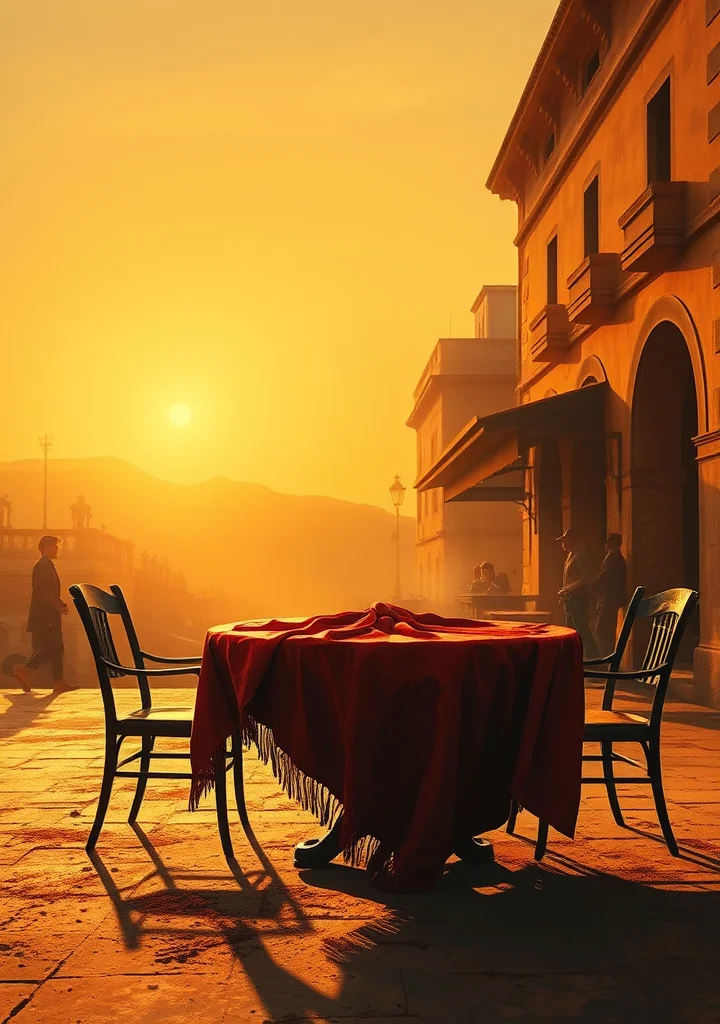
A creeping mist clings to the borders of the forgotten continent, where three men—Van, Terry, and Jeff—dare to venture into a realm whispered about only in the fever dreams of sailors. This is Herland, a land populated solely by women, born of an ancient, impossible isolation. But the silence is not peaceful. It’s a suffocating weight, pressing down on the explorers as they discover a society built not on conquest or domination, but on an unnervingly serene, biological perfection. The air itself tastes of fecundity and decay, a sweet rot blooming in the humid shadows of colossal, vine-choked trees. Each encounter with the Herland mothers—pale, luminous creatures with eyes that hold the weight of millennia—is a slow unraveling of the explorers’ masculine assumptions. The beauty is not inviting, but predatory, a hypnotic lure promising both salvation and annihilation. Walls of emerald moss hide crumbling structures, remnants of a civilization older than history, hinting at a terrible, organic evolution. The men’s desires—lust, ambition, the need to control—become grotesque caricatures reflected back at them in the unnervingly placid faces of their hosts. Herland isn’t a paradise; it’s a chrysalis, and the men are moths drawn to a flame that will consume them, remaking them into something alien and utterly, irrevocably *other*. The further they delve, the more the land breathes around them, a living entity testing, observing, and ultimately, *claiming* them for its own insidious purpose. It is a land not of monsters, but of a singular, terrifying grace.
26 Part
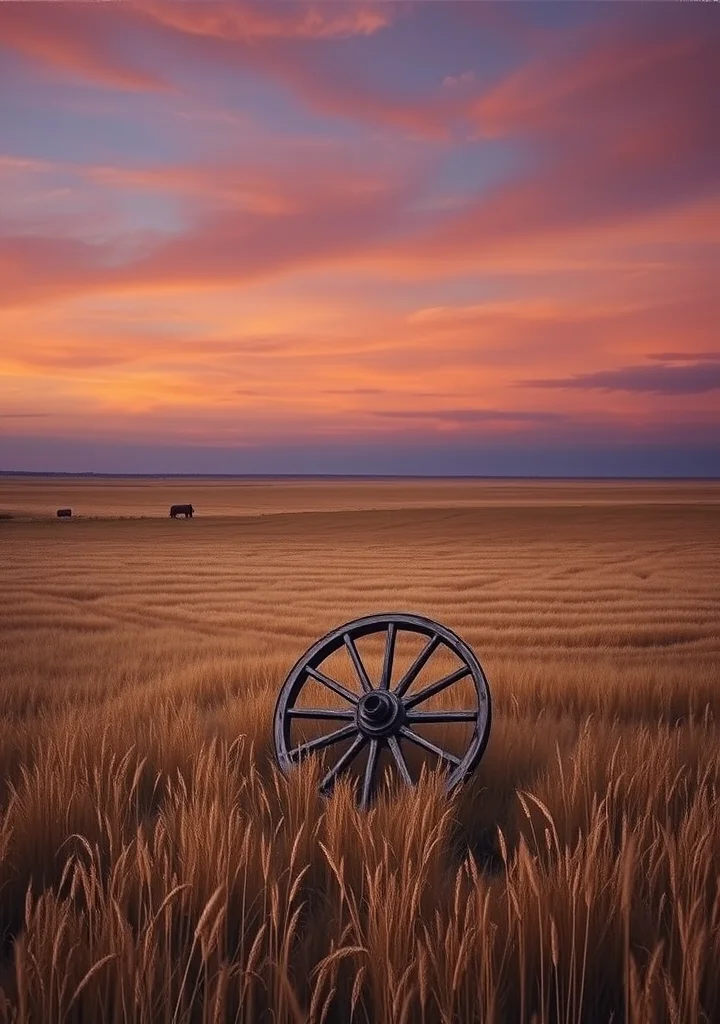
Dust motes dance in the perpetual twilight of Blackwood Penitentiary, where Elias Thorne, a cartographer of forgotten grief, meticulously charts the unraveling minds of the condemned. He doesn’t map territories of land, but the labyrinthine landscapes of despair etched onto the letters of the dead – missives intercepted from beyond the veil, penned by those who’ve tasted oblivion. Each spectral script is a fragment of a final reckoning, a whispered confession bleeding through the paper like ichor. The prison itself breathes with a cold, damp sorrow, the stones weeping with the memories of generations swallowed by its maw. Thorne believes the letters aren’t simply *about* death, but *from* it – echoes of fractured souls attempting to rebuild themselves from the wreckage of their final moments. But as he deciphers their chilling prose, a pattern emerges: a recurring symbol, a name whispered in every fractured script, and a creeping realization that Blackwood isn’t merely holding the dead, but *creating* them. The air thickens with the scent of decay and regret. Shadows cling to the corners of Thorne’s workshop, mirroring the shapes of his own unraveling sanity. He’s not just reading the dead’s last words; he’s becoming possessed by their final, suffocating breaths. The prison isn’t just a place of confinement; it's a crucible where the boundaries between the living and the dead dissolve, and the letters become keys to a descent into a darkness that consumes all who dare to decipher its secrets. The silence isn’t empty, but pregnant with the screams of those lost within the stone, waiting to be reborn from the ink of forgotten letters.