
-
Read 1.4K
-
0
-
Part 59
Completed, First published Mar 02, 2026
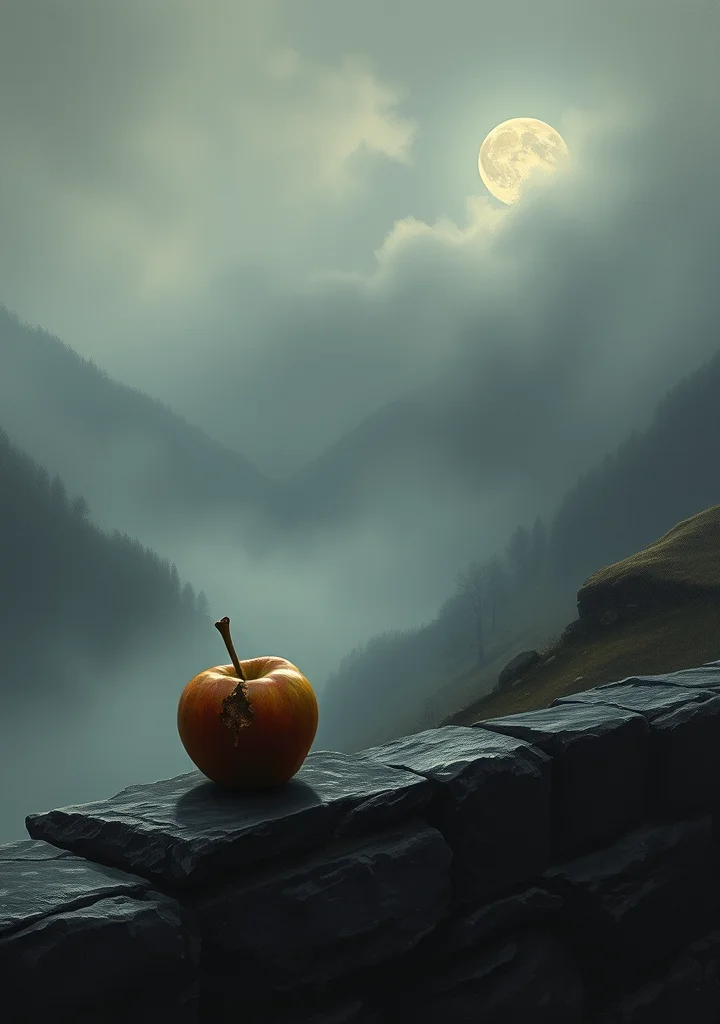
A bruised landscape mirrors a bruised soul. Mist clings to the Vale of Blackmore, obscuring not just the crumbling farms but the very morality of its inhabitants. Tess Durbeyfield is drawn into shadows cast by ancient, predatory forces – a fallen lineage, a corrupted seduction, and the suffocating weight of rural superstition. The air hangs thick with the scent of damp earth and decaying apples, mirroring the rot within the lives touched by the brutal indifference of fate. Each hedgerow seems to whisper of loss, each turnpike a path towards a darkness where innocence is relentlessly devoured. The novel breathes with a claustrophobic dread, born not of supernatural horror, but of the inescapable cruelty woven into the fabric of a world where a single misstep can condemn a woman to an eternity of shame. It’s a story steeped in the grey light of despair, where even the sun offers no warmth, only illuminating the stark, unforgiving beauty of a tragedy unfolding under a sky as vast and uncaring as God himself. The narrative coils like a serpent through fields of wheat and haunted dairies, leaving the reader gasping for breath in the suffocating silence of Tess’s slow, inevitable unraveling.
Copyright: Public Domain
This license allows anyone to use your story for any purpose, including printing, selling, or adapting it into a film freely.
This license allows anyone to use your story for any purpose, including printing, selling, or adapting it into a film freely.
Recommended for you