
Clouds of Witness
  • 140
  • 0
  • 25
  • Reads 140
  • 0
  • Part 25
Completed, First published Mar 02, 2026

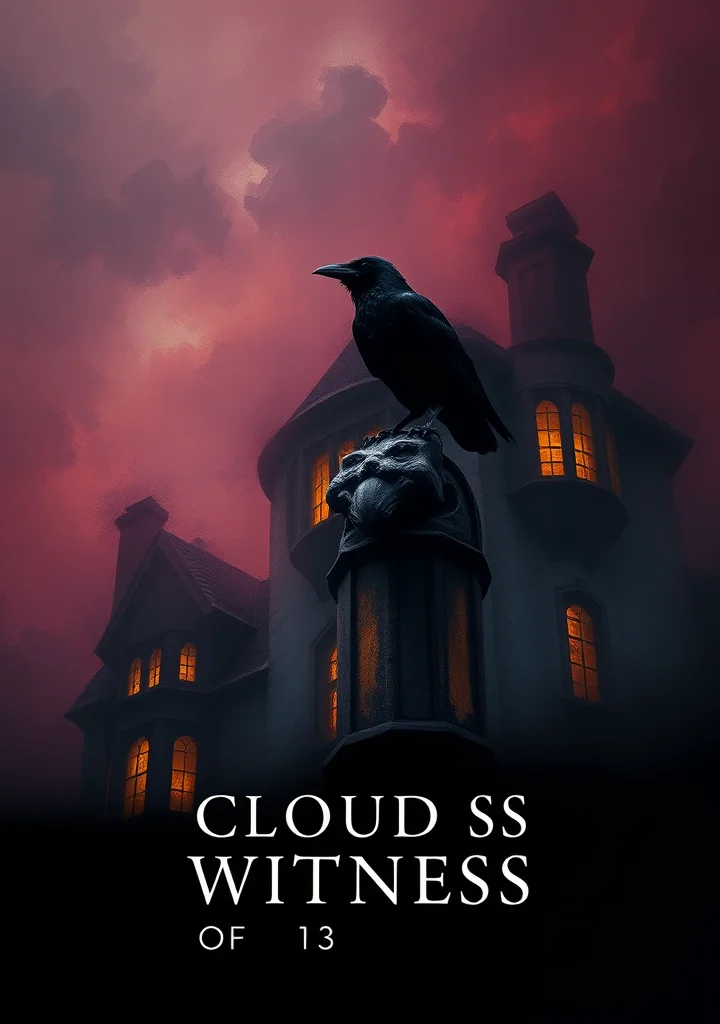
A chilling mist clings to the Norfolk coast, mirroring the suffocating secrets held within the imposing manor of Sir Jasper Ladisham. The air tastes of salt and decay, a perpetual twilight obscuring the motives of those gathered under the shadow of the looming cliffs. A meticulously crafted web of suspicion unravels with each whispered conversation, each stolen glance across the dinner table. The scent of beeswax polish and damp stone blends with the acrid tang of resentment – a household steeped in old money, older grievances, and the lingering ghost of a woman’s sudden, inexplicable death. Every room breathes with a stifled history, and the very architecture seems to conspire in keeping its inhabitants fractured and isolated. The grounds themselves are haunted by the perpetual threat of the sea, mirroring the rising tide of unease as the truth, like a submerged wreck, begins to surface. A suffocating atmosphere of controlled civility masks a desperate struggle for inheritance, a simmering bitterness that threatens to shatter the fragile composure of the Ladisham household and drag its inhabitants into the depths of its own shadowed history. The silence is not peaceful, but expectant – the stillness before a reckoning that will leave its witnesses forever stained by the stain of complicity.
Copyright: Public Domain
This license allows anyone to use your story for any purpose, including printing, selling, or adapting it into a film freely.
Recommended for you
10 Part
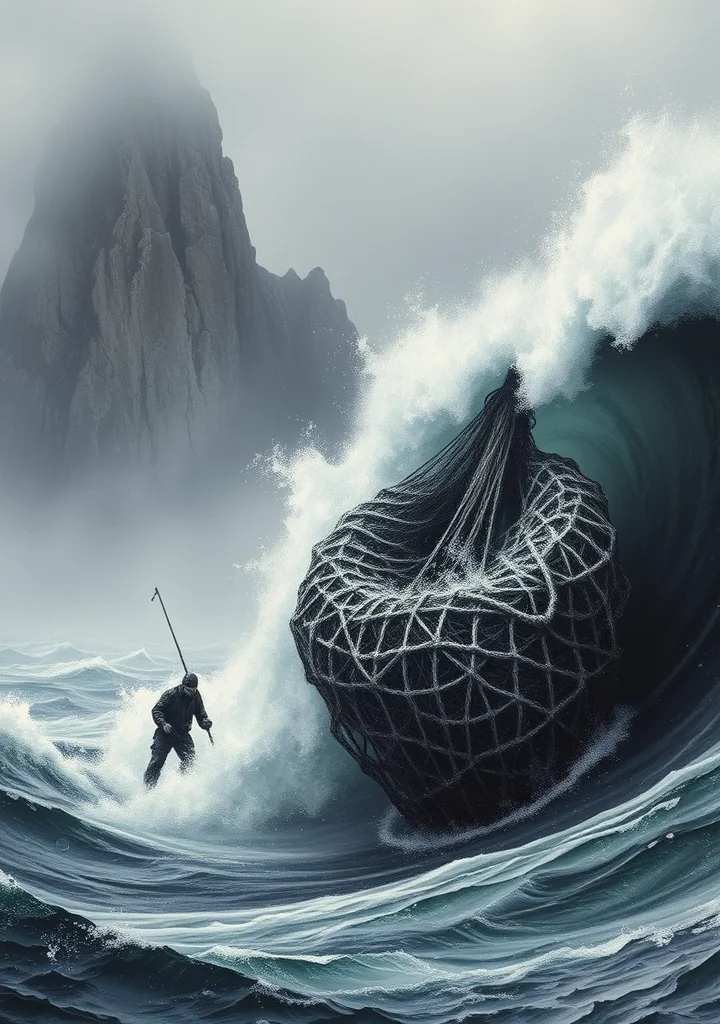
A suffocating heat clings to the decks of the *Narcissus*, a heat mirroring the festering discontent within its crew. The ship, a coffin adrift on a sun-blistered sea, carries not just cargo, but a contagion of the soul. A single, enigmatic figure – a lascar, branded with a venomous nickname – becomes the crucible for their simmering prejudices, their buried anxieties. The narrative doesn’t offer escape, but a slow, deliberate descent into the claustrophobia of shared confinement, where the boundaries of sanity blur with the shimmering mirages of the tropics. The air hangs thick with the weight of unspoken desires and simmering resentments, each wave a whispered threat against the rotting timbers. The sea itself feels less a vast expanse than a tightening noose. The lascar’s presence isn't merely a disruption; it’s an unraveling. As the ship lurches through storm-wracked nights and sun-drenched days, the crew’s descent into madness isn’t a burst of violence, but a creeping rot, a quiet fracturing of their own humanity. The *Narcissus* isn’t just sailing *to* darkness, it *is* darkness, breeding within its hold, seeping into the very wood and bone of those aboard. It is a descent into a delirium where the line between man and beast, sanity and delirium, dissolves into the salt-soaked horizon. The true horror isn’t found in what is seen, but in what festers unseen, within the shadowed corners of the human heart.
20 Part
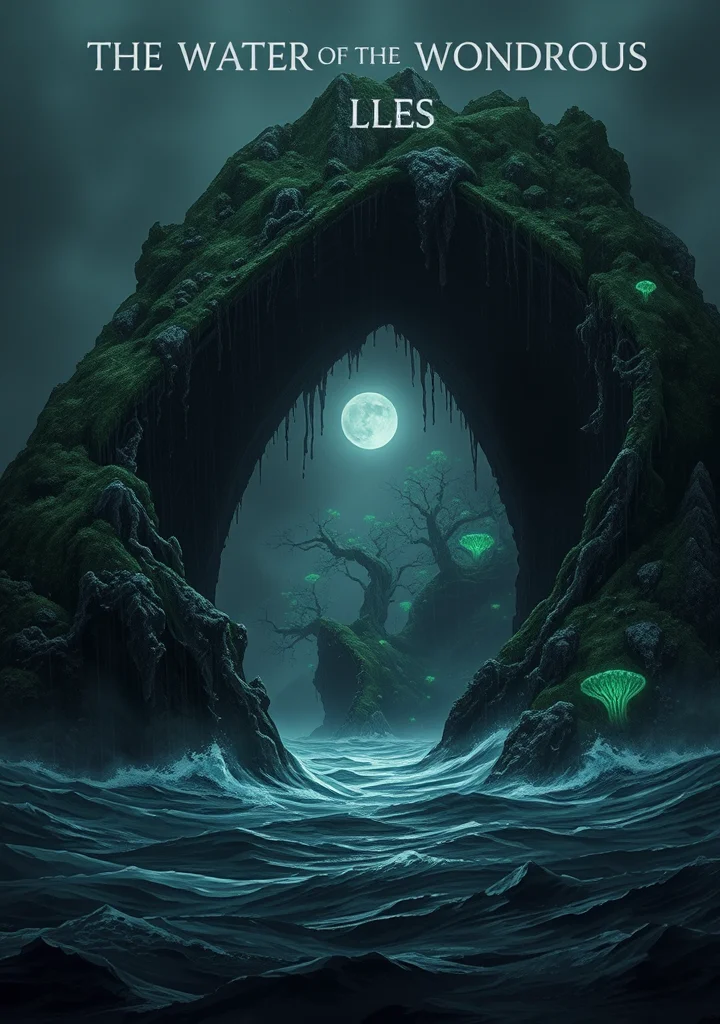
Beneath a bruised and perpetual twilight, where the sea gnaws at the cliffs like a starving beast, a child is born not of flesh and blood, but of shadow and stone. Verne’s narrative descends into a labyrinth of echoing tunnels carved into the heart of a forgotten coast, a place where the tide’s rhythm mimics the beat of a decaying heart. The air hangs thick with brine and the scent of something ancient, something *grown* in darkness. The child, salvaged from a shipwreck’s wreckage, is raised by a recluse haunted by the sea’s wreckage—a man who has traded sunlight for the phosphorescent glow of subterranean life. This is not a tale of rescue, but of a gradual submergence. The cavern itself breathes, its walls weeping with mineral salts that cling to skin like frost. Each chapter unfurls like a slow unraveling, revealing a world built on the bones of drowned things and the whispers of forgotten gods. The boy’s growth is mirrored by the cavern’s expansion, a perverse symbiosis that twists him into something both feral and ethereal. He learns to navigate the tunnels not with sight, but with the tremor of the rock against his bare feet, the taste of salt on his tongue, the echo of his own heart beating against the cavern’s core. A creeping dread settles in as the narrative progresses. It isn’t the monsters lurking in the black depths that haunt, but the realization that the cavern is not merely a shelter, but a womb. A womb for something ancient and hungry, and the child is not being *raised* within it, but *prepared*. The sea is not merely a backdrop to this story, it is a hungry god, and the cavern, its festering wound. The air grows colder, the darkness more complete, and the child’s fate—a chilling descent into the cavern's unyielding heart—becomes a slow, inevitable drowning in stone.
24 Part
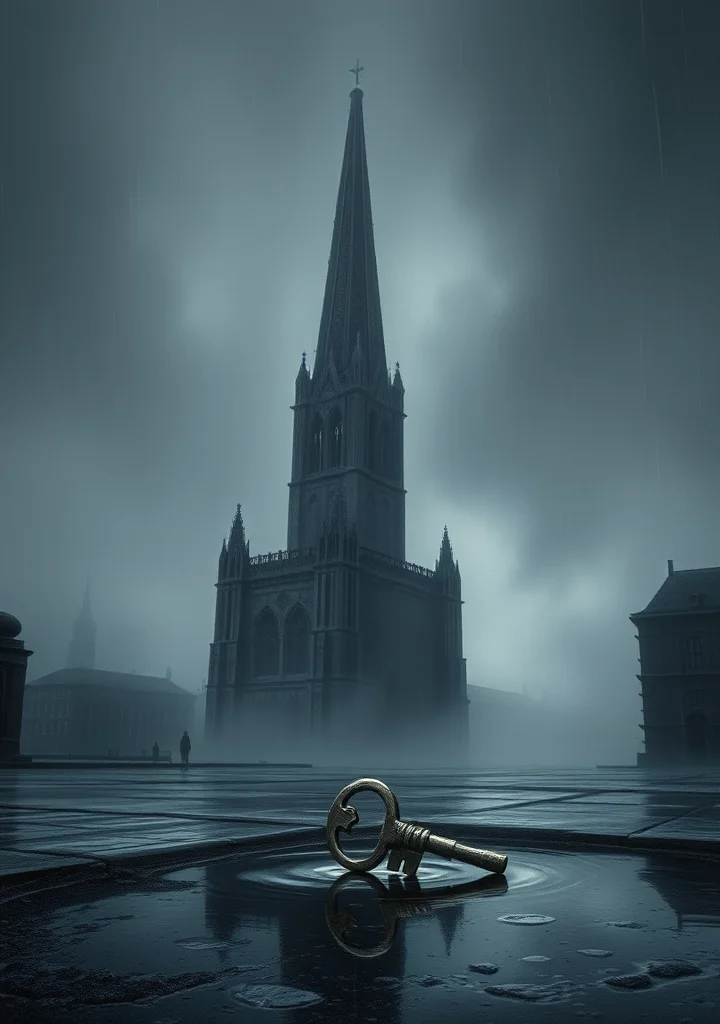
London breathes under a fog thick with coal dust and righteous fury. A singular, colossal figure – Michael Fane, the self-proclaimed Napoleon – stalks the streets of Notting Hill, not for conquest, but for a peculiar, escalating series of acts of civic “improvement.” He doesn’t steal, not precisely. He *rearranges*. He dismantles a building here, subtly alters a square there, all in the name of a deranged, geometric vision of order. The air hangs heavy with the dread of unspoken intentions. The narrative unravels through the eyes of a bewildered, increasingly horrified populace, and the desperate, flailing attempts of the police to understand a man who claims to be enacting a divine geometry. Each rearrangement isn’t merely vandalism, but a surgical excision of the city's soul, a chipping away at its haphazard, human beauty. A creeping claustrophobia settles in as Fane’s “improvements” become more audacious, more…necessary. The gas lamps cast elongated shadows that seem to mimic his reshaping of the streets. The scent of damp brick and decaying plaster clings to the air, mirroring the decay of reason within Fane’s mind. It’s not a story of violence, but of insidious, creeping control. The dread doesn't lie in what is *done*, but in the chilling logic behind it – a perverse, obsessive love for a perfect, sterile London that will be born from the rubble of the old. A city remade in the image of one man’s madness.