
-
Read 212
-
0
-
Part 10
Completed, First published Mar 02, 2026
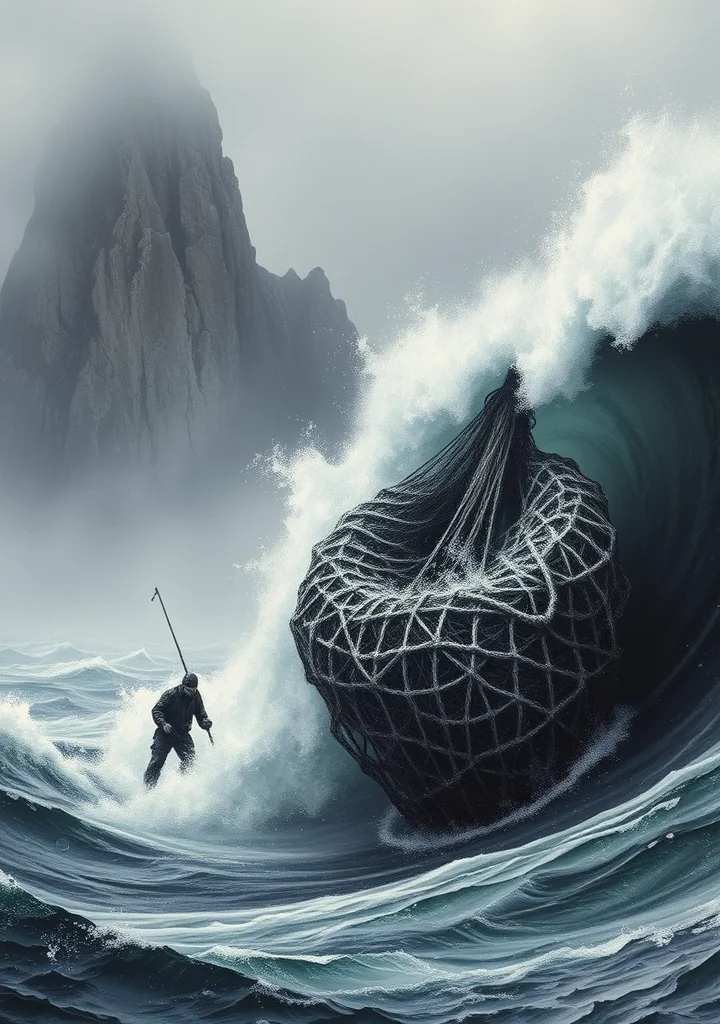
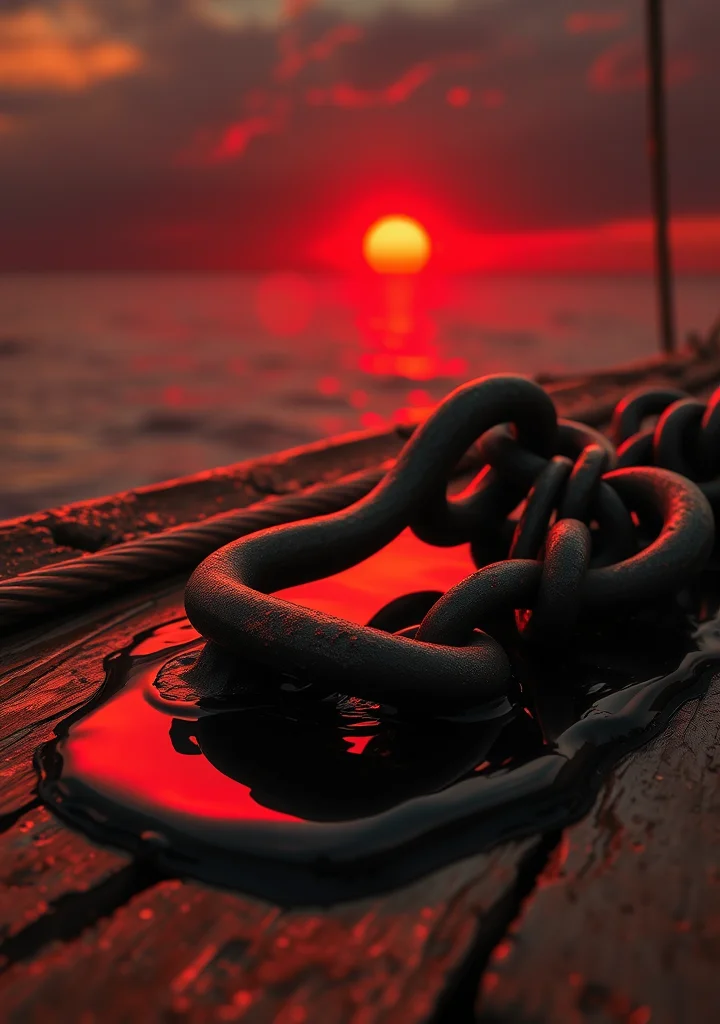
A suffocating heat clings to the decks of the *Narcissus*, a heat mirroring the festering discontent within its crew. The ship, a coffin adrift on a sun-blistered sea, carries not just cargo, but a contagion of the soul. A single, enigmatic figure – a lascar, branded with a venomous nickname – becomes the crucible for their simmering prejudices, their buried anxieties. The narrative doesn’t offer escape, but a slow, deliberate descent into the claustrophobia of shared confinement, where the boundaries of sanity blur with the shimmering mirages of the tropics.
The air hangs thick with the weight of unspoken desires and simmering resentments, each wave a whispered threat against the rotting timbers. The sea itself feels less a vast expanse than a tightening noose. The lascar’s presence isn't merely a disruption; it’s an unraveling. As the ship lurches through storm-wracked nights and sun-drenched days, the crew’s descent into madness isn’t a burst of violence, but a creeping rot, a quiet fracturing of their own humanity. The *Narcissus* isn’t just sailing *to* darkness, it *is* darkness, breeding within its hold, seeping into the very wood and bone of those aboard. It is a descent into a delirium where the line between man and beast, sanity and delirium, dissolves into the salt-soaked horizon. The true horror isn’t found in what is seen, but in what festers unseen, within the shadowed corners of the human heart.
Copyright: Public Domain
This license allows anyone to use your story for any purpose, including printing, selling, or adapting it into a film freely.
This license allows anyone to use your story for any purpose, including printing, selling, or adapting it into a film freely.
More like this