
The Child of the Cavern
  • 126
  • 0
  • 20
  • Reads 126
  • 0
  • Part 20
Completed, First published Mar 02, 2026

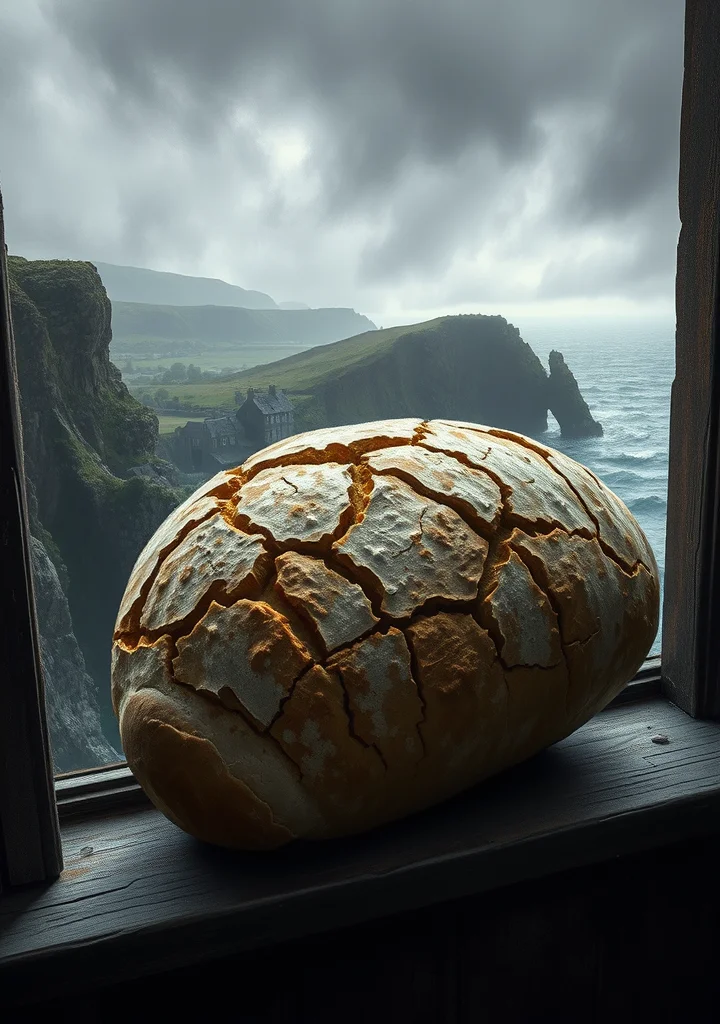
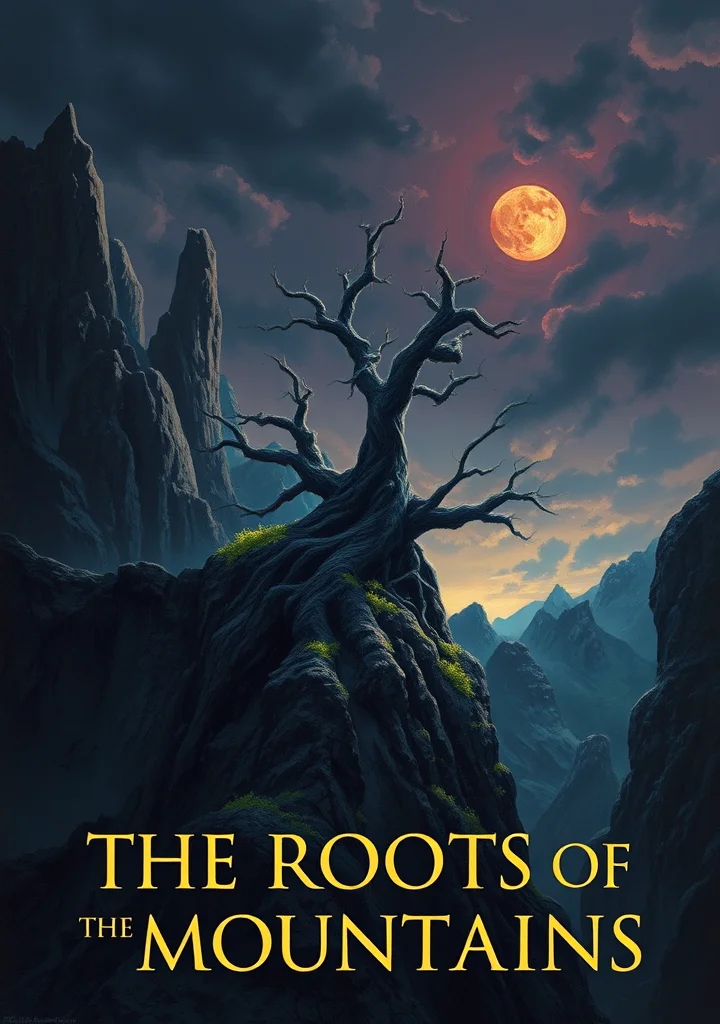
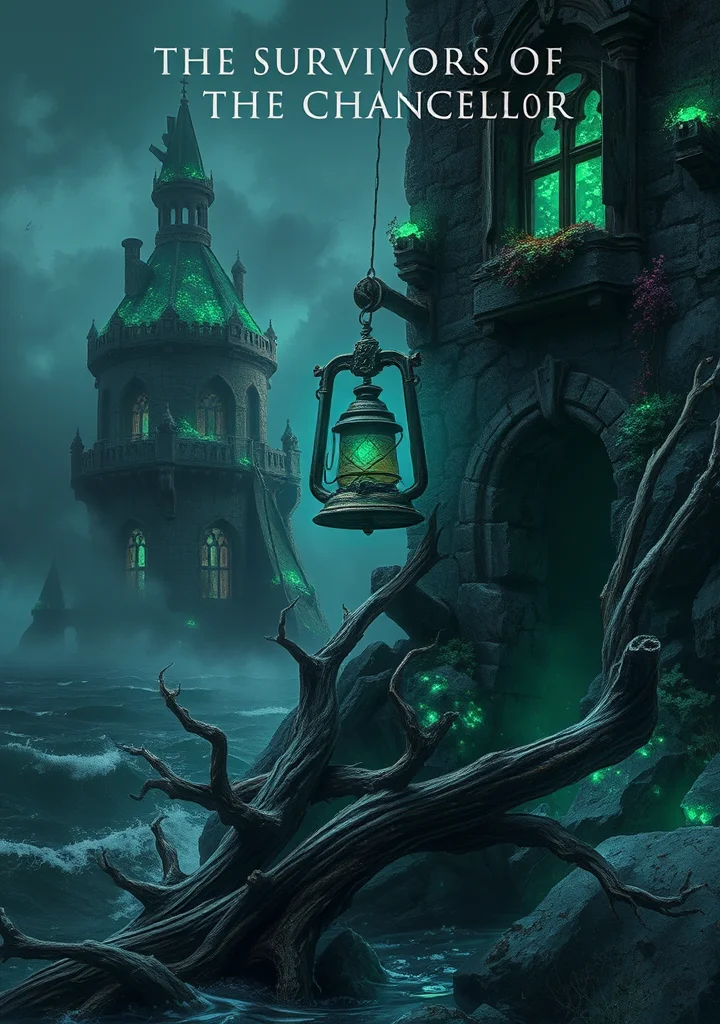
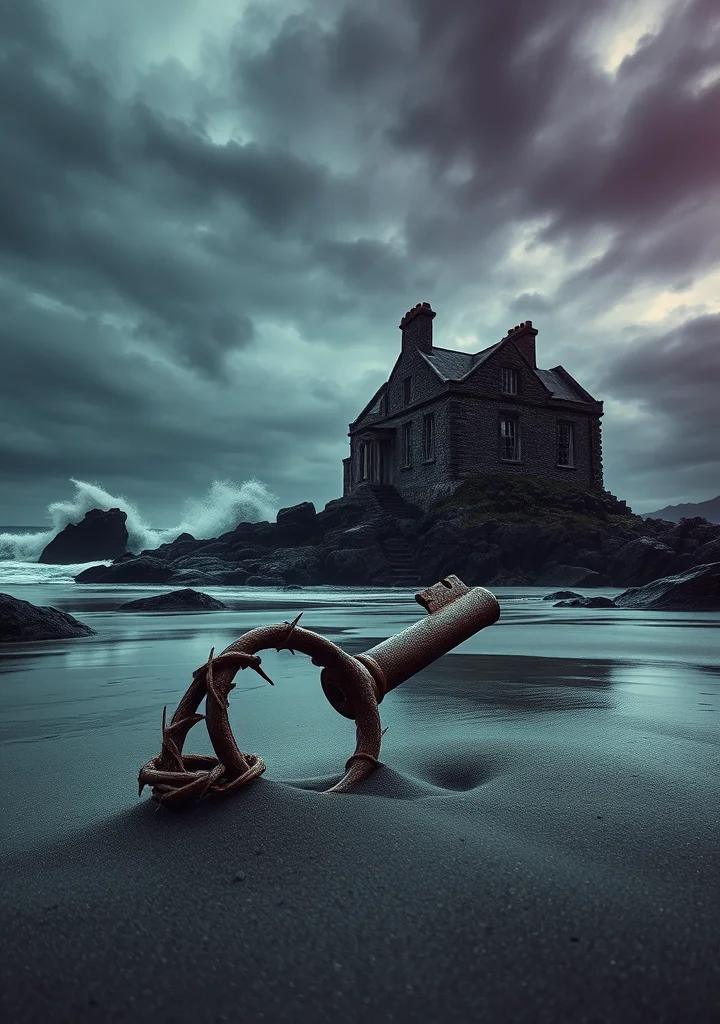
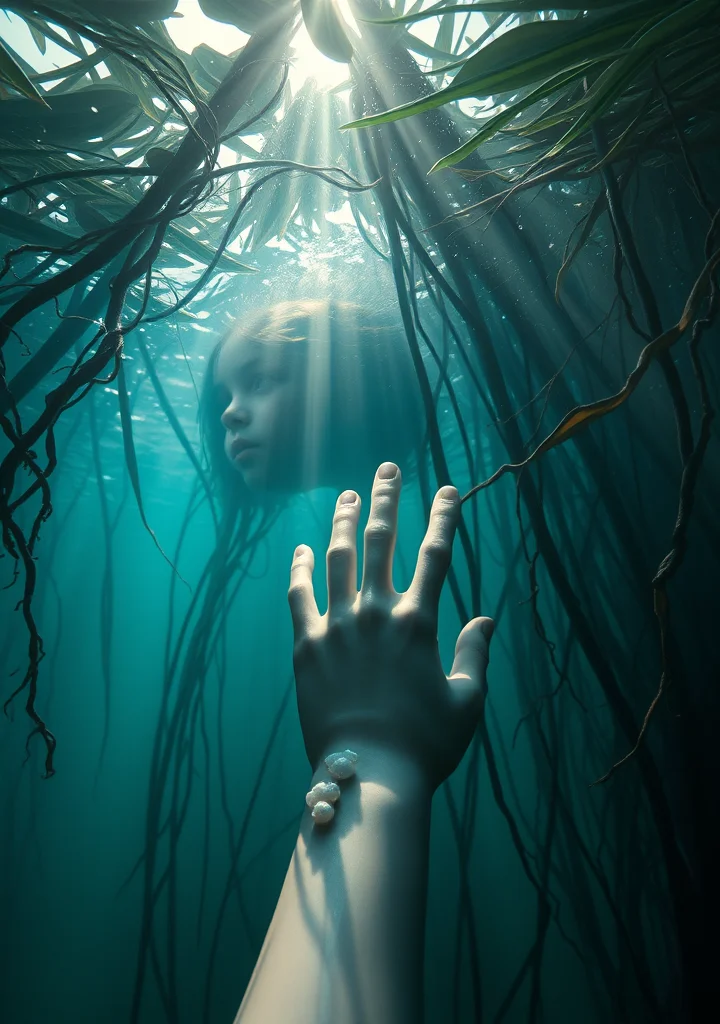
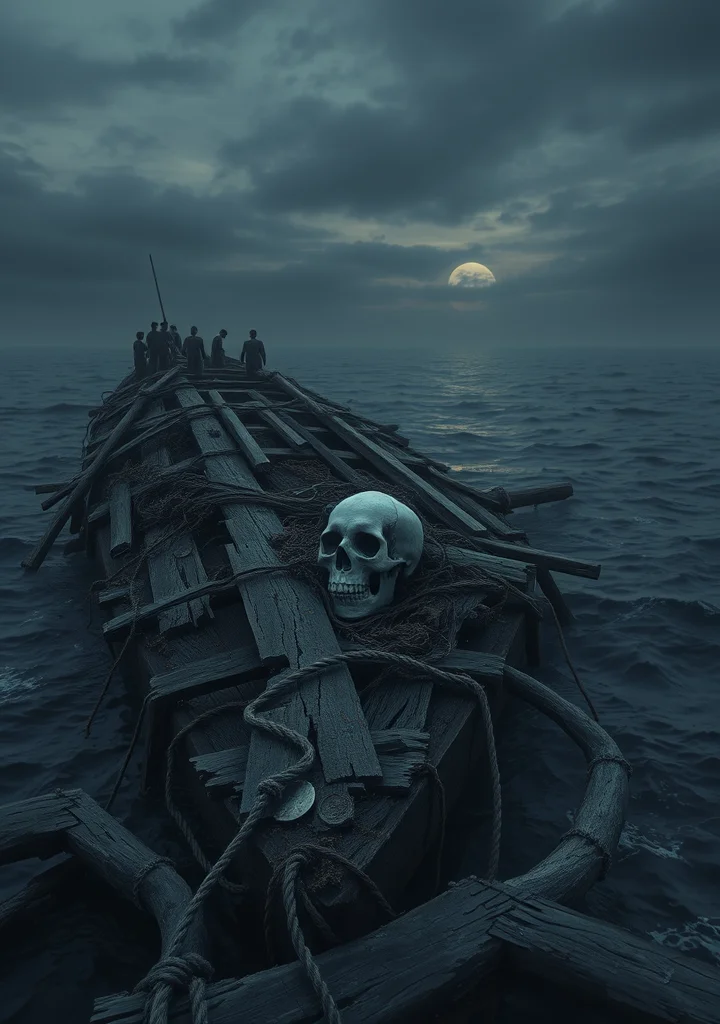
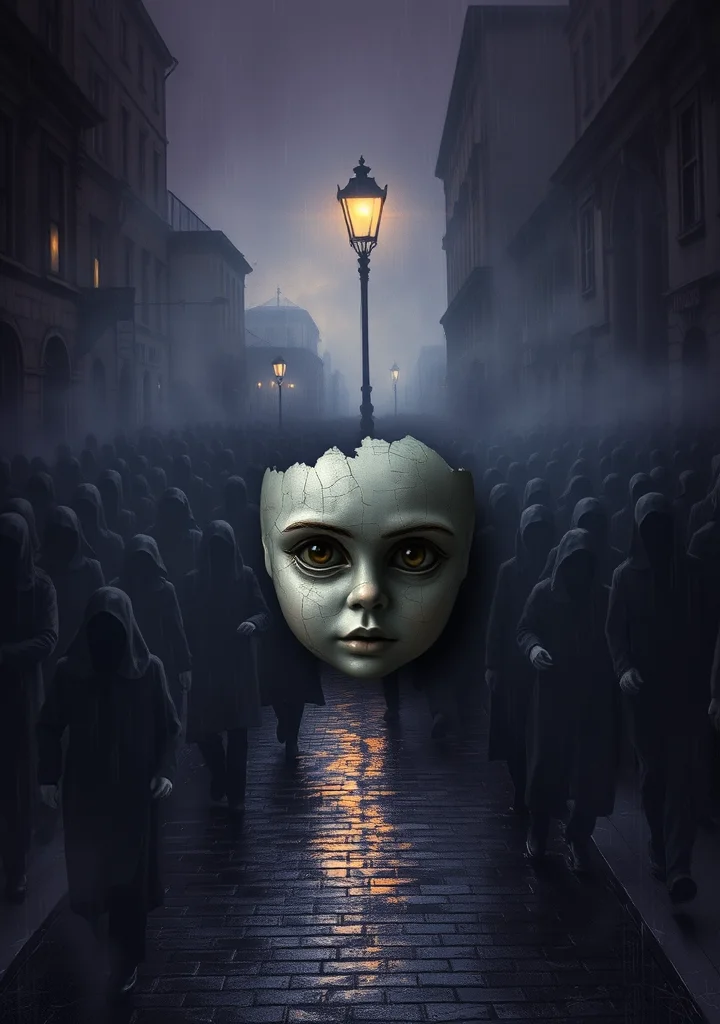
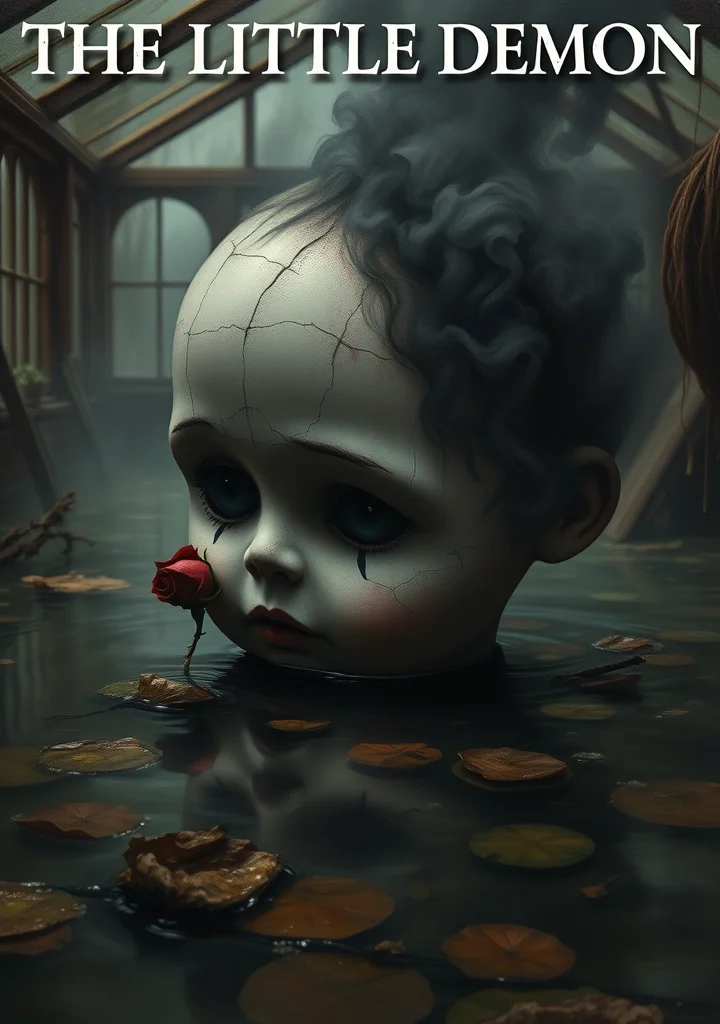
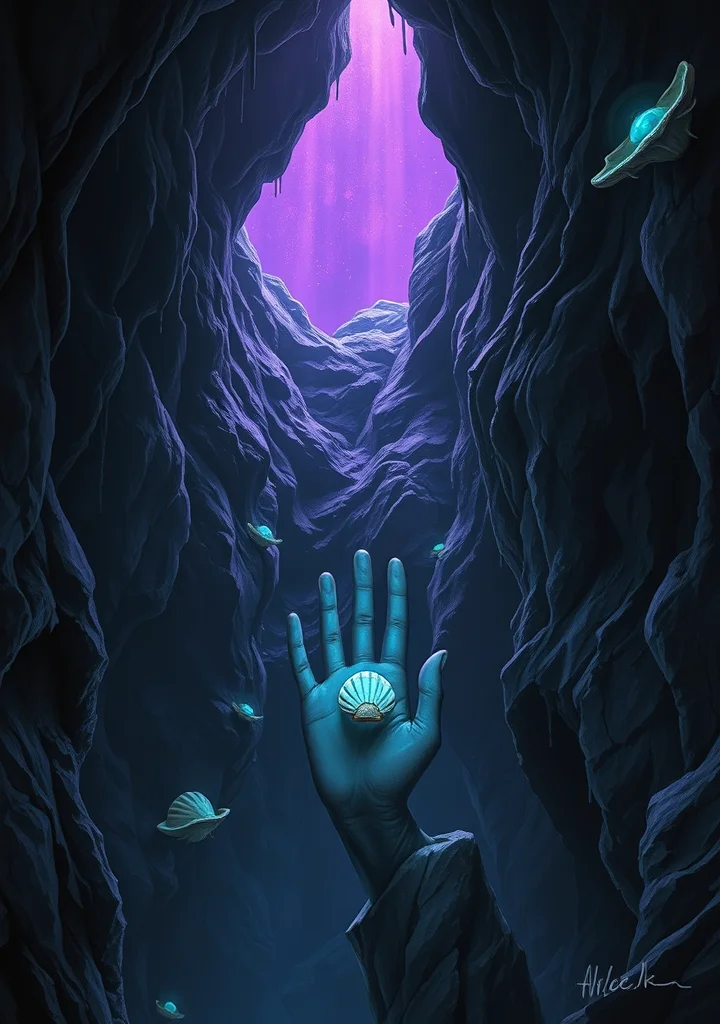
Beneath a bruised and perpetual twilight, where the sea gnaws at the cliffs like a starving beast, a child is born not of flesh and blood, but of shadow and stone. Verne’s narrative descends into a labyrinth of echoing tunnels carved into the heart of a forgotten coast, a place where the tide’s rhythm mimics the beat of a decaying heart. The air hangs thick with brine and the scent of something ancient, something *grown* in darkness. The child, salvaged from a shipwreck’s wreckage, is raised by a recluse haunted by the sea’s wreckage—a man who has traded sunlight for the phosphorescent glow of subterranean life. This is not a tale of rescue, but of a gradual submergence. The cavern itself breathes, its walls weeping with mineral salts that cling to skin like frost. Each chapter unfurls like a slow unraveling, revealing a world built on the bones of drowned things and the whispers of forgotten gods. The boy’s growth is mirrored by the cavern’s expansion, a perverse symbiosis that twists him into something both feral and ethereal. He learns to navigate the tunnels not with sight, but with the tremor of the rock against his bare feet, the taste of salt on his tongue, the echo of his own heart beating against the cavern’s core. A creeping dread settles in as the narrative progresses. It isn’t the monsters lurking in the black depths that haunt, but the realization that the cavern is not merely a shelter, but a womb. A womb for something ancient and hungry, and the child is not being *raised* within it, but *prepared*. The sea is not merely a backdrop to this story, it is a hungry god, and the cavern, its festering wound. The air grows colder, the darkness more complete, and the child’s fate—a chilling descent into the cavern's unyielding heart—becomes a slow, inevitable drowning in stone.
Copyright: Public Domain
This license allows anyone to use your story for any purpose, including printing, selling, or adapting it into a film freely.
Recommended for you
19 Part
Dust motes dance in the perpetual twilight of crumbling Rajput fortresses, clinging to the scent of sandalwood and decay. A fever-dream heat hangs heavy, thick with the whispers of djinn and the rustle of silk in shadowed chambers. Burton, ever the scholar-explorer, has unearthed more than ancient texts; he’s awakened a hunger older than the stone itself. Vikram, a scholar steeped in forgotten lore, finds himself drawn into a labyrinthine pursuit of a creature both exquisitely beautiful and terrifyingly predatory. Not a beast of fangs and brute force, but one of elegant seduction and creeping paralysis. The vampire here doesn’t stalk through London fog, but through the saffron-stained ruins of a lost empire. The narrative breathes with the oppressive weight of ritual and obligation, each encounter veiled in layers of veiled glances and stifled accusations. It is a story told in half-tones, in the flickering lamplight of opium dens, in the echoing silence of abandoned temples. The air itself is tainted with the cloying sweetness of jasmine and the metallic tang of old blood. Vikram’s investigation unravels not into a hunt, but an unraveling of his own sanity, as the lines between hunter and hunted, mortal and immortal, blur within the hypnotic gaze of a creature who has tasted centuries and craves a new, willing victim. The land itself seems to conspire to keep its secrets, each step deeper into the mystery a descent into a suffocating, intoxicating darkness where the boundaries of life and death become indistinguishable.
62 Part
A creeping malaise descends with the first ascent to Berghof, a sanatorium clinging to the precipice between life and death. Not a fever dream, but a deliberate, glacial erosion of the self, orchestrated by the mountain’s insidious stillness. Here, time dilates, stretching into an eternity measured not by clocks, but by the slow, deliberate consumption of lungs and the languid unraveling of souls. The air itself is a narcotic, laced with the scent of pine and the ghosts of consumption, drawing the protagonist into a hypnotic orbit around the tubercular aristocracy of the sanatorium. Days bleed into weeks, weeks into years, punctuated only by the hollow coughs echoing through corridors, and the unsettlingly precise rituals of measurement – weight, temperature, sputum. A baroque decay permeates every surface, mirroring the rot within the bodies of its inhabitants. The mountain is not merely a backdrop, but a character, a malevolent deity presiding over a kingdom of shadows and protracted farewells. Whispers of philosophy mingle with the damp chill of mortality, as the protagonist drifts through a labyrinth of intellectual debate, drawn into the orbit of a charismatic, cynical aesthete who seems to thrive on the very sickness that defines their gilded cage. It is a descent into a hypnotic, self-imposed exile, a voluntary surrender to the beautiful, terrible weight of waiting. The world below, the world of action and ambition, becomes a fading memory, a phantom limb severed by the mountain's isolating embrace. The narrative is less a journey toward recovery, and more a meticulous charting of the boundaries of oblivion, a slow, deliberate burial within the snow-capped peaks of the self.