
-
Read 247
-
0
-
Part 19
Completed, First published Mar 02, 2026
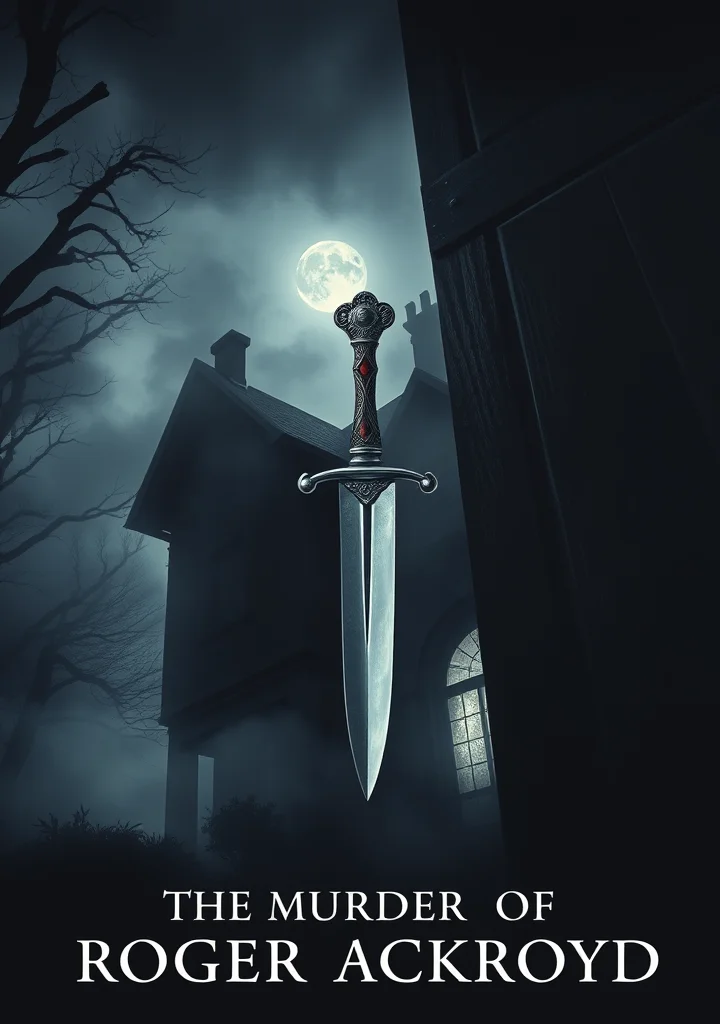
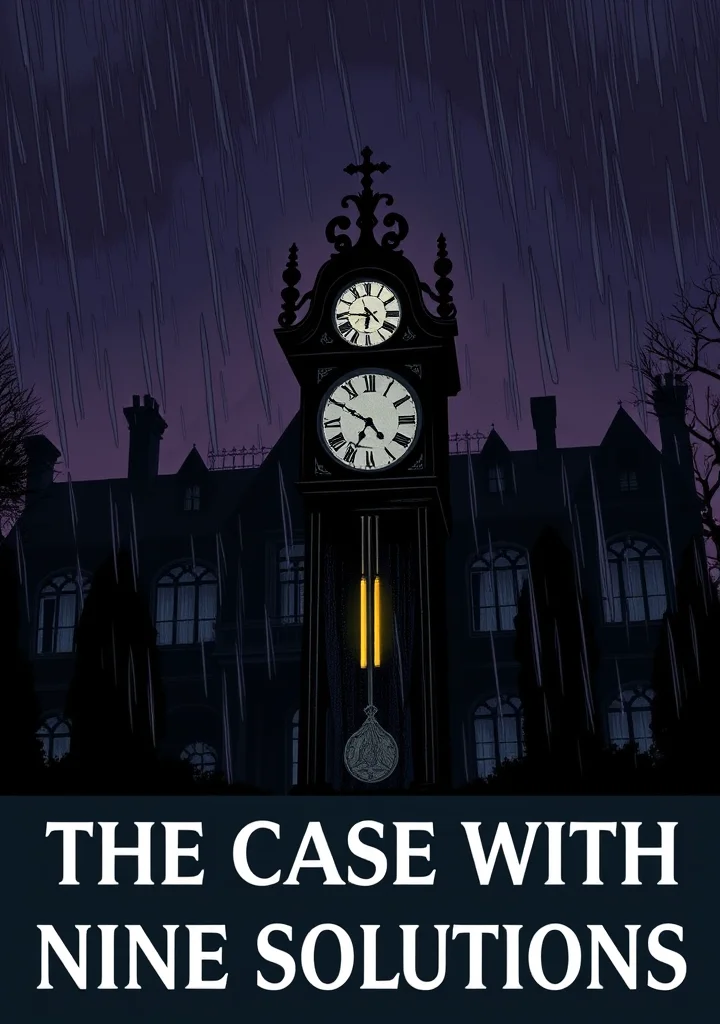
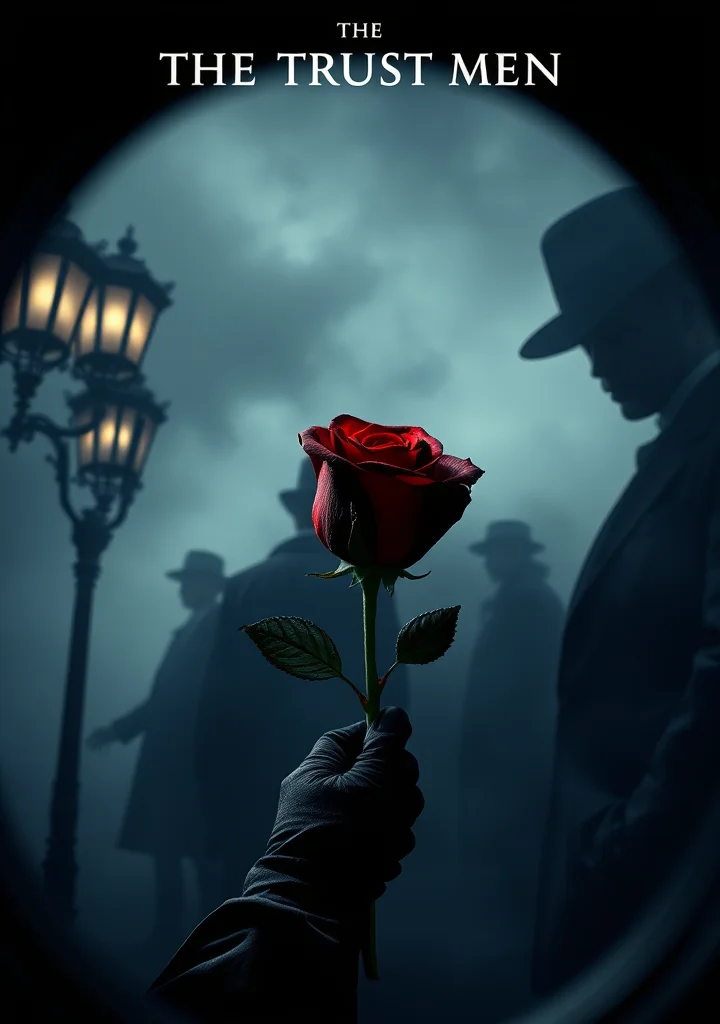
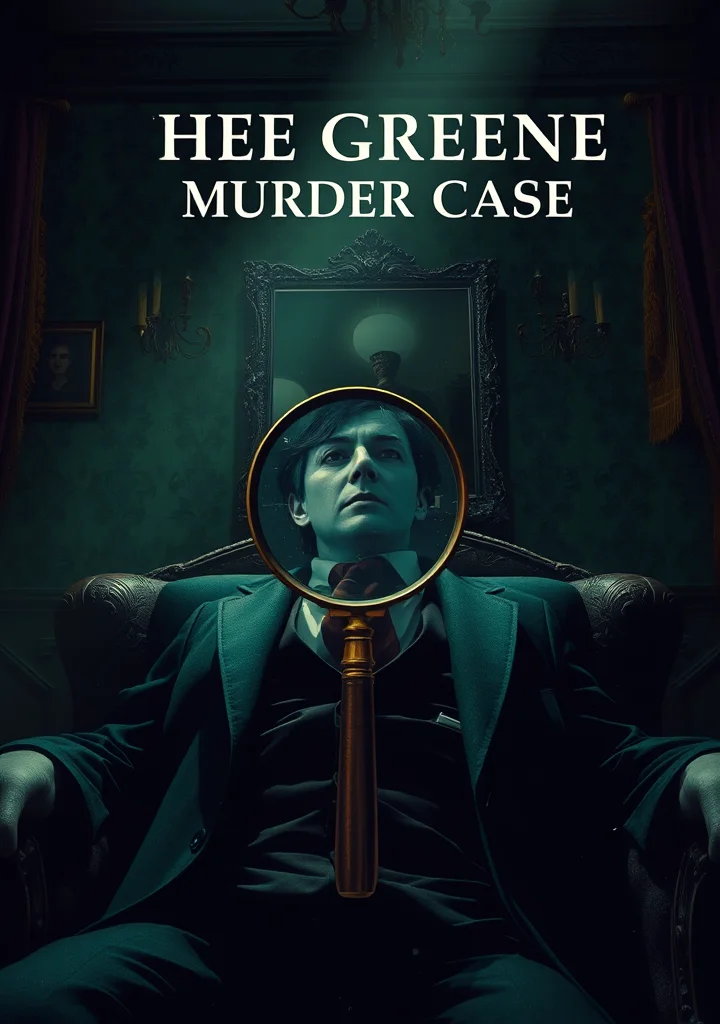
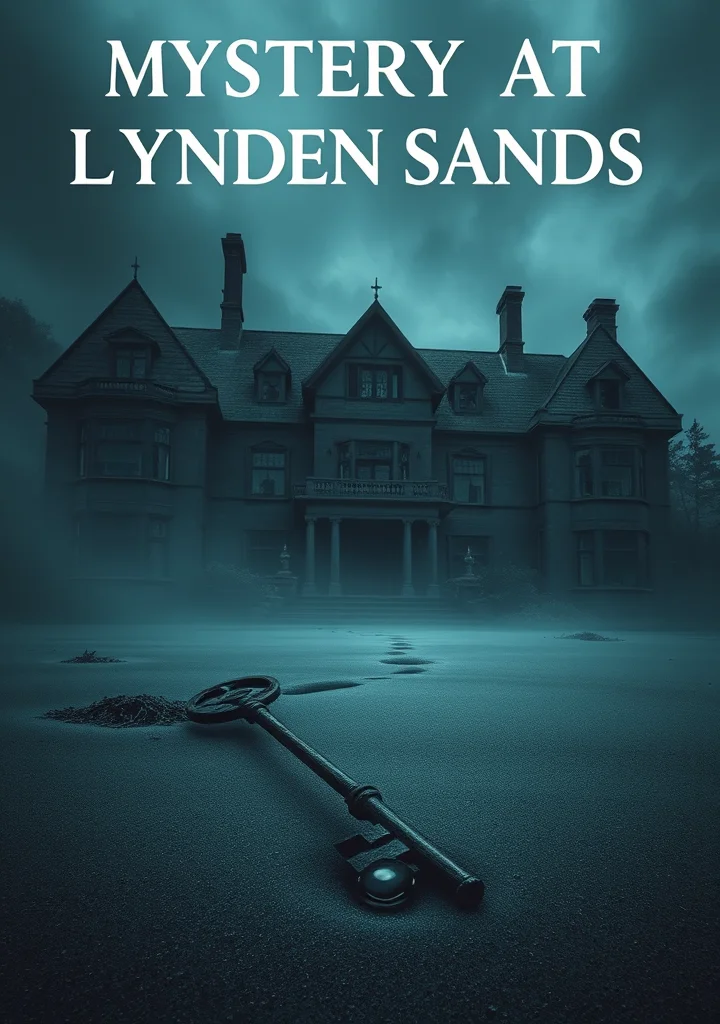
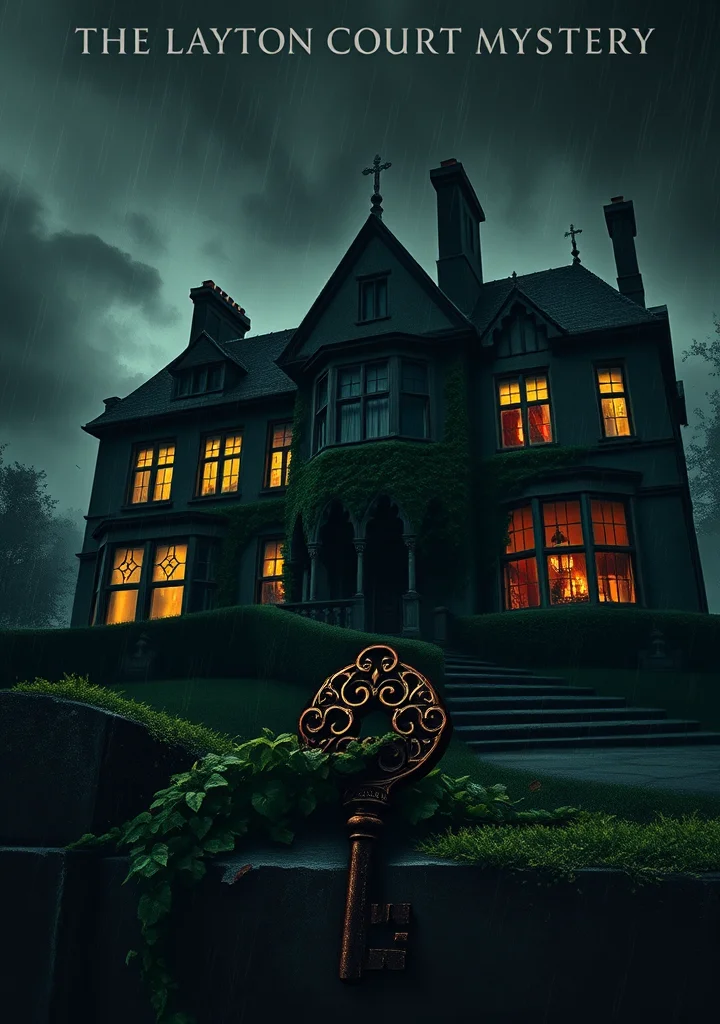
A fog-choked London, thick with the scent of coal smoke and regret, clings to the shadowed corners of a baffling investigation. The celebrated detective Philip Trent, weary and disillusioned, is drawn into a final, morbid puzzle—the apparent suicide of a man named Delroy. But the scene, a grand country house steeped in privilege and veiled in secrets, whispers of something far more insidious than despair. A portrait, a beautiful woman, a missing will, and the suffocating weight of unspoken desires weave a labyrinth of suspicion.
The air itself feels tainted with deceit, each room a stage for a performance of grief and veiled motives. Trent’s pursuit is not one of deduction, but of unraveling a delicate, decaying tapestry of lies, where every glance is a confession and every silence a betrayal. The investigation becomes a descent into the stifling world of the upper class, haunted by its own gilded cages and the ghosts of broken promises. It is a story where the truth is not found in the evidence, but in the subtle fractures of the human heart, and where the last case may very well be the last breath of innocence.
Copyright: Public Domain
This license allows anyone to use your story for any purpose, including printing, selling, or adapting it into a film freely.
This license allows anyone to use your story for any purpose, including printing, selling, or adapting it into a film freely.
More like this