
-
Read 494
-
0
-
Part 23
Completed, First published Mar 02, 2026
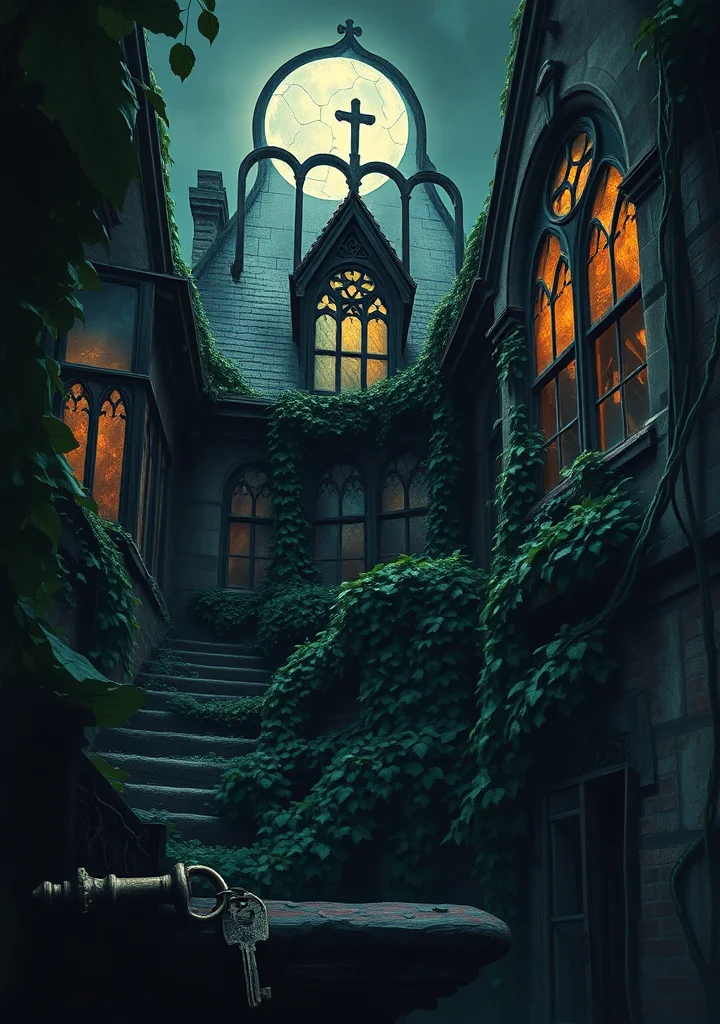
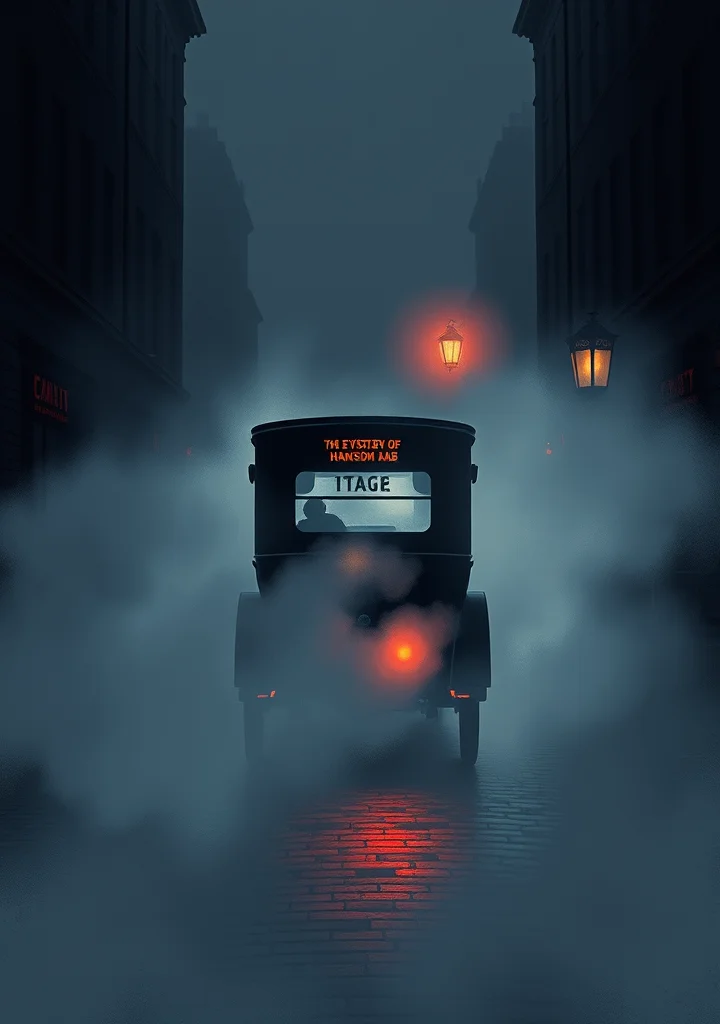
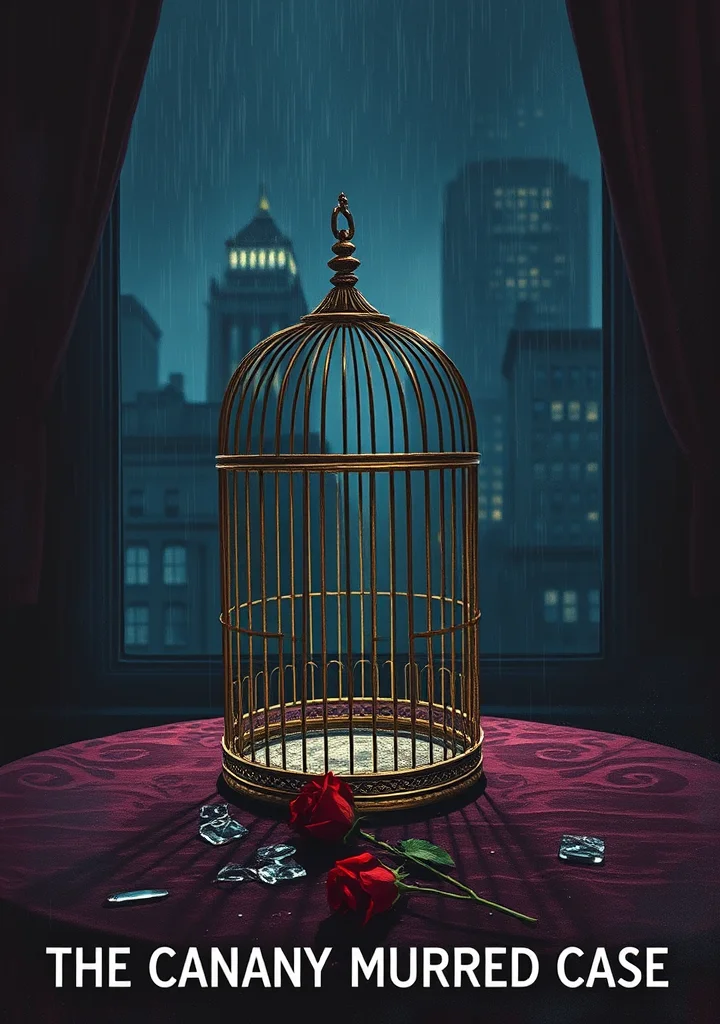
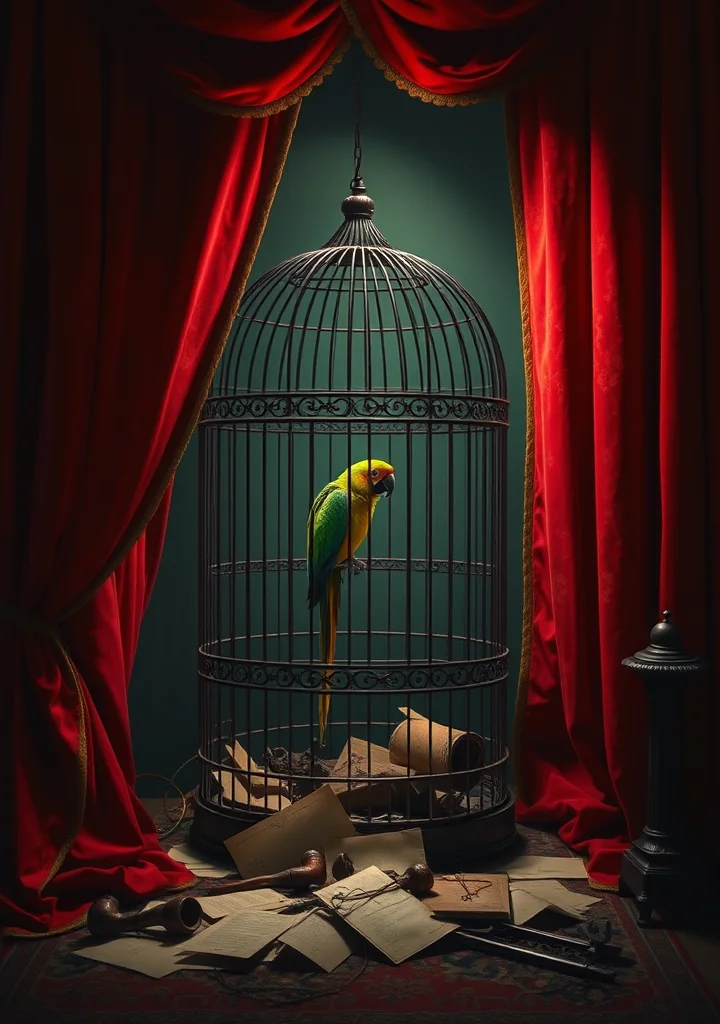
A creeping dread clings to the shadowed corners of a San Francisco mansion, where whispers of opium and ancient curses weave through the silken drapes. Dr. Ellery Queen is summoned not to solve a murder, but to unravel a legacy of fear surrounding a peculiar avian inheritance – a parrot imported from the Orient, bearing witness to a fortune built on treachery and shadowed by a dynasty’s downfall. The bird’s mimicry isn’t mere repetition; it’s an echo of a dying man’s confession, a fragmented map to hidden jewels, and a chilling harbinger of retribution. Each squawk, each carefully uttered phrase, unlocks a labyrinthine plot steeped in the perfidious secrets of Chinatown. A suffocating fog descends with each revelation, blurring the lines between reality and the opium-induced visions of those entangled in the parrot’s morbid chronicle. The scent of jasmine and decay hangs heavy, promising that the price of truth will be paid in the currency of shattered lives and the slow, deliberate unraveling of a family’s cursed fate. The house itself breathes with the weight of its past, a mausoleum of ambition where the parrot’s cage is both prison and oracle, guarding a truth as venomous as the serpent coiled within its gilded bars.
Copyright: Public Domain
This license allows anyone to use your story for any purpose, including printing, selling, or adapting it into a film freely.
This license allows anyone to use your story for any purpose, including printing, selling, or adapting it into a film freely.
More like this