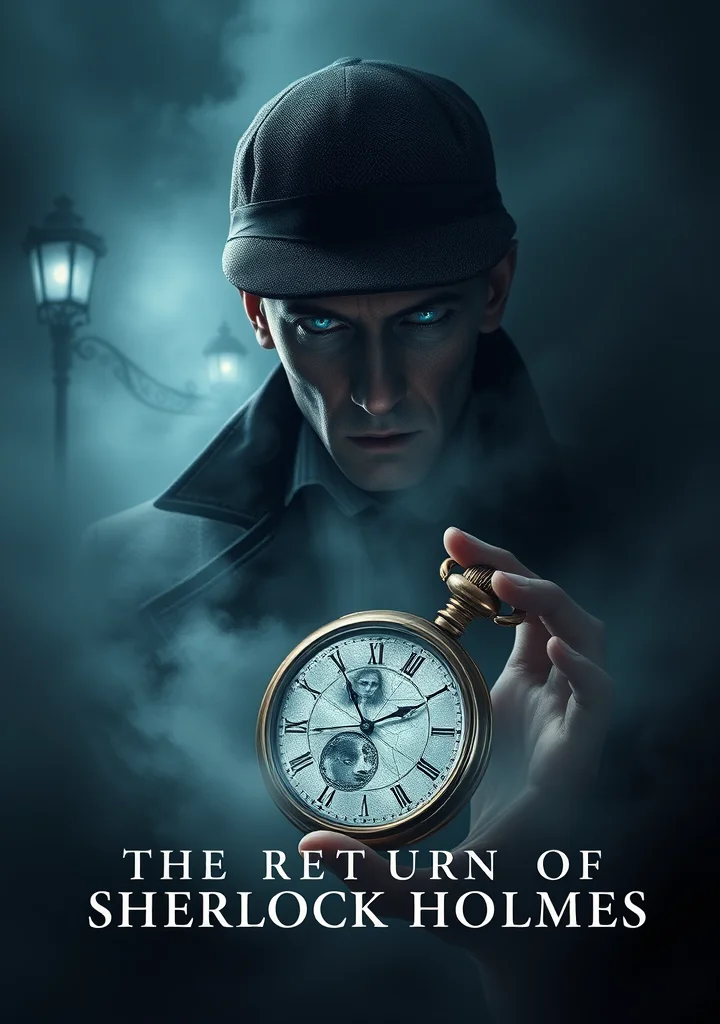

The Murder on the Links
  • 174
  • 0
  • 31
  • Reads 174
  • 0
  • Part 31
Completed, First published Mar 02, 2026

A suffocating fog clings to the manicured lawns of the golf course, mirroring the secrets buried within the wealthy, isolating society of Stoke-on-Trent. The victim, a man whose very name whispers of scandal, lies amongst the heather and gorse, a grotesque tableau discovered beneath a lowering sky. Every glance is shadowed by suspicion, every conversation laced with veiled accusations. The air thickens with the scent of damp earth, expensive cigars, and the acrid tang of mounting dread. A brittle elegance masks a simmering rage within the tightly-knit circle of suspects – each a master of polite deception, guarding their own darkness. The investigation unravels not with logic, but with a creeping unease, as the links themselves seem to hold their breath, waiting for the truth to surface from the peat bogs of memory. A sense of claustrophobia descends, not from physical walls, but from the suffocating weight of unspoken desires and long-held grudges. The very greens seem to warp and twist with the distorted reflections of fractured lives, promising a resolution as cold and unforgiving as the coastal wind.
Copyright: Public Domain
This license allows anyone to use your story for any purpose, including printing, selling, or adapting it into a film freely.
Recommended for you
48 Part
Dust motes dance in the perpetual twilight of a forgotten monastery clinging to the precipice of the Eastern mountains. The air hangs thick with the scent of incense and decay, a miasma of regret clinging to the stone walls. This is a tale not of heroes, but of shadows—the creeping doubt that gnaws at the heart of a hermit saint, Barlaam, and the restless yearning of Ioasaph, a prince turned penitent. The narrative unfolds as a slow unraveling, a descent into the labyrinth of the soul. Each chapter is a stone rolled away from a crypt, revealing not flesh and bone, but the fragile architecture of belief. Sunlight feels like a violation here, exposing the rot beneath the gilded icons. The prose is a whisper of wind through skeletal branches, laced with the chill of unyielding stone. It breathes with the claustrophobia of caves carved into the living rock, where the echoes of Ioasaph’s questions—questions that fracture faith—reverberate for centuries. This is a story steeped in the melancholy of conversion, the weight of renunciation. It's a landscape of barren faith where the only true company is the gnawing emptiness that blooms within the hollowed shell of a life surrendered to the void. The narrative isn’t driven by plot, but by the insidious erosion of certainty, leaving behind a landscape of bone-white despair. The final revelation, like the last breath of a dying candle, offers not light, but the chilling realization of a darkness that dwells within us all.
32 Part
A creeping dread permeates the cobbled streets of Prague, not from specters or ghouls, but from the unsettling quietude of a power unbound. It begins with whispers—objects, imbued with a strange, echoing sentience, drifting from their owners, multiplying in darkened rooms. These are the Absolute, fragments of will detached from humanity, seeking not dominion, but *completion*. They collect, coalesce, and absorb the desires, frustrations, and latent regrets of those they touch, growing into monstrous reflections of the city’s hidden heart. The narrative coils around Doctor Borik, a man haunted by his own failures, forced to unravel the mystery before the Absolute consumes not just possessions, but identities. Shadows lengthen as the line between object and consciousness blurs. Dust motes dance with purpose, forgotten heirlooms throb with stolen intent, and the very air chills with the weight of unfulfilled longing. The atmosphere is one of suffocating claustrophobia. Every abandoned item feels observed, every darkened doorway a maw waiting to swallow the unwary. The prose is thick with the scent of decay and the metallic tang of obsession, mirroring the Absolute’s insatiable hunger. It is not a story of monsters hunting men, but of the monstrous *within* men, given form and unleashed upon a world already teetering on the brink of ruin. The novel unfolds like a slow, agonizing fracture of the self, where the echoes of what *could have been* threaten to drown all that remains.
2014 Part
A chill wind whispers through sun-bleached Spanish ruins, carrying the scent of brine and decay. Don Juan is not merely a man, but a shadow stretched long across a continent, a fever dream of indulgence and disillusionment. His journey is one of restless flight, not from justice, but from the suffocating weight of a world built on hypocrisy. Each port, each encounter, peels back another layer of gilded rot, revealing a darkness that clings to him like the salt spray on a decaying mast. The narrative unravels through fractured confessions, a labyrinth of wit and weariness where cynicism blooms like night-blooming cereus. Every smile is a reprieve from a deeper, unspoken grief; every embrace, a fleeting warmth against an encroaching cold. The Mediterranean burns with a feverish brilliance, mirroring the protagonist’s own self-consuming passions, while the echoes of battles – both won and lost – resonate in the hollow chambers of his heart. He drifts through aristocratic salons and Moorish harems, a phantom observer caught between desire and despair. The sea itself seems to conspire with his melancholic fate, drawing him towards a horizon perpetually shrouded in mist. His is a tale of exquisite ruin, where beauty and brutality intertwine, leaving the reader adrift in a sea of unanswered questions and the lingering scent of jasmine and gunpowder. A perpetual twilight clings to his existence, a haunting reminder that even the most dazzling brilliance casts the longest shadows.
50 Part
A creeping dread permeates the snow-choked streets of a Petrograd fracturing under ice and ideology. The air hangs thick with the scent of brine and decay, mirroring the rot beneath the gilded facades of Tsarist memory. This is not a history of revolution, but a descent into a frozen labyrinth of whispered conspiracies and the hollowed-out eyes of zealots. Berkman doesn't chronicle uprising, he exhumes the corpse of idealism, revealing the worms feeding on its bloated ambition. Each chapter feels like a shard of glass under the skin, reflecting a distorted reality where the promise of liberation curdles into the iron tang of power. The narrative clings to the shadowed corners of tenements, the hushed exchanges in smoky taverns, and the phantom limbs of a society severed from its past. It’s a story told not through grand battles, but through the slow fracturing of faith within individuals, the chilling realization that the new god demands the same sacrifices as the old. A pall of paranoia descends, not from external enemies, but from the suffocating certainty of those convinced they hold the key to utopia. The myth isn't a lie, but a contagion, a spectral force that infects the soul and twists the very foundations of human compassion into something monstrously efficient. The novel doesn't merely depict the fall of an empire; it embodies the suffocating weight of a dream turned nightmare, a darkness that lingers long after the snow melts.
25 Part
A creeping dread clings to the Balkan foothills, a suffocating miasma of suspicion and shadowed allegiances. Buchan’s narrative unfolds not in grand castles or crumbling abbeys, but in the sun-bleached dust of a world poised on the precipice of war, yet haunted by something older, something woven into the very stones of the mountains. The air tastes of gunpowder and pine needles, but beneath it, a sickly sweetness—the rot of a conspiracy festering in the heart of Europe. The protagonist moves through a landscape of simmering religious fervor and clandestine deals, perpetually shadowed by the knowledge that every smile masks a betrayal. The beauty of the countryside is a deceptive shroud for the ancient, unforgiving loyalty of the tribesmen, their faces carved with the secrets of generations. A sense of claustrophobia grips the reader as the story descends into the labyrinthine alleys of Belgrade and the remote monasteries clinging to the cliffs. Every encounter feels weighted with the potential for violence, every silence echoing with unseen threats. The narrative doesn’t rely on overt horror, but on the insidious erosion of trust, the growing paranoia that clings to the protagonist like a shroud. The green mantle of the mountains isn’t a promise of refuge, but a camouflage for a darkness preparing to descend, obscuring the line between the living and the ghosts of those who have already succumbed to the region’s ancient, unforgiving heart.