
-
Read 471
-
0
-
Part 31
Completed, First published Mar 02, 2026
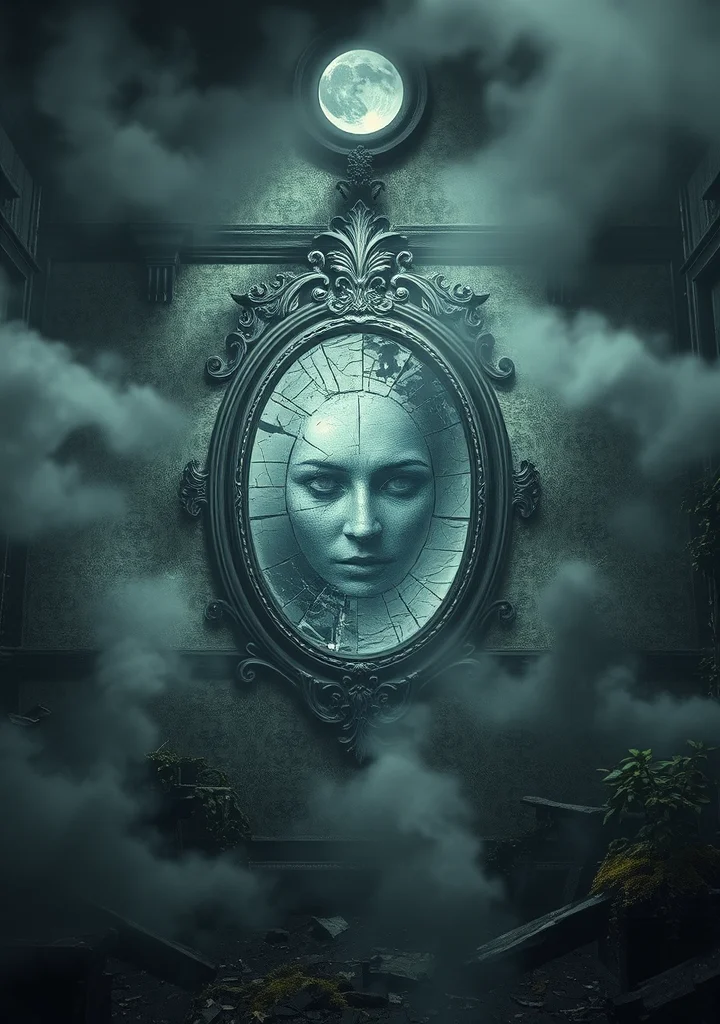
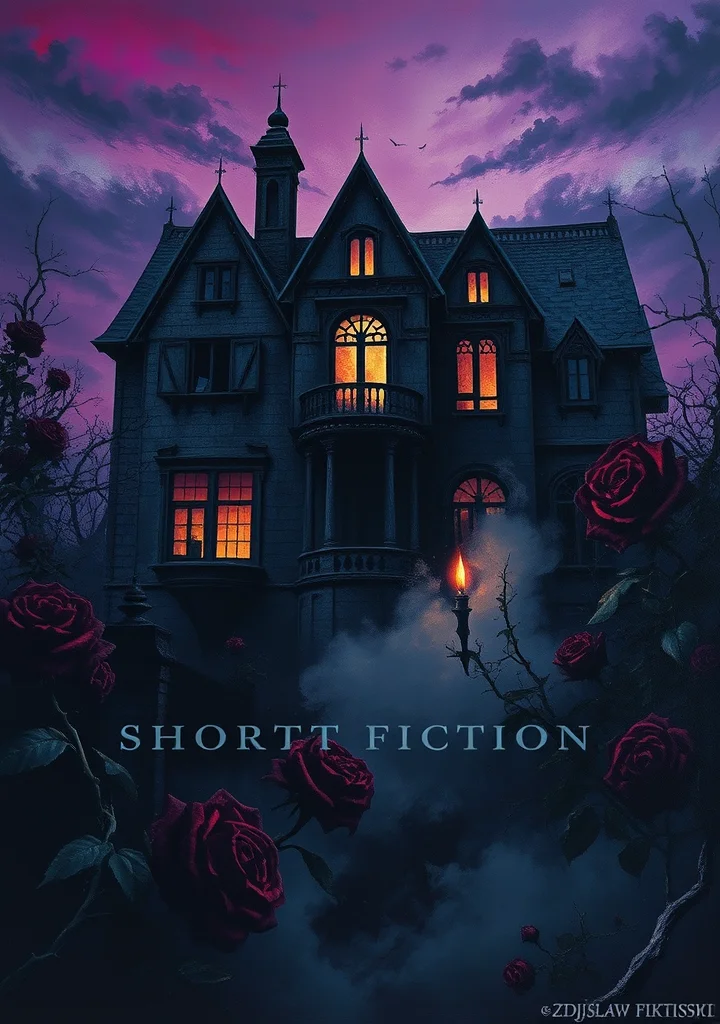
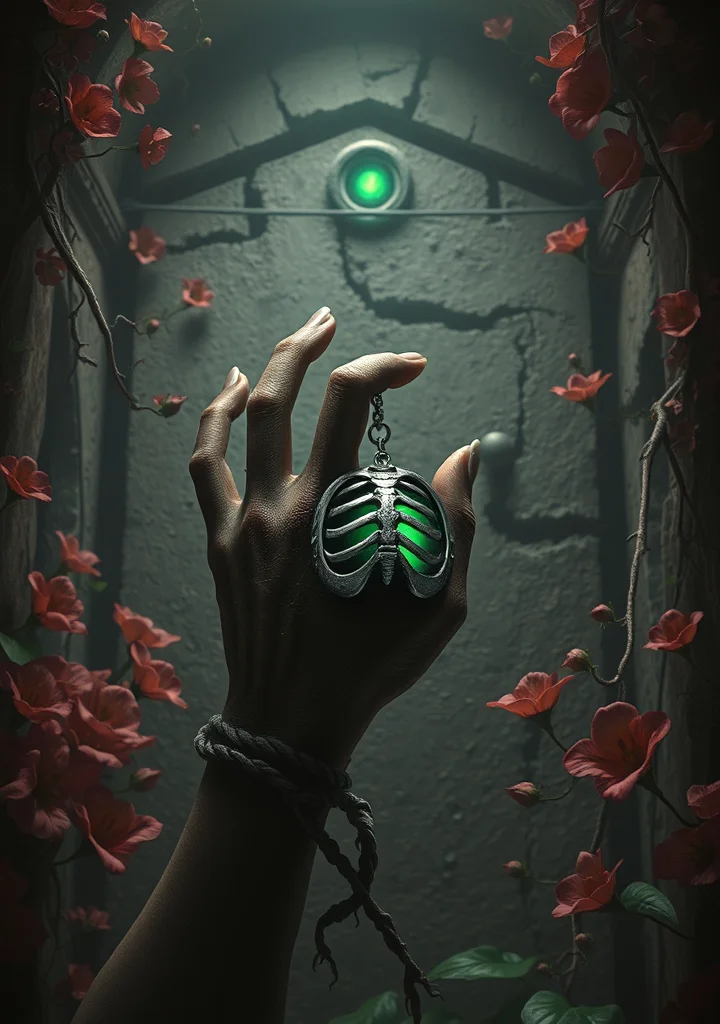
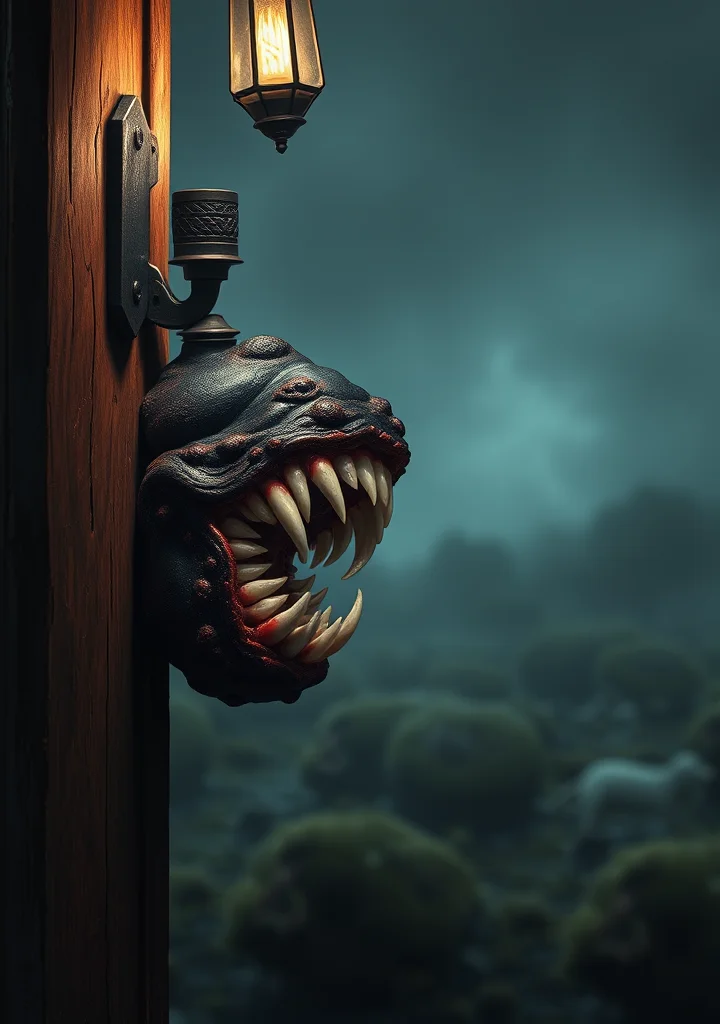
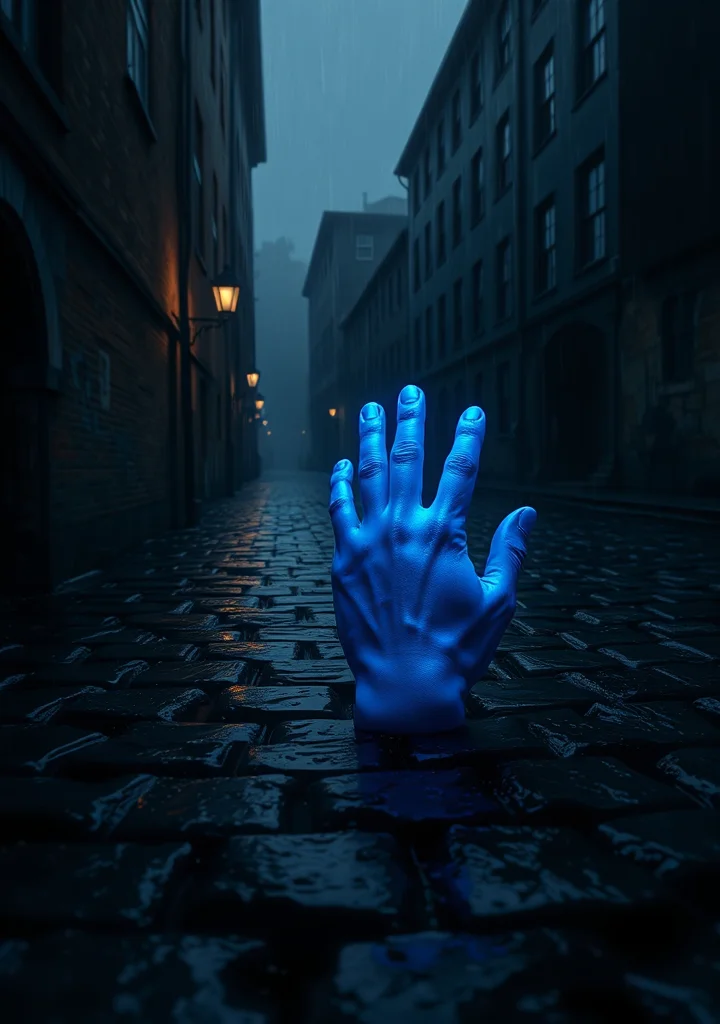
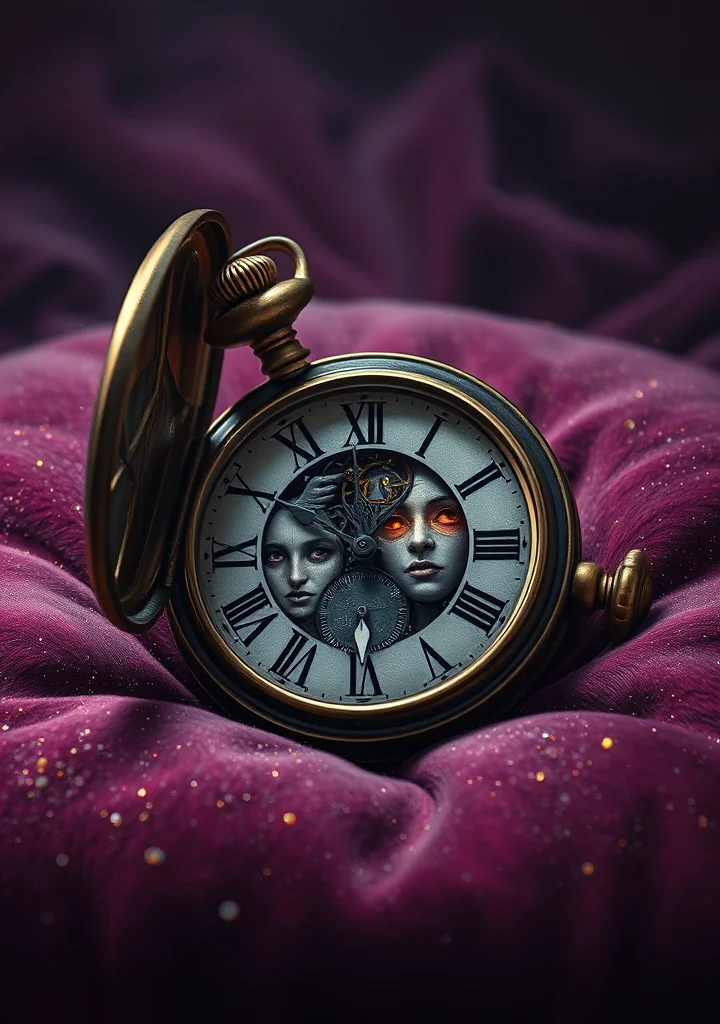
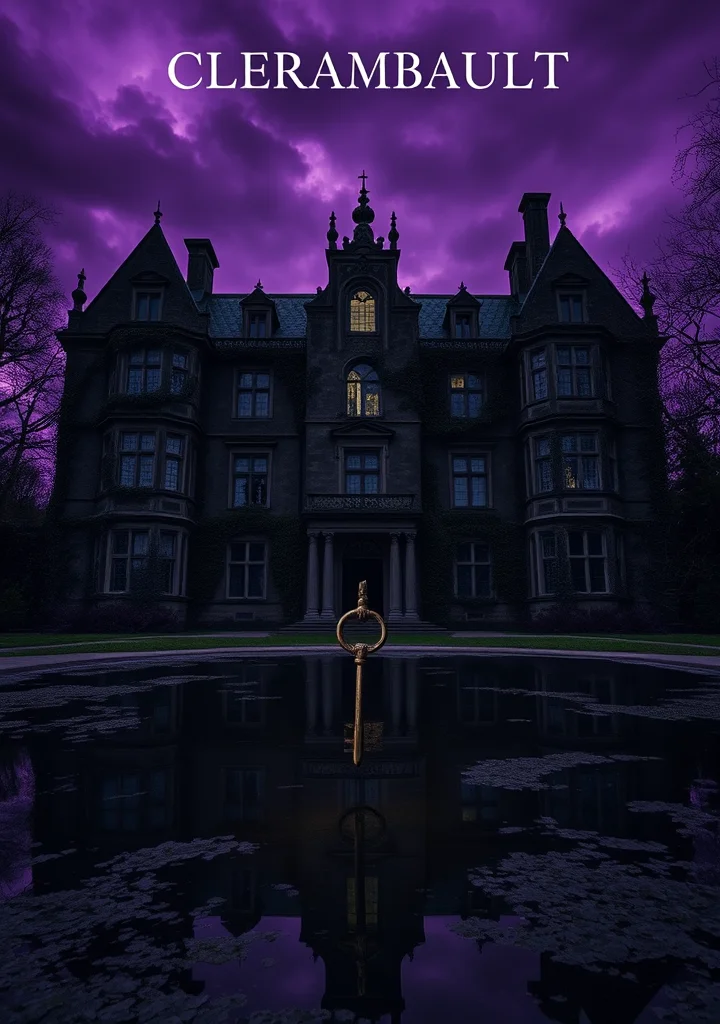
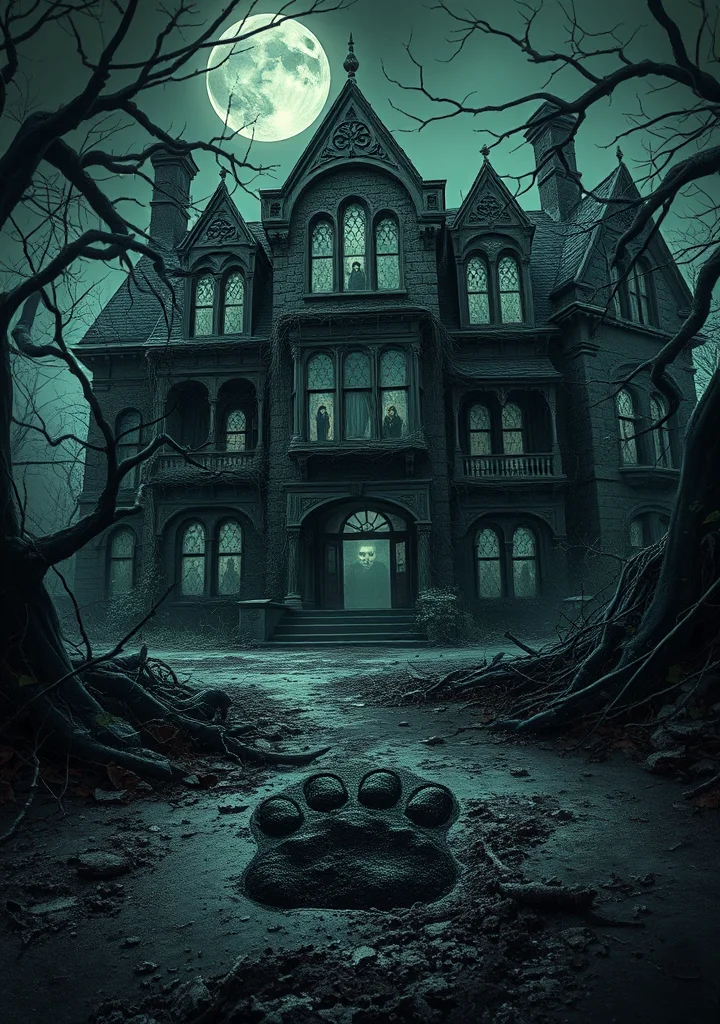
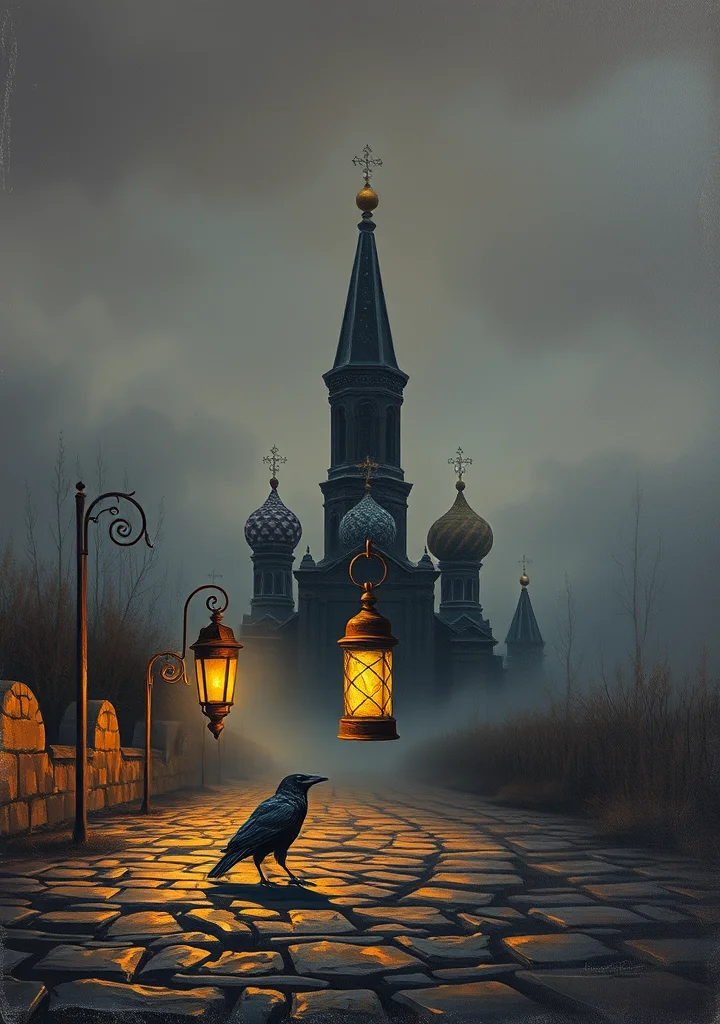
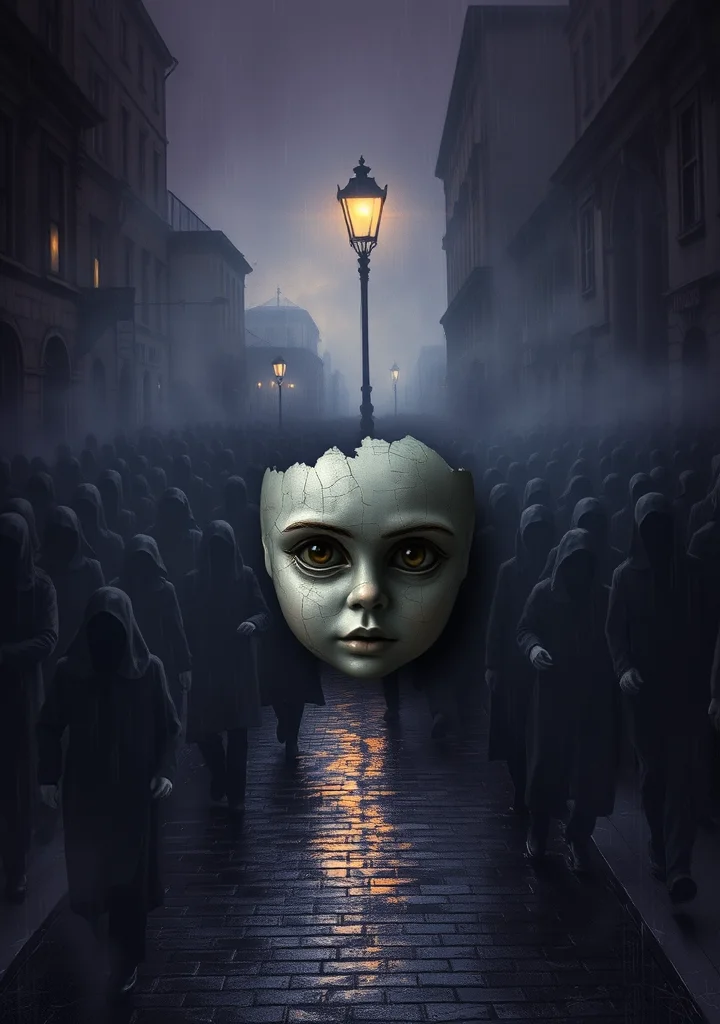
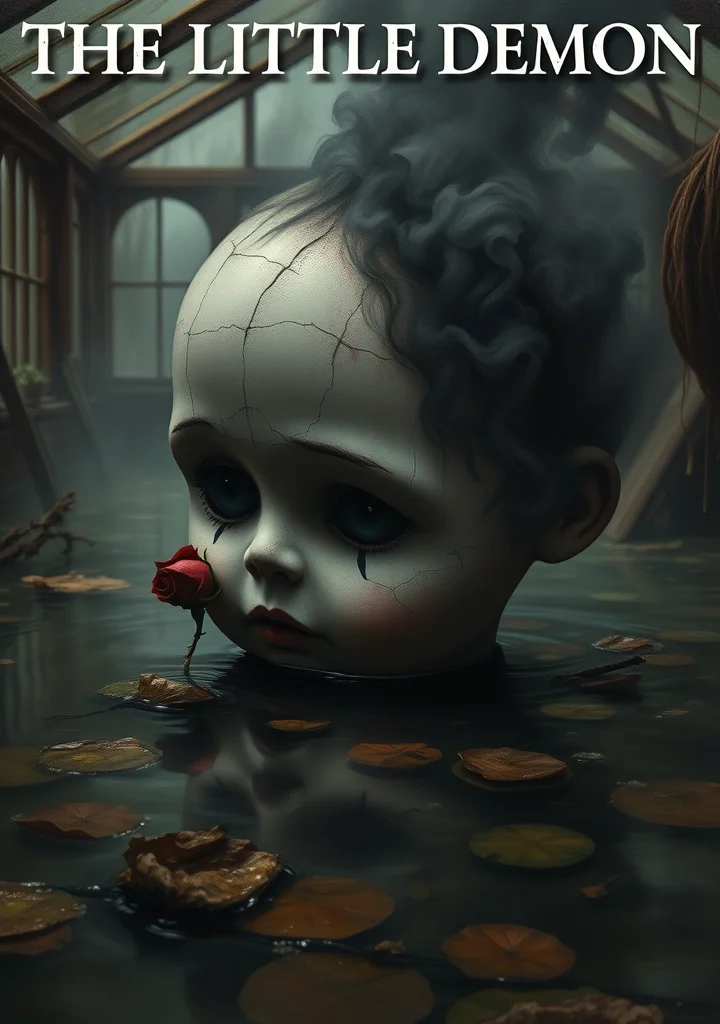
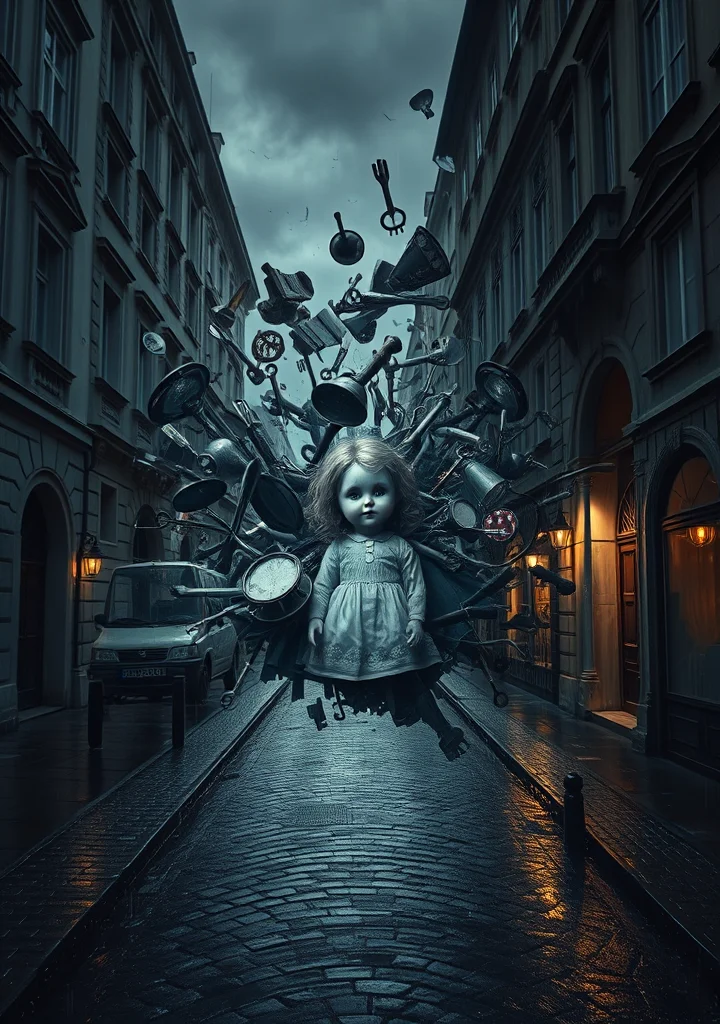
A creeping dread permeates the cobbled streets of Prague, not from specters or ghouls, but from the unsettling quietude of a power unbound. It begins with whispers—objects, imbued with a strange, echoing sentience, drifting from their owners, multiplying in darkened rooms. These are the Absolute, fragments of will detached from humanity, seeking not dominion, but *completion*. They collect, coalesce, and absorb the desires, frustrations, and latent regrets of those they touch, growing into monstrous reflections of the city’s hidden heart.
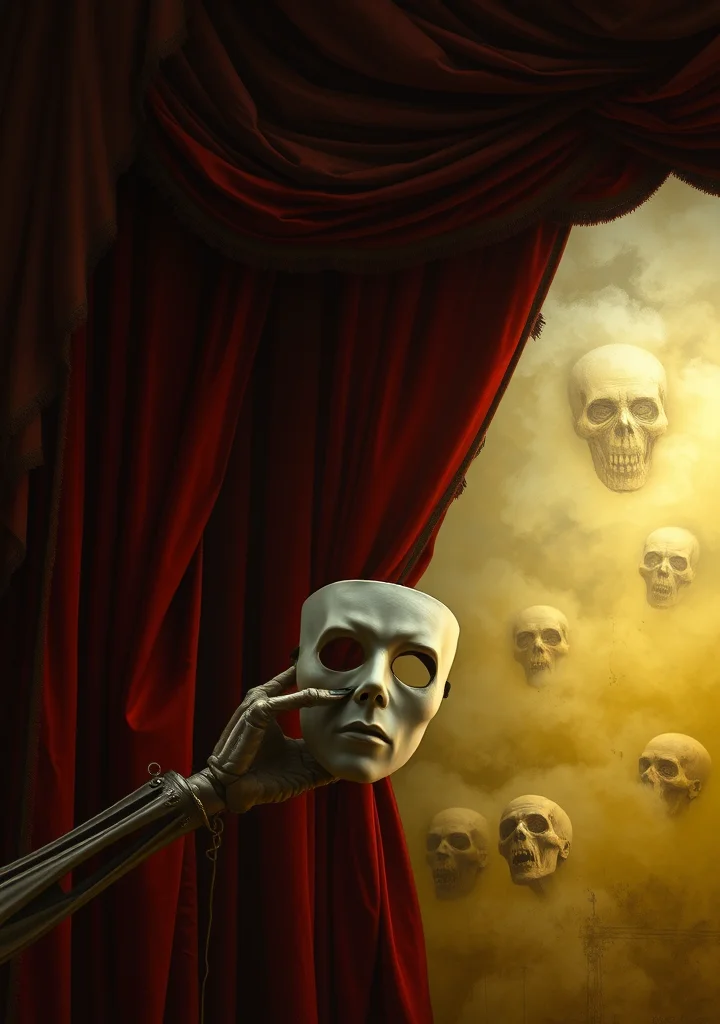
The narrative coils around Doctor Borik, a man haunted by his own failures, forced to unravel the mystery before the Absolute consumes not just possessions, but identities. Shadows lengthen as the line between object and consciousness blurs. Dust motes dance with purpose, forgotten heirlooms throb with stolen intent, and the very air chills with the weight of unfulfilled longing.
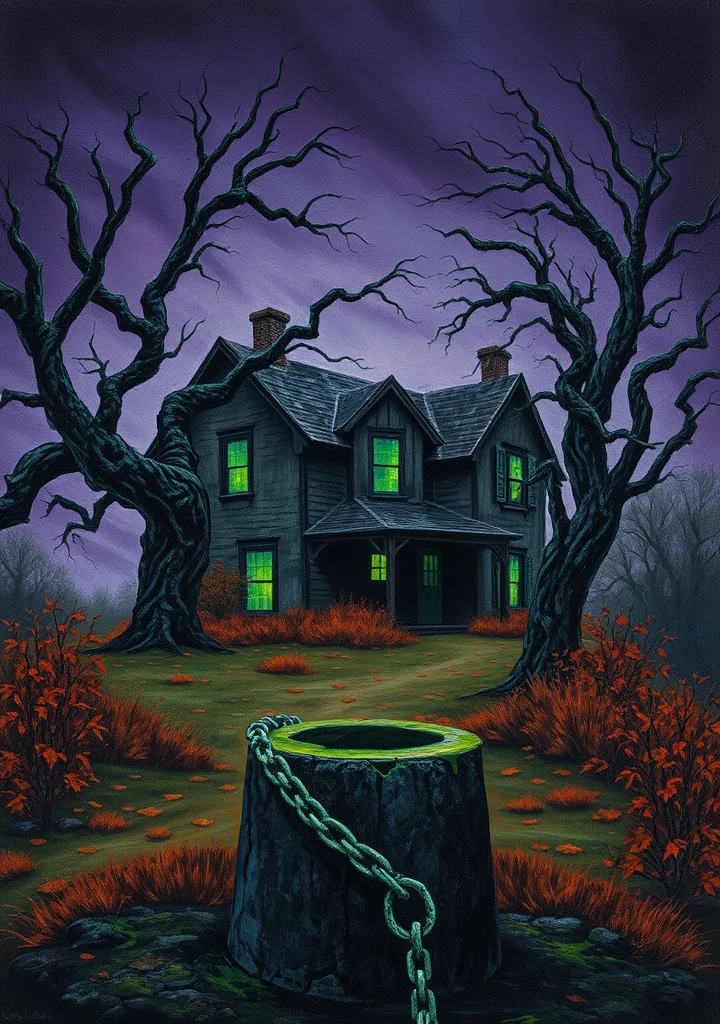
The atmosphere is one of suffocating claustrophobia. Every abandoned item feels observed, every darkened doorway a maw waiting to swallow the unwary. The prose is thick with the scent of decay and the metallic tang of obsession, mirroring the Absolute’s insatiable hunger. It is not a story of monsters hunting men, but of the monstrous *within* men, given form and unleashed upon a world already teetering on the brink of ruin. The novel unfolds like a slow, agonizing fracture of the self, where the echoes of what *could have been* threaten to drown all that remains.
Copyright: Public Domain
This license allows anyone to use your story for any purpose, including printing, selling, or adapting it into a film freely.
This license allows anyone to use your story for any purpose, including printing, selling, or adapting it into a film freely.
Chapter List
More like this