
The Bolshevik Myth
  • 239
  • 0
  • 50
  • Reads 239
  • 0
  • Part 50
Completed, First published Mar 02, 2026

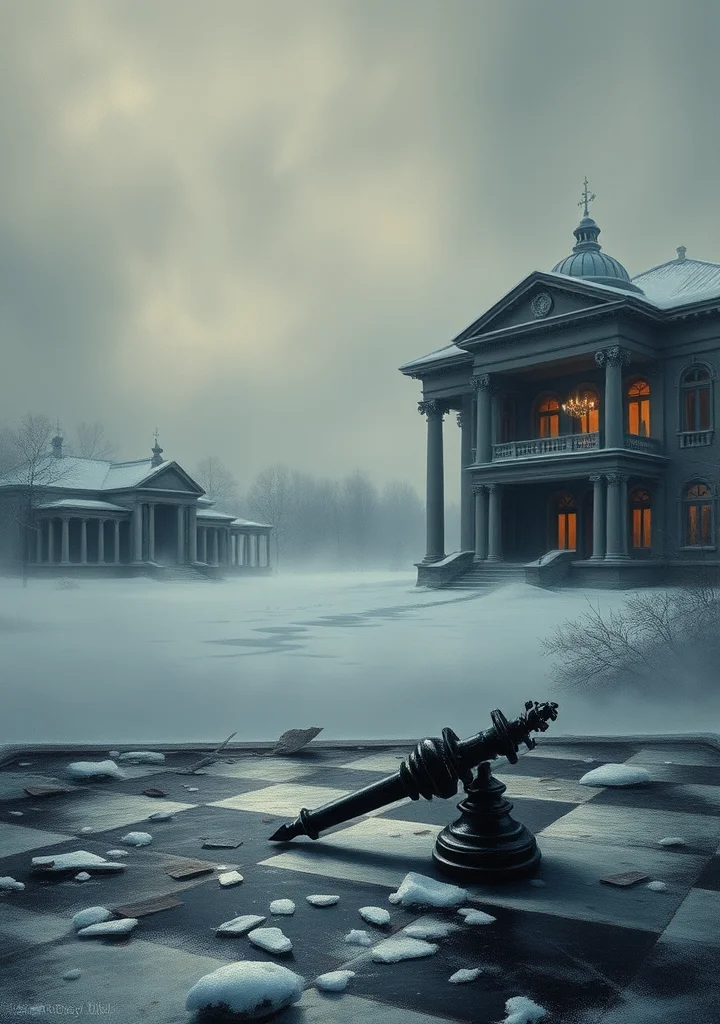
A creeping dread permeates the snow-choked streets of a Petrograd fracturing under ice and ideology. The air hangs thick with the scent of brine and decay, mirroring the rot beneath the gilded facades of Tsarist memory. This is not a history of revolution, but a descent into a frozen labyrinth of whispered conspiracies and the hollowed-out eyes of zealots. Berkman doesn't chronicle uprising, he exhumes the corpse of idealism, revealing the worms feeding on its bloated ambition. Each chapter feels like a shard of glass under the skin, reflecting a distorted reality where the promise of liberation curdles into the iron tang of power. The narrative clings to the shadowed corners of tenements, the hushed exchanges in smoky taverns, and the phantom limbs of a society severed from its past. It’s a story told not through grand battles, but through the slow fracturing of faith within individuals, the chilling realization that the new god demands the same sacrifices as the old. A pall of paranoia descends, not from external enemies, but from the suffocating certainty of those convinced they hold the key to utopia. The myth isn't a lie, but a contagion, a spectral force that infects the soul and twists the very foundations of human compassion into something monstrously efficient. The novel doesn't merely depict the fall of an empire; it embodies the suffocating weight of a dream turned nightmare, a darkness that lingers long after the snow melts.

Copyright: Public Domain
This license allows anyone to use your story for any purpose, including printing, selling, or adapting it into a film freely.
Recommended for you
36 Part
Dust motes dance in the perpetual twilight of a Parisian attic, where Maurice de Barant, a scholar consumed by decadent curiosity, charts the blasphemous genealogy of fallen grace. France weaves a narrative steeped in the scent of wormwood and regret, tracing the lineage of Lucifer not through hellfire, but through the meticulously documented seductions of women—from the Virgin Mary to the courtesans haunting the boulevards. The air thickens with a perverse erudition, as Maurice unravels a history where angels, driven by boredom and a refined taste for earthly pleasure, have quietly infiltrated the human world, their celestial origins dissolving into the amber haze of absinthe-soaked nights. A creeping unease settles in as the novel progresses; a sense that the very foundations of morality are built on shifting sands of desire and hypocrisy. The narrative isn’t one of grand demonic battles, but of whispered heresies, subtle corruptions, and the insidious bloom of beauty in decay. Each chapter feels like a chipped fragment of stained glass, refracting a light that is both sacred and profane, illuminating the shadowed corners of a France where the divine has traded its wings for the weight of gold and the murmur of a lover’s breath. The revolt isn’t a fiery uprising, but a slow, elegant erosion—a surrender to the intoxicating allure of the mortal coil, observed with a chillingly detached, scholarly gaze. A fragrance of sulfur lingers, not from hell’s furnace, but from the burning ambitions of men who dare to name the angels' names.
75 Part
Dust motes dance in perpetual twilight within the rambling, suffocating confines of the Old Curiosity Shop, a place where time itself seems to fray at the edges. The air hangs thick with the scent of decay and forgotten dreams, clinging to the warped timbers and shadowed corners. A suffocating weight of secrets presses down, mirroring the burden carried by little Nell, a fragile bloom wilting under the gaze of avarice. The shop’s labyrinthine depths swallow light, revealing glimpses of grotesque relics—grimacing masks, tarnished silver, and the hollow eyes of forgotten dolls—each a silent witness to generations of loss. A creeping dread seeps from the very stones, fueled by the malevolent presence of Quilp, a creature born of spite and fueled by cruelty. The narrative unfolds not as a journey, but as a descent, spiraling deeper into a labyrinth of shadowed alleys and decaying grandeur. London itself breathes with a feverish pulse, a city of echoing footfalls and whispered conspiracies. Every encounter is veiled in ambiguity, every kindness shadowed by the looming threat of betrayal. The oppressive atmosphere is less a setting, and more a character—a suffocating entity that threatens to consume Nell and all she holds dear within its suffocating embrace. The antique objects are not merely curiosities, but fragments of fractured souls, each holding a piece of the shop’s decaying history. It is a world where innocence is a fragile currency, and darkness preys on the edges of hope.
5 Part
Dust motes dance in the echoing halls of Vathek, a gilded cage of decadence built upon the bones of ambition. The story unfurls not as a simple journey, but as a slow, suffocating descent into a nightmare of Eastern opulence and ancient, malevolent power. Beckoff’s prose breathes with the stifling perfume of jasmine and decay, weaving a tapestry of shadows where the line between reality and hallucination dissolves. The desert stretches, a silent, sun-bleached witness to Vathek’s relentless pursuit of forbidden knowledge. Each chamber encountered within his vast domain whispers of forgotten sorceries, echoing with the lament of djinn and the cold touch of spectral guardians. A creeping dread permeates the narrative, not from overt horror, but from a subtle erosion of sanity as Vathek, driven by hubris, unravels the very fabric of his existence. The atmosphere is one of exquisite torment, a claustrophobic grandeur where pleasure curdles into despair. It is a story steeped in the scent of burning incense and the weight of ancestral curses, where every indulgence draws Vathek closer to a chasm of cosmic indifference. The narrative chills with the realization that the true terrors lie not in the supernatural, but in the monstrous potential within the human heart, consumed by its own insatiable desires. It is a descent into a darkness not of demons, but of the self, mirrored in the endless, desolate landscapes that mirror the fracturing of a soul.