
-
Read 492
-
0
-
Part 14
Completed, First published Mar 02, 2026
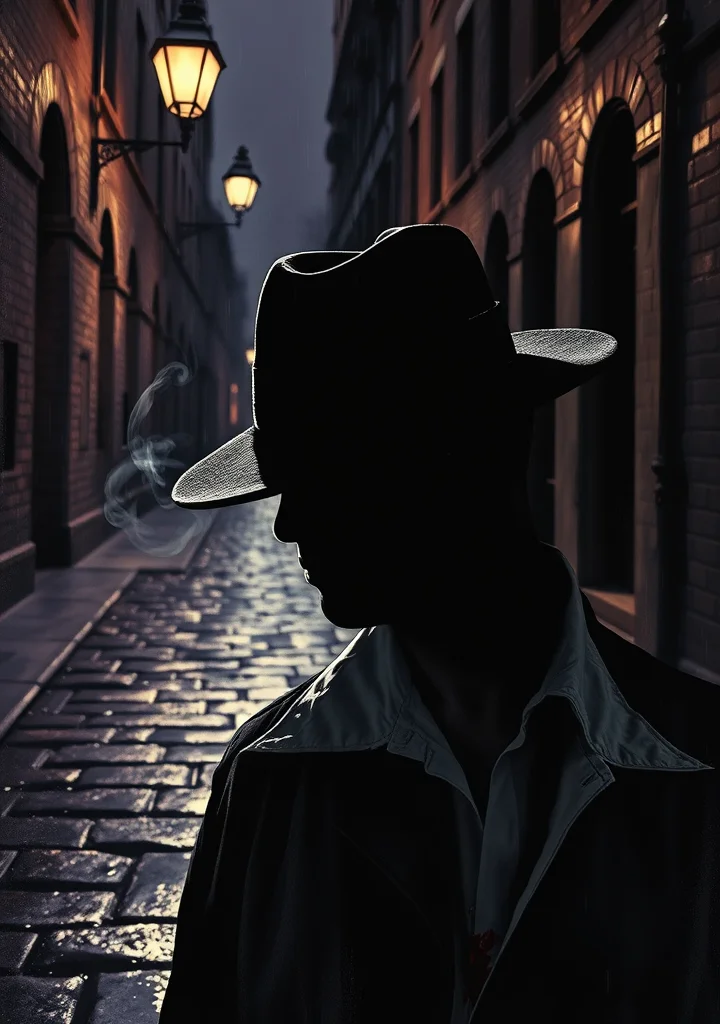
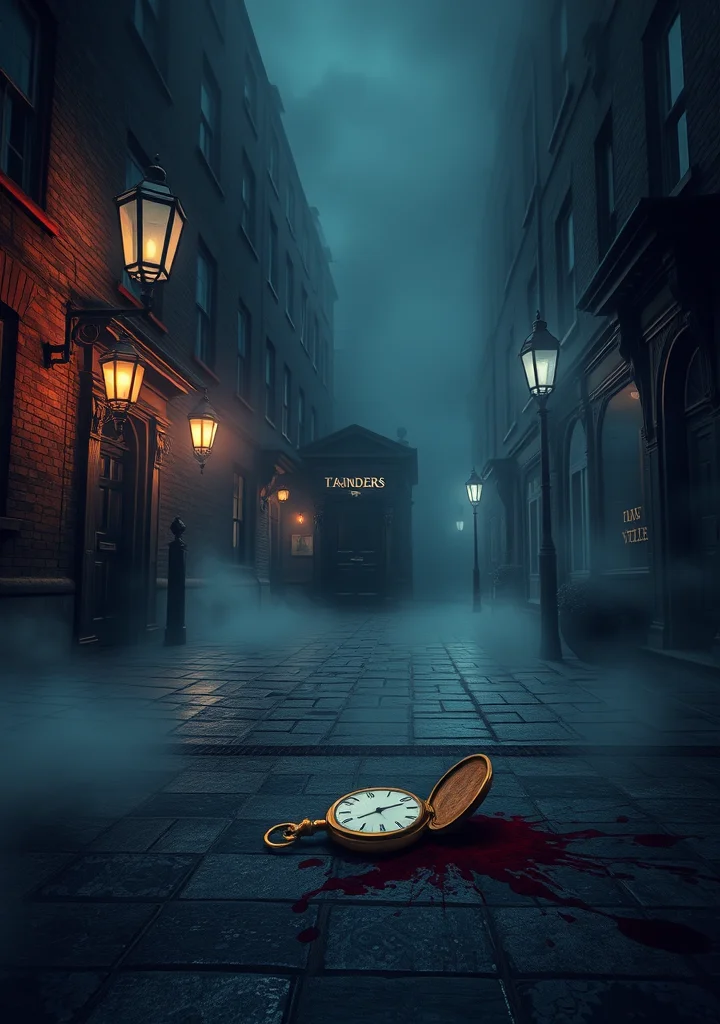
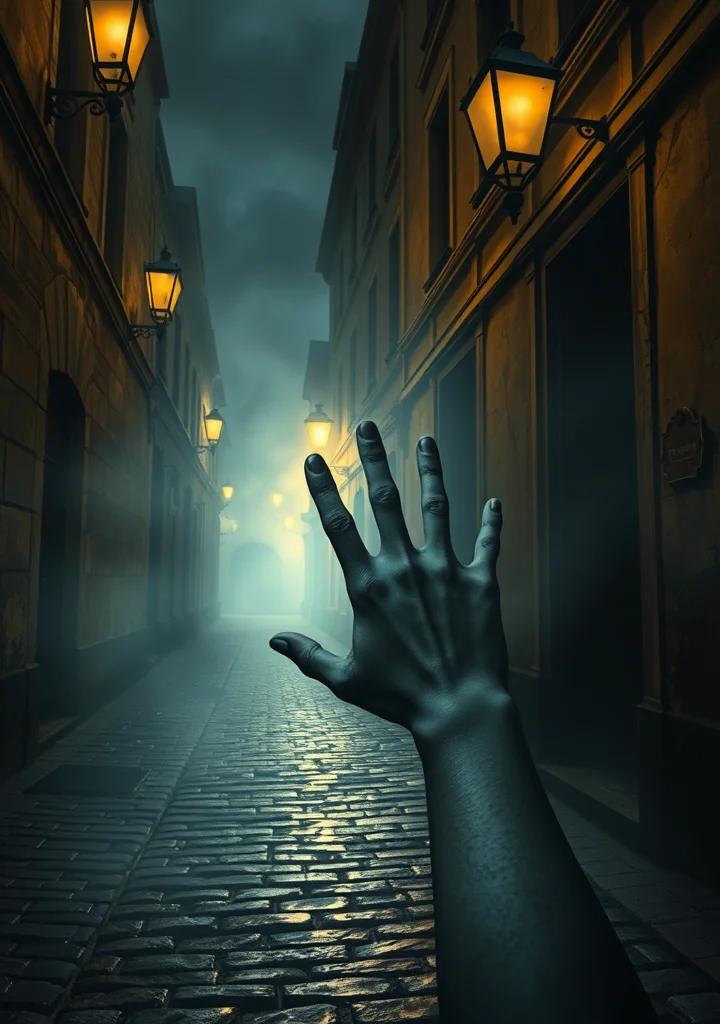
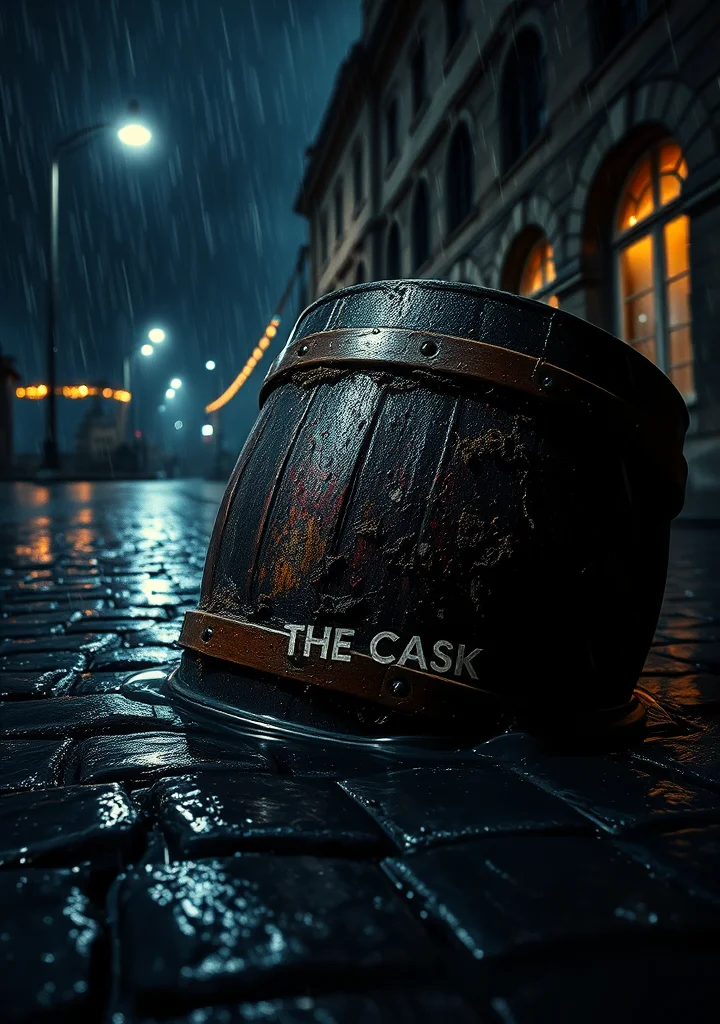
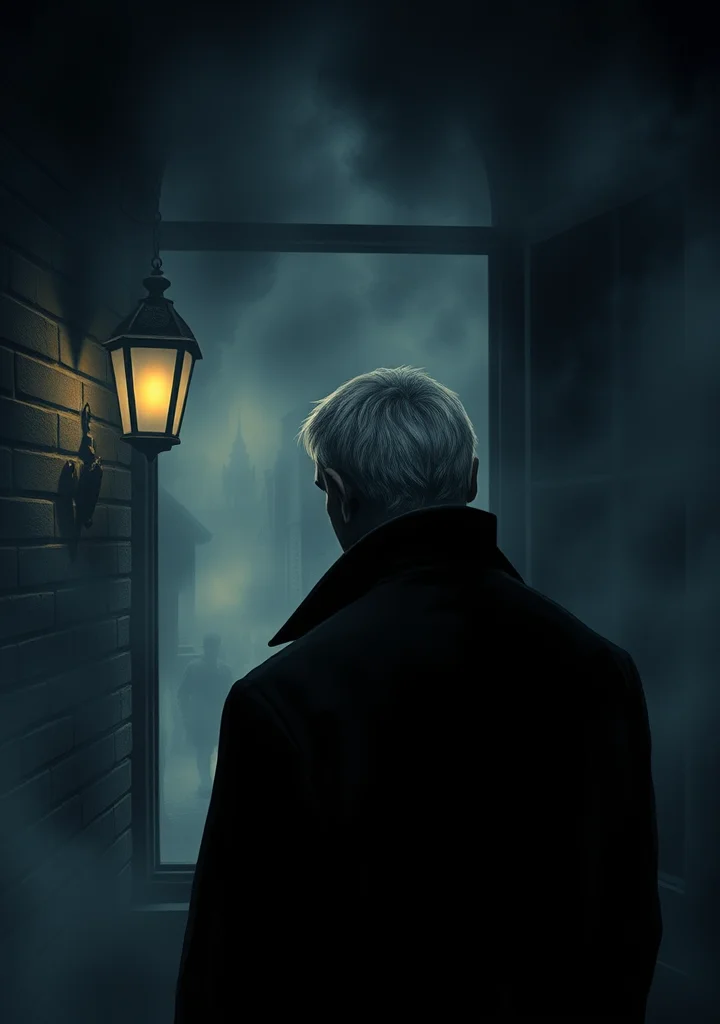
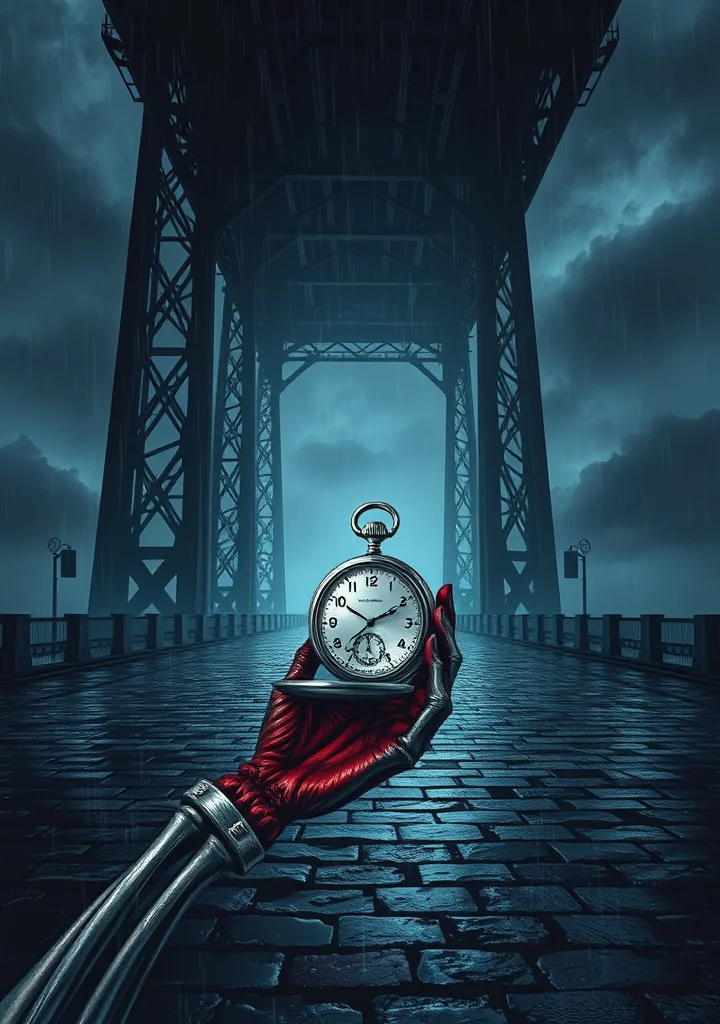
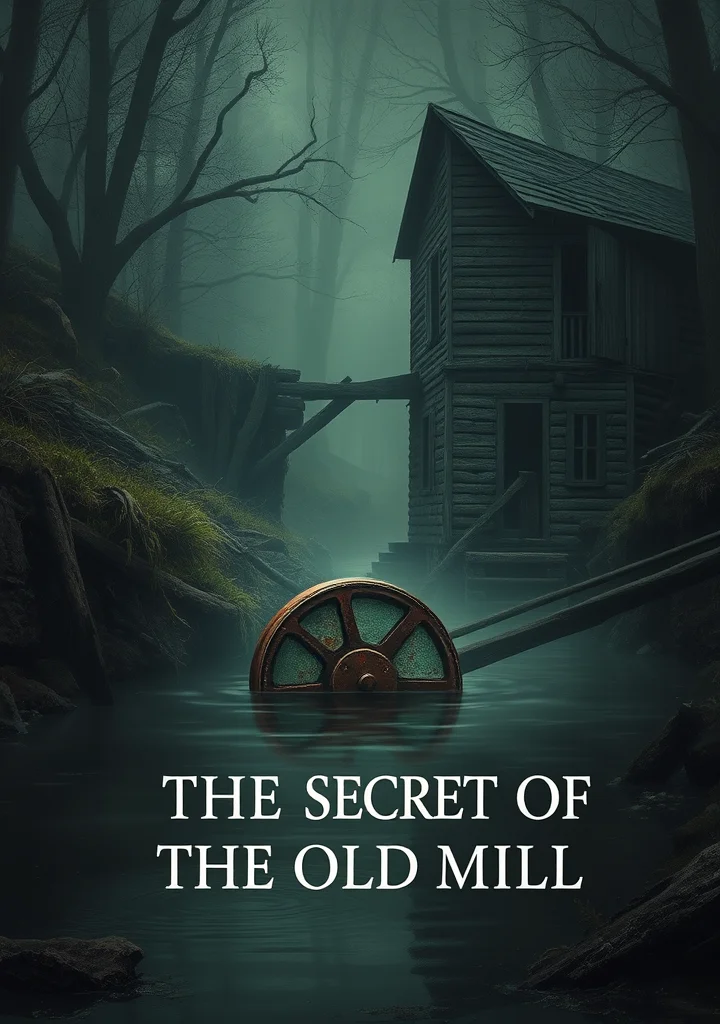
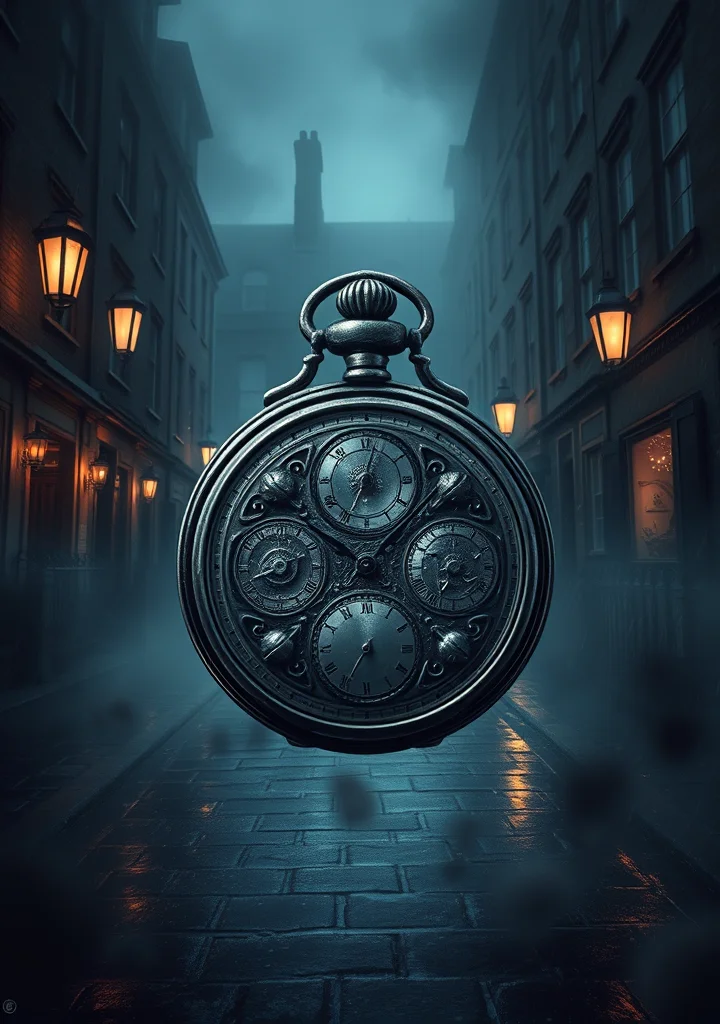
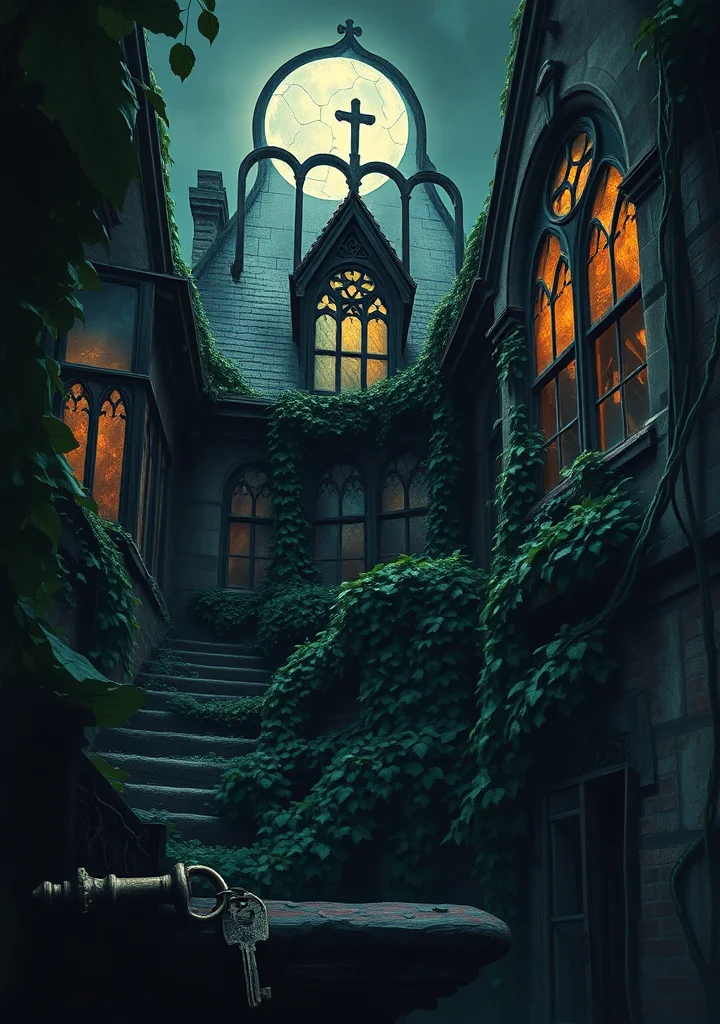
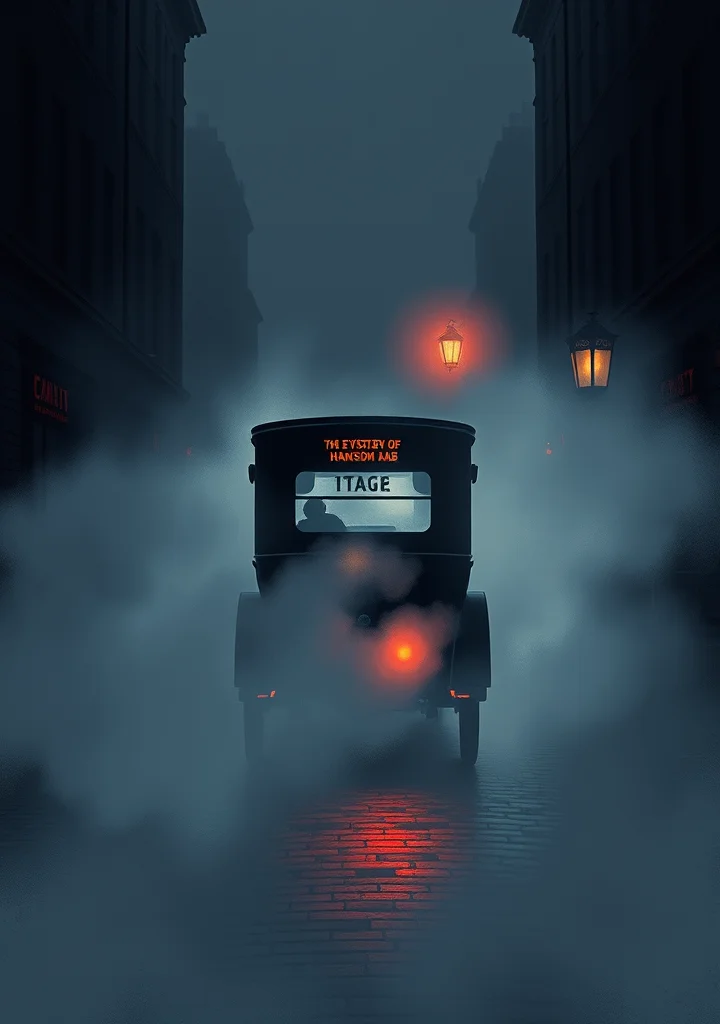
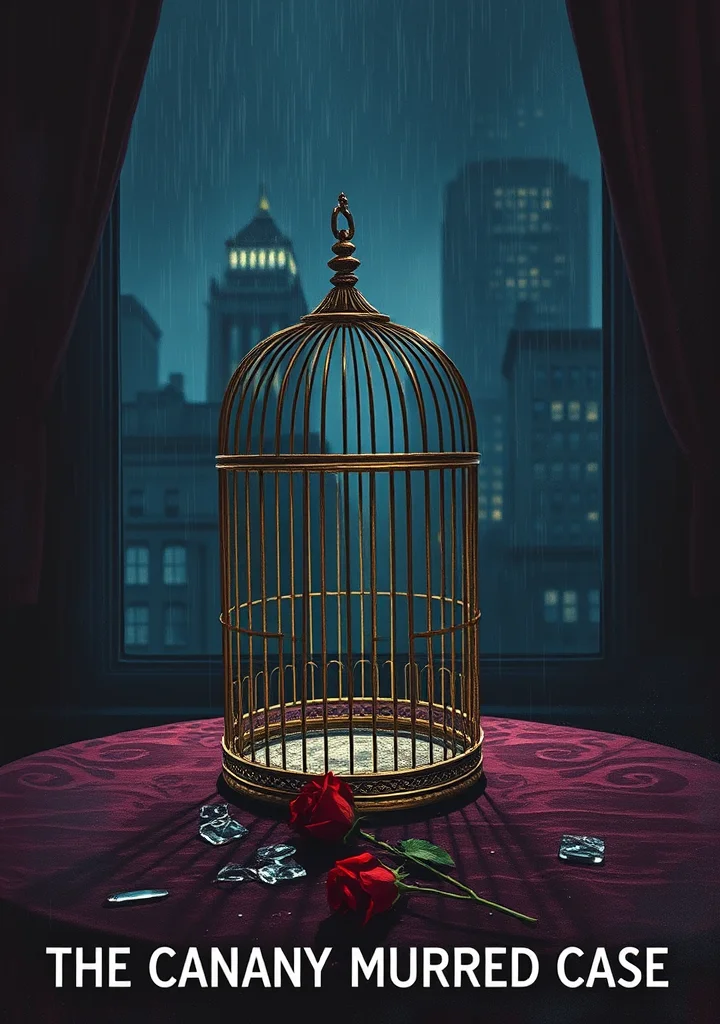
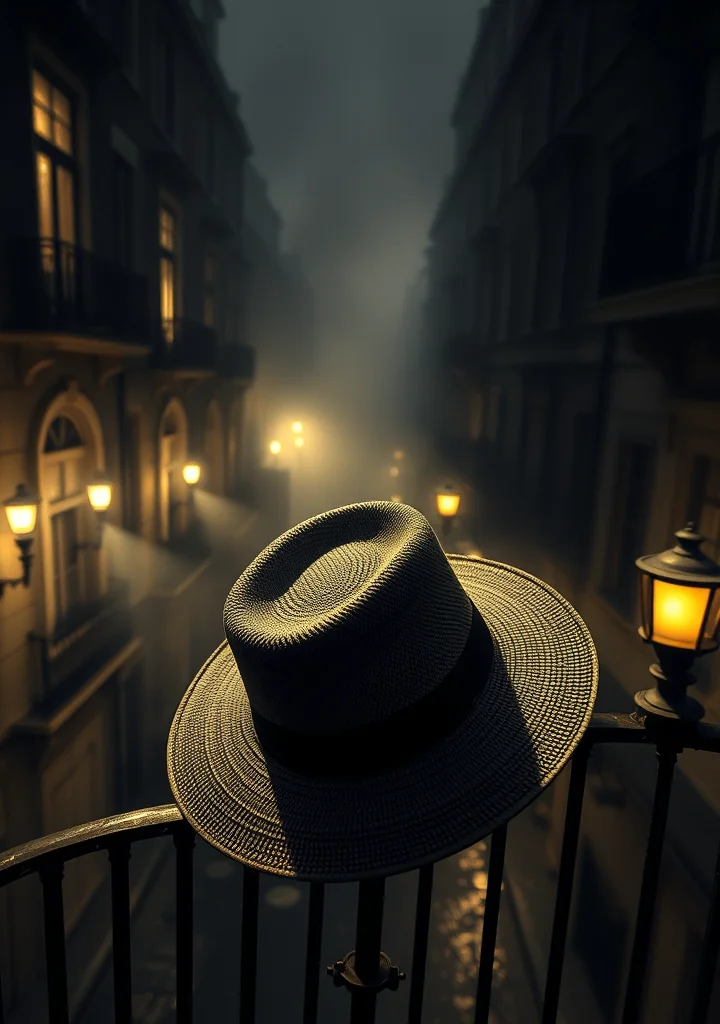
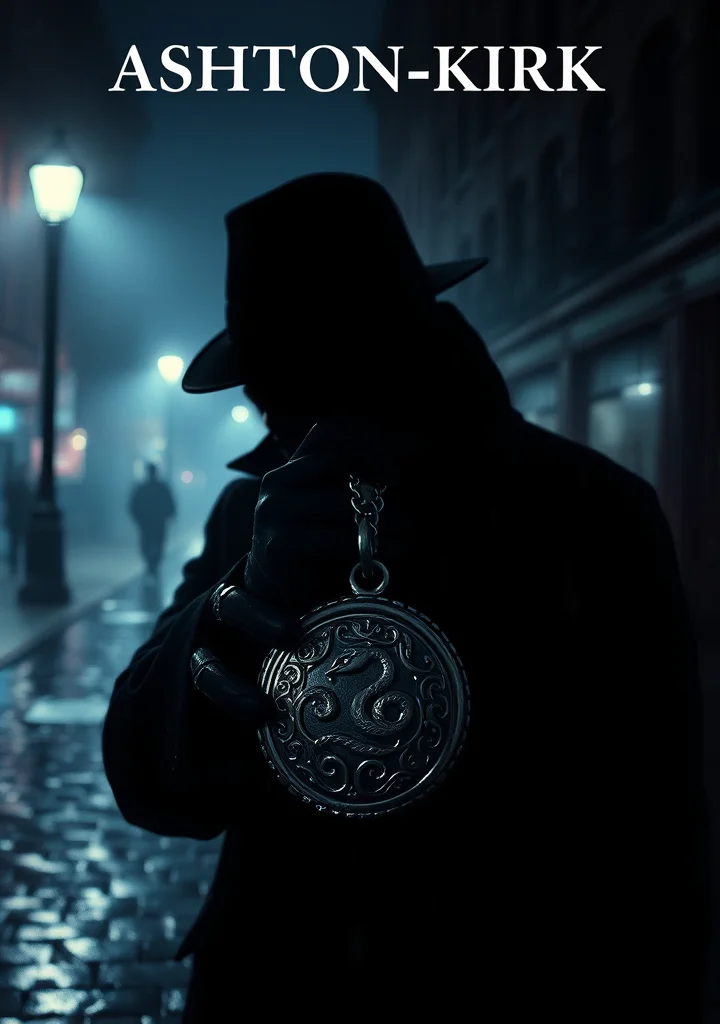
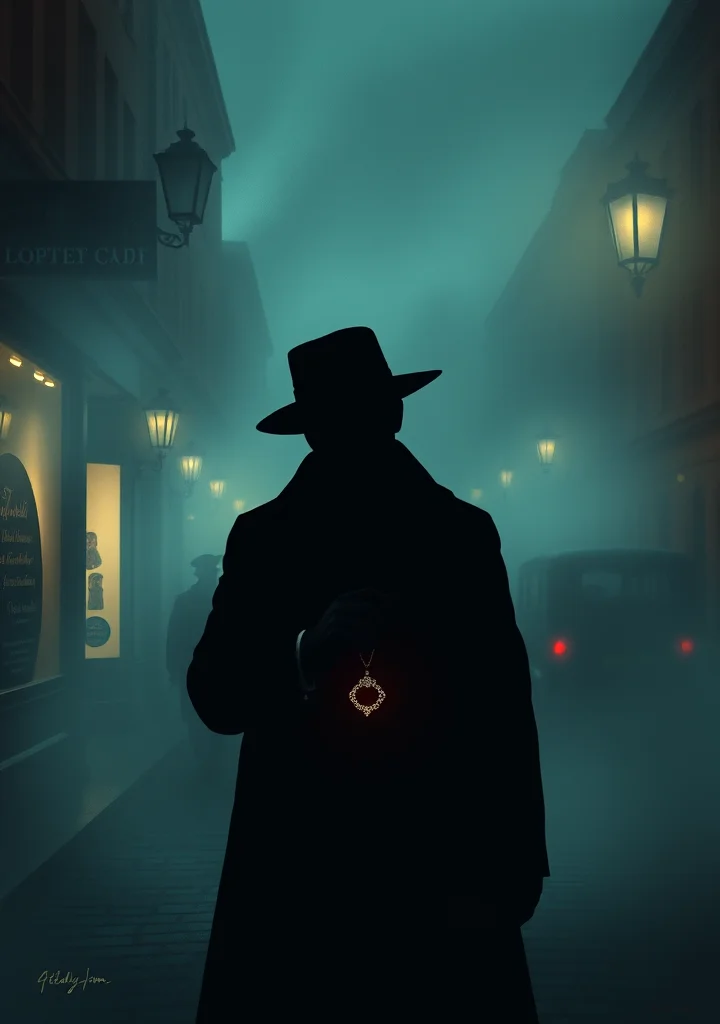
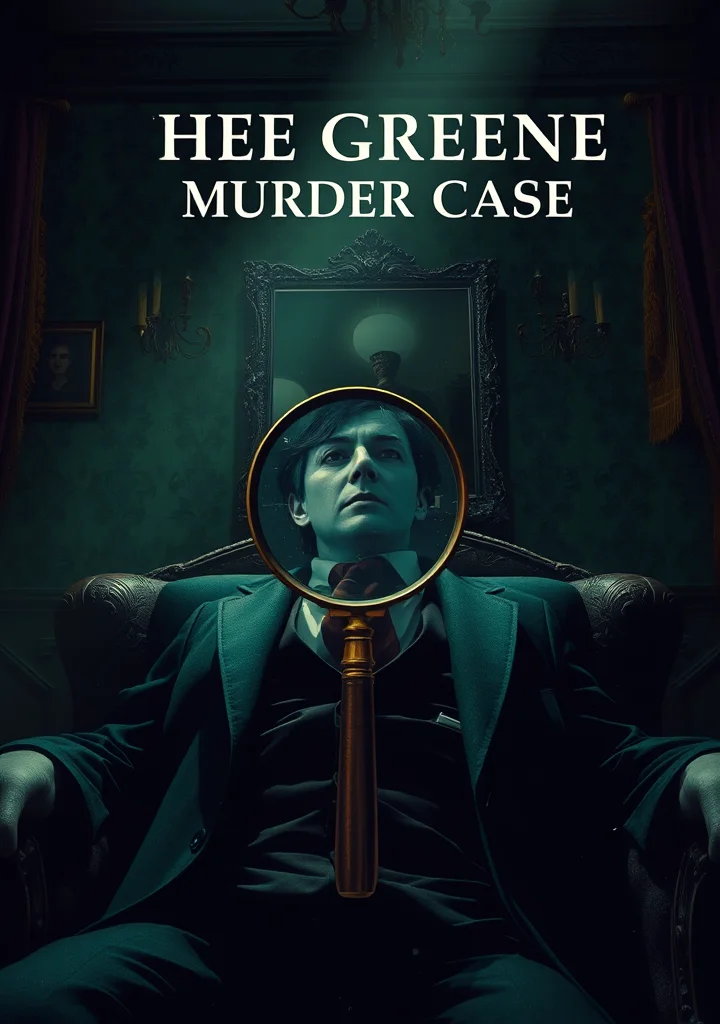
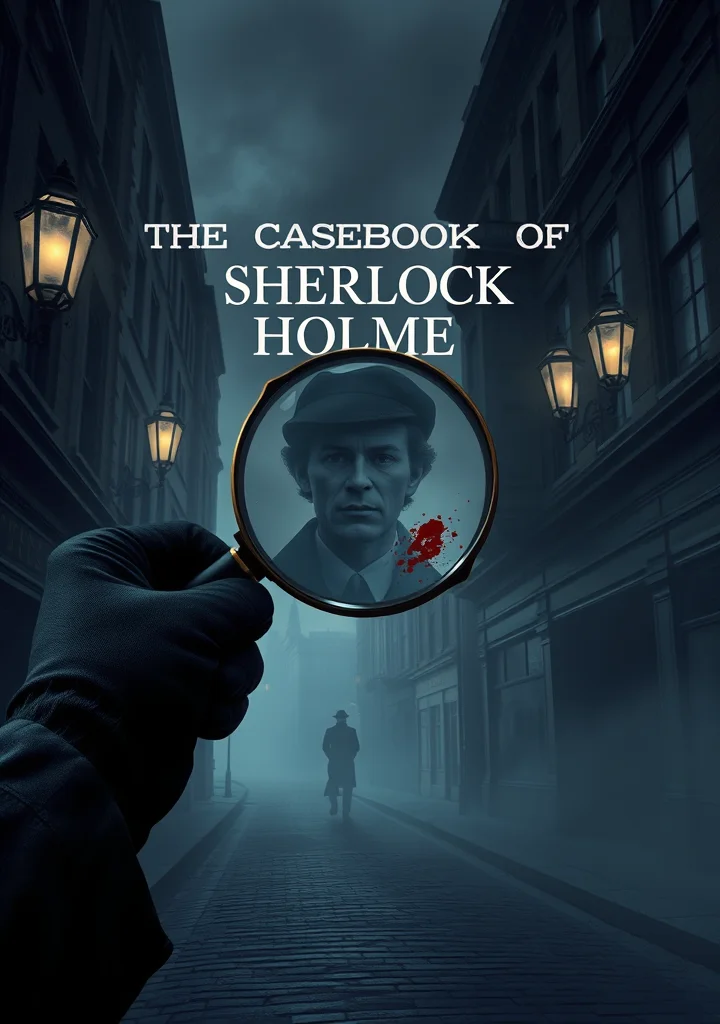
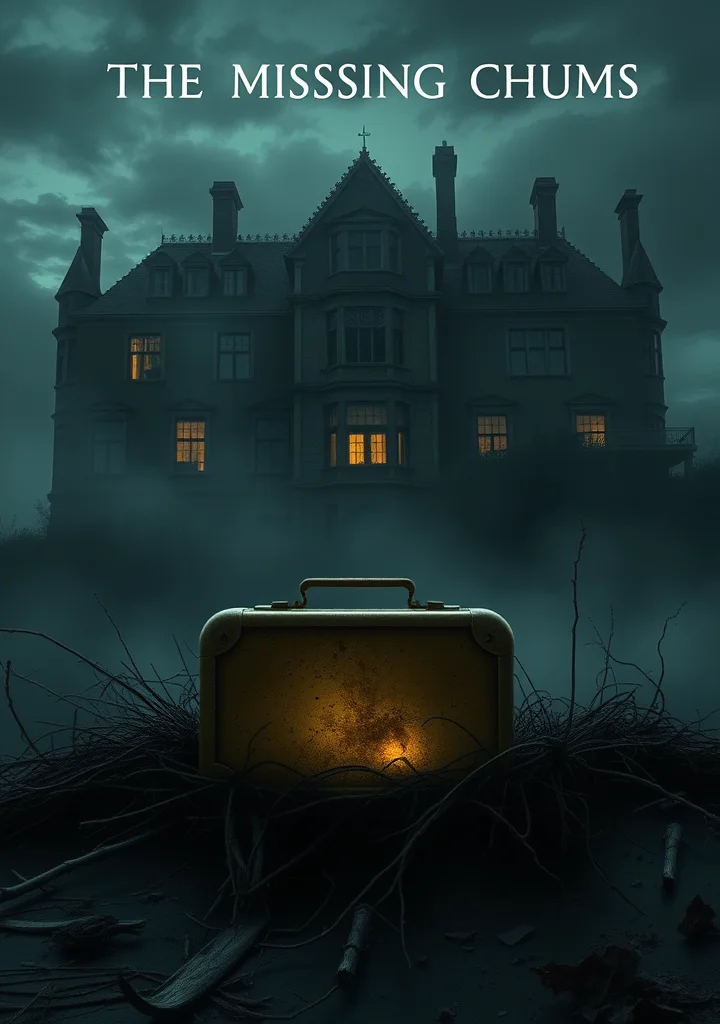
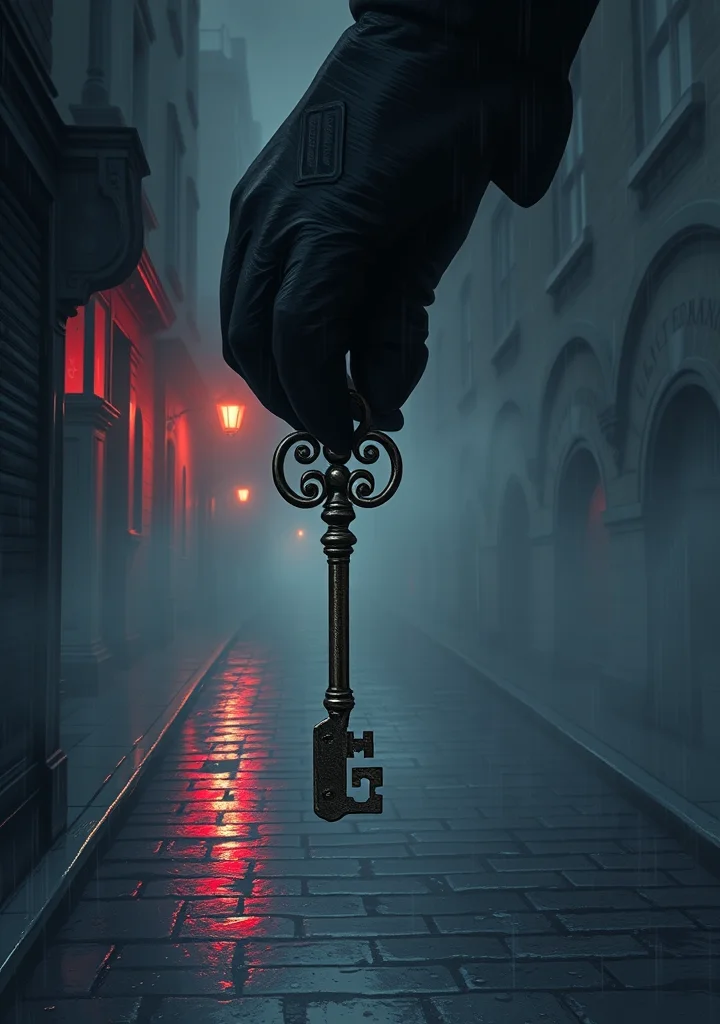
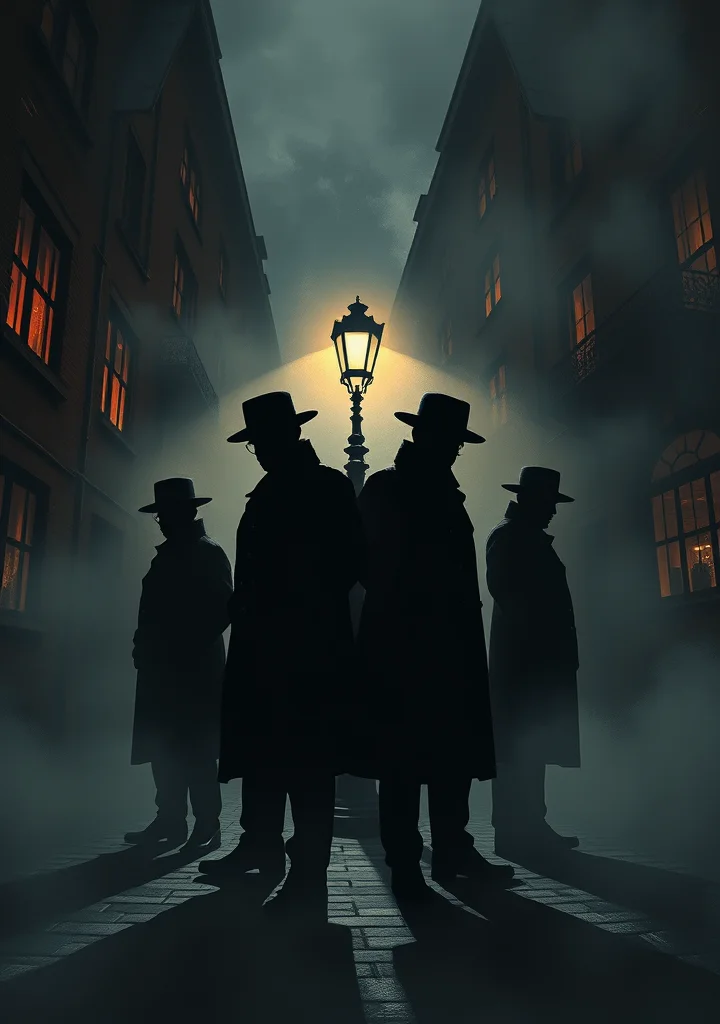
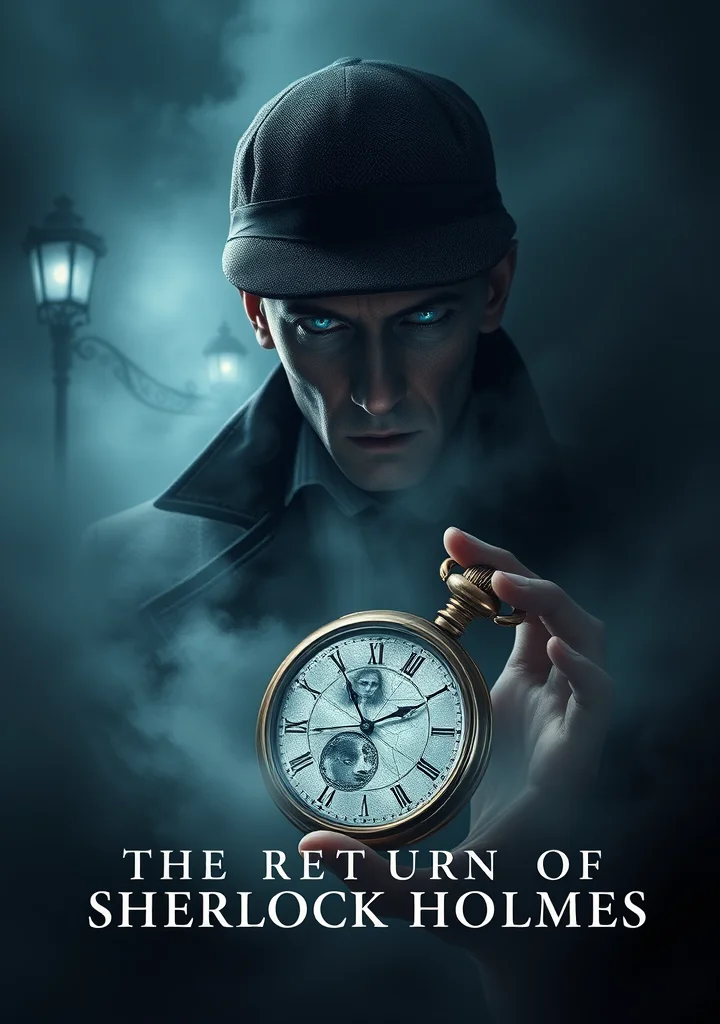
Fog hangs thick as grave shrouds over London, clinging to gaslit alleys and the soot-stained brick of Baker Street. Not a triumphant return, but a spectral reawakening. Holmes, risen from a supposed final plunge at Reichenbach, carries the chill of the abyss with him—a silence in his eyes that mirrors the damp, echoing chambers of his resurrected mind. The cases themselves are less concerned with deduction and more with haunting. A phantom coachman’s vengeance, a stolen painting mirroring a lost soul, a venomous secret within a nobleman’s decaying estate. Each investigation feels less like solving a crime and more like unearthing a buried horror, the very stones of London weeping with forgotten sins. Watson, adrift in a grief-stricken haze, witnesses not a restored genius but a fractured echo—a man haunted by the cold touch of death, forever marked by the darkness he stared into. The narrative breathes with a suffocating dread, a creeping unease that seeps from the cobblestones, clings to the lamplight, and settles in the marrow of every shadowed London street. It is a return not to brilliance, but to a haunting—a gothic echo of a man pulled back from the brink, bearing the weight of what lies beyond.
Copyright: Public Domain
This license allows anyone to use your story for any purpose, including printing, selling, or adapting it into a film freely.
This license allows anyone to use your story for any purpose, including printing, selling, or adapting it into a film freely.
Chapter List
-
« The Return of Sherlock Holmes »📖 Continue Reading
-
« The Adventure of the Empty House »
-
« The Adventure of the Norwood Builder »
-
« The Adventure of the Dancing Men »
-
« The Adventure of the Solitary Cyclist »
-
« The Adventure of the Priory School »
-
« The Adventure of Black Peter »
-
« The Adventure of Charles Augustus Milverton »
-
« The Adventure of the Six Napoleons »
-
« The Adventure of the Three Students »
-
« The Adventure of the Golden Pince-Nez »
-
« The Adventure of the Missing Three-Quarter »
-
« The Adventure of the Abbey Grange »
-
« The Adventure of the Second Stain »
14
-
« The Return of Sherlock Holmes »
-
« The Adventure of the Empty House »
-
« The Adventure of the Norwood Builder »
-
« The Adventure of the Dancing Men »
-
« The Adventure of the Solitary Cyclist »
-
« The Adventure of the Priory School »
-
« The Adventure of Black Peter »
-
« The Adventure of Charles Augustus Milverton »
-
« The Adventure of the Six Napoleons »
-
« The Adventure of the Three Students »
-
« The Adventure of the Golden Pince-Nez »
-
« The Adventure of the Missing Three-Quarter »
-
« The Adventure of the Abbey Grange »
-
« The Adventure of the Second Stain »
More like this