
The Autobiography of an Idea
  • 141
  • 0
  • 18
  • Reads 141
  • 0
  • Part 18
Completed, First published Mar 02, 2026

Dust motes dance in the perpetual twilight of a crumbling sanatorium, each a phantom memory clinging to the chipped plaster. Within, not a life story unfolds, but the slow, agonizing birth and decay of a single, insidious thought. Sullivan doesn’t chronicle a man, but a contagion – an idea that burrows into the architecture of the mind, feeding on isolation and regret. The narrative is less a confession than an excavation, layers of fractured reasoning peeled back like skin from bone. The prose itself feels infected, mirroring the creeping logic of its subject. Rooms become extensions of the idea’s warped geometry, hallways echoing with the hollow resonance of obsession. A claustrophobia of the intellect descends, fueled by the narrator’s brittle, increasingly unreliable perspective. It’s a descent not into madness, but into the architecture *of* madness, a blueprint of self-destruction sketched in shadow and regret. The scent of formaldehyde and decay permeates every sentence, a morbid autopsy performed not on a corpse, but on the very notion of self. The silences between the words are where the true horror festers – the unacknowledged rot within the mind’s cathedral. It’s a study in rot, in the beautiful, terrible architecture of obsession, and the slow, deliberate crumbling of a soul from the inside out.
Copyright: Public Domain
This license allows anyone to use your story for any purpose, including printing, selling, or adapting it into a film freely.
Recommended for you
24 Part
London breathes under a fog thick with coal dust and righteous fury. A singular, colossal figure – Michael Fane, the self-proclaimed Napoleon – stalks the streets of Notting Hill, not for conquest, but for a peculiar, escalating series of acts of civic “improvement.” He doesn’t steal, not precisely. He *rearranges*. He dismantles a building here, subtly alters a square there, all in the name of a deranged, geometric vision of order. The air hangs heavy with the dread of unspoken intentions. The narrative unravels through the eyes of a bewildered, increasingly horrified populace, and the desperate, flailing attempts of the police to understand a man who claims to be enacting a divine geometry. Each rearrangement isn’t merely vandalism, but a surgical excision of the city's soul, a chipping away at its haphazard, human beauty. A creeping claustrophobia settles in as Fane’s “improvements” become more audacious, more…necessary. The gas lamps cast elongated shadows that seem to mimic his reshaping of the streets. The scent of damp brick and decaying plaster clings to the air, mirroring the decay of reason within Fane’s mind. It’s not a story of violence, but of insidious, creeping control. The dread doesn't lie in what is *done*, but in the chilling logic behind it – a perverse, obsessive love for a perfect, sterile London that will be born from the rubble of the old. A city remade in the image of one man’s madness.
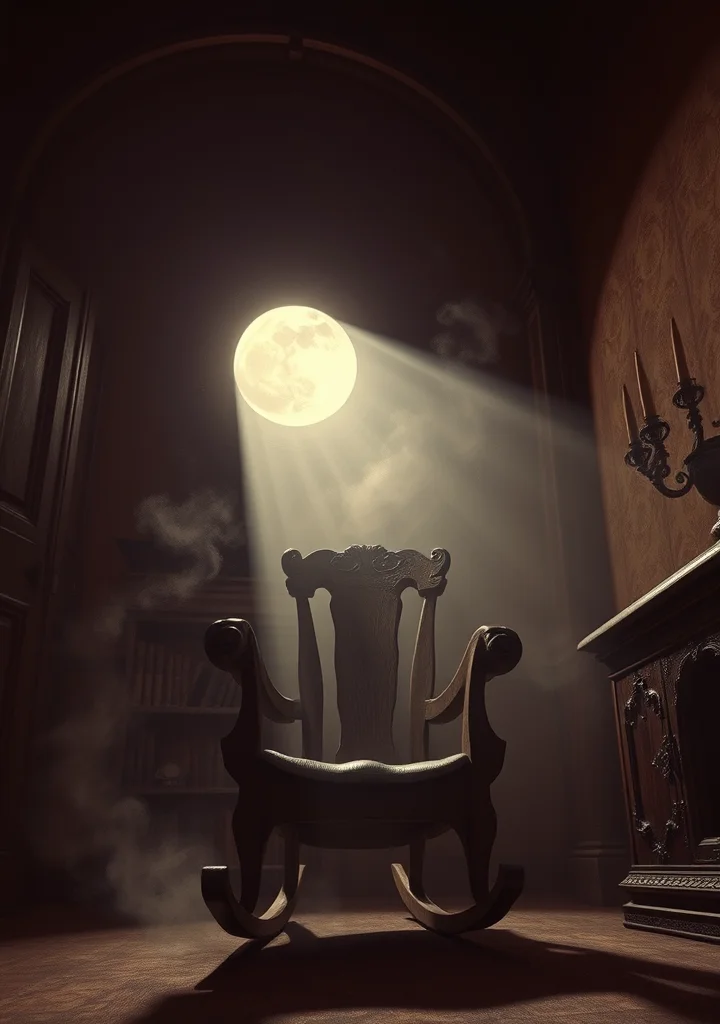
17 Part
The fog clings to the Thames like a shroud, mirroring the miasma of regret that hangs over the lives of Selwyn Grey and his doomed circle. This is a London steeped in the amber light of fading gas lamps, where conversations unravel in the damp chill of drawing rooms, revealing fractures in memory and the insidious rot of unspoken desires. A man’s upright posture—a rigid attempt at self-possession—becomes a desperate defense against the unraveling of identity itself, against the creeping realization that the past is not a fixed landscape but a shifting, treacherous terrain. The narrative moves like a slow bleed, staining the present with the phantom pain of lost loves and compromised ideals. Each encounter is a half-remembered dream, a fragment of a fractured narrative pieced together through unreliable recollections and the veiled anxieties of those caught in the afterglow of Edwardian decay. The air is thick with the scent of decaying roses and the metallic tang of suppressed emotion. A claustrophobic sense of enclosure pervades, not just within the London rooms but within the very minds of those who believe themselves to be masters of their fate. The story doesn’t reveal itself; it seeps into the skin, a cold dampness that lingers long after the final page is turned, leaving you haunted by the subtle, devastating power of what has been lost—and what has never truly been known. It is a story of men and women adrift on a sea of fractured recollection, each struggling to maintain the illusion of solidity in a world where even the most steadfast foundations are revealed to be built upon sand.