
The Autobiography of an Idea
  • 369
  • 0
  • 17
  • Read 369
  • 0
  • Part 17
Completed, First published Mar 02, 2026

Dust motes dance in the perpetual twilight of a crumbling sanatorium, each a phantom memory clinging to the chipped plaster. Within, not a life story unfolds, but the slow, agonizing birth and decay of a single, insidious thought. Sullivan doesn’t chronicle a man, but a contagion – an idea that burrows into the architecture of the mind, feeding on isolation and regret. The narrative is less a confession than an excavation, layers of fractured reasoning peeled back like skin from bone. The prose itself feels infected, mirroring the creeping logic of its subject. Rooms become extensions of the idea’s warped geometry, hallways echoing with the hollow resonance of obsession. A claustrophobia of the intellect descends, fueled by the narrator’s brittle, increasingly unreliable perspective. It’s a descent not into madness, but into the architecture *of* madness, a blueprint of self-destruction sketched in shadow and regret. The scent of formaldehyde and decay permeates every sentence, a morbid autopsy performed not on a corpse, but on the very notion of self. The silences between the words are where the true horror festers – the unacknowledged rot within the mind’s cathedral. It’s a study in rot, in the beautiful, terrible architecture of obsession, and the slow, deliberate crumbling of a soul from the inside out.
Copyright: Public Domain
This license allows anyone to use your story for any purpose, including printing, selling, or adapting it into a film freely.
Recommended for you
169 Part
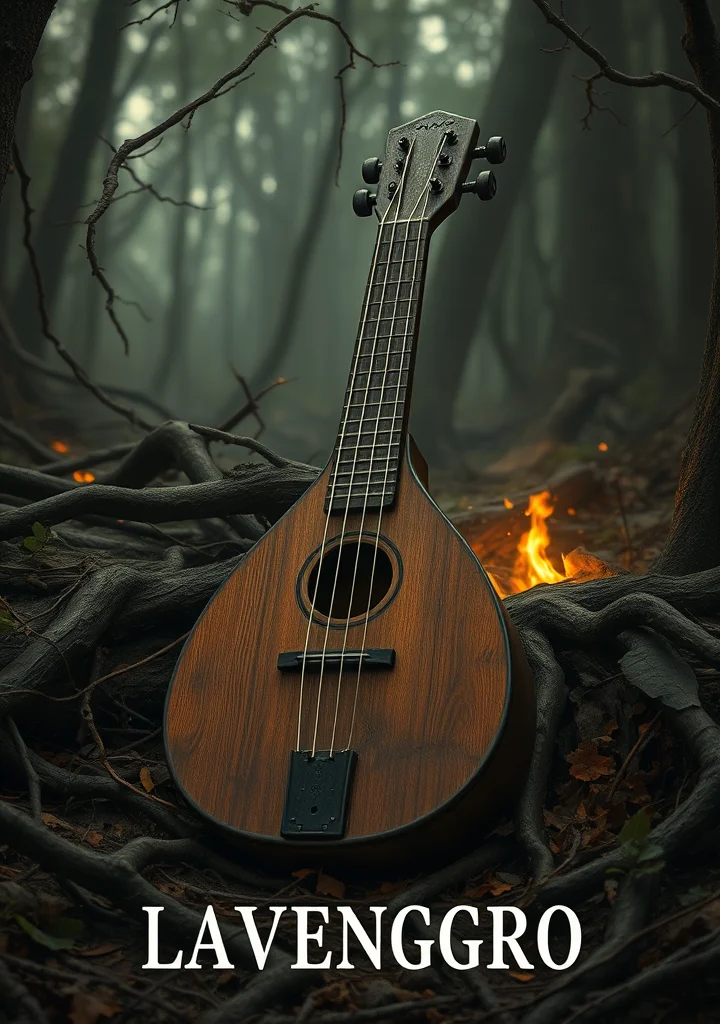
The air hangs thick with woodsmoke and the scent of damp earth, a perpetual twilight clinging to the fringes of England’s last wild spaces. Lavengro unfolds not as a story *told*, but as a half-remembered dream wrestled from the mire of memory, a descent into the shadowed world of the Romani. It breathes with the rhythm of the road, the crackle of fires under star-strewn skies, the rasp of rough-spun cloth against skin. This is a narrative of stolen moments—a boy adrift, caught between the respectable world and the brutal, beautiful lawlessness of the tinklers and gypsies. But the pull of the wild blood, the lure of a life lived outside the gaze of judgement, is more than mere escape. It’s a reckoning with a past steeped in violence, betrayal, and the haunting echoes of familial curses. The prose itself mimics the landscape – thorny, overgrown, and obscuring as much as it reveals. There’s a pervasive sense of dread, not from specters or ghouls, but from the cold, calculated cruelty of men driven to desperation. The characters are ghosts within their own lives, haunted by debts, grudges, and the insatiable hunger for freedom. Lavengro isn’t simply *about* the road; it *is* the road – a twisting, treacherous path leading toward an oblivion of the spirit, where the boundaries between hunter and hunted blur until only the desperate, gasping heartbeat remains. It smells of horses, of iron, of the coming storm, and the quiet resignation of those who have already lost everything.
12 Part
Dust motes dance in the perpetual twilight of a London nursery, where a carpet woven with ancient symbols stirs to life. Not with thread and dye, but with the embers of forgotten djinn, bound to obey a boy’s whim. A phoenix, magnificent and terrible, unfolds from its crimson threads, a creature of scorching desire and ash-grey regret. The house itself seems to breathe with the bird’s fiery heart, shadows lengthening into monstrous shapes as the carpet’s magic pulls at the seams of reality. The scent of cinnamon and burning feathers clings to the air, thick with whispers of a past where wishes are bought with stolen sunsets. Each flight of the phoenix, each murmured command, unravels another layer of the nursery’s gilded cage, revealing a world both exhilarating and deeply, unnervingly lonely. The very floorboards groan beneath the weight of impossible journeys, echoing with the laughter of children lost in the labyrinth of their own making. A creeping dread settles amongst the velvet curtains and porcelain dolls, a premonition that the power granted is not freely given. The carpet doesn't merely transport; it *remembers*. It holds the echoes of every longing, every secret, every shadowed bargain struck within its weave. And as the phoenix circles higher, the nursery – and the lives bound within it – begin to unravel, consumed by a hunger that stretches beyond the reach of childish dreams. The air itself tastes of smoke and forgotten promises.
29 Part
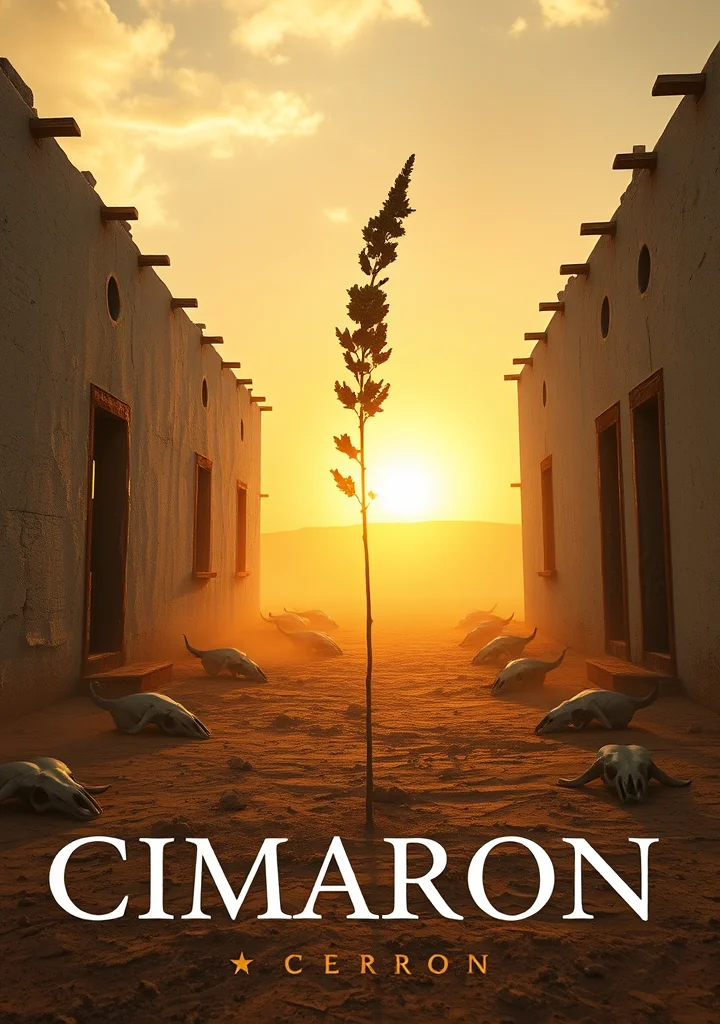
Dust devils dance across a land bleached bone-white under a merciless sun, mirroring the ghosts that haunt the Oklahoma Territory. Cimarron unfolds not as a chronicle of westward expansion, but as a slow unraveling of dreams swallowed by the prairie’s vast indifference. The scent of sage and decay clings to the weathered timbers of the Ysobel family’s hacienda, a crumbling testament to a Spanish heritage decaying alongside the land itself. Each generation feels the weight of the wind’s mournful howl, the land’s relentless claim on those who dare to build upon it. The narrative is steeped in the amber light of dying embers, the shadows of ambition stretching long and skeletal across the plains. A suffocating heat rises not just from the earth, but from the simmering resentments and buried betrayals within the family. The story doesn't celebrate conquest, but the erosion of certainty, the quiet fracturing of lives against the unforgiving backdrop of a landscape that both promises and denies salvation. It's a tale of inheritance built on quicksand, where the boundaries between ownership and obsession blur until all that remains is a haunting echo of what was lost – a legacy of sun-baked desperation and the slow, creeping realization that even the most stubborn roots can be torn free by the relentless prairie wind. The silence between chapters is thick with the grit of dust and the weight of unfulfilled promises, a land breathing with the loneliness of forgotten souls.