
-
Read 345
-
0
-
Part 29
Completed, First published Mar 02, 2026
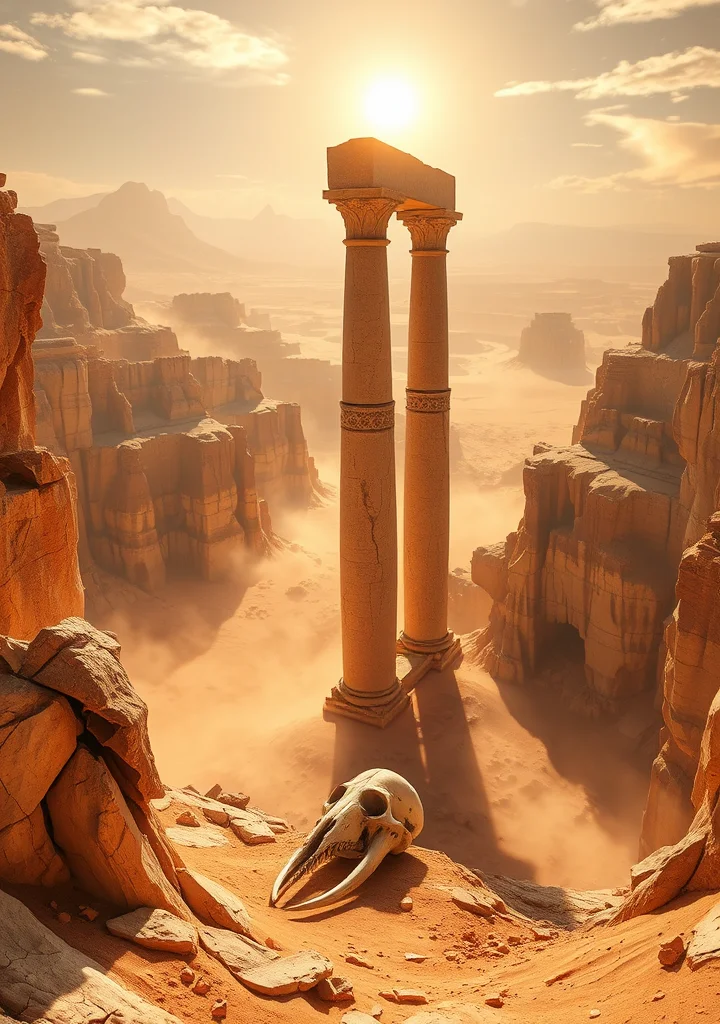
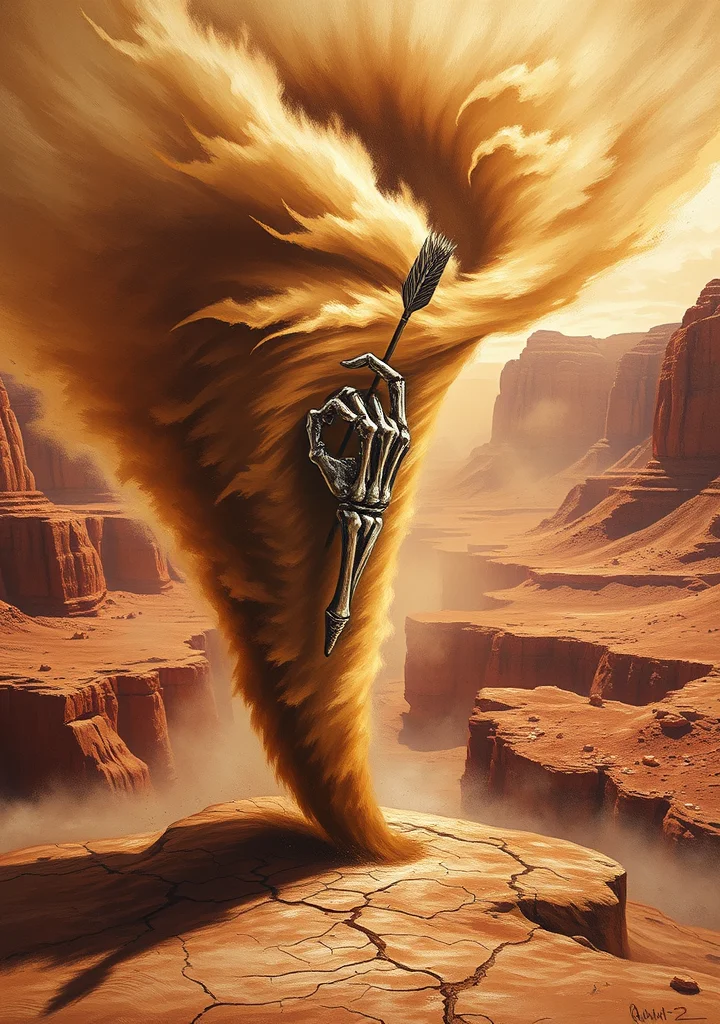
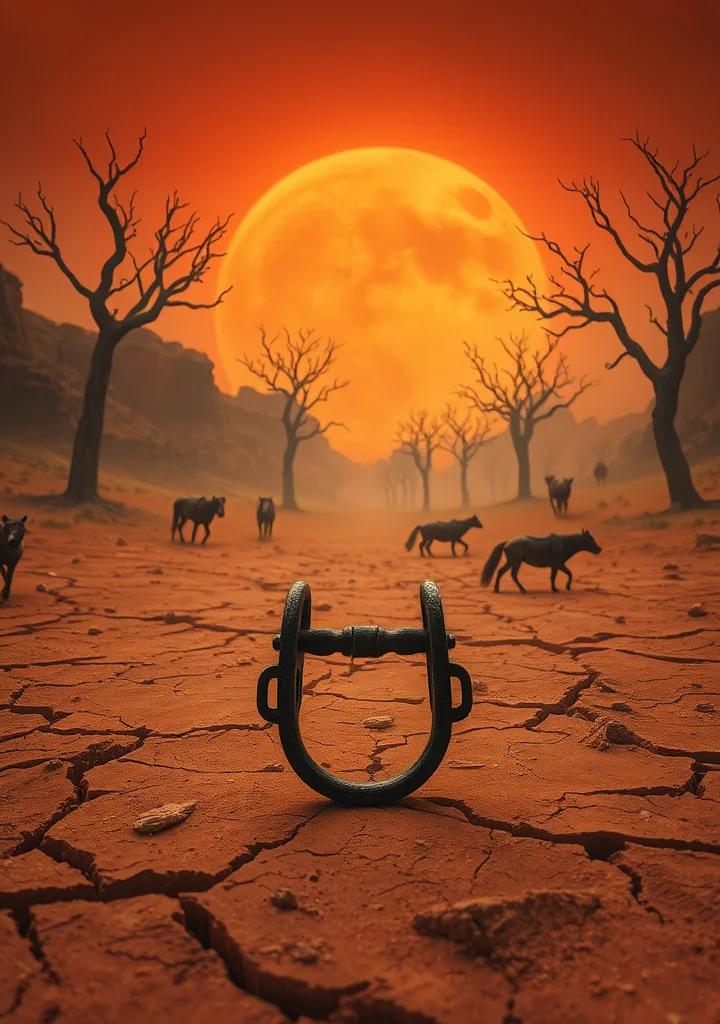
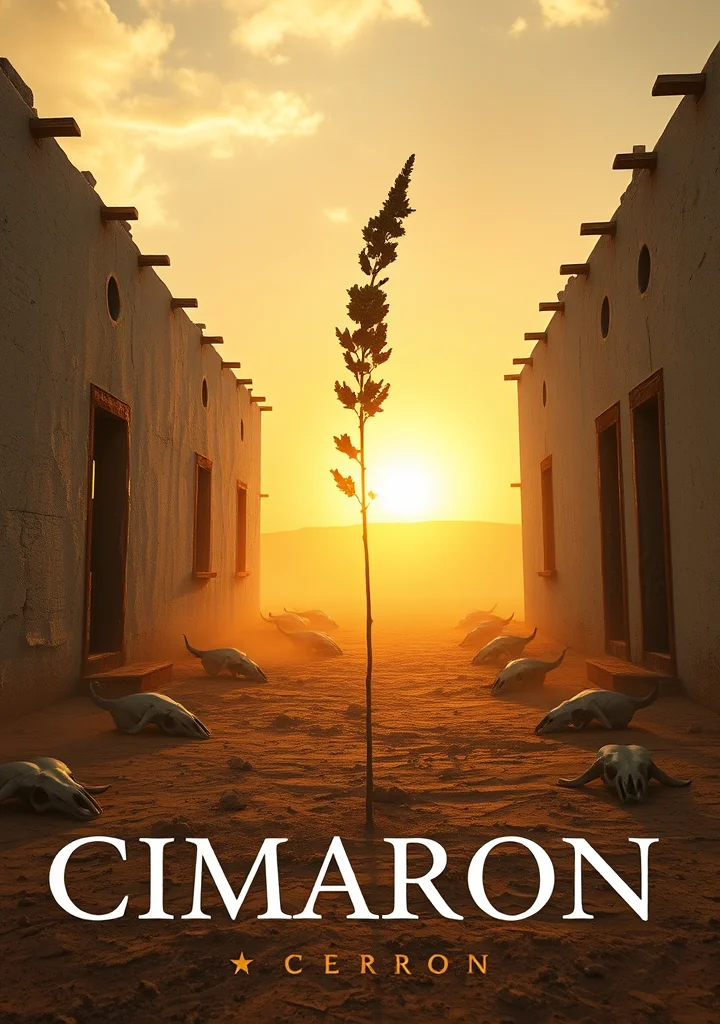
Dust devils dance across a land bleached bone-white under a merciless sun, mirroring the ghosts that haunt the Oklahoma Territory. Cimarron unfolds not as a chronicle of westward expansion, but as a slow unraveling of dreams swallowed by the prairie’s vast indifference. The scent of sage and decay clings to the weathered timbers of the Ysobel family’s hacienda, a crumbling testament to a Spanish heritage decaying alongside the land itself.
Each generation feels the weight of the wind’s mournful howl, the land’s relentless claim on those who dare to build upon it. The narrative is steeped in the amber light of dying embers, the shadows of ambition stretching long and skeletal across the plains. A suffocating heat rises not just from the earth, but from the simmering resentments and buried betrayals within the family.
The story doesn't celebrate conquest, but the erosion of certainty, the quiet fracturing of lives against the unforgiving backdrop of a landscape that both promises and denies salvation. It's a tale of inheritance built on quicksand, where the boundaries between ownership and obsession blur until all that remains is a haunting echo of what was lost – a legacy of sun-baked desperation and the slow, creeping realization that even the most stubborn roots can be torn free by the relentless prairie wind. The silence between chapters is thick with the grit of dust and the weight of unfulfilled promises, a land breathing with the loneliness of forgotten souls.
Copyright: Public Domain
This license allows anyone to use your story for any purpose, including printing, selling, or adapting it into a film freely.
This license allows anyone to use your story for any purpose, including printing, selling, or adapting it into a film freely.
More like this