
A Princess of Mars
  • 150
  • 0
  • 33
  • Reads 150
  • 0
  • Part 33
Completed, First published Mar 02, 2026

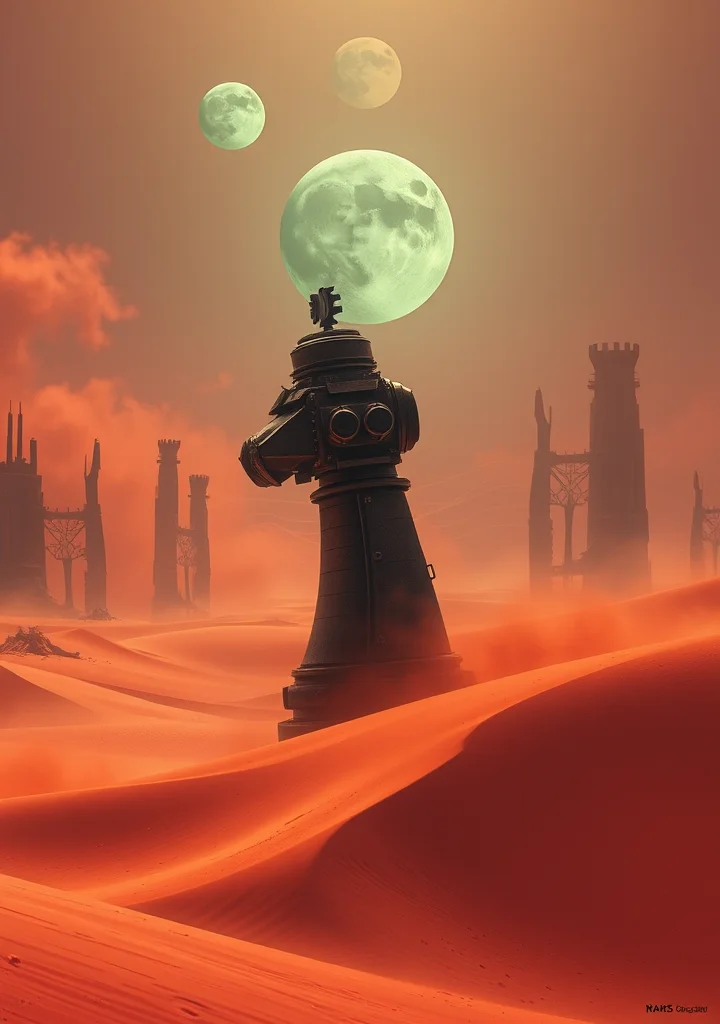
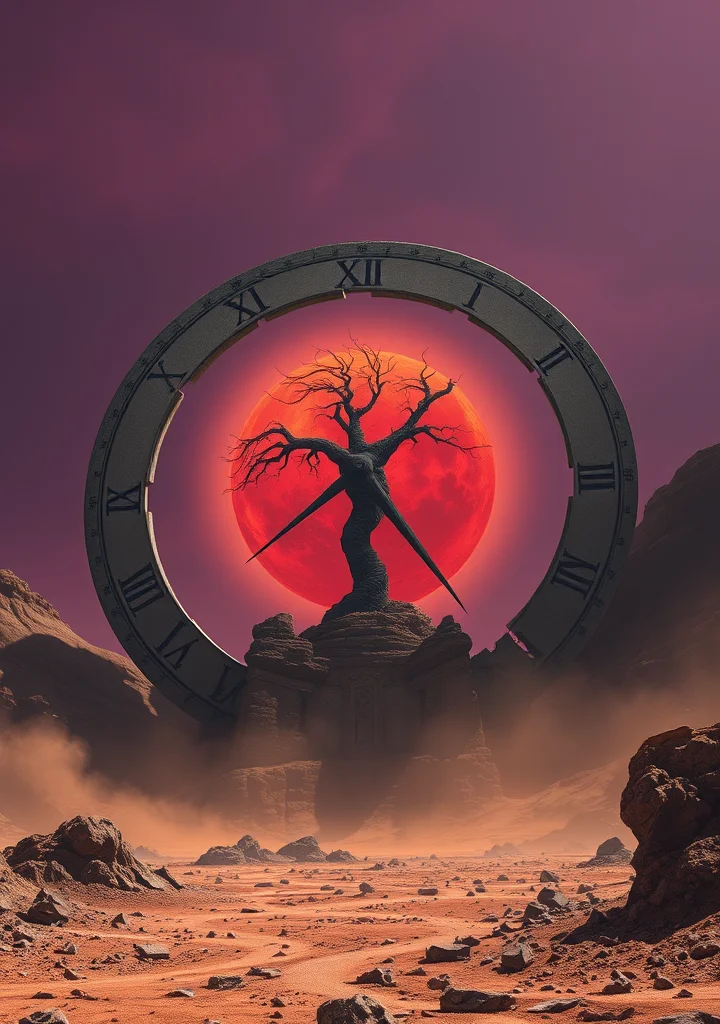
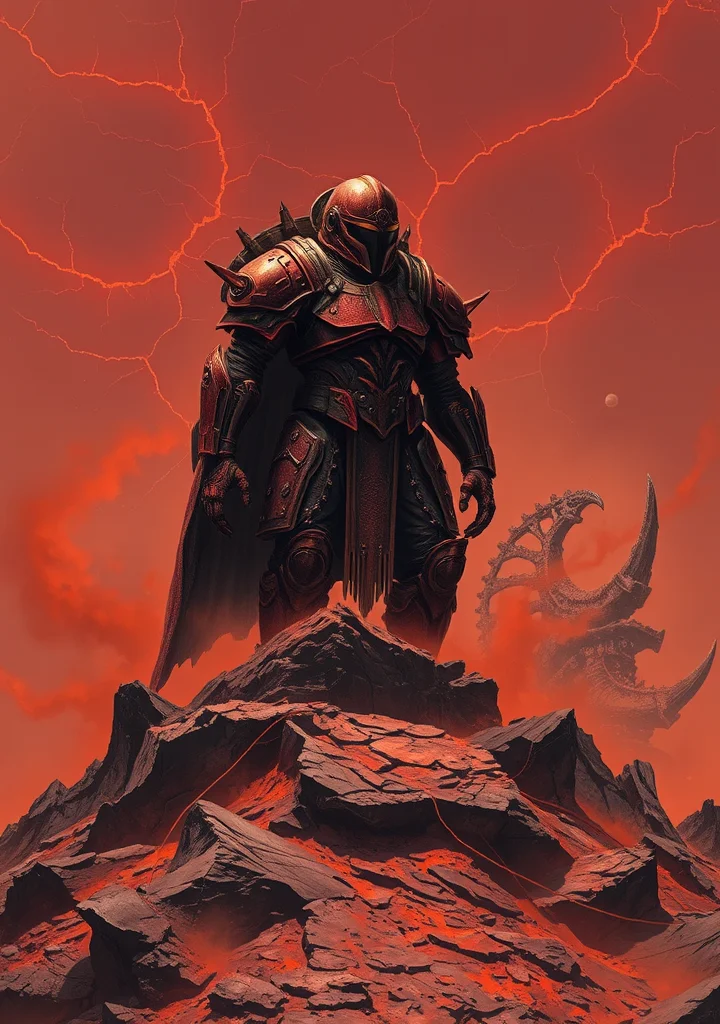
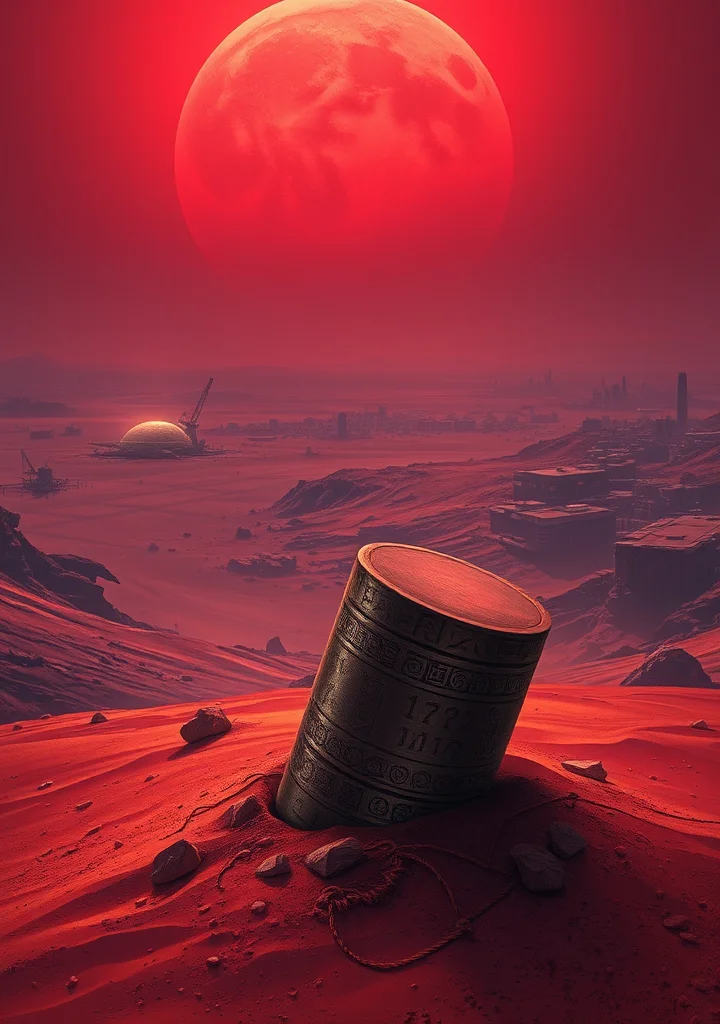
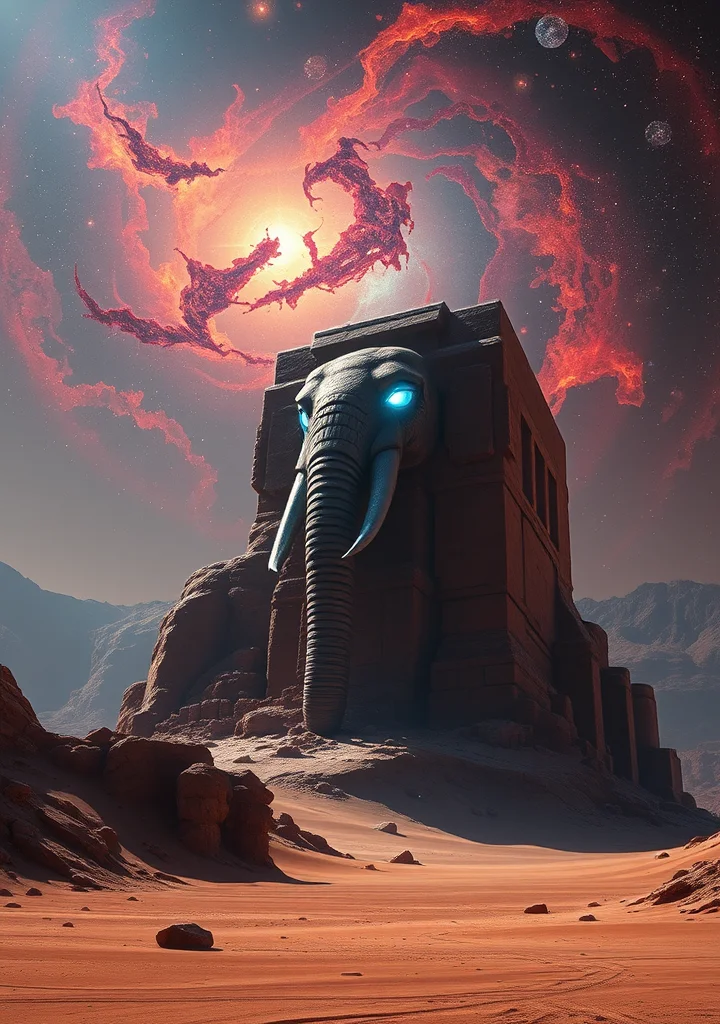
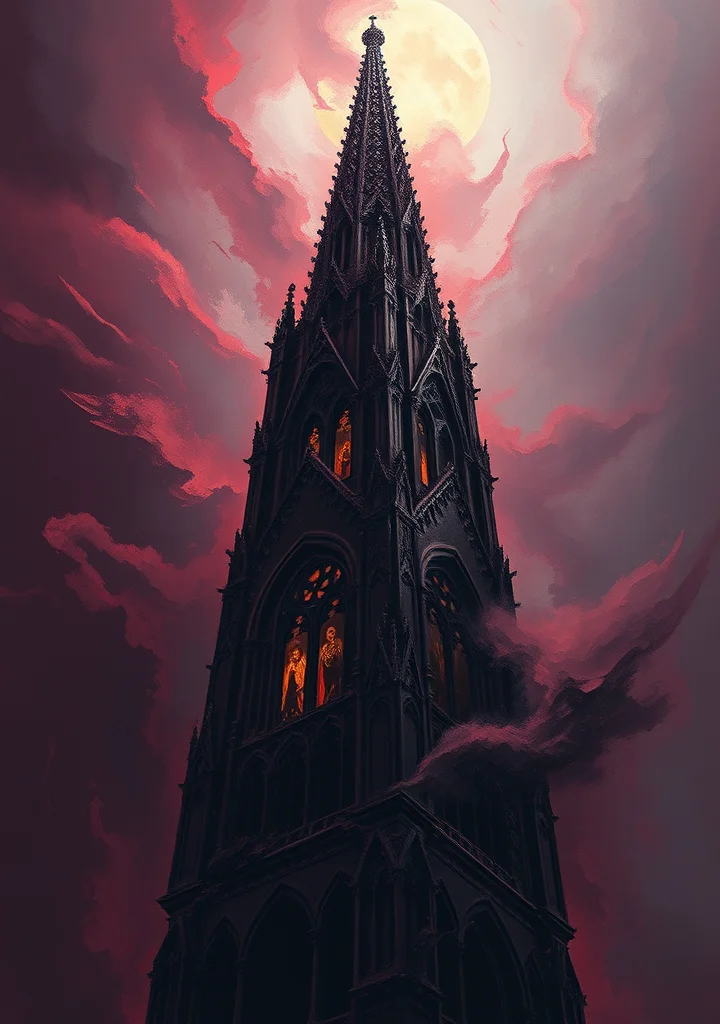
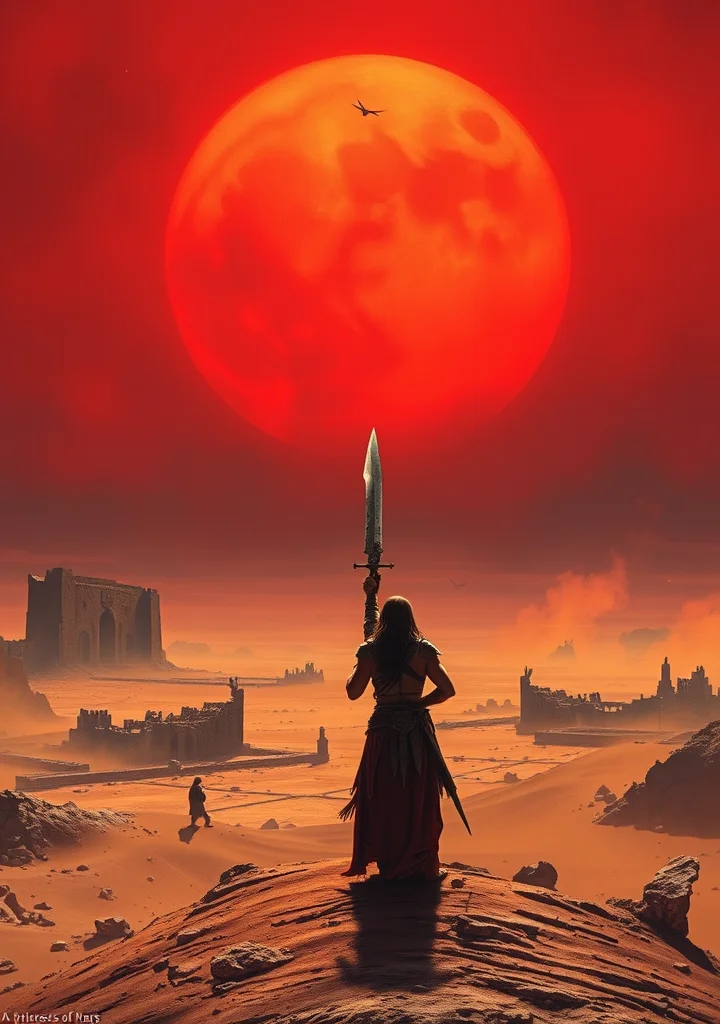
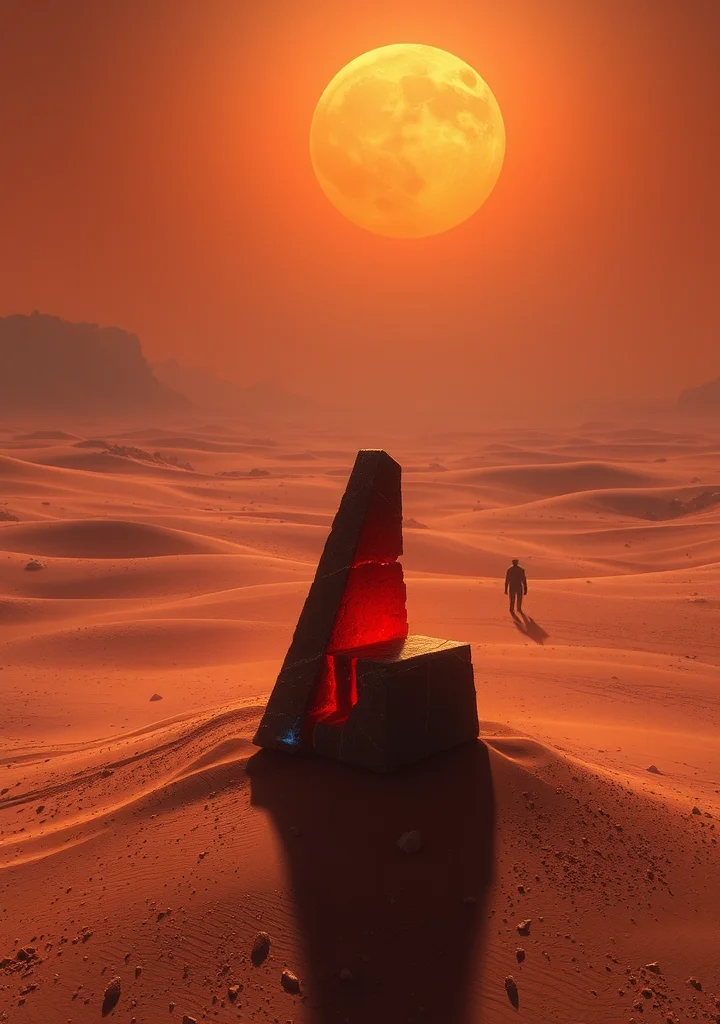
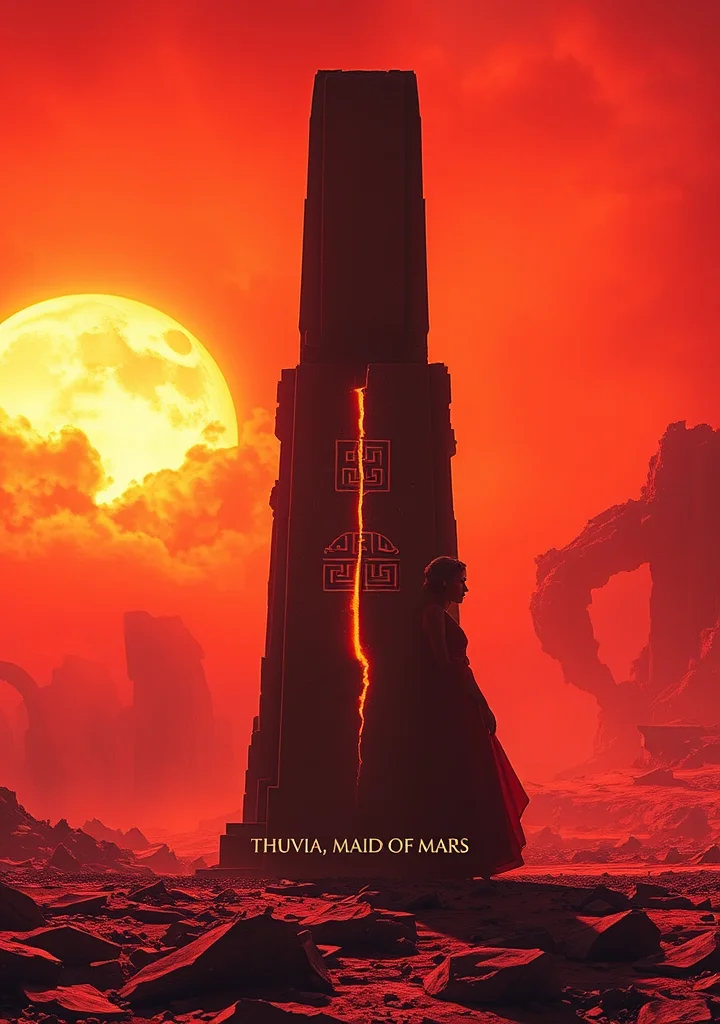
Dust-red skies bleed across a dying world, a landscape of crumbling cities and forgotten gods. John Carter, cast adrift from a fractured Earth, finds himself thrust into Barsoom, a realm of ancient wars and spectral beauty. But this is no simple escape; it is a descent into a civilization sculpted by loss, where honor is a blade’s edge and survival demands a chilling calculus of allegiance. The air itself tastes of decay and the ghosts of a vanished age whisper through canyons carved by long-dead kings. Carter’s strength becomes entangled with Dejah Thoris, a princess both ethereal and fiercely defiant, haunted by a lineage steeped in sorrow. Their love blooms amidst the ruins, a fragile blossom against the encroaching rot of Barsoom's shadowed heart. Each victory is bought with the weight of shattered histories, each embrace shadowed by the knowledge that even gods bleed dust. The crimson sands drink the secrets of a world consumed by a slow, beautiful extinction, and the reader is left to feel the cold, elegant touch of a planet breathing its last breath. This is not conquest, but a haunting, a desperate claiming of grace within a universe already lost to the shadows.
Copyright: Public Domain
This license allows anyone to use your story for any purpose, including printing, selling, or adapting it into a film freely.
Recommended for you
62 Part
Dust motes dance in the fading light of provincial chateaux, mirroring the slow decay of ambition and the brittle fragility of hope. These letters, unearthed from forgotten bureaux and damp attics, whisper of two women bound by circumstance and the suffocating weight of societal expectation. One, a bride purchased for lineage, haunted by the spectral echoes of a loveless marriage. The other, a bride of convenience, her youth traded for the preservation of a crumbling estate. The narrative unfolds not in grand pronouncements, but in the tremor of a penned word, the bleed of ink mirroring the slow erosion of their spirits. Each missive is a fragment of a fractured life, stained with the bitter residue of betrayal, the chill of isolation, and the gnawing desperation for a love that exists only in the shadowed corners of their dreams. A pervasive melancholy clings to the pages, thick as the fog that shrouds the ancestral homes. The air hangs heavy with the scent of dying roses and the unspoken resentments that fester beneath layers of silk and lace. The landscapes—bleak vineyards, crumbling manors, and the oppressive silence of shadowed forests—become extensions of the women's internal landscapes: barren, desolate, and haunted by the ghosts of promises broken. The letters themselves are not merely communication, but desperate pleas cast into a void, each echoing with the chilling realization that they are trapped within a labyrinth of obligation and despair, their fates inextricably intertwined with the decaying grandeur of a bygone era.
41 Part
A creeping dread clings to the shadowed corners of Blackwood Manor, where the decaying legacy of the Festus family festers like a wound refusing to heal. The narrative unfolds not as a story *told*, but as one *breathed* from the very stones of the estate, a suffocating presence woven into the tapestry of perpetual twilight. Each chamber exhumes the scent of mildew and regret, echoing with the phantom footsteps of generations consumed by an insidious, inherited madness. The air hangs thick with the weight of unspoken sins – whispers of alchemical experiments gone awry, of pacts forged with something ancient and hungry beneath the moor. A slow rot permeates the land, mirroring the dissolution of the Festus lineage, each heir more spectral, more fractured than the last. The novel doesn’t merely depict horror; it *becomes* it – a labyrinth of suffocating hallways, choked gardens, and the unsettling stillness of portraits whose eyes follow you with a chilling, predatory intelligence. Expect a descent into a suffocating claustrophobia of the mind, where the boundaries between dream and nightmare dissolve into a single, suffocating darkness. The landscape itself is a character, a brooding, desolate expanse that feeds on the sanity of those who dare to linger within its grasp. It is a place where the past doesn’t haunt you, it *becomes* you, molding flesh and bone to the shape of Blackwood’s unending sorrow. The narrative unfolds with the slow, deliberate cadence of a coffin being lowered into the earth, each chapter a layer of dust settling upon a forgotten grave.