
-
Read 449
-
0
-
Part 23
Completed, First published Mar 02, 2026
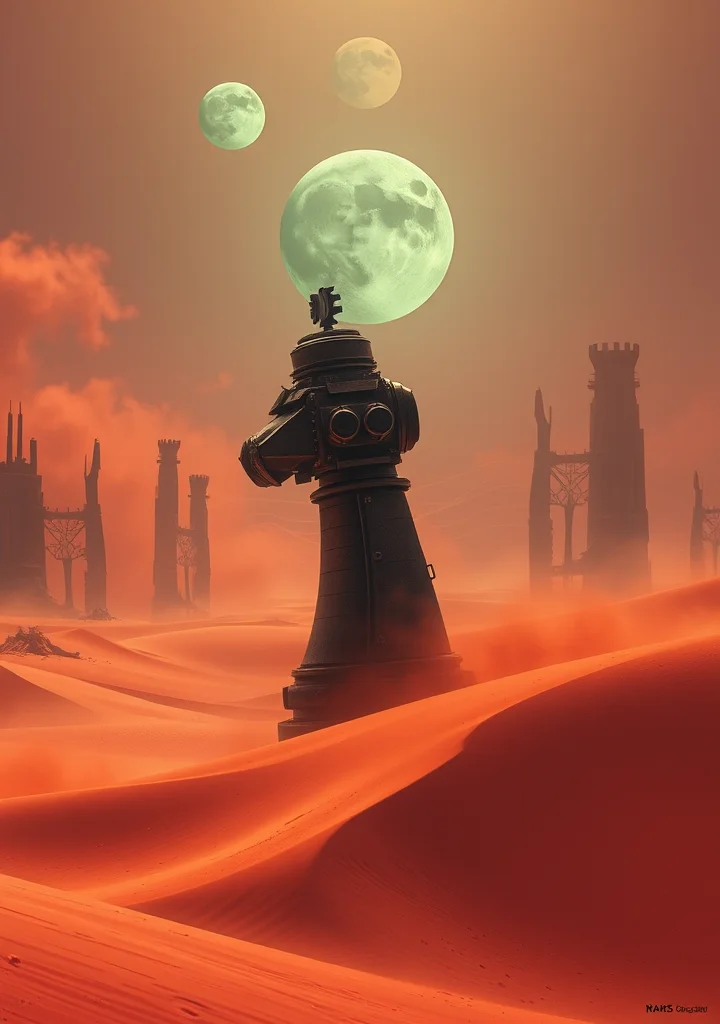
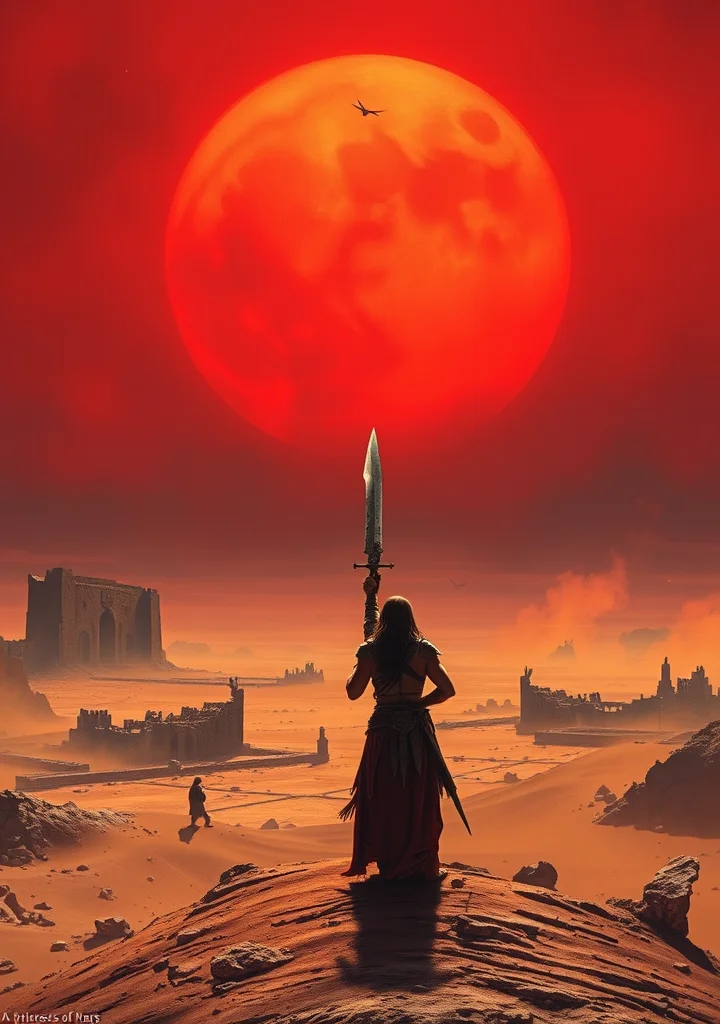
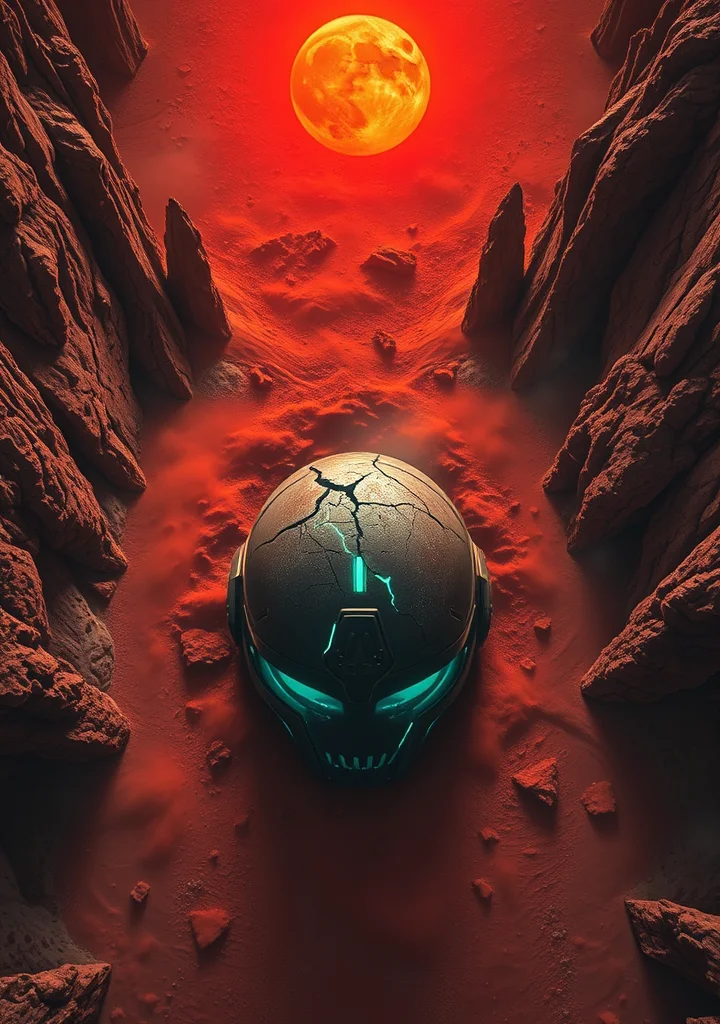
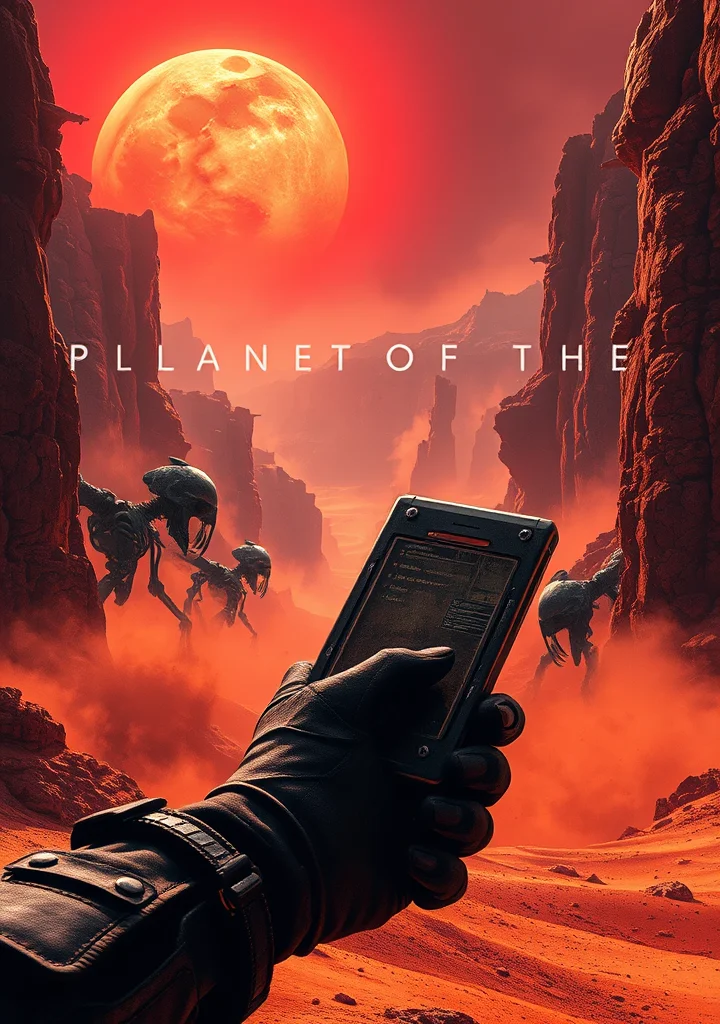
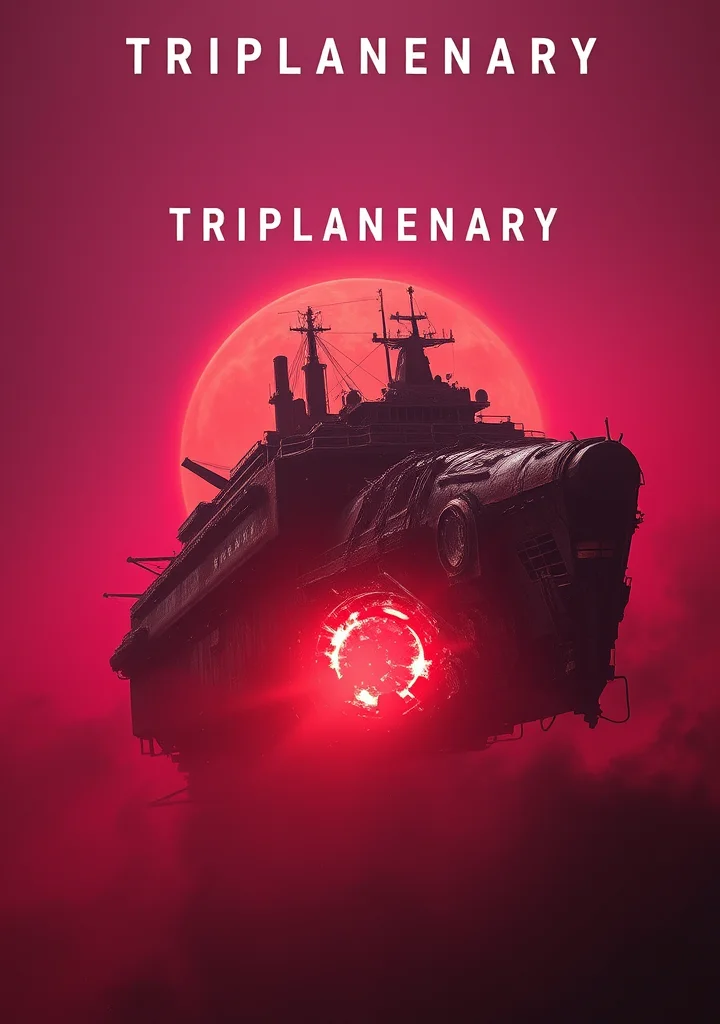
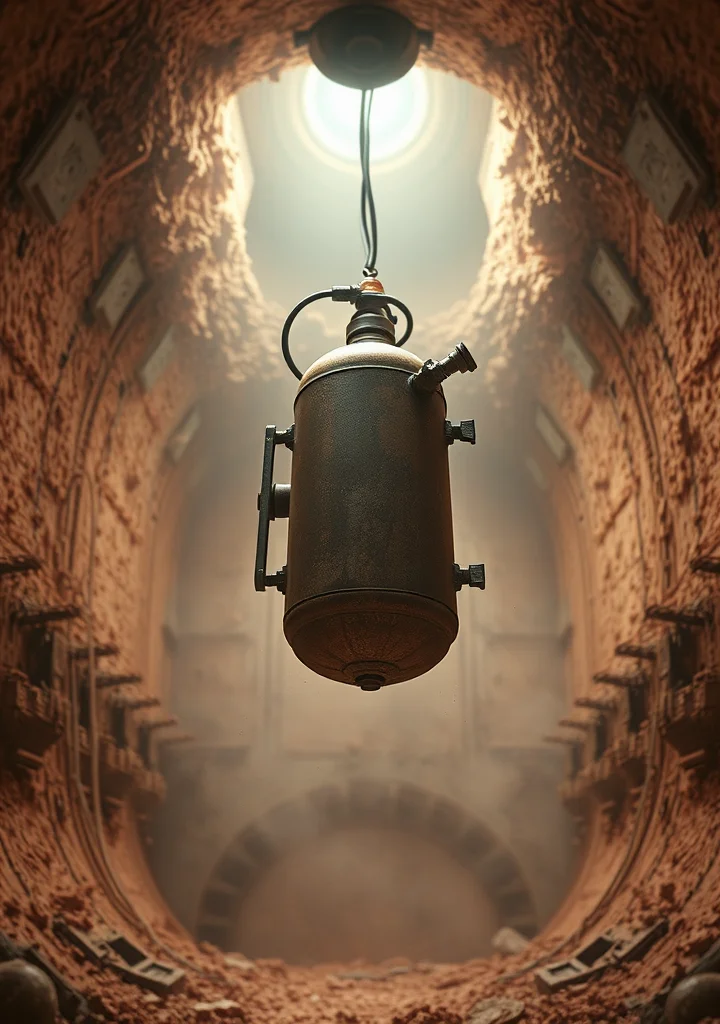
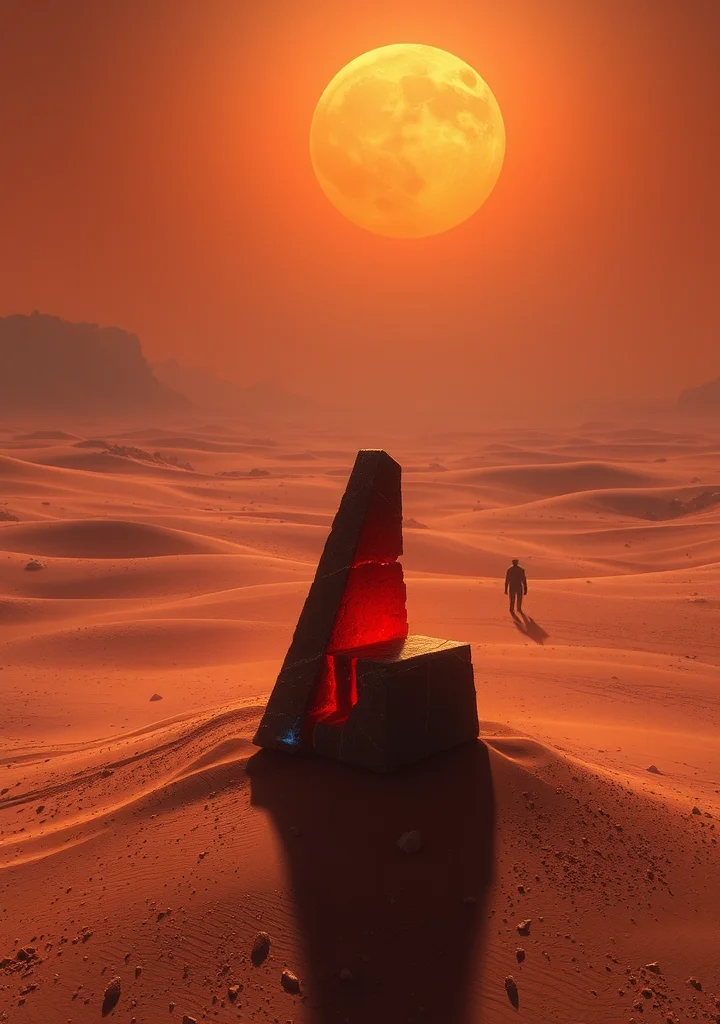
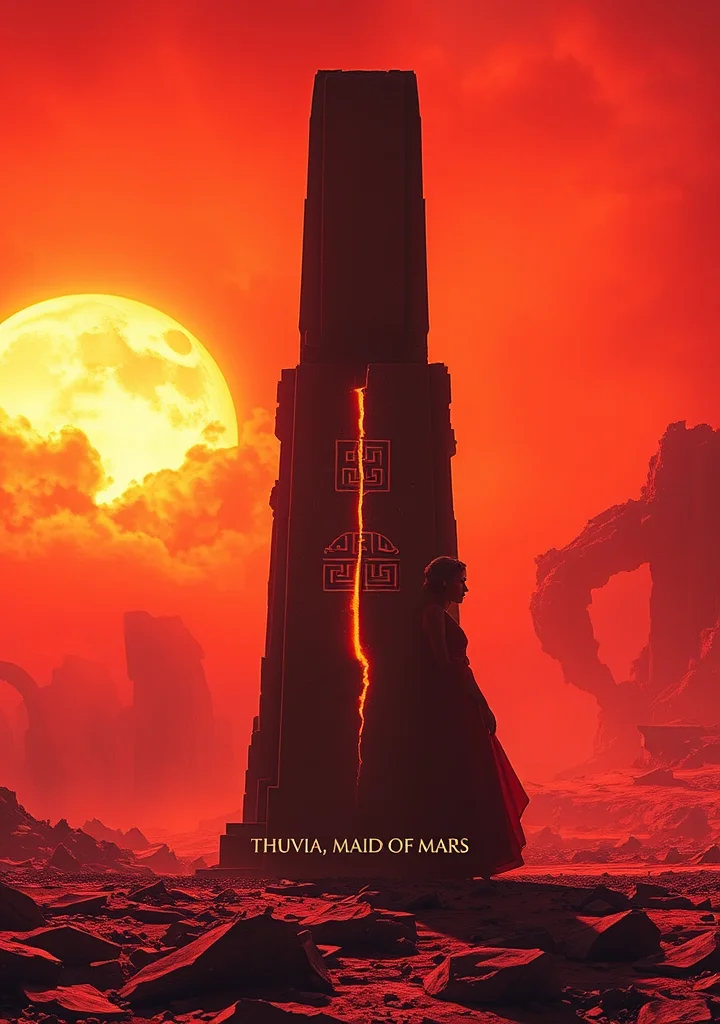
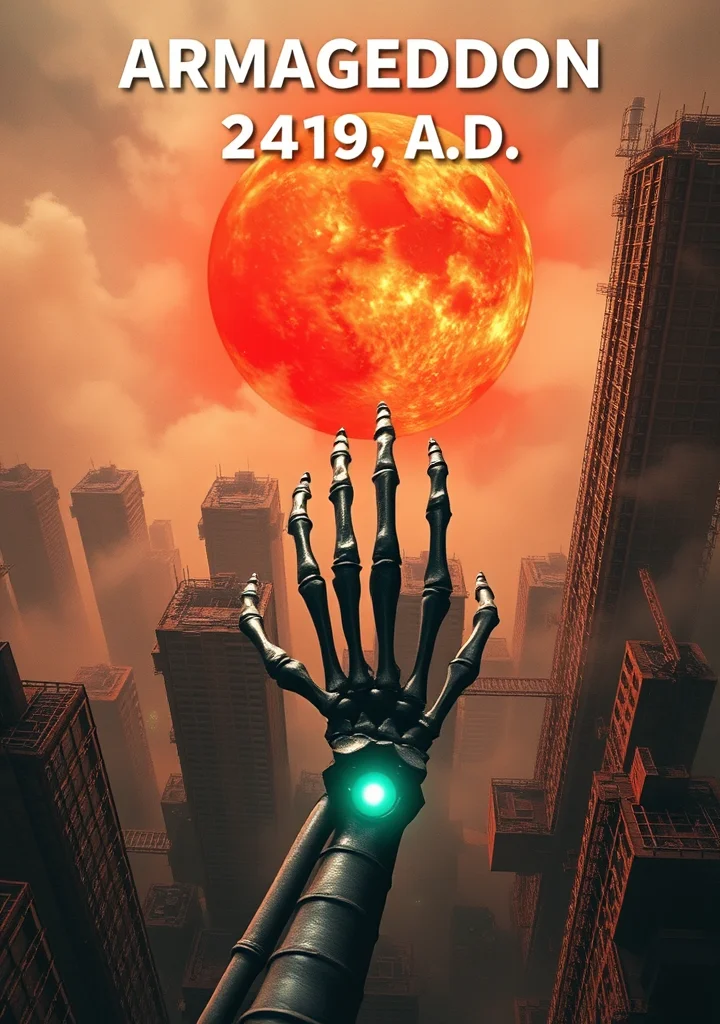
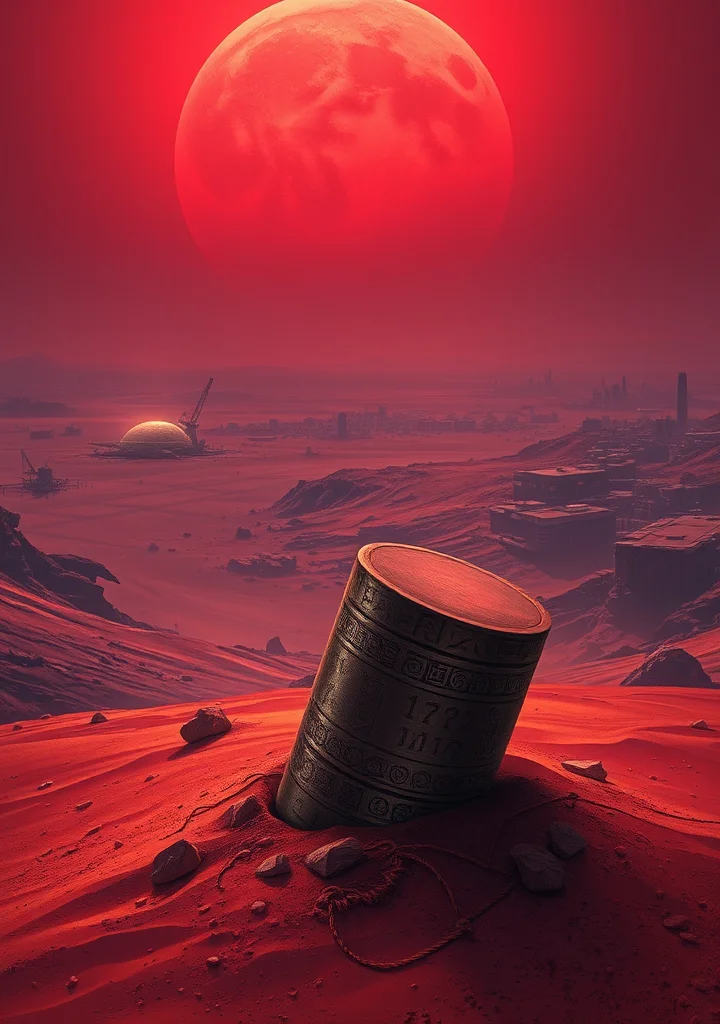
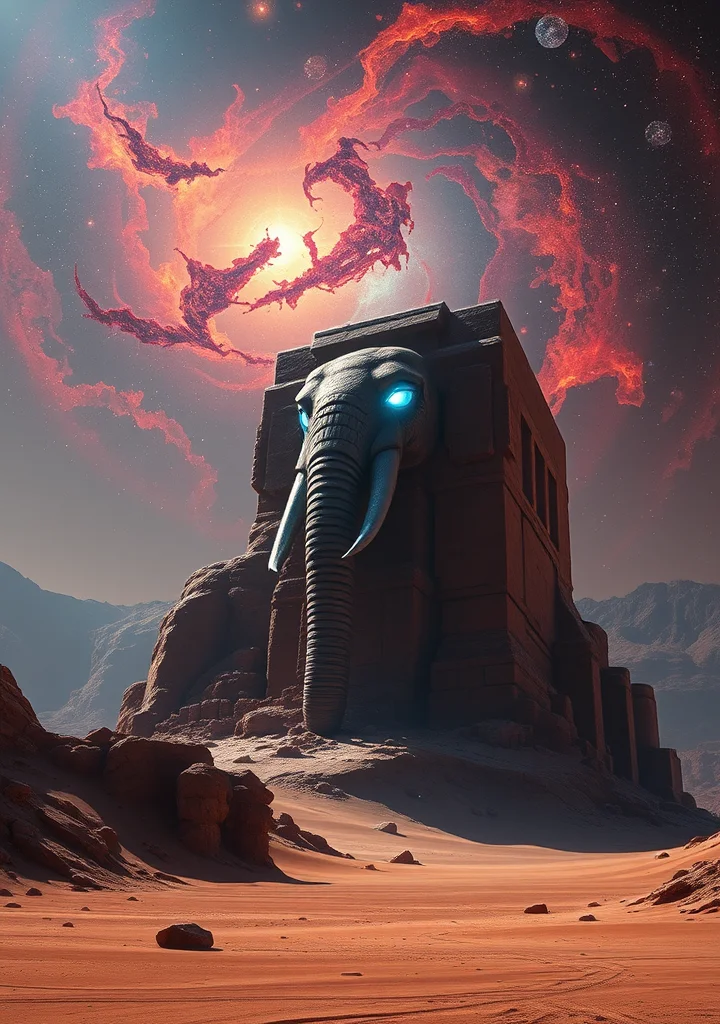
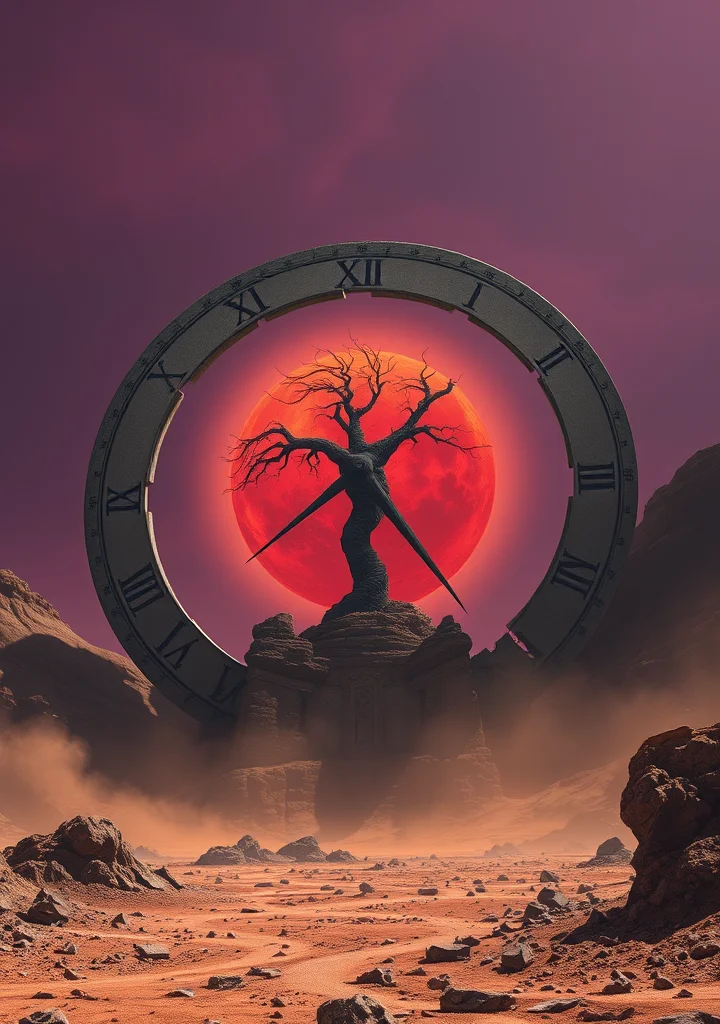
Dust hangs thick as regret on the forgotten colony world of Foss/Tycho. Here, time isn't merely measured in years, but in the slow, agonizing erosion of hope. The narrative unfolds under a perpetual twilight cast by a dying sun, a celestial wound bleeding across the ochre landscape. Foss/Tycho isn't simply isolated; it’s *unraveling*. Generations have been born and died believing the world is a four-day cycle, a pre-programmed loop of disaster and reconstruction. The air tastes of ash and desperation, laced with the static of forgotten technologies humming beneath the crumbling foundations of abandoned cities.
The story clings to the shadowed corners of crumbling hab-blocks, where the last vestiges of sanity flicker in the faces of those who remember fragments of a past they can’t grasp. A creeping dread permeates every interaction, born from the knowledge that the world resets, wiping clean the memory of its inhabitants. The atmosphere is one of claustrophobic fatalism; a sense of being trapped not within a physical prison, but within the gears of a cosmic machine. Each sunrise feels less like renewal and more like a sentence being read aloud. Whispers of rebellion against the cycle surface only to be swallowed by the dust storms that haunt the plains, leaving only the hollow echo of what might have been. The very land itself seems to mourn, exhaling a cold, ancient grief into the hearts of those who dare to remember.
Copyright: Public Domain
This license allows anyone to use your story for any purpose, including printing, selling, or adapting it into a film freely.
This license allows anyone to use your story for any purpose, including printing, selling, or adapting it into a film freely.
Chapter List
-
« Four-Day Planet »📖 Continue Reading
-
« Chapter_3 »
-
« Four-Day Planet »
-
« The Ship from Terra »
-
« Reporter Working »
-
« Bottom Level »
-
« Main City Level »
-
« Meeting Out of Order »
-
« Elementary, My Dear Kivelson »
-
« Aboard theJavelin »
-
« Practice, 50mmGun »
-
« Monster Killing »
-
« Mayday, Mayday »
-
« Darkness and Cold »
-
« Castaways Working »
-
« The Beacon Light »
-
« The Rescue »
-
« Vigilantes »
-
« Civil War Postponed »
-
« Tallow-Wax Fire »
-
« The Treason of Bish Ware »
-
« Masks Off »
-
« Finale »
23
-
« Four-Day Planet »
-
« Chapter_3 »
-
« Four-Day Planet »
-
« The Ship from Terra »
-
« Reporter Working »
-
« Bottom Level »
-
« Main City Level »
-
« Meeting Out of Order »
-
« Elementary, My Dear Kivelson »
-
« Aboard theJavelin »
-
« Practice, 50mmGun »
-
« Monster Killing »
-
« Mayday, Mayday »
-
« Darkness and Cold »
-
« Castaways Working »
-
« The Beacon Light »
-
« The Rescue »
-
« Vigilantes »
-
« Civil War Postponed »
-
« Tallow-Wax Fire »
-
« The Treason of Bish Ware »
-
« Masks Off »
-
« Finale »
More like this