
Star Hunter
  • 109
  • 0
  • 14
  • Reads 109
  • 0
  • Part 14
Completed, First published Mar 02, 2026

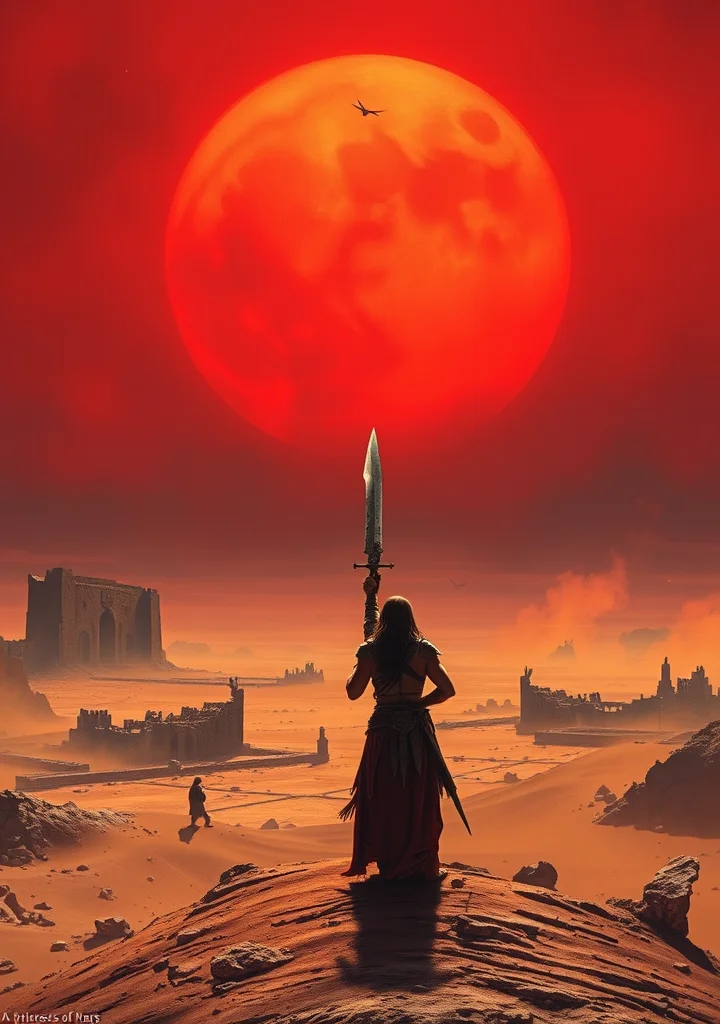
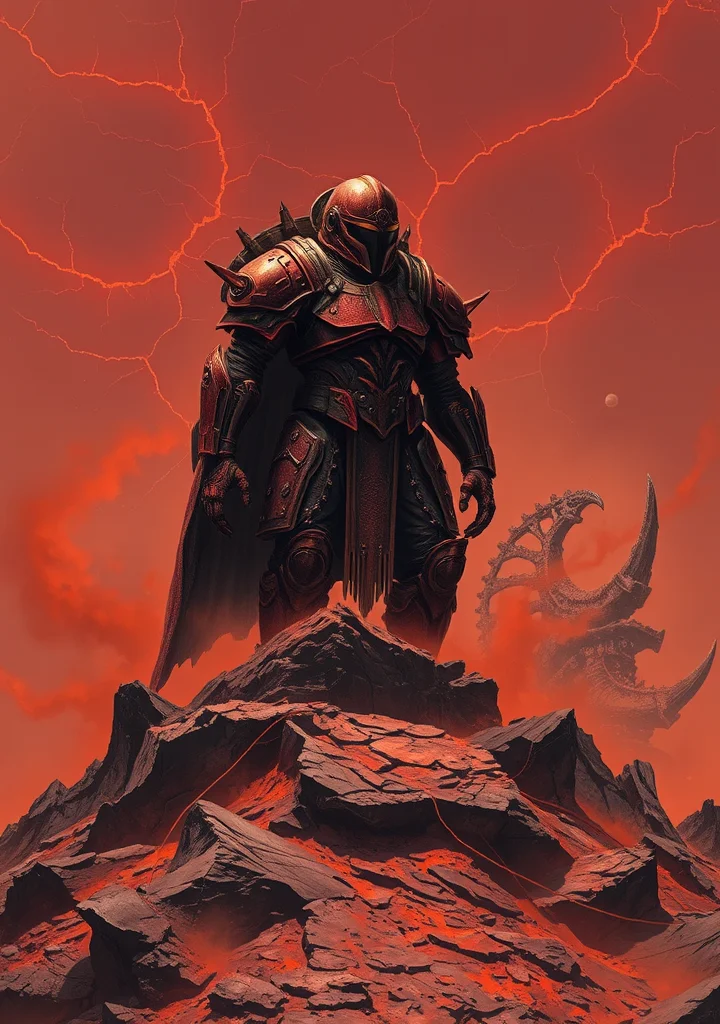
The void between stars breathes cold as ice, and Karrion, last of the Star Hunters, walks its shadowed paths. Not for glory, nor conquest, but for salvage—the ghosts of ships and stations lost to the creeping blackness that birthed the Vorl. Each jump through warped space peels back another layer of her memory, revealing fractured echoes of a life surrendered to the hunt. The Vorl aren’t merely pirates; they *are* the darkness, drawn to the psychic residue of shattered worlds, feeding on the despair of the lost. The ship, *Night Whisper*, is more tomb than vessel, its circuits humming with the static of forgotten screams. Every recovered artifact, every salvaged data-crystal, feels less like treasure and more like a splinter of bone embedded in her soul. The further Karrion chases the Vorl into the black gulfs, the more she realizes the hunt isn’t about what’s been *taken*, but what’s been *left behind*. She is drawn towards a decaying world-shell, a place where the Vorl seem to be *building* something, a monument of woven shadows and the hollowed-out husks of worlds consumed. It is a place where the line between hunter and hunted dissolves into a cold, star-blistered madness. The air tastes of dust and the memory of screams. And Karrion, drawn deeper into the heart of the darkness, understands that the Vorl aren’t merely consuming worlds, but collecting pieces of them…pieces of *her*.
Copyright: Public Domain
This license allows anyone to use your story for any purpose, including printing, selling, or adapting it into a film freely.
Recommended for you
22 Part
A creeping dread settles over London, not of bombs or revolution, but of quiet, insidious doubt. The air hangs thick with fog and the scent of dying gaslight as a new philosophy, a heresy promising liberation through reason alone, worms its way into the hearts of men. It isn’t a rebellion of the poor, but a fracturing within the very foundations of order – a subtle erosion of belief disguised as intellectual progress. The streets themselves seem to conspire in shadow, swallowing the faces of those who dare question the old ways. A growing unease grips the city as the boundaries between sanity and sedition blur, mirroring the labyrinthine alleys where secret meetings ignite. The narrative clings to the periphery of these shadowed gatherings, a sense of impending fracture growing as the story follows men driven to the brink of madness by their own logic. The novel breathes with a sense of claustrophobic dread, a fear that isn't born of the physical but of the soul. The very architecture of London, from the echoing halls of Parliament to the grimy pubs, becomes a prison of thought. The creeping darkness isn't merely political, but a spiritual decay – a slow, suffocating suffocation of faith and tradition, leaving in its wake a chilling void where certainty once stood. The whispers of dissent become screams in the dark, and the reader is left to wander among the ruins of a world unraveling not with fire, but with the cold, precise logic of despair.

48 Part
The salt-laced wind carries whispers of decay from the crumbling manor, Blackwood, where the remnants of a forgotten Eden cling to the cliffs. A creeping dread permeates the estate, a legacy of shadowed inheritances and the fevered dreams of its last, fractured master. Old Man Silas, driven mad by a grief that blooms in the choked gardens, stalks the halls, haunted by visions of a paradise lost – and a daughter claimed by the sea. The narrative coils tight around the suffocating weight of Blackwood’s history, a relentless tide of obsession that pulls the new ward, young Elias, into Silas’s fractured world. Sunken paths lead to grottoes filled with brine-stained carvings, where the scent of rot mingles with the phantom fragrance of jasmine. Every stone breathes with a sorrowful resonance, a stifled scream locked within the stone. The fog rolls in, thick as gravecloths, obscuring not only the jagged coastline but the fragile boundaries of Elias’s sanity. He finds himself drawn to the dark heart of the estate, to the ruined chapel where the echoes of a desperate faith still linger. The narrative isn’t merely a haunting; it *is* the haunting itself—a slow, inevitable descent into the shadowed embrace of a man consumed by loss, where the line between salvation and damnation dissolves in the salt-stained twilight. The very air seems to weep with the weight of Blackwood’s sorrow, a constant, chilling reminder that Eden, once a promise, is now a tomb.