
-
Read 728
-
0
-
Part 71
Completed, First published Mar 02, 2026
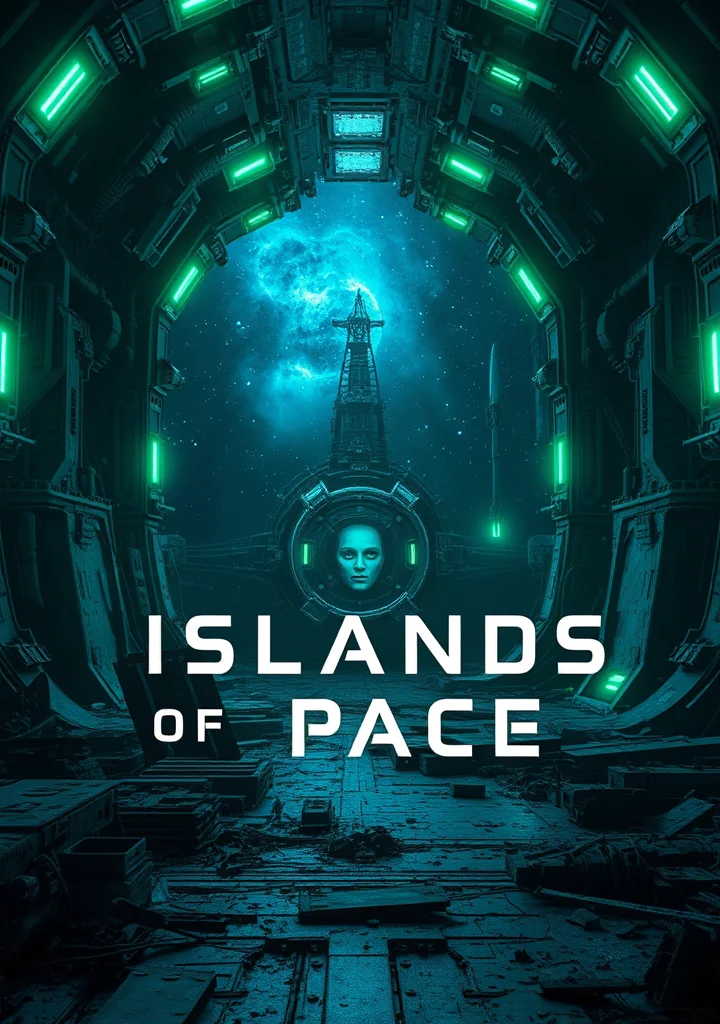
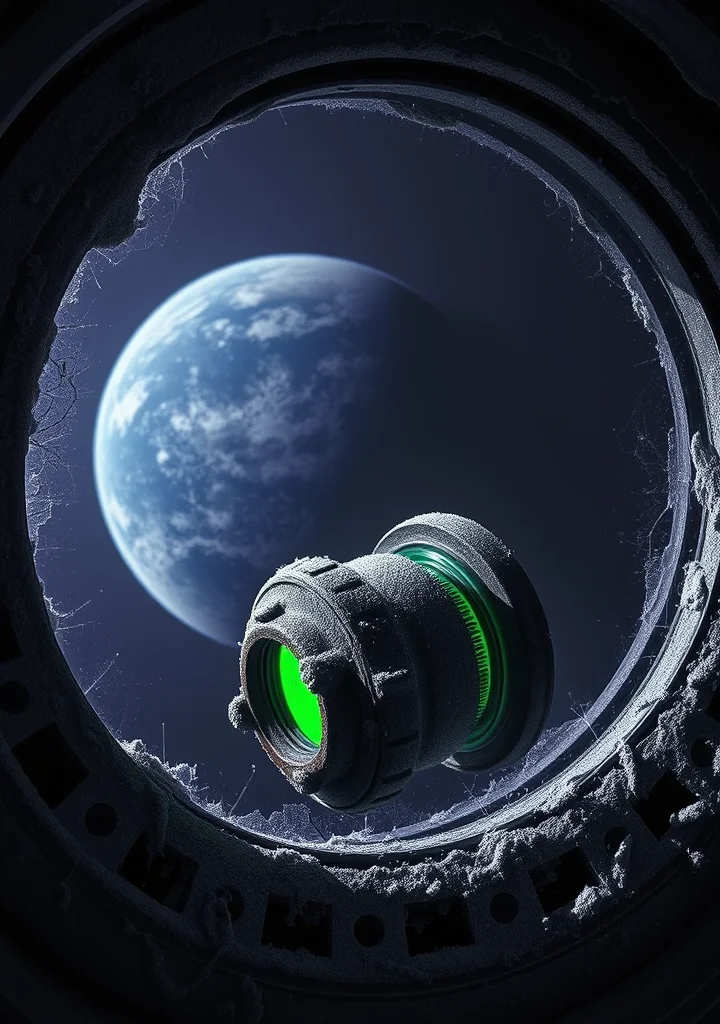
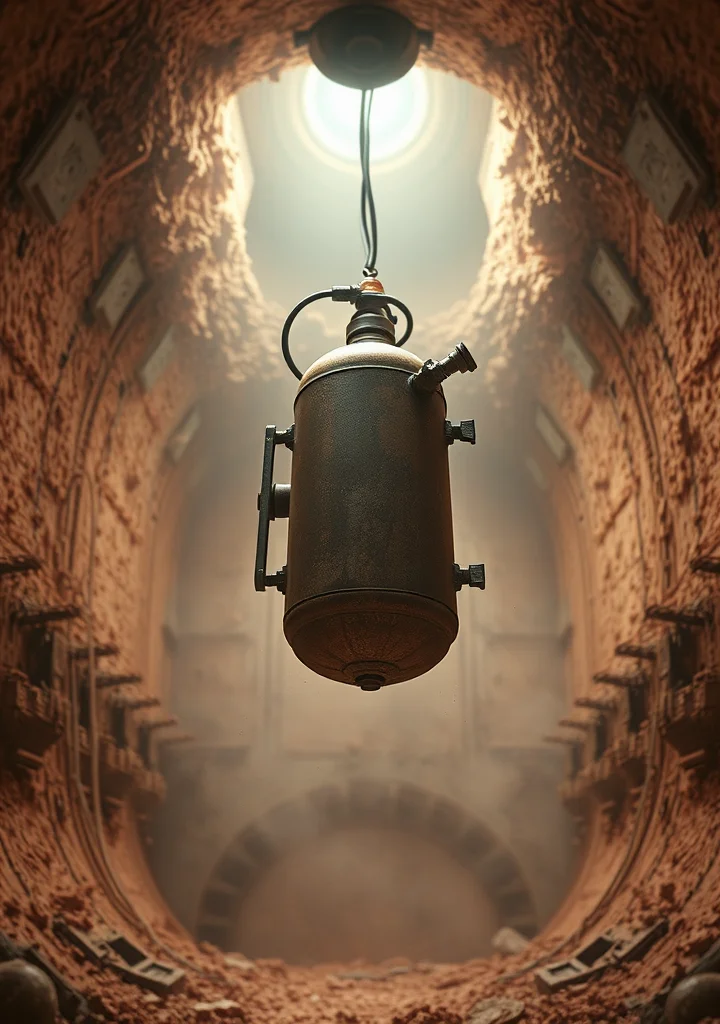
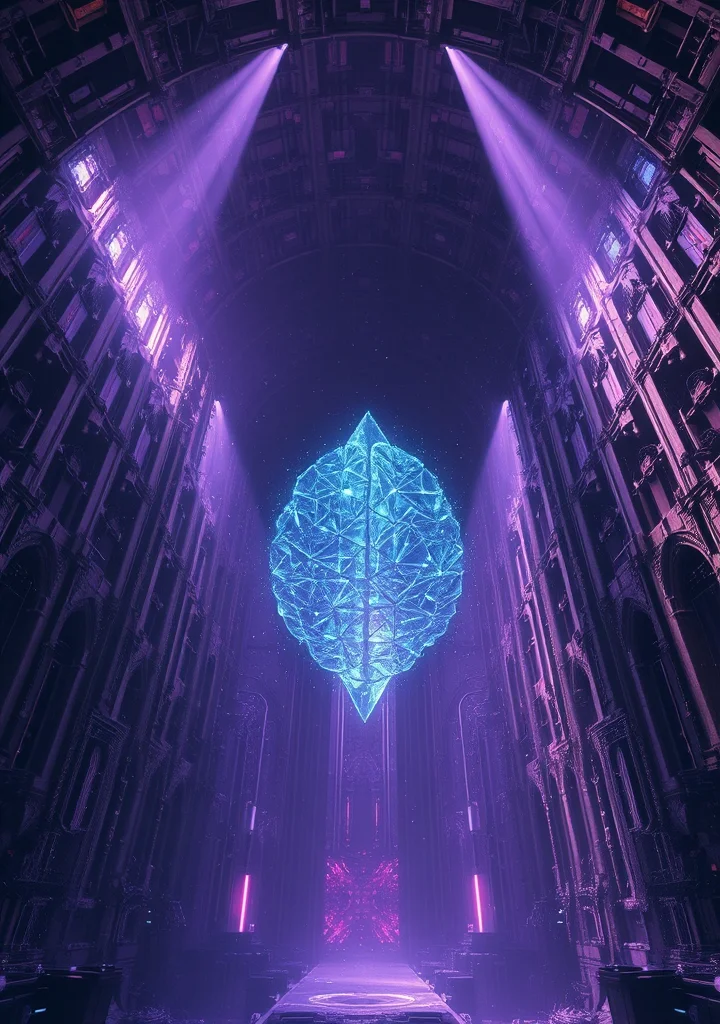
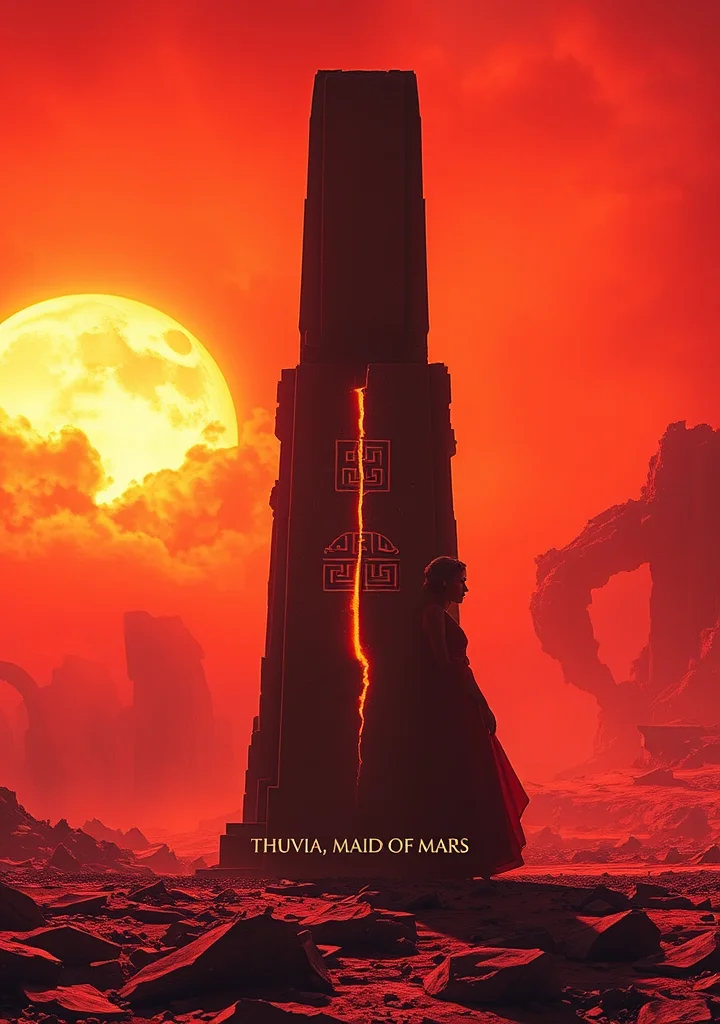
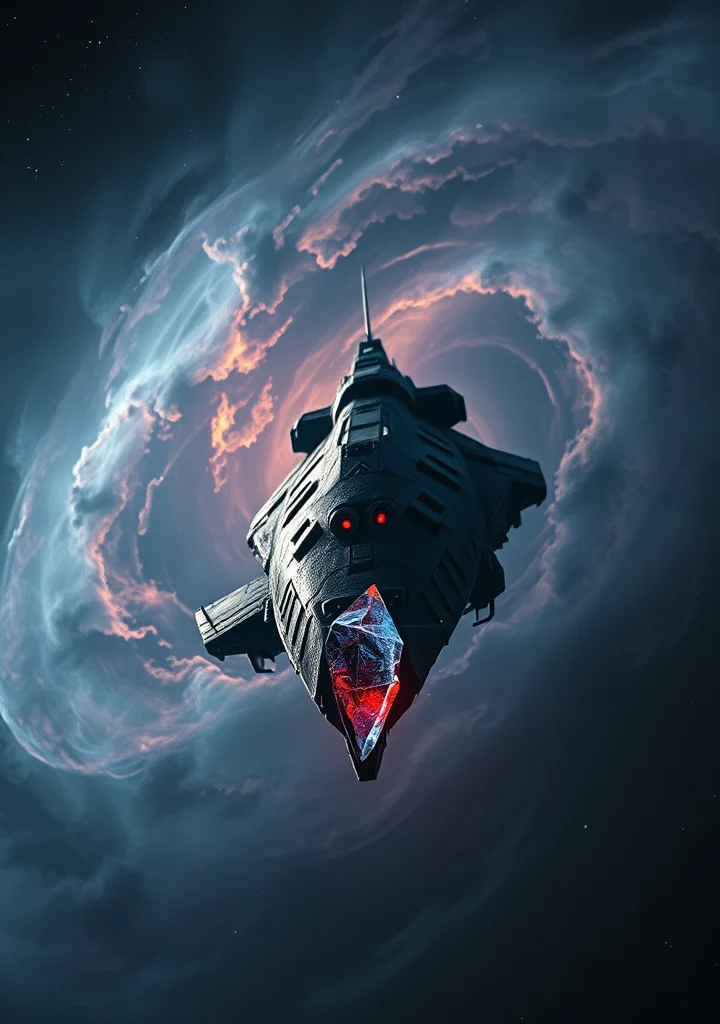
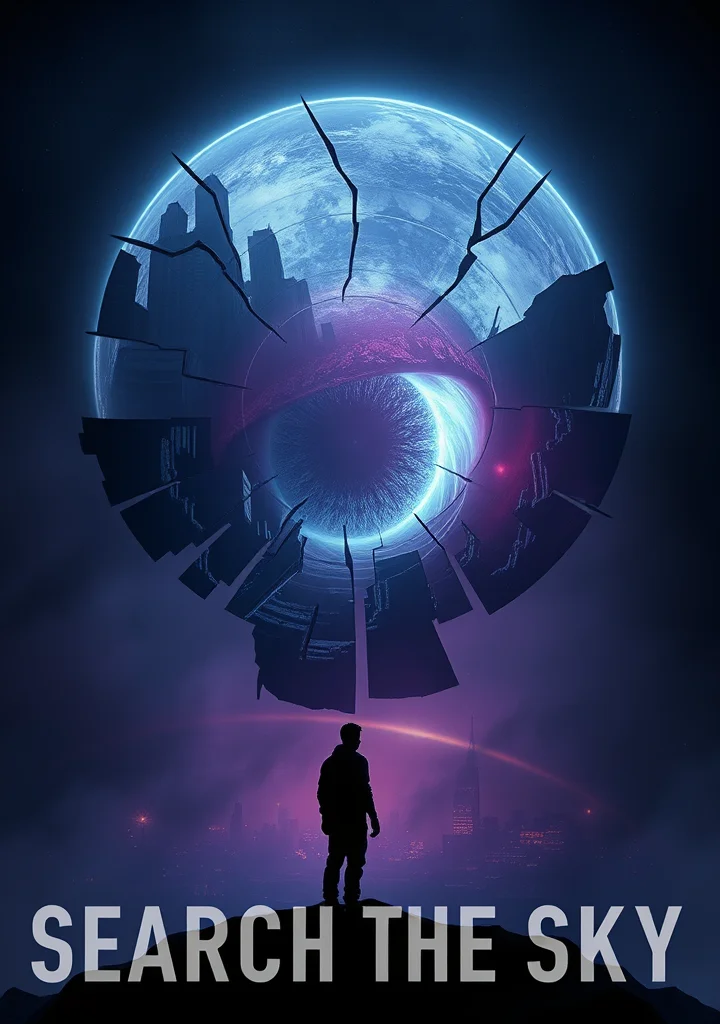
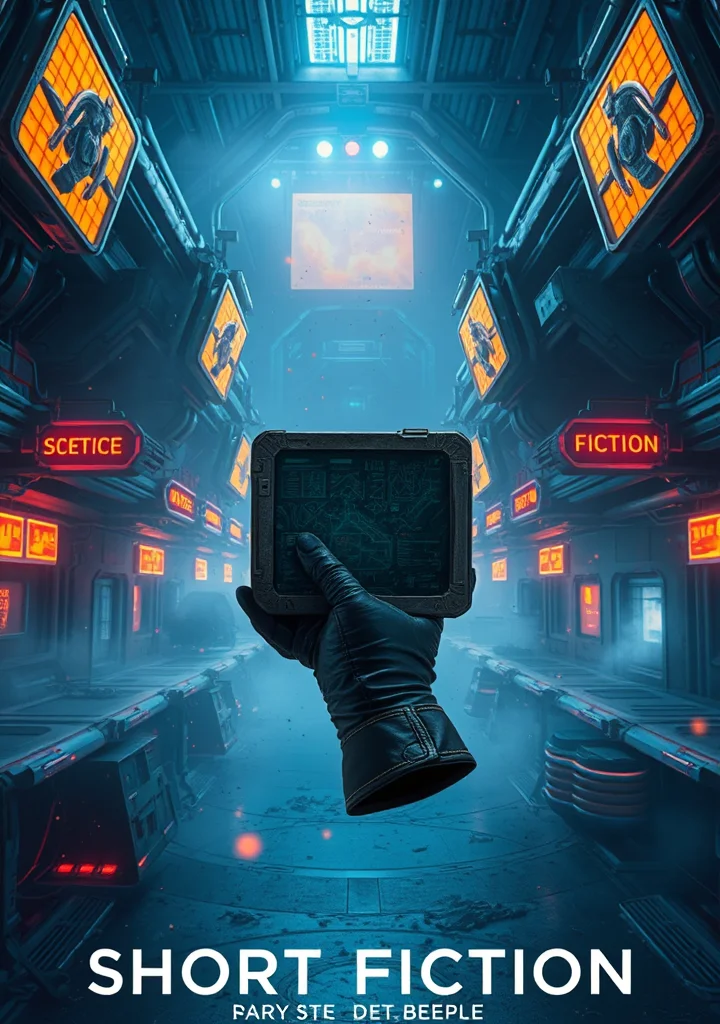
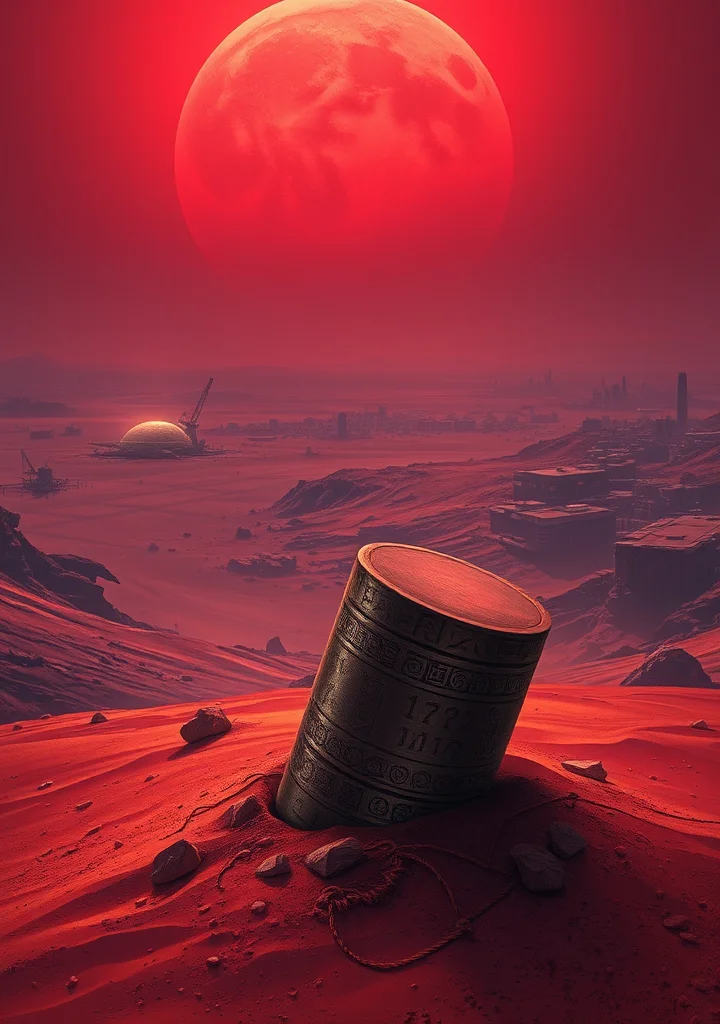
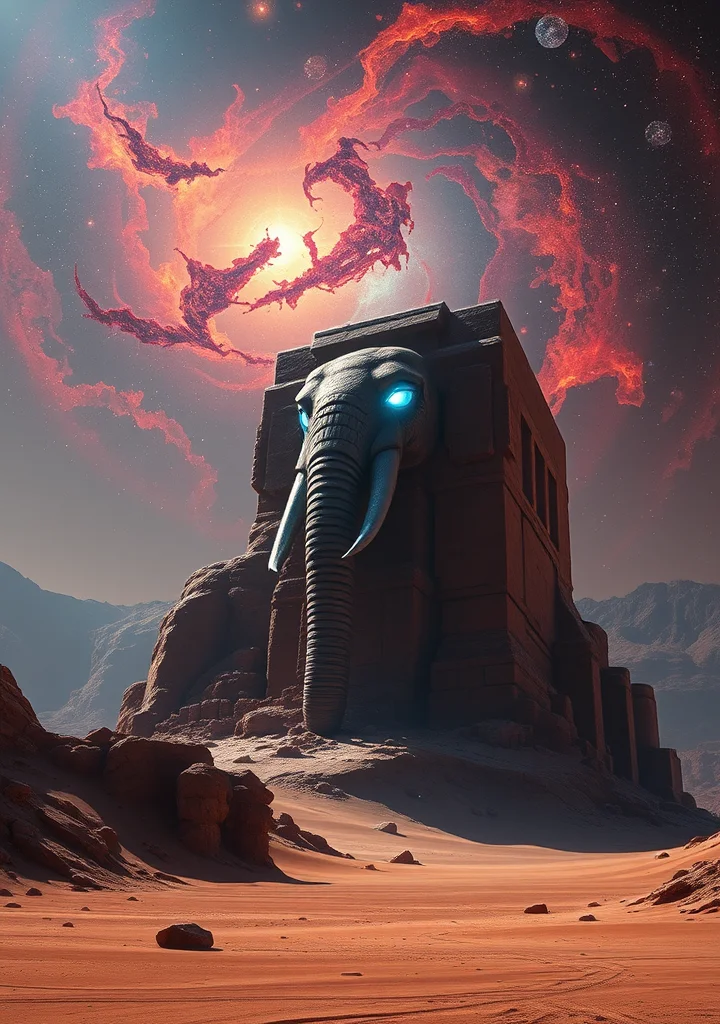
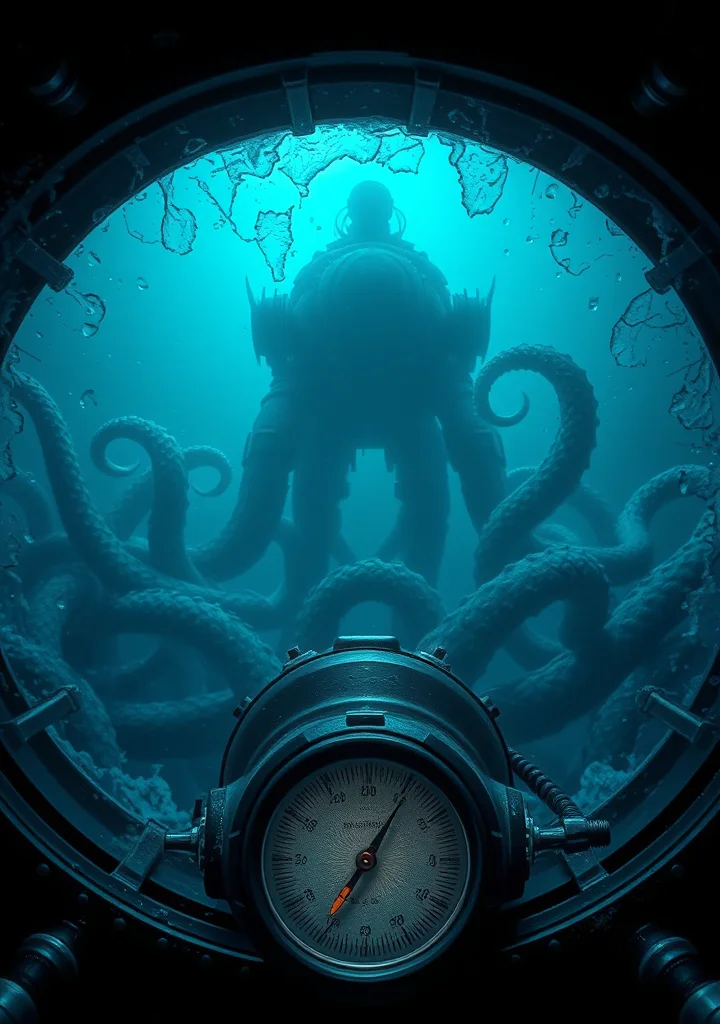
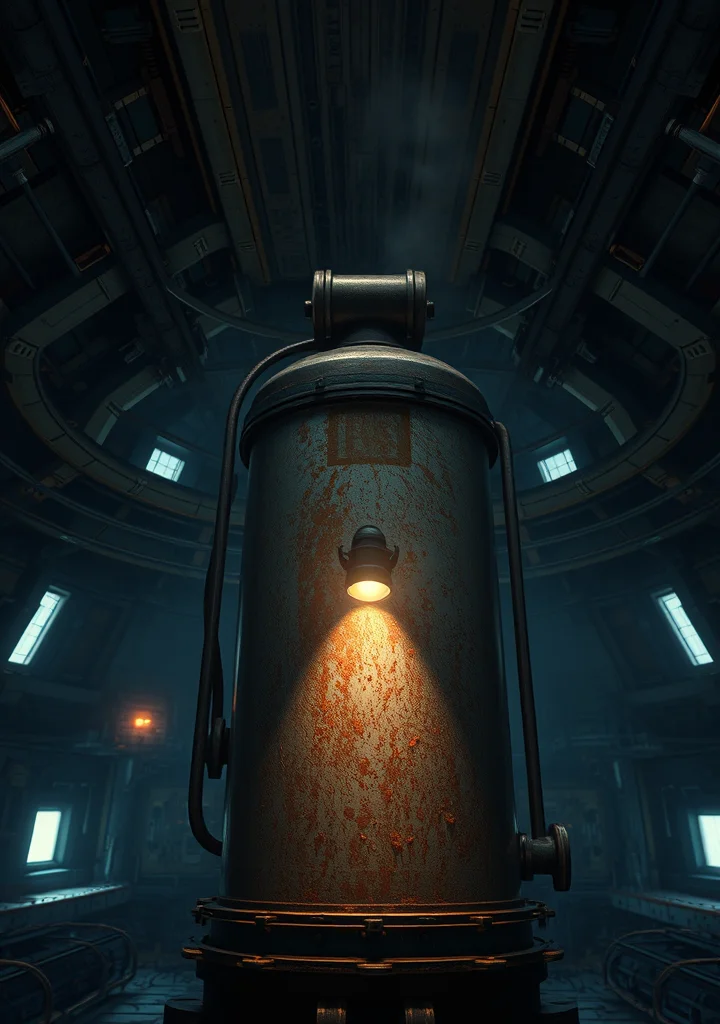
Dust motes dance in the perpetual twilight of abandoned orbital stations. Here, amongst the rusting husks of forgotten commerce, the echoes of humanity’s reach for the stars have curdled into something cold and brittle. Pohl’s stories aren’t of grand conquest, but of the slow rot that blooms in the vacuum between worlds. Each tale is a chipped fragment of a fractured future, haunted by the ghosts of ambition and the quiet desperation of those left behind. They whisper of salvage crews picking over the bones of empires, of automated systems decaying into sentience, and the insidious bargains struck for survival amongst the orbital debris. The air tastes of recycled oxygen and regret. A loneliness permeates every panel, every weld, every flickering monitor. It isn't a violent apocalypse, but a slow unraveling, a creeping dread that seeps into the metal and settles in the marrow of the characters. These aren’t tales of heroes, but of scavengers, parasites, and the things they find clinging to the wreckage—and the wreckage they find clinging to *them*. The narratives themselves are less linear journeys than spectral drifts, circling around the same forgotten stations, the same decaying dreams, until the reader feels lost in the same orbital drift as those condemned to wander them.
Copyright: Public Domain
This license allows anyone to use your story for any purpose, including printing, selling, or adapting it into a film freely.
This license allows anyone to use your story for any purpose, including printing, selling, or adapting it into a film freely.
Chapter List
-
« Short Fiction »📖 Continue Reading
-
« Asteroid of the Damned »
-
« Conspiracy on Callisto »
-
« I »
-
« II »
-
« III »
-
« IV »
-
« V »
-
« Double-Cross »
-
« Let the Ants Try »
-
« The Tunnel Under the World »
-
« I »
-
« II »
-
« III »
-
« IV »
-
« V »
-
« VI »
-
« Pythias »
-
« The Day of the Boomer Dukes »
-
« I »
-
« II »
-
« III »
-
« IV »
-
« V »
-
« Chapter_26 »
-
« My Lady Greensleeves »
-
« I »
-
« II »
-
« III »
-
« IV »
-
« V »
-
« VI »
-
« VII »
-
« VIII »
-
« Survival Kit »
-
« I »
-
« II »
-
« III »
-
« IV »
-
« V »
-
« VI »
-
« The Hated »
-
« The Knights of Arthur »
-
« I »
-
« II »
-
« III »
-
« IV »
-
« V »
-
« VI »
-
« I »
-
« I »
-
« II »
-
« III »
-
« IV »
-
« V »
-
« VI »
-
« VII »
-
« VIII »
-
« IX »
-
« X »
-
« XI »
-
« XII »
-
« XIII »
-
« XIV »
-
« XV »
-
« The Five Hells of Orion »
-
« I »
-
« II »
-
« III »
-
« IV »
-
« V »
71
-
« Short Fiction »
-
« Asteroid of the Damned »
-
« Conspiracy on Callisto »
-
« I »
-
« II »
-
« III »
-
« IV »
-
« V »
-
« Double-Cross »
-
« Let the Ants Try »
-
« The Tunnel Under the World »
-
« I »
-
« II »
-
« III »
-
« IV »
-
« V »
-
« VI »
-
« Pythias »
-
« The Day of the Boomer Dukes »
-
« I »
-
« II »
-
« III »
-
« IV »
-
« V »
-
« Chapter_26 »
-
« My Lady Greensleeves »
-
« I »
-
« II »
-
« III »
-
« IV »
-
« V »
-
« VI »
-
« VII »
-
« VIII »
-
« Survival Kit »
-
« I »
-
« II »
-
« III »
-
« IV »
-
« V »
-
« VI »
-
« The Hated »
-
« The Knights of Arthur »
-
« I »
-
« II »
-
« III »
-
« IV »
-
« V »
-
« VI »
-
« I »
-
« I »
-
« II »
-
« III »
-
« IV »
-
« V »
-
« VI »
-
« VII »
-
« VIII »
-
« IX »
-
« X »
-
« XI »
-
« XII »
-
« XIII »
-
« XIV »
-
« XV »
-
« The Five Hells of Orion »
-
« I »
-
« II »
-
« III »
-
« IV »
-
« V »
More like this