
-
Read 176
-
0
-
Part 6
Completed, First published Mar 02, 2026
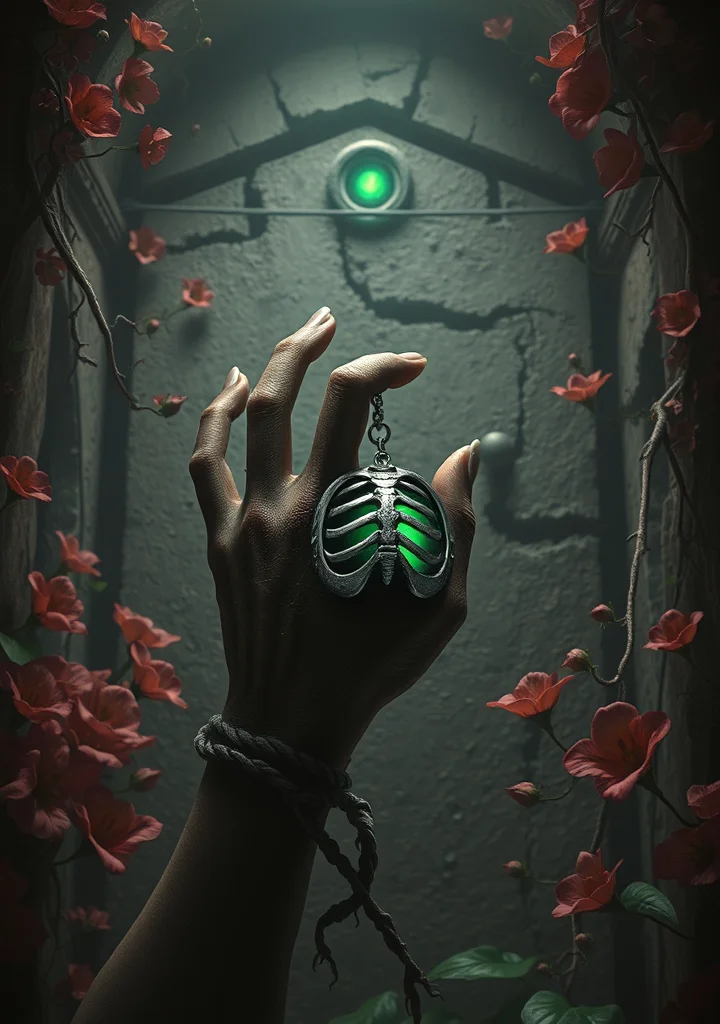
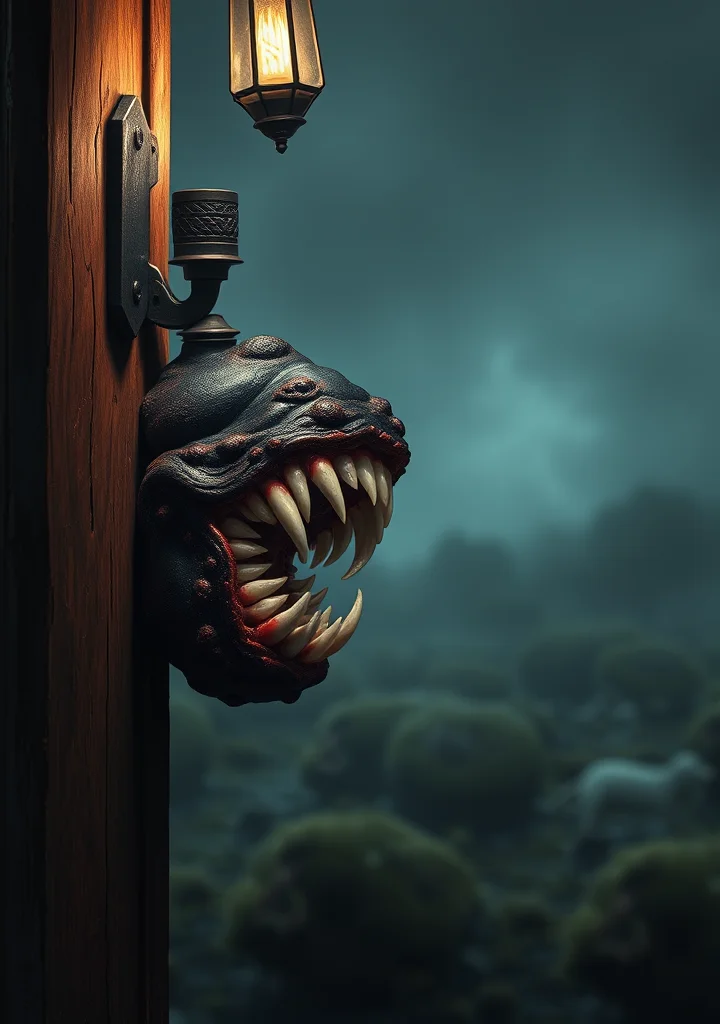
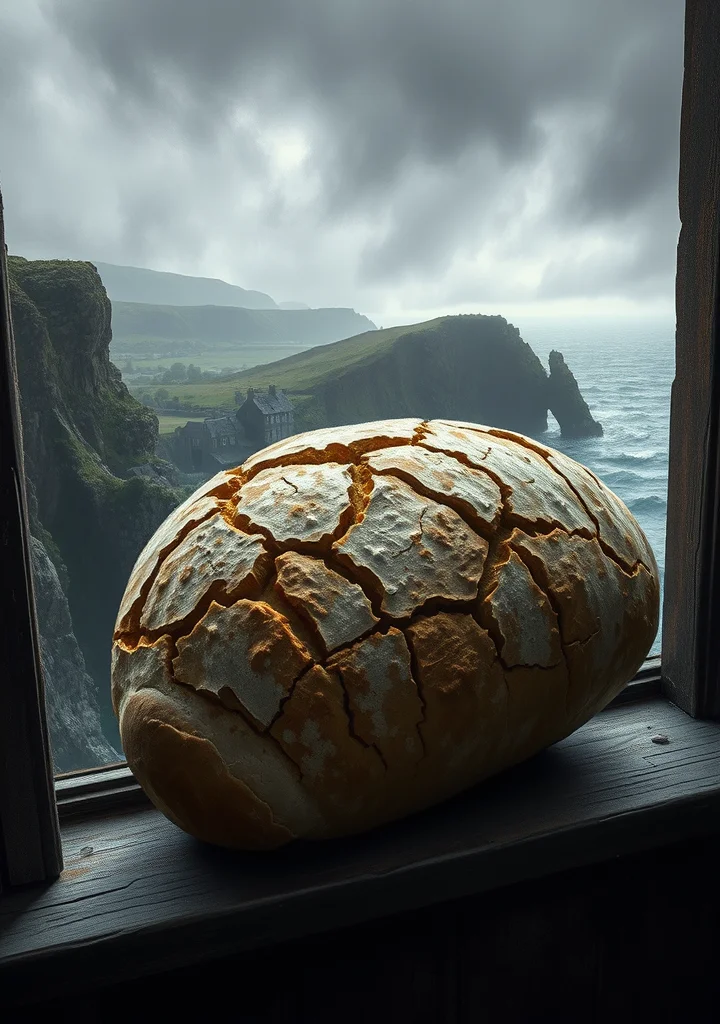
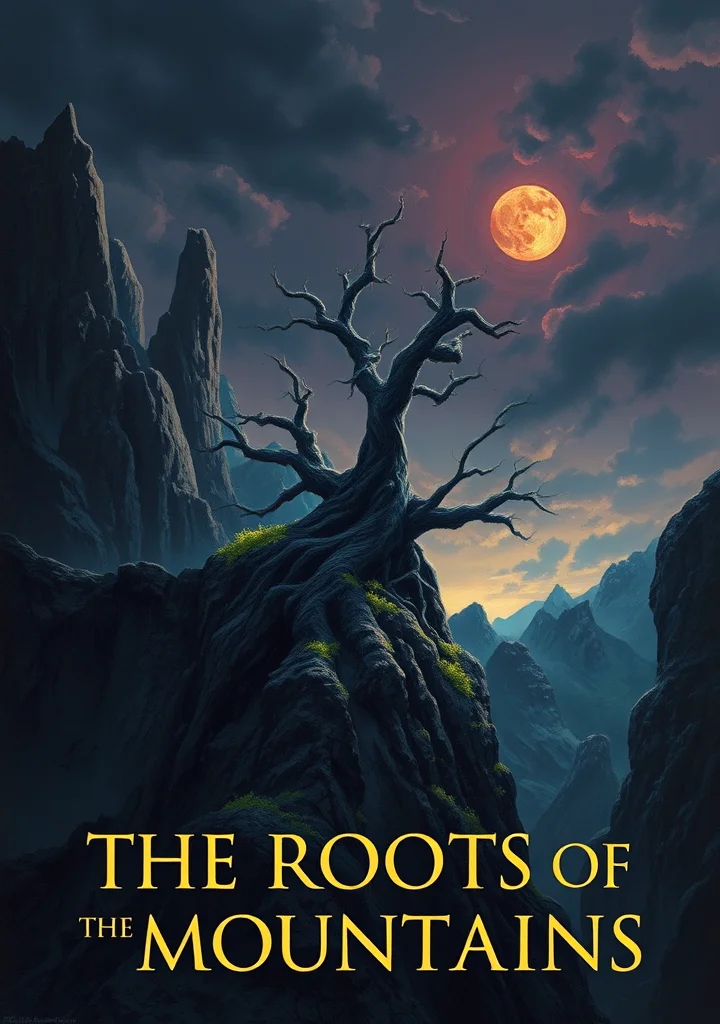
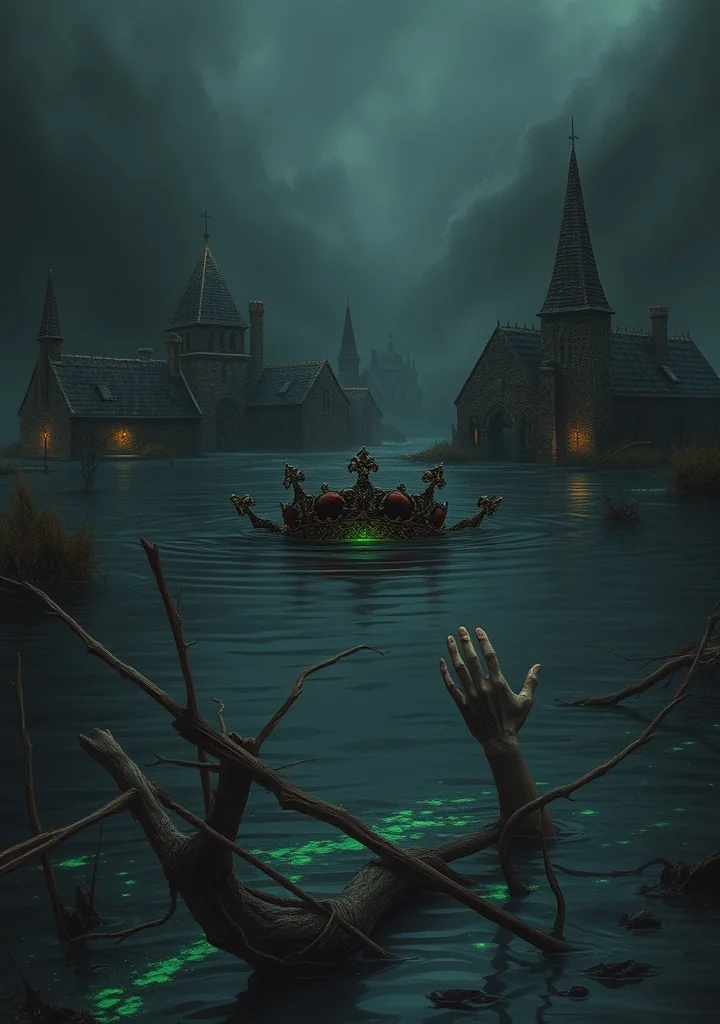
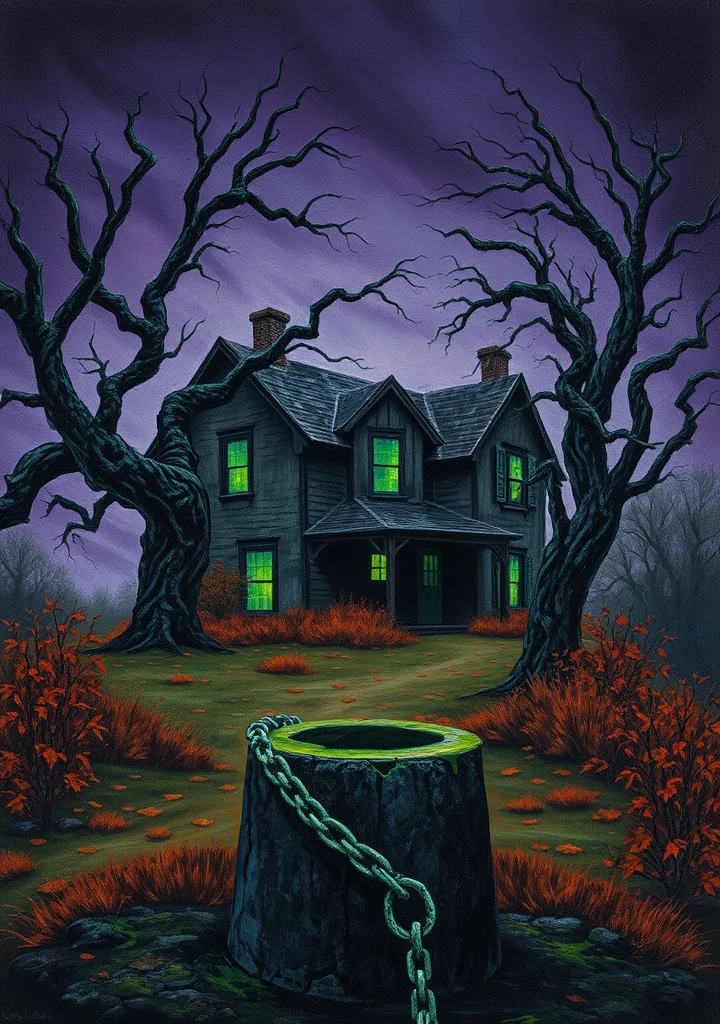
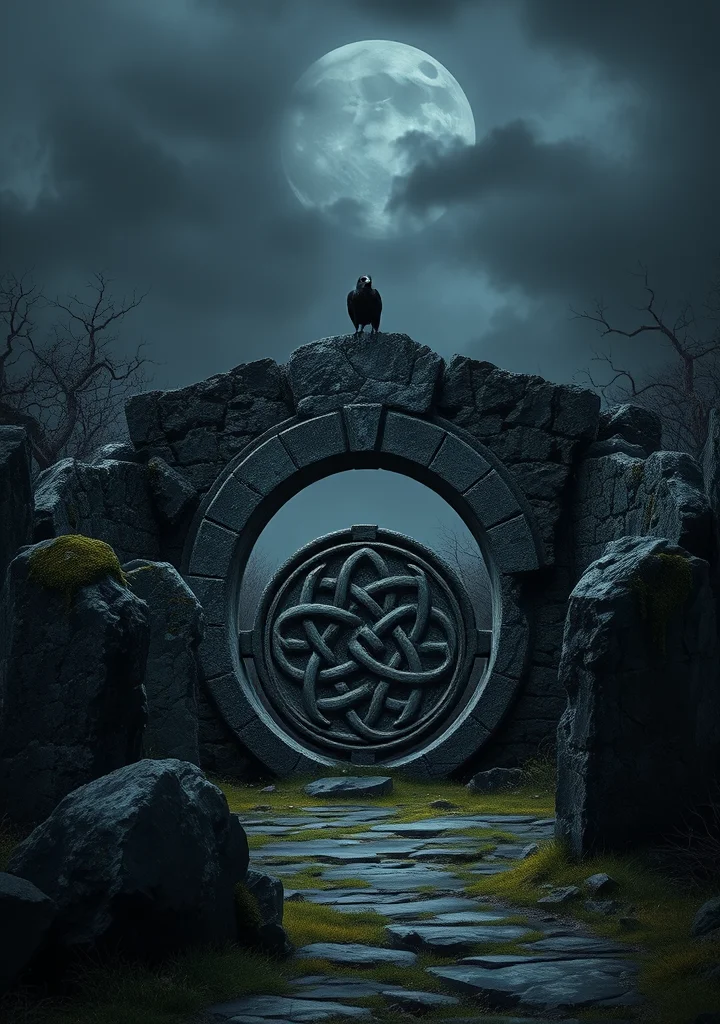
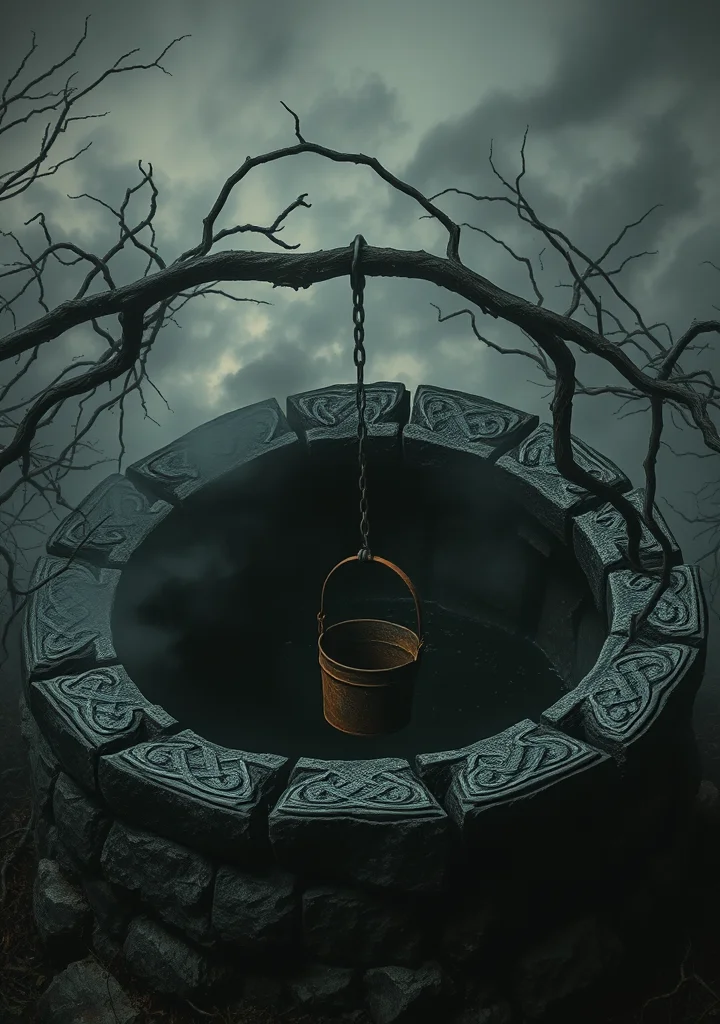
A creeping dread clings to the boglands of Ireland, mirroring the rot within the decaying faith. Synge’s narrative unfolds like a peat fire smoldering under ash – slow, suffocating, and laced with the scent of damp earth and ancient stones. The well itself is not merely a source of water, but a hollowed-out echo of forgotten gods, where the villagers offer their desperation and receive only a hollower silence in return. Each character is sculpted from the same grey clay as the landscape, haunted by ancestral sins and the weight of a history they can neither escape nor comprehend. The air hangs thick with the whispers of drowned saints, their blessings twisted into curses that seep into the very soil. A claustrophobic despair coils around the crumbling chapel, its shadows lengthening with each passing hour, swallowing the hope of those who seek solace within. The well doesn’t grant miracles; it extracts pieces of the soul, leaving behind only the skeletal remains of piety and the echoing grief of a land consumed by its own ghosts. It is a place where the boundaries between the sacred and profane blur, and where the only certainty is the slow, inexorable descent into oblivion.
Copyright: Public Domain
This license allows anyone to use your story for any purpose, including printing, selling, or adapting it into a film freely.
This license allows anyone to use your story for any purpose, including printing, selling, or adapting it into a film freely.
More like this