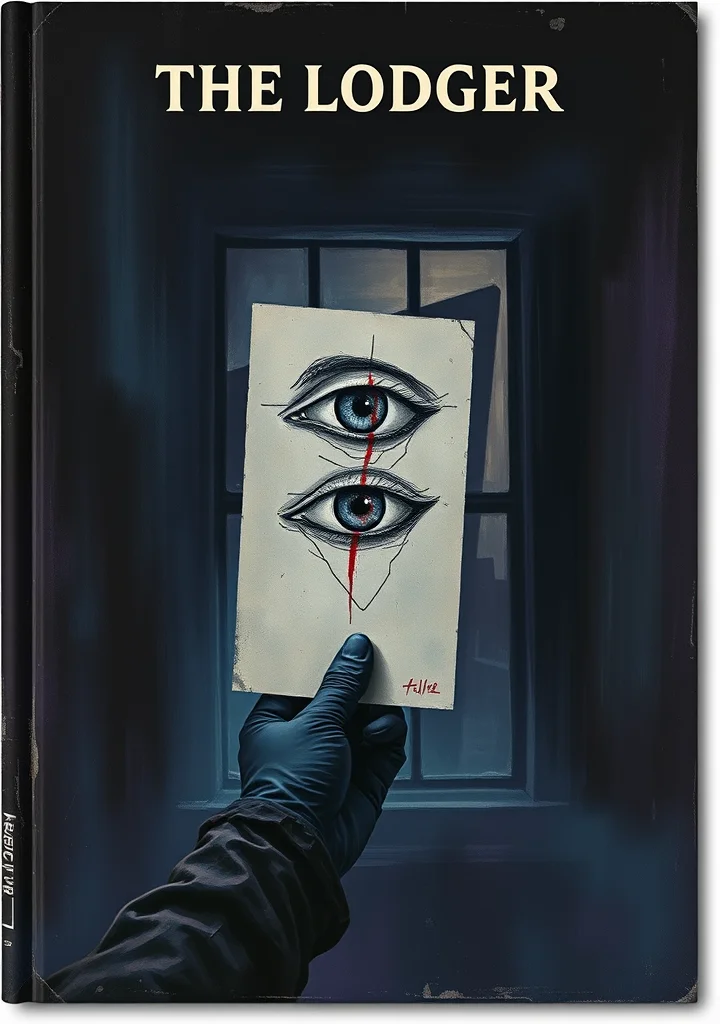

The Lodger
  • 163
  • 0
  • 29
  • Reads 163
  • 0
  • Part 29
Completed, First published Mar 02, 2026

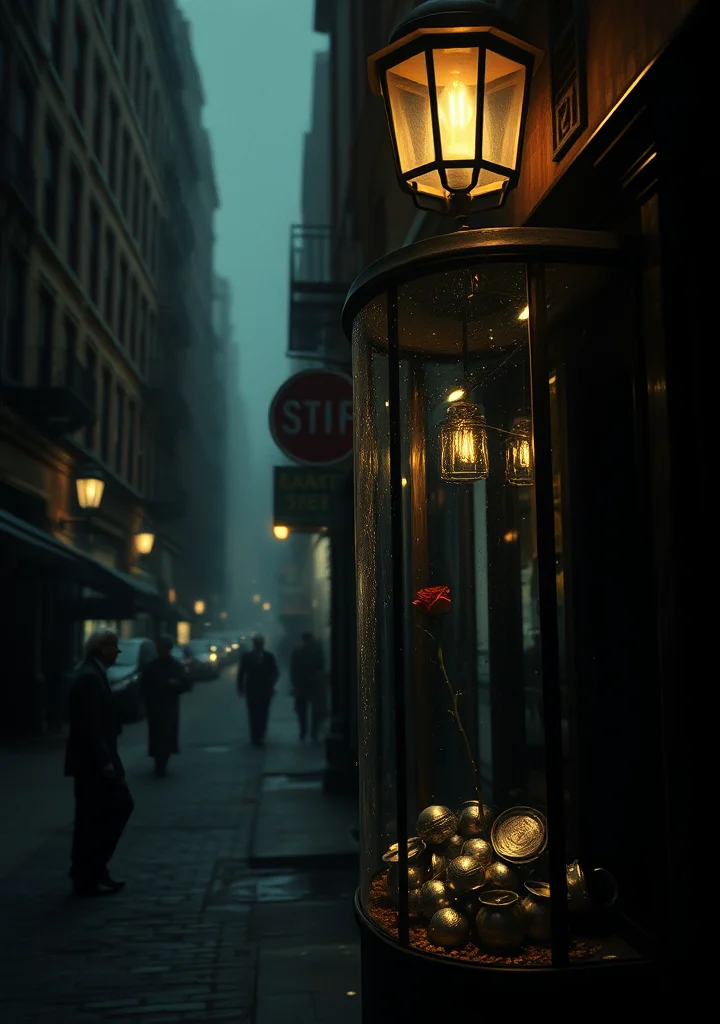
A creeping dread clings to the shadowed streets of Victorian London, where a chilling rumour whispers through the respectable boarding house of Mrs. Paton. The Lodger, a man of precise habits and unsettling composure, arrives under a veil of secrecy, offering an exorbitant sum for a room overlooking the gaslit alleyways. His nights are spent meticulously sketching, his presence radiating a cold, unsettling energy that seeps into the very walls. As a series of brutal murders terrorize the city, mirroring the gruesome details meticulously rendered in the Lodger’s drawings, a suffocating paranoia descends. Is he a harmless eccentric, consumed by morbid fascination? Or does his quiet diligence conceal a monstrous complicity? The air thickens with suspicion, the scent of fear mingling with the coal smoke and damp London fog. Every creak of the floorboards, every flicker of gaslight, becomes a harbinger of terror. The narrative unfolds not with screams and gore, but with a slow, agonizing unraveling of nerves, a descent into the abyss of conjecture, where the line between observer and perpetrator blurs in the suffocating darkness. The true horror lies not in what is seen, but in what is suspected, in the suffocating dread of a mind unraveling under the weight of suspicion and the chilling possibility that the monster walks among them, unseen, unheard, yet relentlessly sketching his dark designs.
Copyright: Public Domain
This license allows anyone to use your story for any purpose, including printing, selling, or adapting it into a film freely.
Recommended for you
30 Part
A creeping dread clings to the crumbling chateau of Orcival, where shadows dance with secrets and the scent of decay permeates every stone. The narrative unfolds like a slow unraveling, a tapestry woven with whispers of madness and the weight of ancestral sins. Fog-choked valleys conceal not only the estate, but a legacy of betrayal that festers within the bloodline of the de Orcival family. Each room breathes with the ghosts of forgotten tragedies, the air thick with the suffocating loneliness of its sole inhabitant, the enigmatic marquis. The story is not one of swift action, but of insidious unraveling, of a mind fractured by isolation and haunted by a past it can no longer comprehend. Sunlight seems to recoil from Orcival’s walls, replaced by a perpetual twilight that mirrors the marquis’s descent into a labyrinth of delusion. Witnesses are scarce, and those who venture near the estate do so under the pallid glow of a waning moon, their testimony fragmented and laced with the chilling certainty of witnessing something utterly…wrong. The true mystery isn't a single crime, but the suffocating atmosphere itself—a suffocating dread that clings to the reader like cobwebs, leaving one questioning whether the horror resides within the chateau, or within the very heart of the man who dwells within. It is a story steeped in the gothic tradition, where the architecture itself is a character, and every shadow holds a piece of a fragmented truth.
77 Part
A creeping fog clings to the shores of Penguin Island, a land born not of earth but of the icy breath of the North Atlantic. The narrative drifts like wreckage on a grey sea, charting the history of a colony of penguins who, through a perverse twist of evolution and the dubious guidance of a shipwrecked priest, claim lineage from the ancient Celts. It’s a history soaked in brine and shadowed by the perpetual twilight of the Southern Ocean. The island itself is a crumbling monastery of stone and feather, where the penguin-priests chant in echoing caves, their rituals laced with a melancholic, avian piety. The air hangs heavy with the scent of fish and decay, a constant reminder of the island’s isolation. Each chapter unravels like a barnacle encrusting a forgotten hull, revealing a world where theological debate is punctuated by the screech of gulls and the mournful cry of the wind. A slow, deliberate rot pervades the narrative; the crumbling faith, the decaying structures, the very bodies of the penguins themselves seem destined to dissolve back into the churning, unforgiving sea. There’s a pervasive sense of the absurd, a mocking grandeur that clings to the story like seaweed to a drowned man’s limbs. It’s a gothic fable woven from salt spray, philosophical despair, and the unsettling, uncanny gaze of creatures forever poised between heaven and the icy abyss. The island doesn’t yield to understanding, it *consumes* it, leaving only a chill and the whisper of wings in the perpetual fog.