
The Head of Kay’s
  • 183
  • 0
  • 25
  • Reads 183
  • 0
  • Part 25
Completed, First published Mar 02, 2026

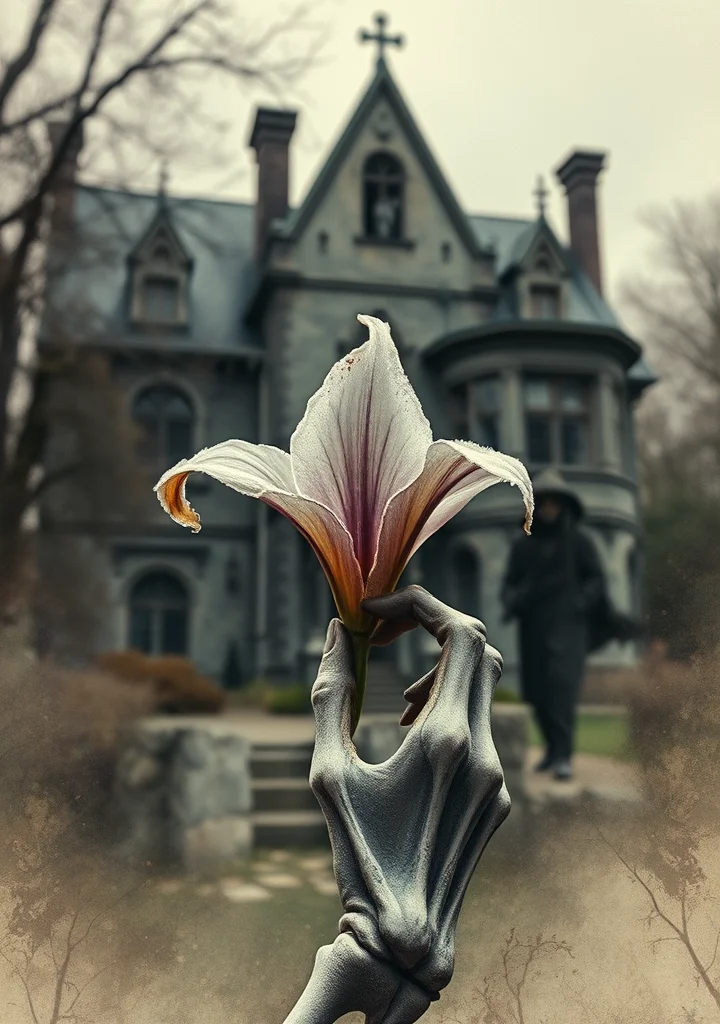
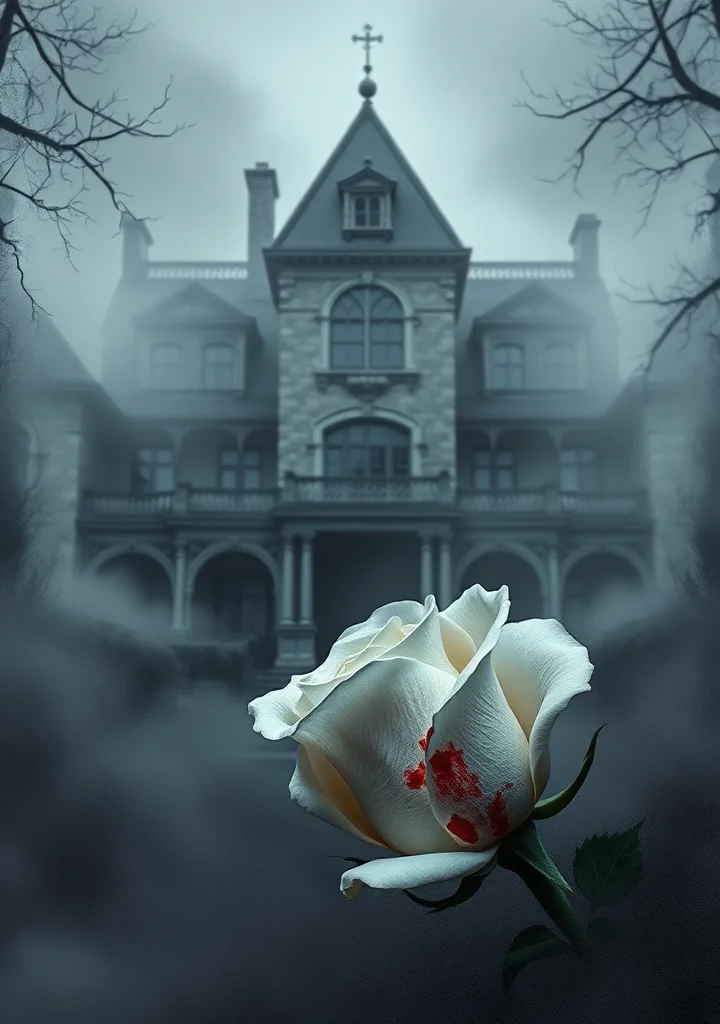
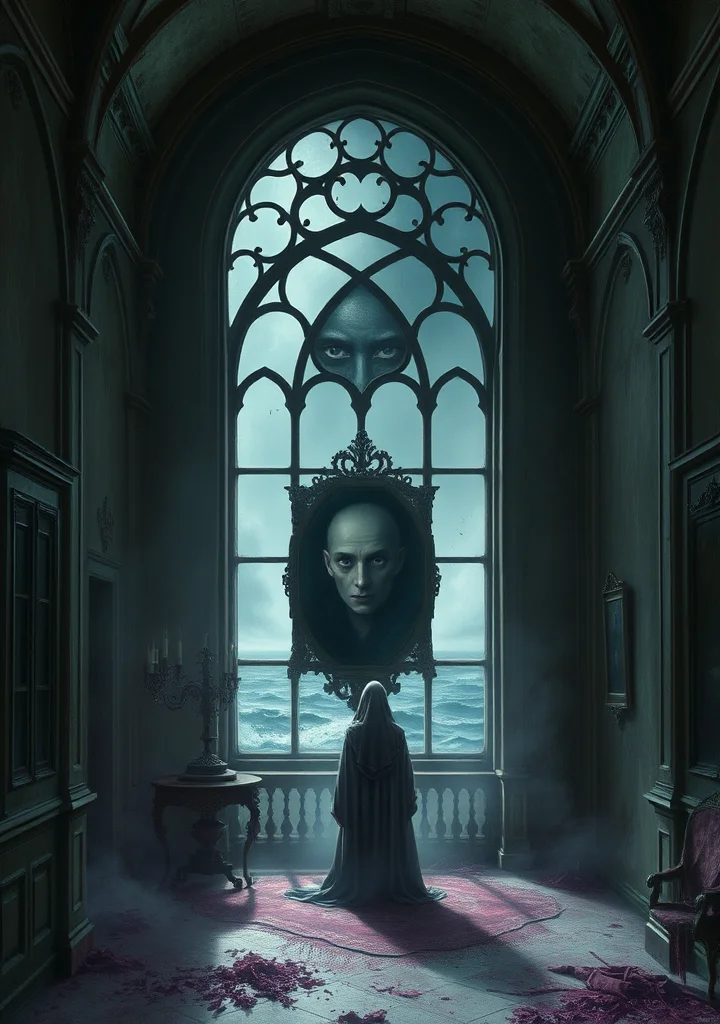
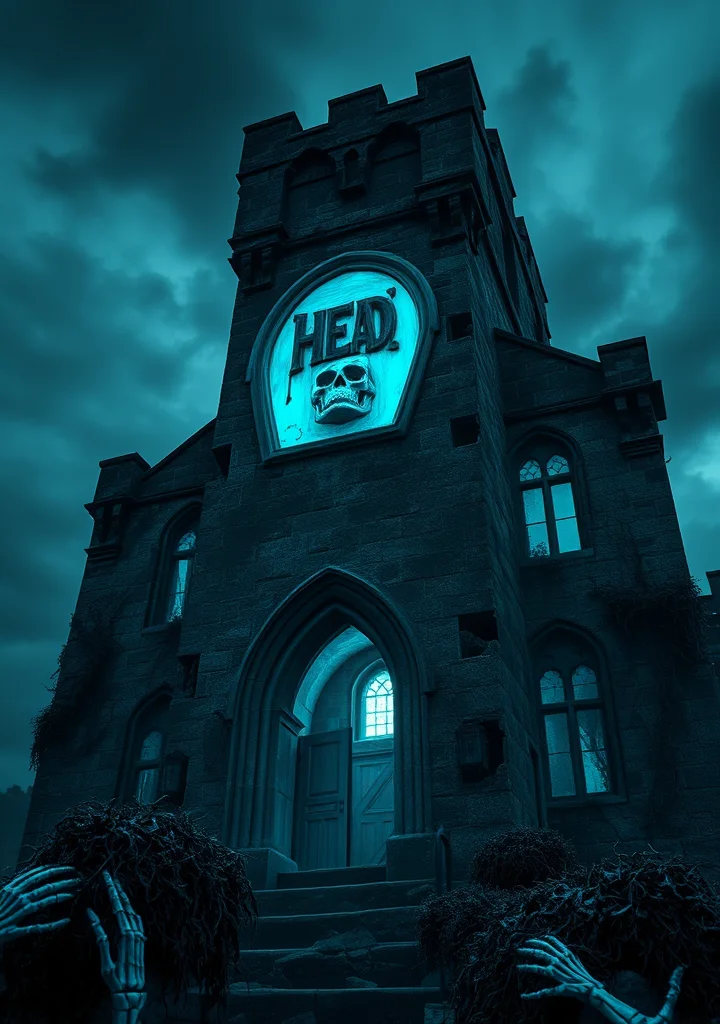
A creeping dread clings to the shadowed corners of Kay’s, a crumbling manor house where the scent of brine and decay mingle with the brittle laughter of forgotten things. Not the boisterous, sun-drenched world Wodehouse usually paints, but one submerged in perpetual twilight, where the sea gnaws at the foundations of sanity. The head, you see, is not a person, but a relic – a grotesque carving found wedged within the manor’s oldest tower, radiating a cold, insidious influence. The narrative unravels like seaweed on a corpse, choked with whispers of familial curses and the slow, suffocating weight of generations past. A young man, drawn to Kay’s by a dubious inheritance, finds himself trapped not by obligation, but by the house itself, its stone heart beating with a rhythm of madness. Fog rolls in with the tide, bringing with it fragmented memories, the ghosts of those who came before, and a chilling conviction that the head isn’t merely *found*, but *called* – summoned by a ritual of desperation, a pact made with something ancient and hungry in the depths. The rooms breathe with a suffocating stillness, each antique object a witness to a slow, unraveling horror. The air itself tastes of salt and regret. Even the sunlight, when it dares to pierce the gloom, feels tainted, reflecting off polished wood like the glint of teeth. A subtle rot pervades everything, a sense that the manor is not simply decaying, but actively *consuming* those who dare to linger within its walls, drawing them down into the suffocating darkness at the heart of Kay’s. The story is one of unraveling sanity, of a lineage haunted by its own desperate acts, and a growing, unbearable fear that the head isn't merely an object, but a gateway to something utterly, irrevocably lost.
Copyright: Public Domain
This license allows anyone to use your story for any purpose, including printing, selling, or adapting it into a film freely.
Recommended for you
28 Part
Dust motes dance in the shadowed halls of Sagamore Hill, a spectral presence clinging to the very timbers. This is not a tale of triumph, but of haunted ambition, a self-reckoning etched in the marrow of a man who wrestled beasts both within and without. Roosevelt’s chronicle unfolds like a fever dream—a wilderness of boyhood grief, a frontier of grief-stricken manhood, and the chilling precision of a hunter’s gaze turned inward. The narrative breathes with the scent of damp earth and the musk of dead game, echoing with the cries of vanished buffalo and the hollow resonance of loss. Each chapter is a shadowed room in a sprawling estate, filled with the stuffed trophies of conquered demons and the ghosts of those he left bleeding in the wilderness of his own making. He charts his life as a landscape of perpetual struggle, where the wilderness isn’t merely terrain, but a reflection of his own volatile heart. The sun-drenched plains become a canvas for the shadow play of his grief; his political battles, a war waged within the confines of his own restless spirit. The prose itself is a brittle, bone-dry thing—a meticulous inventory of wounds, both inflicted and endured. This autobiography isn’t a celebration of fortitude, but a chilling testament to the cost of it—a portrait of a man forever haunted by the specters of his own relentless drive, and the wild, untamed country that birthed it. The very pages seem to exhale the cold air of a shadowed study, where a man, even in recounting his victories, confesses to the solitude of his own magnificent, terrible dominion.
31 Part
A creeping fog clings to the cobbled streets of Windsor, thick with whispers of discontent and shadowed desires. Though laughter rings from the alehouses, it’s a brittle sound, echoing off the damp stone walls of houses where secrets fester like rot beneath floorboards. Mistress Page and Mistress Ford, pillars of their small society, find their lives curdled by a cunning malice – a desperate, disguised man, fueled by wounded pride and fueled by envy. The air smells of woodsmoke and simmering resentment, and the scent of roses in their gardens is tainted by the thorns of suspicion. The play unfolds not as merriment, but as a tightening snare. Every jest feels laced with threat, every shared confidence a potential betrayal. Sunlight feels weak and sickly, unable to penetrate the gloom that clings to the characters, mirroring the darkness within their hearts. The forest surrounding Windsor becomes a labyrinth of anxieties, where the shadows dance with the phantom of a cuckolded husband, driven to madness by the possibility of deceit. Even the fool's antics feel edged with desperation, mirroring the frantic attempts to keep a crumbling facade of respectability intact. The play is a slow suffocation under the weight of societal expectation, where the merriment is a desperate, feverish attempt to ward off a lurking dread. It's a world where a stolen glance, a whispered word, can unravel lives and leave only the hollow echo of broken trust.
30 Part
A creeping dread clings to the damp stone of Blackwood Manor, where whispers of a forgotten inheritance and a family fractured by shadow weave through the halls. The narrative unfolds not as a grand spectacle, but as a slow unraveling, a descent into the suffocating secrets held within a provincial life. Old man Harwood, a man of routine and quiet despair, finds himself unwillingly entangled in the affairs of others—a vanished solicitor, a resentful ward, and a legacy stained with avarice. The air is thick with the scent of decaying roses and unshed tears. Each chapter feels like a turning of a key in a rusted lock, revealing another shadowed alcove in the manor’s heart. It isn't the horror of what *happens*, but the suffocating weight of what is *known*—the stifled resentments, the furtive glances, the unspoken accusations that fester within the household. The story is told in fragments, overheard conversations and half-remembered incidents, mirroring the fractured memories of those caught within the manor's orbit. Rain lashes against the windows, mirroring the tempest brewing within Harwood’s breast. The middle of things, he comes to realize, is not a position of neutrality, but a vortex—a point where all the dark currents converge. The ending isn't a resolution, but a settling of dust on the things that were always there, waiting for the shadows to lengthen and claim their due. A quiet, insidious despair permeates the pages, leaving the reader with the chilling sensation of being watched from the darkened corners of Blackwood Manor long after the book is closed.
11 Part
A suffocating dread clings to the stone of Otranto, a castle steeped in ancient prophecy and shadowed by generations of ambition. Within its echoing halls, the weight of a forgotten lineage presses down, manifested in the monstrous size of a helmet descending from unseen heights, crushing a son on his wedding day. The air itself is thick with superstition—portents bleed from decaying tapestries, and the very architecture seems to conspire against the living. A labyrinthine network of secret passages, crumbling vaults, and forgotten chambers breathes with the ghosts of tyrannical ancestors. The narrative unravels amidst flickering candlelight, revealing a lineage cursed by a dark inheritance—a claim to power purchased with blood and sealed by generations of unlawful deeds. The castle is not merely a structure, but a prison woven from despair. Its chambers are haunted by whispers of stolen birthrights, and the scent of decay permeates every stone. A creeping claustrophobia descends as the characters become puppets in a drama dictated by ancient scrolls and the machinations of a relentless, consuming fate. The shadows lengthen with each revelation, revealing a world where the boundaries between the living and the dead blur, and where the foundations of sanity crumble beneath the weight of ancestral sin. The narrative coils tighter, drawing the reader into a suffocating darkness where every breath is shadowed by the promise of violence and the chilling inevitability of the past returning to claim its due.