
Death Comes for the Archbishop
  • 169
  • 0
  • 45
  • Reads 169
  • 0
  • Part 45
Completed, First published Mar 02, 2026

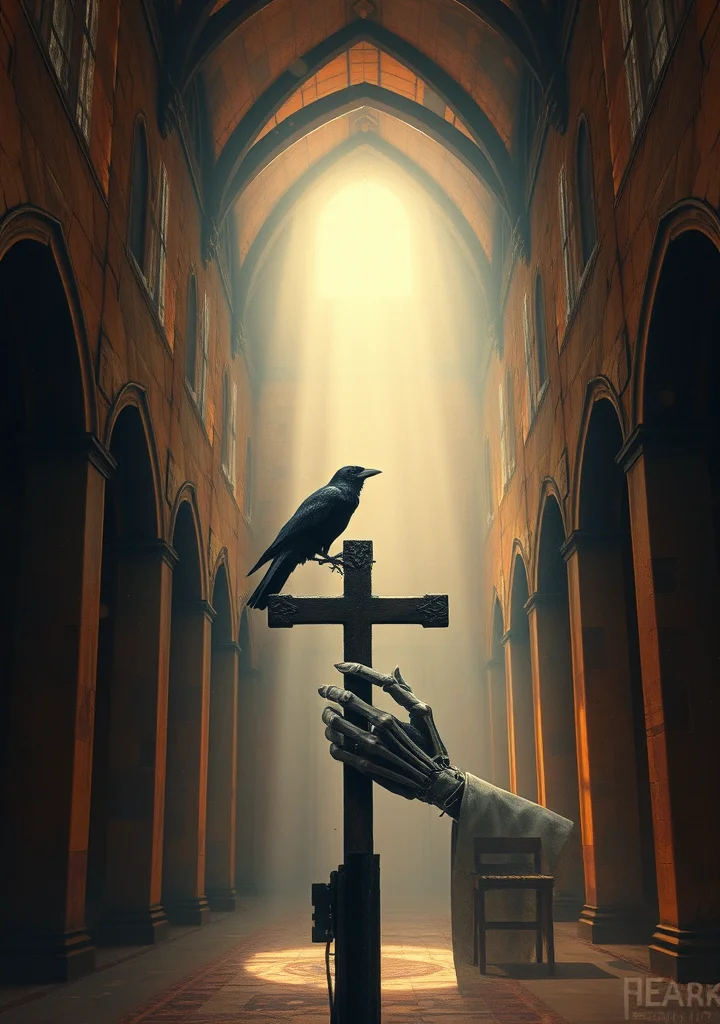
Dust motes dance in the cathedral’s gloom, mirroring the fading light of a dying faith. Across the arid expanse of New Mexico, shadows stretch long and skeletal, clinging to adobe walls and the weathered faces of the few who remain. This is a land haunted not by ghosts of men, but by the spectral weight of centuries—a history etched in sun-bleached bone and whispered prayers. The Archbishop, a titan of will and solitude, labors to breathe life into a wilderness of souls, while his faithful companion, Father Vaillant, wrestles with a devotion that strains against the brutal beauty of the desert. But the land itself is a reckoning. A slow, insidious decay seeps into the very stones of their missions, mirroring a creeping, unnameable grief that settles upon the hearts of those who witness the relentless march of time. The scent of juniper and dust hangs heavy, masking the metallic tang of sacrifice and the quiet desperation of those lost between worlds. Each sunrise bleeds into a landscape of muted hues, a canvas of loss where the boundaries between heaven and earth blur, and the inevitability of death is not a finality, but a slow, deliberate claiming of all that is fragile and fleeting. It is a story not of triumph, but of endurance—a vigil held in the face of an encroaching darkness, where even the most devout must concede to the cold, elegant embrace of the void.


Copyright: Public Domain
This license allows anyone to use your story for any purpose, including printing, selling, or adapting it into a film freely.
Recommended for you
14 Part
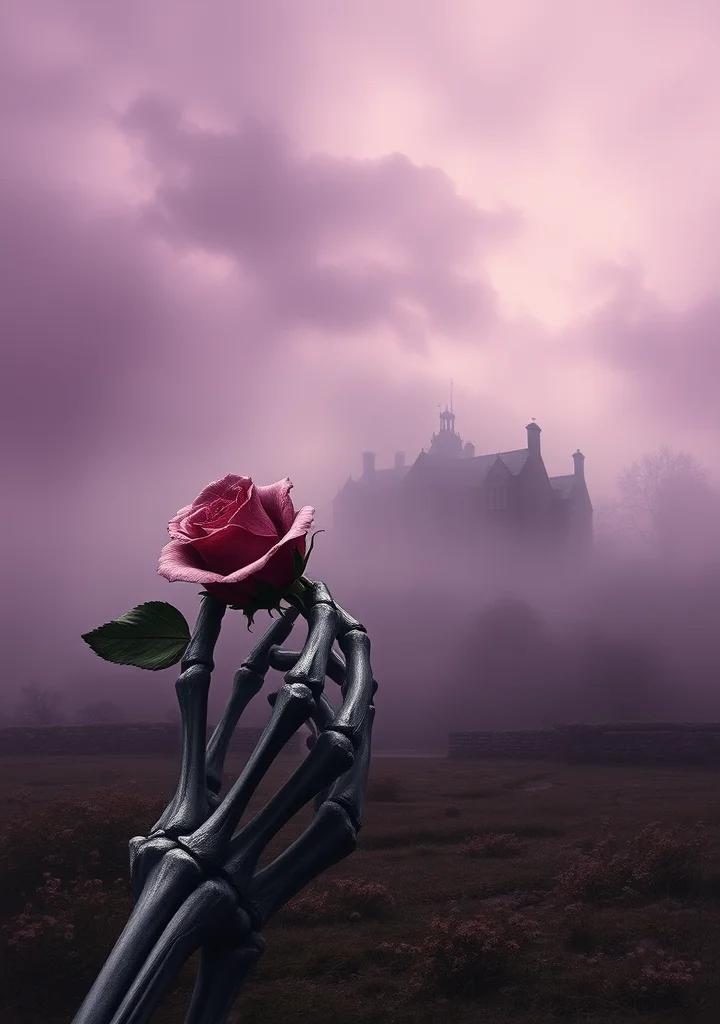
A chill, damp fog clings to the meticulously manicured grounds of a decaying manor, mirroring the insidious rot at the heart of the investigation. Lord Peter Wimsey doesn’t merely solve a murder; he excavates a grief-stricken past, each clue unearthed slick with the residue of unspoken desires and stifled resentments. The victim, a man of rigid habits and cold precision, is found posed with a perverse artistry amidst rose bushes gone wild—a tableau of fractured elegance. The estate itself breathes with a suffocating air of familial decay. Long corridors whisper with the echoes of past grievances, portraits watch with hollow eyes, and shadows dance with the weight of generations trapped within their ancestral home. Every object, from tarnished silver to wilted blooms, feels burdened by secrets. Wimsey’s pursuit is not a swift unraveling, but a slow descent into a labyrinth of suppressed longing and bitter rivalries. The suspects are cloaked in a brittle politeness masking a simmering contempt, each conversation a carefully constructed performance in a drawing room haunted by the ghosts of expectations. The scent of fading grandeur, of lives lived within suffocating constraints, pervades every room—a suffocating perfume of regret and the lingering scent of something unspeakably cold. The truth, when it finally surfaces, is less a revelation than an exhumation, leaving a residue of ash and the unsettling weight of a fractured, aristocratic heart.
30 Part
A suffocating stillness clings to the crumbling estate of Blackwood Manor, where whispers of inherited madness and manufactured desires coil like smoke around the brittle bones of its last inhabitants. The air hangs thick with the scent of lilies and something acrid, something *new* – the scent of molded perfection, of faces smooth as porcelain, yet hollowed by an emptiness that mirrors the decay within the manor’s walls. Young Alistair Finch arrives seeking respite, lured by tales of his aunt’s peculiar philanthropy, but finds himself instead swallowed by a society obsessed with ‘refinement.’ Here, beauty is not born, but *constructed*. Faces are remade, personalities reshaped with a chilling precision, all under the watchful gaze of Aunt Isolde, whose smile is as flawless as it is predatory. Alistair discovers the manor’s guests are not merely indulging in vanity, but submitting to a procedure – a sculpting of flesh and will – that promises eternal youth and flawless form. But beneath the polished surfaces, cracks begin to appear. The garden, a labyrinth of sculpted hedges and glass flowers, holds a dark secret: discarded ‘shells’ of those who failed to meet Isolde’s impossible standards. Alistair finds himself drawn to Clara, a woman haunted by fragments of a life she no longer remembers, her eyes mirroring the vacant stare of the mannequins that populate the manor’s shadowed halls. As Alistair unravels the truth, he discovers the price of perfection is not merely beauty, but the very essence of self. The plastic age is not an era of renewal, but of extinction, where humanity is slowly, meticulously, *molded* into oblivion.
38 Part
A creeping dread clings to the shores of a dying world. The sun bleeds crimson into a sea choked with silence, where the last echoes of humanity drift amongst the ruins of a forgotten paradise. This is not a tale of monstrous creation, but of monstrous *extinction*. A plague, born not of fever or rot, but of a profound and suffocating ennui, has withered the passions of men and women, leaving them listless, hollowed by a grief they cannot name. The narrative unfolds through journals discovered within a desolate, abandoned fortress – fragmented accounts of a scholar, Lionel, who watches the last vestiges of civilization crumble into dust. His observations are steeped in a melancholic beauty, documenting the slow, insidious unraveling of desire, ambition, even the will to *remember*. The air is thick with the scent of decay, not just of bodies, but of ideals. Every stone whispers of loss, every shadow holds the weight of a forgotten generation. Lionel’s desperate attempts to preserve memory – to catalogue the last songs, the last stories, the last faces – are rendered all the more agonizing by the realization that even *he* is fading, becoming a ghost amongst ghosts. The sea, a constant, mournful presence, mirrors the encroaching nothingness. It is a world adrift, haunted by the ghosts of its own futility, where the final act is not a dramatic struggle, but a quiet surrender to the encroaching darkness, a slow, deliberate letting go of everything that once made life worth living. The final man is not a hero, but a witness, documenting the last, shuddering breaths of a species consumed by its own emptiness.
28 Part
Dust motes dance in the perpetual twilight of Mackenzie’s *Journals*, a collection bound in leather smelling faintly of brine and decay. The narrative unfolds not as a story, but as an unraveling – a slow, deliberate erosion of sanity documented in cramped, spidery script. Each entry is a fragment wrested from the encroaching darkness, detailing the slow, suffocating bloom of dread within a remote coastal manor. The sea itself is a character here, a grey, hungry maw that whispers of forgotten gods and the things they drag from the depths. The journals detail a descent into obsession with the manor’s previous inhabitants, a lineage plagued by melancholia and shadowed by ritual. Rooms breathe with the weight of past sorrows, their shadows stretching into grotesque shapes that mimic the author’s growing paranoia. The prose is laced with a creeping claustrophobia, mirroring the manor's labyrinthine corridors and the suffocating weight of inherited grief. There are no grand horrors here, only the exquisite torment of being watched by something unseen, the slow realization that the walls themselves listen. The scent of mildew and rot clings to every page, a tangible residue of despair. The journals are not merely *read*; they are *absorbed*, leaving the reader shivering in the cold, salt-laced air of a forgotten coastline, haunted by the echo of Mackenzie’s fracturing mind. They are a testament to the rot that blossoms not just in wood and stone, but within the very core of the self.